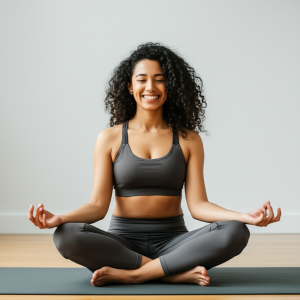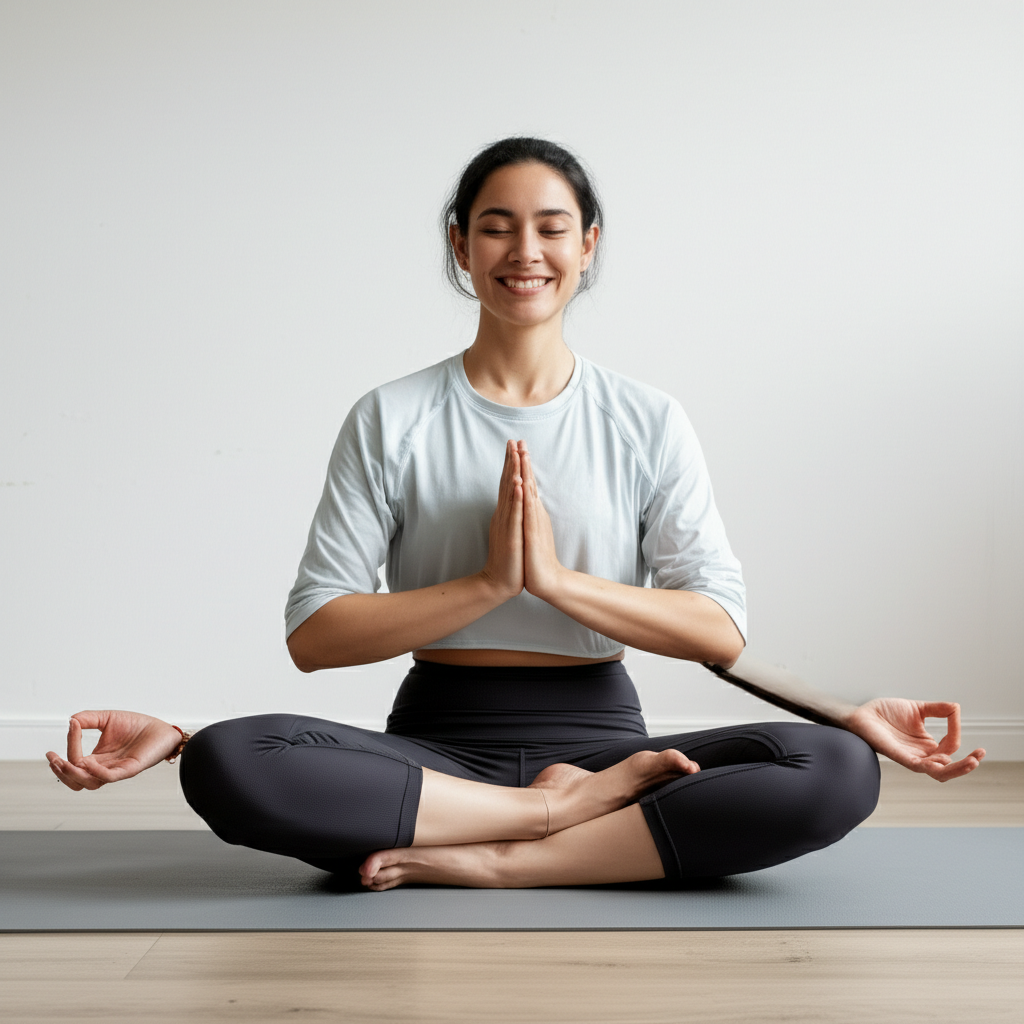
Embarking on a journey with yoga can be one of the most rewarding decisions for your well-being, and this beginner guide to yoga is here to light your path. If you’ve ever felt curious about yoga but weren’t sure where to start, you’re in the perfect place. Yoga is so much more than just stretching; it’s a holistic practice that connects your mind, body, and spirit, offering a profound sense of peace and strength. No matter your age, fitness level, or flexibility, yoga is truly for everyone, and this guide will demystify the process, making it accessible and enjoyable from your very first pose.
1. Understanding Yoga: More Than Just Poses
At its heart, yoga is an ancient practice originating from India, encompassing physical postures (asanas), breathing techniques (pranayama), meditation, and ethical principles. While many people in the West primarily associate yoga with physical exercises, its traditional roots run much deeper, aiming for spiritual enlightenment and union of the individual consciousness with the universal consciousness.
For beginners, however, the journey often starts with the physical and mental benefits. It’s a practice that encourages mindfulness – paying attention to the present moment without judgment. This focus on the "here and now" can be incredibly grounding, especially in our fast-paced modern lives. Think of it as a moving meditation that helps you tune into your body’s signals and quiet the constant chatter of your mind. This comprehensive beginner guide to yoga will equip you with the fundamental knowledge to begin your practice confidently.
2. Why Embark on Your Yoga Journey? The Wonderful Benefits Await!
The reasons people turn to yoga are as diverse as the individuals themselves. From seeking physical fitness to stress relief, the benefits are vast and well-documented. Here are just a few ways yoga can positively impact your life:
- Improved Flexibility and Balance: Regular yoga practice can gently increase your range of motion and enhance your sense of balance, which is vital for preventing falls as we age.
- Increased Strength and Muscle Tone: Holding various poses can build lean muscle mass and improve overall strength without the bulk.
- Stress Reduction and Relaxation: Yoga is renowned for its calming effects. The combination of focused breathing, mindful movement, and meditation can help lower stress hormones and promote a sense of tranquility. It’s known to support mental well-being and can help manage symptoms of stress and anxiety. (For more on stress management, you might find valuable insights on sites like WebMD).
- Enhanced Body Awareness: You’ll learn to listen to your body, understanding its signals and limitations, fostering a healthier relationship with yourself.
- Better Sleep Quality: By reducing stress and calming the nervous system, yoga can help you fall asleep more easily and experience deeper, more restful sleep.
- Boosted Mood and Energy: Many practitioners report feeling more energized, positive, and focused after a yoga session.
- Improved Posture: Strengthening core muscles and lengthening the spine can naturally lead to better posture, alleviating common aches and pains.
This beginner guide to yoga highlights that these benefits aren’t exclusive to advanced practitioners; you can start experiencing them from your very first class.
3. Getting Started: Your Yoga Essentials
You don’t need much to begin your yoga journey, which is part of its appeal! Here’s a simple checklist:
- A Yoga Mat: While not strictly essential (you can practice on a towel or carpet), a good yoga mat provides cushioning, grip, and defines your personal practice space. Look for one that’s non-slip and comfortable.
- Comfortable Clothing: Wear anything that allows you to move freely without restriction. Leggings, shorts, t-shirts, or tank tops are all great options. The key is comfort.
- An Open Mind and Patience: These are your most important tools! Yoga is a practice, not a performance. There’s no need for perfection, only presence and effort.
- Optional Props: As you progress, you might find props like blocks, straps, or blankets helpful for modifying poses, deepening stretches, or providing support. Don’t worry about these initially; most studios provide them.
Finding Your Practice Space:
You can join a studio class, follow online videos, or simply practice in your living room. A studio offers the guidance of a teacher and the energy of a group, which can be very motivating. Online resources offer flexibility and convenience. The best approach for your beginner guide to yoga is the one you can stick with consistently.
4. Exploring Beginner-Friendly Yoga Styles
The world of yoga is vast, with many different styles, each with its own focus and pace. For beginners, it’s helpful to start with styles that emphasize foundational postures and mindful movement.
- Hatha Yoga: Often considered the slowest-paced style, Hatha focuses on holding basic poses for several breaths, allowing you to build strength, flexibility, and awareness. It’s an excellent starting point for learning proper alignment.
- Gentle Vinyasa Flow: Vinyasa links movement with breath in a flowing sequence. A gentle Vinyasa class will move at a slower pace than a typical Vinyasa, making it accessible for beginners to learn the transitions and build stamina.
- Restorative Yoga: If deep relaxation is your primary goal, restorative yoga is perfect. It uses props like blankets, bolsters, and blocks to support the body in passive stretches, allowing for profound relaxation and stress relief.
- Yin Yoga: This style involves holding passive poses for longer durations (3-5 minutes or more) to target the deeper connective tissues (ligaments, joints, fascia) rather than muscles. It can be intense mentally but offers incredible benefits for flexibility and mental calm.
When choosing a class or video, look for terms like "Beginner," "Gentle," "Foundations," or "Slow Flow" to ensure it’s appropriate for your level.
5. Mastering Foundational Poses: Your Essential Beginner Guide to Yoga Poses
You don’t need to know dozens of poses to start. Learning a few foundational postures will build your confidence and body awareness. Remember, listening to your body and modifying poses is key. Never push through pain.
-
Mountain Pose (Tadasana): The starting point for many standing poses, Tadasana teaches you how to stand with strength, balance, and alignment.
- How to: Stand with feet together or hip-width apart, big toes touching. Ground down through all four corners of your feet. Engage your thigh muscles, lift your kneecaps, and gently tuck your tailbone. Draw your navel towards your spine. Roll your shoulders back and down, allowing your arms to hang by your sides, palms facing forward. Lengthen through the crown of your head.
- Benefits: Improves posture, strengthens thighs, knees, and ankles, firms abdomen and buttocks.
-
Child’s Pose (Balasana): A wonderful resting pose that can be taken at any point during your practice.
- How to: Kneel on your mat with big toes touching (or slightly apart). Open your knees wide (or keep them together). Fold forward, resting your torso between or on your thighs. Extend your arms forward or rest them alongside your body, palms up. Rest your forehead on the mat.
- Benefits: Gently stretches hips, thighs, and ankles. Relieves back and neck pain (when head is supported). Calms the brain and helps relieve stress and fatigue.
-
Downward-Facing Dog (Adho Mukha Svanasana): One of the most iconic yoga poses, it’s an inversion that stretches and strengthens the entire body.
- How to: Start on hands and knees. Spread your fingers wide, pressing firmly through your palms. Tuck your toes, lift your hips towards the sky, forming an inverted V-shape with your body. Straighten your arms and legs as much as comfortable, keeping a slight bend in the knees if your hamstrings are tight. Press your heels towards the floor (they don’t need to touch). Let your head hang naturally.
- Benefits: Strengthens arms and legs, stretches shoulders, hamstrings, calves, and Achilles tendons. Calms the brain and helps relieve stress.
-
Warrior II (Virabhadrasana II): A powerful standing pose that builds strength, stamina, and focus.
- How to: Step your feet wide apart (about one leg’s length). Turn your right foot out 90 degrees, and your left foot slightly in. Bend your right knee directly over your right ankle, keeping your shin perpendicular to the floor. Extend your arms out to the sides at shoulder height, palms down. Gaze over your right fingertips. Keep your torso upright and core engaged.
- Benefits: Strengthens legs and ankles, stretches groins, chest, and lungs. Increases stamina.
-
Tree Pose (Vrksasana): A balancing pose that improves focus and stability.
- How to: Stand in Mountain Pose. Shift your weight to your left foot. Place the sole of your right foot on your inner left ankle, calf, or inner thigh (avoid placing it directly on the knee joint). Bring your hands to prayer position at your chest, or extend them overhead like branches. Gaze at a fixed point (drishti).
- Benefits: Strengthens thighs, calves, ankles, and spine. Stretches groins and inner thighs. Improves sense of balance.
-
Corpse Pose (Savasana): The final and arguably most important pose, allowing your body to integrate the benefits of your practice.
- How to: Lie on your back, legs extended and slightly apart, feet falling open. Arms by your sides, palms facing up, slightly away from your body. Close your eyes. Allow your body to feel heavy and fully supported by the floor. Relax every muscle.
- Benefits: Calms the brain and helps relieve stress and mild depression. Relaxes the body, reduces headache, fatigue, and insomnia.
6. The Power of Breath: Basic Pranayama
In yoga, breath (prana) is considered life force. Learning to breathe consciously and deeply can transform your practice and your daily life. This beginner guide to yoga emphasizes that your breath is your anchor.
- Diaphragmatic Breathing (Belly Breathing): This is the foundation of yogic breathing.
- How to: Lie on your back with one hand on your chest and one on your belly. Inhale slowly through your nose, feeling your belly rise (the hand on your chest should remain relatively still). Exhale slowly through your nose, feeling your belly fall.
- Benefits: Activates the parasympathetic nervous system, promoting relaxation and reducing stress.
- Ujjayi Breath (Victorious Breath or Ocean Breath): This is a common breath used during physical yoga practice.
- How to: Gently constrict the back of your throat as if you’re whispering "ha" with your mouth closed. Inhale and exhale slowly through your nose, creating a soft, ocean-like sound.
- Benefits: Helps to build heat in the body, focuses the mind, and regulates the pace of your practice.
7. Building Your Sustainable Yoga Practice
Consistency is more important than intensity or duration when you’re starting a new beginner guide to yoga routine.
- Start Small: Even 10-15 minutes a few times a week is a fantastic start. As you feel more comfortable, you can gradually increase the duration.
- Listen to Your Body: This is perhaps the most crucial piece of advice. Yoga is not about forcing yourself into poses. If something hurts, back off. Modifications are not a sign of weakness; they are a sign of wisdom and self-care.
- Don’t Compare: Everyone’s body is different. Focus on your own journey and progress, not on what others around you are doing.
- Find a Great Teacher (or Resource): A knowledgeable teacher can provide personalized guidance and adjustments. If practicing at home, seek out reputable online resources. (For general health and exercise guidance, resources like the Mayo Clinic can be very helpful).
- Embrace the Journey: Yoga is a lifelong practice. There will be days you feel strong and flexible, and days you feel stiff or tired. Show up anyway, with compassion for yourself.
Safety First:
While yoga is generally safe, it’s always wise to consult with your doctor before starting any new exercise program, especially if you have pre-existing health conditions or injuries. Inform your yoga instructor about any physical limitations you may have so they can offer appropriate modifications. Yoga is known to be a safe form of physical activity for many, and the World Health Organization (WHO) emphasizes the importance of regular physical activity for overall health.
Your Essential Beginner Guide to Yoga: FAQs
Q: Do I need to be flexible to start yoga?
A: Absolutely not! This is one of the biggest myths. You don’t need to be flexible to start yoga; yoga helps you become more flexible. Everyone starts somewhere.
Q: Is yoga a religion?
A: While yoga has spiritual roots, it is not a religion. It is a philosophy and a practice that can be adapted by people of any faith or no faith at all. You can focus purely on the physical and mental benefits.
Q: How often should I practice?
A: For beginners, 2-3 times a week is a great starting point. Even short, consistent practices (10-15 minutes daily) can yield significant benefits.
Q: What if I can’t do a pose?
A: That’s perfectly normal! Yoga is about the journey, not the destination. Listen to your body, use props, and explore modifications. The goal is to feel a stretch, not to achieve a perfect shape.
Conclusion: Your Beautiful Yoga Journey Begins Now
Congratulations on taking the first step with this comprehensive beginner guide to yoga! You’ve armed yourself with the knowledge and encouragement to embark on a truly transformative practice. Yoga offers a profound pathway to connect with your inner self, build physical strength, cultivate mental clarity, and find a deeper sense of peace. Remember, every master was once a beginner. Be patient, be kind to yourself, and most importantly, enjoy the journey. Your mat awaits!