Embarking on a journey towards inner peace and enhanced well-being can feel daunting, but with this beginner guide to meditation, you’ll discover how accessible and transformative the practice truly is. Many people hear the word "meditation" and picture monks on mountaintops, or believe it requires hours of silent sitting to empty the mind. The truth is, meditation is a simple yet profound practice that anyone can learn, regardless of their background, beliefs, or how busy their mind might seem. It’s not about stopping your thoughts, but rather changing your relationship with them, fostering a sense of calm, clarity, and presence in your daily life.
In this comprehensive guide, we’ll demystify meditation, explore its wonderful benefits, and provide you with a practical, step-by-step approach to starting your own practice. We’ll cover everything from setting up your space to navigating common challenges, ensuring you feel supported and confident as you cultivate this powerful skill. Get ready to discover a simple path to a more balanced and mindful existence.
What is Meditation, Really? (And What It Isn’t)
Before we dive into the "how-to," let’s clarify what meditation is and isn’t. At its core, meditation is a practice of training attention and awareness to achieve a mentally clear and emotionally calm and stable state. It’s a journey of observing your internal and external experiences with an attitude of openness, curiosity, and non-judgment.
What Meditation IS:
- Mindfulness: A state of being present and fully engaged in the moment, aware of your thoughts, feelings, bodily sensations, and surrounding environment, without judgment. Many meditation practices cultivate mindfulness.
- Attention Training: Learning to focus your attention on a specific anchor, like your breath, a sensation, or a sound, and gently bringing your mind back when it wanders.
- Awareness: Cultivating a broader awareness of your internal landscape and how you interact with the world around you.
- Observation: Watching your thoughts and emotions pass by like clouds in the sky, rather than getting swept away by them.
- Self-Compassion: Approaching your internal experiences with kindness and understanding, especially when things feel difficult.
What Meditation ISN’T:
- Emptying Your Mind: This is a common misconception. Your mind is designed to think! The goal isn’t to stop thinking, but to observe thoughts without getting entangled in them.
- A Religious Practice: While meditation is a component of many spiritual and religious traditions, it is a secular practice that can be embraced by anyone, regardless of their beliefs.
- A Quick Fix: Meditation is a practice, a skill that develops over time with consistency. You won’t achieve enlightenment in one session, but you will begin to notice subtle shifts.
- For "Calm" People Only: Everyone can meditate. In fact, if you feel stressed or your mind is constantly racing, you might benefit the most!
Understanding these fundamental points is crucial for anyone beginning their meditation journey, as it helps set realistic expectations and removes common barriers.
The Wonderful Benefits of Starting Your Meditation Journey
People have practiced meditation for thousands of years, and for good reason. Modern science continues to validate what ancient traditions have known: meditation offers a wealth of benefits for your mental, emotional, and even physical well-being. Starting your own beginner guide to meditation practice can unlock many positive changes in your life.
Here are some of the wonderful ways meditation may support you:
- Stress Reduction: One of the most widely recognized benefits, meditation is known to help reduce levels of the stress hormone cortisol. By activating the parasympathetic nervous system, it can help your body shift from a "fight or flight" response to a state of rest and digest. This can lead to a greater sense of calm and resilience in the face of daily stressors. Learn more about meditation and stress relief from WebMD.
- Improved Focus and Concentration: Regular meditation practice can help train your attention, making it easier to stay focused on tasks and less prone to distraction. This can translate into better performance at work, school, and in your daily interactions.
- Enhanced Emotional Regulation: By observing your emotions without judgment, you can gain greater insight into them. This increased awareness can help you respond to difficult feelings with more thoughtfulness and less reactivity, fostering a greater sense of emotional balance.
- Better Sleep Quality: Many people find that a regular meditation practice, particularly before bedtime, can help quiet a busy mind, making it easier to fall asleep and experience more restorative rest.
- Increased Self-Awareness: As you pay closer attention to your thoughts, feelings, and bodily sensations, you begin to understand yourself on a deeper level. This self-awareness can empower you to make more conscious choices that align with your values.
- Reduced Negative Emotions: While meditation isn’t about avoiding difficult emotions, it can help cultivate a more positive outlook by reducing rumination and fostering feelings of contentment and gratitude.
- Overall Well-being: By integrating these benefits, meditation can contribute to a profound sense of inner peace, greater joy, and an improved quality of life. Mayo Clinic also highlights the health benefits of meditation.
These benefits are not exclusive to advanced practitioners; even short, consistent sessions as a beginner can begin to yield positive results.
Getting Started: Setting Up Your Sacred Space (Even if it’s Just a Chair)
You don’t need a dedicated meditation room or expensive equipment to begin. The most important "space" is within you. However, creating a conducive external environment can certainly help a beginner guide to meditation practice flourish.
- Find a Quiet Spot: Choose a place where you’re unlikely to be disturbed. This could be a corner of your bedroom, a quiet office, or even a parked car during your lunch break. The key is minimizing external distractions.
- Ensure Comfort, Not Sleepiness:
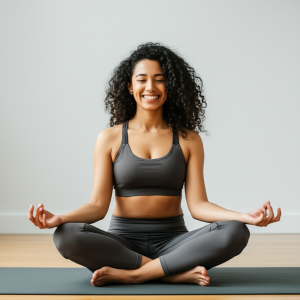
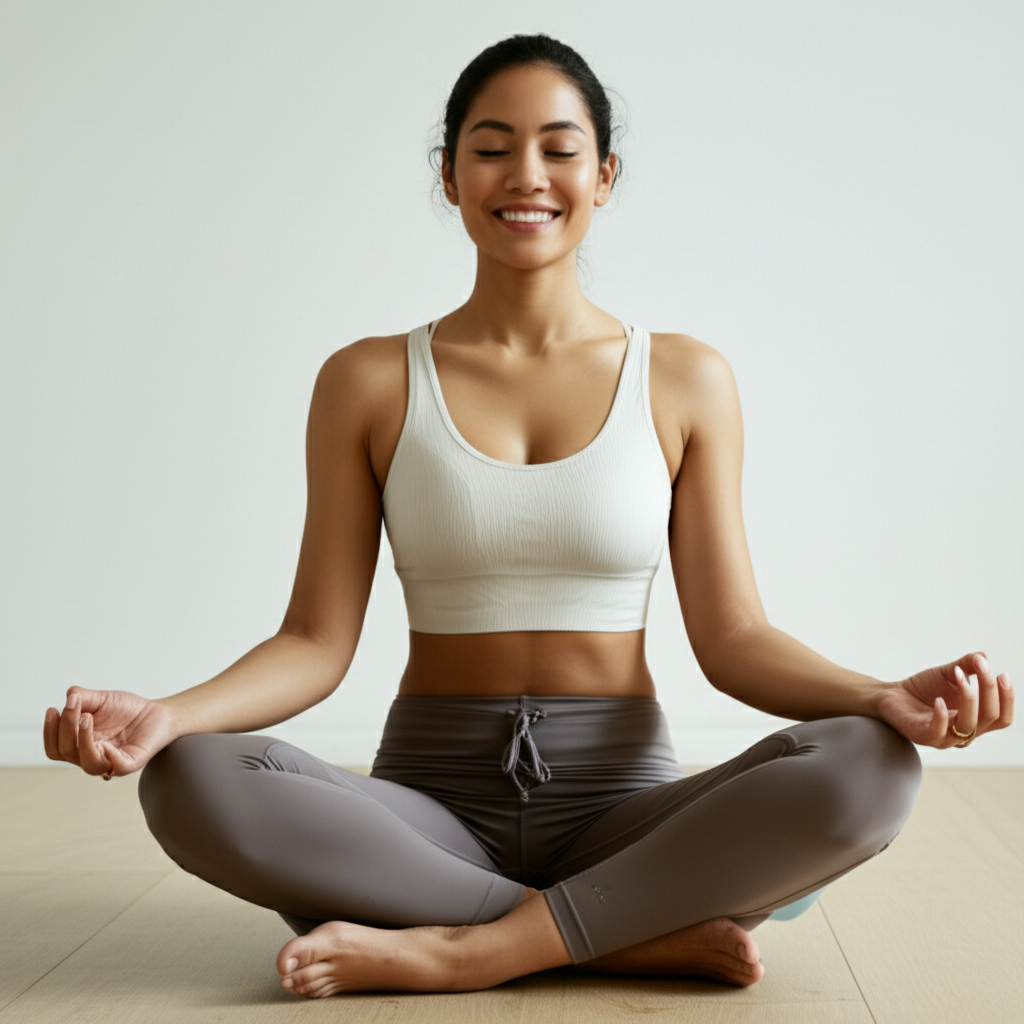
- Posture: Sit in a way that allows you to be alert yet comfortable. You can sit on a cushion on the floor, on a chair with your feet flat on the ground, or even lie down if sitting is uncomfortable (though lying down can sometimes lead to falling asleep). The goal is a dignified and relaxed posture, with a straight but not stiff spine.
- Clothing: Wear loose, comfortable clothing that doesn’t restrict your breathing or movement.
- Temperature: Make sure the room temperature is comfortable – not too hot, not too cold.
- Minimize Distractions:
- Turn off your phone or put it on airplane mode.
- Let others in your household know you’ll be unavailable for a short time.
- Consider dimming the lights if it helps you relax.
- Consistency Over Perfection: While a quiet, comfortable space is ideal, don’t let the lack of a "perfect" spot prevent you from starting. The most important thing is to just begin. Even 5 minutes in a less-than-ideal spot is more beneficial than waiting for the perfect moment that never comes.
Essential Tools for Your Beginner Meditation Practice (Hint: You Already Have Them!)
The beauty of meditation is that the most powerful tools are already within you. You don’t need to buy anything to start practicing meditation.
- Your Breath: Your breath is your primary anchor in meditation. It’s always with you, always in the present moment. By focusing on the sensation of your breath entering and leaving your body, you gently guide your attention away from distracting thoughts and back to the here and now.
- Your Body: Your body is a rich source of present-moment sensations. Noticing areas of tension, relaxation, warmth, or coolness can ground you and bring awareness to your physical experience.
- Your Mind (and its thoughts): While it might seem counterintuitive, your mind and its constant stream of thoughts are also tools. In meditation, you learn to observe your thoughts without judgment, recognizing them as transient mental events rather than absolute truths. This practice builds mental resilience and detachment.
- Optional Aids (Not Necessary, but Can Be Helpful):
- A Cushion (Zafu or Zabuton): Can help support a comfortable sitting posture on the floor.
- A Timer: A gentle timer (like those found in meditation apps) can help you keep track of your session duration without needing to open your eyes or check a clock.
- Guided Meditation Apps: Apps like Calm, Headspace, or Insight Timer offer guided meditations that are excellent for beginners. They provide instruction and gentle prompts, which can be very supportive in your first steps with a beginner guide to meditation.
Your Step-by-Step Beginner Guide to Meditation (A Simple 7-Day Plan)
This 7-day plan is designed to gently introduce you to the core principles of mindfulness meditation. Remember, the goal isn’t perfection, but consistent, kind engagement with the practice. Aim for 5-10 minutes each day.
Day 1: The Power of the Breath – Your Anchor
- Goal: To focus on your breath as your primary anchor.
- Practice: Find your quiet, comfortable spot. Close your eyes gently or soften your gaze downwards. Bring your attention to the sensations of your breath. Notice the air entering your nostrils, filling your lungs, and leaving your body. Don’t try to change your breath; just observe it as it naturally is. When your mind wanders (which it will!), gently acknowledge the thought without judgment, and then kindly guide your attention back to your breath.
- Key Phrase: "Just breathe."
Day 2: Noticing Your Body – Grounding in Sensations
- Goal: To expand your awareness to include bodily sensations.
- Practice: Begin by focusing on your breath as on Day 1. After a minute or two, expand your awareness to include your entire body. Notice any sensations – warmth, coolness, tingling, pressure, tension, relaxation. Do a quick "body scan" from head to toe, pausing briefly at different areas. If you find a sensation, just observe it without judgment. If your mind wanders, gently return to your breath, then back to your body.
- Key Phrase: "Feel your body."
Day 3: Welcoming Thoughts – Observing Without Judgment
- Goal: To practice observing thoughts as mental events, not as truths you must act on.
- Practice: Start with your breath, then expand to your body. Now, open your awareness to include your thoughts. Imagine your thoughts are like clouds passing in the sky, or leaves floating down a stream. Notice them, acknowledge them ("Ah, a thought about dinner"), but don’t engage with them, analyze them, or judge them. Let them pass. If you get caught up in a thought, gently note "thinking," and return to your breath.
- Key Phrase: "Thoughts are just thoughts."
Day 4: Sounds and Sensations – Expanding Awareness
- Goal: To broaden your awareness to external sounds and internal sensations.
- Practice: Begin with your breath, then your body, then observe your thoughts. Now, open your awareness to include sounds around you. Listen to them without labeling or judging them (e.g., "That’s a car horn," rather than "That annoying car horn!"). Let sounds come and go. Continue to bring your awareness back to your breath or the general field of sensations and sounds whenever your mind wanders.
- Key Phrase: "Just listen, just be."
Day 5: Dealing with Distractions – The Art of Gentle Redirection
- Goal: To practice patience and self-compassion when distractions arise.
- Practice: Today, actively embrace distractions. If you hear a loud noise, feel an itch, or have a strong thought, acknowledge it. You might even label it mentally ("noise," "itch," "planning"). Instead of fighting it, simply notice it, and then gently bring your attention back to your chosen anchor (breath, body, sounds). The "gentle" part is crucial – no self-criticism!
- Key Phrase: "It’s okay; just return."
Day 6: Short & Sweet – Integrating into Daily Life
- Goal: To practice shorter, more frequent meditations.
- Practice: Instead of one longer session, try two or three 3-5 minute sessions today. You could do one in the morning, one at lunchtime, and one before bed. Use the techniques from previous days, focusing on your breath as your primary anchor. This helps build consistency and shows you that meditation doesn’t always require a long block of time.
- Key Phrase: "Little moments of calm."
Day 7: Reflect and Grow – The Path of Consistency
- Goal: To reflect on your week and commit to ongoing practice.
- Practice: Do your chosen length of meditation (5-10 minutes) using any of the techniques you’ve found most helpful this week. After your session, take a moment to reflect. How did this week feel? What did you notice? What challenges did you face? Remember, the goal isn’t to clear your mind, but to become more aware of what’s happening within it. Commit to continuing your practice, even if it’s just for a few minutes each day.
- Key Phrase: "Every moment is a new beginning."
This beginner guide to meditation provides a solid foundation. Remember to be patient and kind to yourself throughout this process.
Common Hurdles for Beginners (And How to Gently Overcome Them)
Starting a new practice like meditation often comes with questions and challenges. It’s completely normal to encounter these, and understanding them can help you stay committed to your beginner guide to meditation journey.
- "My mind is too busy; I can’t stop thinking!"
- Truth: No one can stop thinking! The mind’s job is to think.
- Solution: The goal isn’t to stop thoughts, but to observe them without judgment. When your mind wanders (and it will, hundreds of times!), simply acknowledge the thought and gently return your attention to your anchor (like your breath). Each time you do this, you’re strengthening your "attention muscle."
- "I can’t sit still; I feel restless."
- Truth: Physical restlessness is common, especially at first.
- Solution: Acknowledge the sensation of restlessness. You can even try to "be with" the restlessness for a moment, noticing its qualities. If it’s too intense, a brief, gentle stretch or adjusting your posture is fine. Sometimes, trying a walking meditation can be helpful on days with high physical energy.
- "I don’t feel anything; Am I doing it right?"
- Truth: Meditation isn’t about feeling a specific way. Sometimes it’s peaceful, sometimes it’s boring, sometimes it’s challenging.
- Solution: Let go of expectations. There’s no "right" way to feel. The practice is simply to show up, observe what’s happening, and gently return your attention. The benefits often manifest subtly over time, not as dramatic immediate shifts. The fact that you are sitting and paying attention means you are doing it right!
- "I keep falling asleep!"
- Truth: If you’re tired, your body will try to rest.
- Solution: Check your posture – sitting upright can help maintain alertness. Ensure you’re not meditating immediately after a heavy meal. You might also try meditating earlier in the day when you’re more awake, or ensure you’re getting enough sleep overall. If you do nod off, gently wake up and resume. No judgment.
- "I don’t have enough time."
- Truth: Even a few minutes can make a difference.
- Solution: Start small. Commit to just 2-5 minutes a day. It’s better to meditate for a short time consistently than to aim for a long session that you never get around to. As you experience the benefits, you may naturally find yourself wanting to extend your sessions.
Remember, meditation is a practice of self-compassion. Treat yourself with the same kindness and understanding you would offer a good friend. Every time you sit down, you are practicing.
Making Meditation a Habit: Tips for Long-Term Success
Consistency is key to experiencing the profound benefits of meditation. Here are some tips to help you integrate this beginner guide to meditation into a lasting practice:
- Start Small, Stay Consistent: As mentioned, 2-5 minutes a day is more powerful than an hour once a month. Build momentum with short, regular sessions.
- Choose a Regular Time: Our brains love routine. Try to meditate at the same time each day, whether it’s first thing in the morning, during a lunch break, or before bed. This helps establish it as a habit.
- Stack Your Habits: Link your meditation practice to an existing habit. For example, "After I brush my teeth, I will meditate for 5 minutes," or "After I finish my first cup of coffee, I will meditate."
- Use a Timer: A gentle bell or chime from a meditation app can help you keep track of time without needing to open your eyes.
- Find a Community (Optional): Joining a local meditation group or an online community can provide support, accountability, and a sense of shared purpose.
- Explore Guided Meditations: Don’t hesitate to use guided meditations, especially when you’re feeling unmotivated or distracted. A kind voice can be a great support.
- Be Patient and Kind to Yourself: There will be days when it feels easy, and days when it feels impossible. That’s part of the practice. Don’t judge yourself; simply return to the present moment as best you can.
- Keep a Journal (Optional): After your sessions, jot down any insights, challenges, or notable experiences. This can help you track your progress and deepen your understanding.
- Vary Your Practice: Once you’re comfortable with basic mindfulness, you might explore different styles of meditation, such as loving-kindness meditation or walking meditation, to keep your practice fresh and engaging.
Integrating Mindfulness Beyond Your Meditation Cushion
The true power of meditation lies not just in the formal sitting practice, but in how it spills over into your daily life. Mindfulness, cultivated on the cushion, can transform everyday activities.
- Mindful Eating: Before you eat, take a moment to notice the colors, textures, and aromas of your food. As you eat, chew slowly, savoring each bite. Pay attention to the sensations of taste and how your body responds. This can help you eat more consciously and enjoy your food more fully.
- Mindful Walking: Whether you’re walking around your home or taking a stroll outside, bring awareness to the act of walking. Feel your feet making contact with the ground, notice the movement of your legs, and observe the sights and sounds around you without judgment.
- Mindful Listening: When someone is speaking, truly listen. Put away distractions, make eye contact, and focus on understanding what they are saying, rather than formulating your response.
- Mindful Chores: Even mundane tasks like washing dishes or doing laundry can become opportunities for mindfulness. Pay attention to the sensations of water, the smell of soap, the textures of fabrics.
- Mindful Pauses: Throughout your day, take short, intentional pauses. Take three deep breaths, notice your surroundings, and check in with how you’re feeling. These micro-moments of mindfulness can help break cycles of stress and bring you back to the present.
By weaving these mindful moments into your day, you extend the benefits of your formal meditation practice, fostering a more present, engaged, and peaceful way of living. This integration is a natural progression from your initial beginner guide to meditation practice.
The Journey Continues: What’s Next After This Beginner Guide to Meditation?
Congratulations on taking these first steps with our beginner guide to meditation! You’ve laid a fantastic foundation for a practice that can bring lasting calm and clarity to your life. Remember, meditation is a lifelong journey of discovery, not a destination.
As you continue, you may find yourself wanting to explore further. There are many resources available:
- Books: Numerous books offer deeper insights into mindfulness and various meditation traditions.
- Apps: Continue using or explore other meditation apps that offer a wider range of guided meditations, courses, and teachers.
- Courses & Retreats: If you feel ready, consider joining an introductory meditation course or even a short retreat, which can provide intensive guidance and community support.
- Teachers: Working with an experienced meditation teacher can offer personalized guidance and help you navigate challenges as they arise.
The most important thing is to keep showing up, even for a few minutes a day. Be curious, be patient, and most importantly, be kind to yourself. Each time you sit, you are cultivating a profound inner resource that can support you through all of life’s ups and downs. The peace you seek is not outside of you; it’s waiting to be discovered within.
Conclusion
Starting your meditation journey can be one of the most rewarding decisions you make for your well-being. This beginner guide to meditation has aimed to demystify the practice, equip you with simple steps, and empower you to cultivate a habit of presence and inner calm. You now understand that meditation isn’t about emptying your mind or achieving instant bliss, but rather about gently training your attention, observing your experiences with kindness, and building a stronger, more compassionate relationship with yourself.
Remember, every single moment is an opportunity to begin again. Don’t strive for perfection; strive for presence. Even just a few minutes of mindful attention each day can begin to transform your life, offering you greater peace, clarity, and resilience. Embrace this journey with an open heart, and discover the profound sense of calm that resides within you.