Welcome to your comprehensive beginner guide to breathing exercises, a gentle introduction to a simple yet powerful practice that can truly transform how you feel day-to-day. In our fast-paced world, it’s easy to overlook one of our most fundamental and automatic bodily functions: breathing. Yet, the way we breathe has a profound impact on our physical and emotional well-being. This guide is designed to help you tap into that power, offering easy-to-follow techniques that can help you manage stress, boost your focus, and cultivate a greater sense of calm, all without needing any special equipment or prior experience.
Learning to breathe more consciously is a skill that anyone can develop, regardless of age or fitness level. Think of it as a friendly tool you can carry with you everywhere, ready to help you navigate life’s ups and downs with a little more ease and grace. If you’re ready to discover how the simple act of intentional breathing can unlock a happier, more balanced you, let’s dive in!
What Are Breathing Exercises and Why Do Them?
At its core, a breathing exercise is simply the conscious and intentional control of your breath. Instead of letting your breath happen on autopilot, you take charge, guiding its pace, depth, and rhythm. While breathing is an involuntary action essential for life, purposeful breathing practices can help you influence your body’s physiological responses in remarkable ways.
So, why dedicate time to something your body already does naturally? The benefits are numerous and can touch nearly every aspect of your life. Regularly engaging in breathing exercises is known to support relaxation and may help reduce feelings of stress and anxiety. It can also improve focus and concentration, making it easier to tackle tasks or simply be more present in your daily activities. Many people find that these practices can help promote better sleep, enhance mood, and even support a more robust sense of overall well-being. By consciously manipulating your breath, you send signals to your nervous system, letting it know that it’s safe to relax and find balance.
The Science Behind Your Breath: A Gentle Introduction
To understand why breathing exercises are so effective, it’s helpful to know a little about your body’s incredible operating system. You have an autonomic nervous system, which largely runs things without you having to think about them – like your heartbeat, digestion, and yes, your breathing. This system has two main branches:
- The Sympathetic Nervous System: This is often called your "fight or flight" response. When it’s activated, your heart rate might speed up, your breathing becomes quicker and shallower, and your body prepares for action. This is great for emergencies, but if it’s constantly engaged due to chronic stress, it can leave you feeling tense and drained.
- The Parasympathetic Nervous System: This is your "rest and digest" system. When it’s active, your heart rate slows, your breathing becomes deeper and more relaxed, and your body can repair and rejuvenate.
The exciting news is that while your breathing is usually automatic, it’s one of the few autonomic functions you can consciously control. By purposefully slowing down and deepening your breath, you can gently nudge your nervous system from "fight or flight" mode into "rest and digest" mode. This shift is where the magic happens, allowing your body and mind to calm down and find a greater sense of peace. This fundamental understanding is key to unlocking the power of this beginner guide to breathing exercises.
For more information on the science of breathing and its impact on the body, you can explore resources from trusted health organizations.
Getting Started: Essential Tips for Your Breathing Practice
Embarking on your journey with a beginner guide to breathing exercises doesn’t require much. The beauty of these practices lies in their simplicity and accessibility. Here are some friendly tips to help you get started on the right foot:
- Find Your Sanctuary: Choose a quiet, comfortable space where you won’t be interrupted. This could be a cozy corner of your living room, a peaceful spot in your garden, or even your bed.
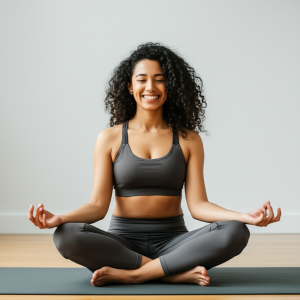
- Comfort is Key: Sit or lie down in a position that feels natural and relaxed. If sitting, keep your spine gently elongated but not stiff. You can place your hands comfortably on your lap or belly.
- No Special Equipment Needed: You don’t need fancy gadgets or expensive apps. All you need is yourself and your breath!
- Start Small, Be Consistent: Begin with just a few minutes a day, perhaps 2-5 minutes. Consistency is far more important than intensity. Even a short, daily practice can yield significant benefits over time.
- Listen to Your Body: Pay attention to how you feel. If you ever feel dizzy or uncomfortable, simply return to your normal breathing pattern. These exercises should feel supportive, not strained.
- Patience and Compassion: Learning new habits takes time. There will be days when your mind wanders, and that’s perfectly normal. Gently guide your attention back to your breath without judgment. This is a journey of self-discovery, not a test.
Developing a consistent practice, even for a few minutes daily, can significantly support your overall well-being. The Mayo Clinic offers excellent general information on stress management, which often highlights the benefits of mindful practices like breathing exercises.
Your Step-by-Step Beginner Guide to Breathing Exercises
Now, let’s explore some incredibly effective and easy-to-learn breathing techniques. This beginner guide to breathing exercises focuses on practices that are simple to understand and integrate into your daily routine. Try each one and see which resonates most with you!
1. Diaphragmatic Breathing (Belly Breathing)
This is often considered the foundation of conscious breathing. Many of us tend to breathe shallowly, using only our chest. Diaphragmatic breathing encourages you to breathe more deeply, engaging your diaphragm, a muscle located just below your lungs. This type of breathing is known to activate the parasympathetic nervous system, promoting relaxation.
How to do it:
- Step 1: Get Comfortable. Lie on your back with your knees bent and feet flat on the floor, or sit comfortably in a chair.
- Step 2: Hand Placement. Place one hand on your chest and the other on your belly, just below your rib cage.
- Step 3: Inhale Deeply. Inhale slowly and deeply through your nose, allowing your belly to rise as your diaphragm contracts. The hand on your belly should rise, while the hand on your chest should remain relatively still.
- Step 4: Exhale Gently. Exhale slowly through your mouth (or nose), gently pulling your abdominal muscles inward as your belly falls. The hand on your belly should lower.
- Step 5: Repeat. Continue for 5-10 minutes, focusing on the gentle rise and fall of your belly.
Benefits: This exercise can help reduce heart rate, lower blood pressure, and ease muscle tension. It’s a wonderful practice for managing stress and promoting a sense of calm.
When to use it: Perfect for starting your day, before bed, or whenever you feel a need to de-stress.
2. Box Breathing (Four-Square Breathing)
Box breathing is a straightforward and highly effective technique used by many, including first responders, to quickly calm the nervous system and improve focus. It involves inhaling, holding, exhaling, and holding for equal counts, creating a "box" shape with your breath.
How to do it:
- Step 1: Find Your Posture. Sit upright with your feet flat on the floor, or lie comfortably.
- Step 2: Prepare to Breathe. Gently close your eyes or soften your gaze.
- Step 3: Inhale. Slowly inhale through your nose for a count of four. Feel your belly expand.
- Step 4: Hold. Hold your breath for a count of four.
- Step 5: Exhale. Slowly exhale through your mouth (or nose) for a count of four, emptying your lungs.
- Step 6: Hold Again. Hold your breath at the bottom of your exhale for a count of four.
- Step 7: Repeat. Continue this cycle for 5-10 minutes.
Benefits: Box breathing is known to help reduce stress, enhance concentration, and promote a sense of control. It’s an excellent tool for regaining composure.
When to use it: Ideal before a big meeting, during a stressful moment, or when you need to sharpen your focus.
3. 4-7-8 Breathing Technique
Developed by Dr. Andrew Weil, the 4-7-8 breathing technique is a powerful natural tranquilizer for the nervous system. It’s particularly lauded for its ability to help people relax and even fall asleep more easily. This practice involves specific timing for inhalation, breath hold, and exhalation.
How to do it:
- Step 1: Position Yourself. Sit with a straight back or lie down comfortably. Place the tip of your tongue against the ridge of tissue just behind your upper front teeth, and keep it there throughout the entire breathing process.
- Step 2: Exhale Completely. Exhale completely through your mouth, making a gentle "whoosh" sound.
- Step 3: Inhale. Close your mouth and inhale quietly through your nose to a mental count of four.
- Step 4: Hold. Hold your breath for a count of seven.
- Step 5: Exhale. Exhale completely through your mouth, making a "whoosh" sound, for a count of eight.
- Step 6: Repeat. This is one breath. Inhale again and repeat the cycle three more times for a total of four breaths.
Benefits: This technique is known to help slow the heart rate, calm the mind, and promote deeper sleep. It can be a wonderful tool for managing moments of anxiety.
When to use it: Perfect for unwinding before bed, when you’re struggling to fall asleep, or when you feel overwhelmed.
4. Pursed-Lip Breathing
Pursed-lip breathing is a simple technique that helps you slow down your breathing, which can make each breath more effective. It involves inhaling through your nose and exhaling slowly through pursed lips, almost as if you’re blowing out a candle. This technique is known to create a slight back pressure in your airways, helping to keep them open longer and facilitating a more complete exhale.
How to do it:
- Step 1: Relax. Relax your neck and shoulder muscles.
- Step 2: Inhale. Inhale slowly through your nose for a count of two, keeping your mouth closed.
- Step 3: Purse Your Lips. Pucker or "purse" your lips as if you’re about to whistle or blow out a candle.
- Step 4: Exhale Slowly. Exhale slowly and gently through your pursed lips for a count of four (twice as long as your inhale).
- Step 5: Repeat. Continue this pattern for 5-10 minutes, focusing on a longer exhale.
Benefits: Pursed-lip breathing can help slow your breathing rate, promote deeper exhalation, and improve the exchange of oxygen and carbon dioxide. It can help you feel more in control of your breath.
When to use it: Useful during activities that might make you feel breathless, or simply as a gentle calming practice.
5. Alternate Nostril Breathing (Nadi Shodhana)
This ancient yogic technique is known for its balancing effects on the mind and body. It involves breathing through one nostril at a time, alternating between them. It’s believed to help harmonize the two hemispheres of the brain and can be both calming and subtly energizing.
How to do it:
- Step 1: Comfortable Seat. Sit comfortably with a straight spine.
- Step 2: Hand Position (Vishnu Mudra). Bring your right hand up towards your face. Rest your index and middle fingers gently between your eyebrows (or simply fold them down towards your palm). Your thumb will be used to close your right nostril, and your ring finger and pinky finger will close your left nostril.
- Step 3: Close Right Nostril. Gently close your right nostril with your right thumb.
- Step 4: Inhale Left. Inhale slowly and deeply through your open left nostril.
- Step 5: Close Left, Open Right. Close your left nostril with your ring finger. Release your thumb from your right nostril.
- Step 6: Exhale Right. Exhale slowly and completely through your right nostril.
- Step 7: Inhale Right. Inhale slowly and deeply through your right nostril.
- Step 8: Close Right, Open Left. Close your right nostril with your thumb. Release your ring finger from your left nostril.
- Step 9: Exhale Left. Exhale slowly and completely through your left nostril.
- Step 10: Repeat. This completes one round. Continue for 5-10 rounds, always starting and ending with an exhale through the left nostril if you want to be precise, or simply finish after an even number of rounds.
Benefits: This technique is known to help calm the mind, reduce anxiety, and promote mental clarity. It can be a wonderful way to find balance and focus.
When to use it: Great for moments when you need to feel both relaxed and alert, or to balance your energy.
6. Counting Breaths
This is perhaps the simplest form of mindful breathing, perfect for absolute beginners or when you just need a quick reset. It helps anchor your mind to the present moment and can gently guide you into a more relaxed state.
How to do it:
- Step 1: Get Still. Sit or lie comfortably. Close your eyes or soften your gaze.
- Step 2: Observe. Simply observe your natural breath for a few moments without trying to change it.
- Step 3: Count Inhales. As you inhale, mentally count "one." As you exhale, mentally count "two." Continue counting up to ten, then start again from one.
- Step 4: Mind Wandering. If your mind wanders (which it will!), simply notice that it has wandered and gently bring your attention back to counting your breath, starting again from one.
- Step 5: Continue. Practice for 5-10 minutes.
Benefits: Counting breaths can significantly improve focus, reduce mental clutter, and promote a sense of inner calm. It’s a foundational mindfulness practice.
When to use it: Any time, anywhere. It’s especially useful when you need to quiet a busy mind or feel overwhelmed.
7. Sighing Breath
The sigh is an often unconscious physiological response to stress or boredom, and it turns out, intentionally sighing can be a powerful way to release tension and reset your breath. A purposeful deep sigh is known to expand the alveoli (tiny air sacs) in your lungs, helping to optimize gas exchange and reset your breathing pattern.
How to do it:
- Step 1: Gentle Inhale. Take a normal, gentle breath in through your nose.
- Step 2: A Little More. Once you feel you’ve inhaled fully, take a small, extra "sip" of air through your nose, as if you’re trying to fill your lungs just a little bit more.
- Step 3: Long Sigh. Slowly release all the air with a long, audible sigh out through your mouth, letting out any tension with the sound.
- Step 4: Repeat. Repeat this sequence 3-5 times.
Benefits: The sighing breath is known to quickly reduce stress, release built-up tension, and can help improve lung function by reopening collapsed air sacs. It’s a natural way to hit the "reset" button.
When to use it: When you feel overwhelmed, tense, or just need a quick release of pressure. It’s also great for a quick mental reset.
This diverse selection offers a comprehensive beginner guide to breathing exercises, providing various tools to suit different needs and preferences.
Integrating Breathing Exercises into Your Daily Life
The true power of this beginner guide to breathing exercises lies in making them a consistent part of your routine. You don’t need to dedicate hours; even short bursts of conscious breathing can make a huge difference.
- Morning Ritual: Start your day with 5-10 minutes of diaphragmatic or box breathing to set a calm and focused tone.
- Work Breaks: Instead of scrolling on your phone, take 2-3 minutes for a few rounds of 4-7-8 breathing or box breathing during your workday.
- Before Meals: A minute of mindful breathing before eating can help you slow down, savor your food, and support digestion.
- Transition Times: Use breathing exercises when moving from one activity to another – for example, before leaving work, before starting homework, or before picking up children.
- Before Bed: The 4-7-8 technique is excellent for winding down and preparing for a restful night’s sleep.
- During Stressful Moments: When you feel tension building, discreetly practice pursed-lip breathing or a few rounds of counting breaths to regain composure.
Remember, consistency is your friend. Even a minute or two of intentional breathing throughout your day can accumulate and contribute significantly to your overall well-being.
Common Questions and Gentle Reminders
As you explore this beginner guide to breathing exercises, you might have some questions. Here are a few common ones:
- How long should I practice each day? Start with 2-5 minutes and gradually increase as you feel comfortable. Even 10-15 minutes a day can be very impactful.
- What if I feel lightheaded or dizzy? This can happen if you’re breathing more deeply or rapidly than usual. If you feel lightheaded, stop the exercise immediately and return to your normal breathing. Rest for a moment, and try again more gently. It’s important to listen to your body.
- Is it okay if my mind wanders? Absolutely! A wandering mind is a normal human experience. The practice isn’t about stopping thoughts but gently guiding your attention back to your breath whenever you notice your mind has strayed. This is a practice of patience and gentle redirection.
- Can breathing exercises help with specific conditions? While breathing exercises are known to support general well-being, they are not a substitute for medical advice or treatment. They can be a wonderful complementary practice, but always consult with a healthcare professional for any health concerns.
The World Health Organization (WHO) provides broad guidance on health and well-being, often emphasizing holistic approaches that include mental and physical self-care practices.
When to Seek Further Support
This beginner guide to breathing exercises offers valuable tools for enhancing your daily life. However, it’s vital to remember that breathing exercises are a self-care practice and not a medical treatment. If you are experiencing chronic stress, severe anxiety, panic attacks, persistent sleep issues, or any other health concerns, it is always best to consult with a qualified healthcare professional. They can provide a proper diagnosis and recommend the most appropriate course of action for your individual needs. Breathing practices can complement professional care but should not replace it.
Conclusion: Embrace Your Breath, Embrace Your Calm
Congratulations on taking the first step with this beginner guide to breathing exercises! You’ve just unlocked a powerful, free, and accessible tool for cultivating greater calm, focus, and overall well-being. The journey of conscious breathing is a gentle one, filled with opportunities for self-discovery and inner peace.
Remember, there’s no right or wrong way to feel when you practice, only an invitation to observe and be present. Start small, be kind to yourself, and let your breath be your anchor. As you consistently incorporate these simple techniques into your life, you may find yourself navigating challenges with more resilience, experiencing moments with more presence, and truly embodying a happier, more balanced you. Your breath is always with you; now you know how to harness its incredible power. Breathe in calm, breathe out peace, and enjoy the wonderful journey ahead!