Life can often feel like a juggling act, and it’s completely normal to experience stress. But what if you could find effective tools right where you are? This article explores easy ways to practice stress control at home, transforming your living space into a sanctuary of calm and helping you navigate daily pressures with greater ease. Your home is more than just a place; it’s a personal haven where you can cultivate peace and develop powerful coping mechanisms for a calmer, more balanced life.
Stress, in moderate doses, can even be beneficial, helping us respond to challenges. However, chronic or overwhelming stress can take a toll on our well-being. The good news is that you don’t need fancy equipment or expensive retreats to begin your journey toward better stress management. Many powerful techniques are simple, accessible, and can be practiced within the comfort and privacy of your own home. Let’s dive into some practical, beginner-friendly strategies that can truly make a difference.
Why Your Home is the Perfect Place for Stress Control
Before we explore specific techniques, let’s consider why your home is such an ideal setting for developing stress control habits. It’s a familiar, safe environment where you can truly relax and be yourself. There are no commutes, no judgments, and no external pressures – just you and your journey to peace. Embracing these easy ways to practice stress control at home allows for consistency and personalization, making it easier to integrate these practices into your daily routine.
Cultivating a mindful approach to stress management at home can also empower you. It teaches you that you have the ability to influence your internal state, regardless of what’s happening outside your four walls. This sense of self-efficacy is a cornerstone of long-term well-being. So, let’s explore some wonderful tools you can start using today.
1. Breathe Your Way to Calm: Mindful Breathing Techniques
One of the most immediate and accessible easy ways to practice stress control at home is through the power of your breath. When we’re stressed, our breathing often becomes shallow and rapid. By consciously slowing down and deepening your breath, you can send a powerful signal to your nervous system to relax.
How it Works: Deep, diaphragmatic breathing (also known as belly breathing) stimulates the vagus nerve, which is a key player in your parasympathetic nervous system – your body’s "rest and digest" system. This activation can help lower heart rate, reduce blood pressure, and calm your mind.
A Simple Exercise to Try:
- Find a comfortable position: Sit or lie down. You might place one hand on your chest and the other on your belly.
- Inhale deeply: Breathe in slowly through your nose for a count of four, feeling your belly rise as if inflating a balloon. Your chest should remain relatively still.
- Hold briefly: Gently hold your breath for a count of one or two.
- Exhale slowly: Exhale slowly through your mouth for a count of six, letting all the air out and feeling your belly fall. You might purse your lips slightly as if blowing through a straw.
- Repeat: Continue this pattern for 5-10 minutes. Focus on the sensation of your breath and the movement of your belly.
Practicing this technique regularly, even for just a few minutes each day, can significantly improve your body’s ability to manage stress. It’s a foundational practice for anyone looking for easy ways to practice stress control at home. For more detailed guidance on the benefits of deep breathing for stress relief, you can explore resources like WebMD’s article on deep breathing exercises: https://www.webmd.com/balance/stress-management/stress-relief-breathing-techniques
2. Gentle Movement & Stretching: Release Tension, Find Flow
Our bodies tend to hold onto stress in the form of tension. Gentle movement and stretching are fantastic easy ways to practice stress control at home by releasing this physical tightness and promoting relaxation. You don’t need to be a yoga expert or engage in intense workouts; simple, intentional movements can make a big difference.
How it Helps: Physical activity, even mild forms, releases endorphins, which are natural mood elevators. It also provides a healthy distraction, allowing your mind to focus on your body and the present moment rather than on stressors. Gentle stretching can improve circulation, increase flexibility, and soothe tense muscles.
Simple Movements to Incorporate:
- Cat-Cow Stretch: On your hands and knees, arch your back like a cat, then drop your belly and lift your head like a cow. This helps to gently flex and extend your spine.
- Neck and Shoulder Rolls: Slowly roll your head from side to side, then gently shrug and roll your shoulders forward and backward. These areas are common stress-holding zones.
- Legs-Up-The-Wall Pose: Lie on your back with your legs extended straight up a wall. This restorative pose can help calm the nervous system and relieve tired legs.
- Mindful Walking: Even walking around your house or backyard with awareness – noticing your breath, the sensation of your feet on the floor, or the sights and sounds around you – can be a powerful stress reducer.
The key is to listen to your body and move in ways that feel good and restorative, not strenuous. Incorporating even 10-15 minutes of gentle movement into your day can be one of the most effective easy ways to practice stress control at home.
3. Mindfulness & Meditation for Beginners: Cultivating Present Awareness
Often, stress arises from worrying about the future or ruminating about the past. Mindfulness and meditation are powerful practices that teach us to anchor ourselves in the present moment, offering profound easy ways to practice stress control at home. You don’t need to sit for hours in silence; even a few minutes can be beneficial.
What is Mindfulness? Mindfulness is simply paying attention to the present moment without judgment. It’s noticing your thoughts, feelings, bodily sensations, and the world around you, exactly as they are. Meditation is a formal practice of cultivating mindfulness.
How it Helps: By regularly bringing your attention to the present, you can create a mental space between yourself and your stressful thoughts or emotions. This can reduce their intensity and help you respond to situations more thoughtfully rather than reactively. It’s known to support mental clarity and emotional regulation.
A Beginner-Friendly Meditation:
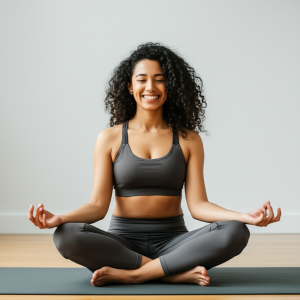
- Find a quiet spot: Sit comfortably in a chair or on the floor.
- Close your eyes gently (or soften your gaze): Notice the sounds around you, then bring your attention to your breath.
- Focus on your breath: Feel the air entering and leaving your body. Don’t try to change it, just observe.
- Acknowledge wandering thoughts: It’s natural for your mind to wander. When you notice a thought, gently acknowledge it without judgment and then guide your attention back to your breath.
- Start small: Begin with 5 minutes and gradually increase the time as you feel comfortable.
There are many free guided meditations available online (YouTube, apps like Calm or Headspace often have free introductory sessions) that can help you get started. Making mindfulness a regular part of your routine is one of the most transformative easy ways to practice stress control at home.
4. Creating a "Calm Corner" or Ritual: Design Your Sanctuary
Your environment significantly impacts your mood and stress levels. Designating a specific "calm corner" or establishing a relaxing ritual are wonderful easy ways to practice stress control at home by intentionally shaping your surroundings and routines.
Why it Works: Having a dedicated space or a consistent ritual signals to your brain that it’s time to relax and let go of stress. It creates a psychological buffer against the demands of the day, allowing you to transition into a state of peace.
Ideas for Your Calm Corner:
- Comfort: A cozy blanket, soft cushions, or a comfortable chair.
- Sensory Elements:
- Sight: Soft lighting (a dim lamp, fairy lights, or candles – safely placed), a pleasing plant, or a calming piece of art.
- Sound: A small water fountain, a white noise machine, or soft, instrumental music.
- Smell: An essential oil diffuser with calming scents like lavender or chamomile, or a scented candle.
- Tools: Keep a journal, a favorite book, or a meditation cushion nearby.
Establishing a Calming Ritual:
- Morning Ritual: Start your day with 10 minutes of quiet contemplation, stretching, or reading before diving into tasks.
- Evening Wind-Down: Create a routine to help you transition from the day’s stresses to restful sleep. This might include a warm bath, herbal tea, gentle stretching, and avoiding screens for an hour before bed.
These small, intentional changes to your environment and routine can serve as powerful anchors for stress control, reinforcing the idea that your home is a place of peace.
5. Engaging in Hobbies & Creative Expression: Find Your Flow
When you’re deeply engrossed in an activity you enjoy, time can seem to fly by, and worries often fade into the background. Engaging in hobbies and creative expression offers fantastic easy ways to practice stress control at home by shifting your focus and fostering a sense of accomplishment and joy.
How it Helps: Hobbies provide a healthy distraction from stressors and can induce a "flow state," where you are fully immersed in an activity, leading to a feeling of energized focus and enjoyment. Creative activities allow for self-expression, which can be a powerful emotional release. This can help you process feelings and gain perspective. Mayo Clinic highlights how hobbies can be effective stress relievers: https://www.mayoclinic.org/healthy-lifestyle/stress-management/in-depth/stress-relief/art-20040776
Ideas for At-Home Hobbies:
- Art & Craft: Drawing, painting, knitting, crocheting, pottery (if you have the space), scrapbooking, or adult coloring books.
- Music: Playing an instrument, singing, or simply listening to your favorite calming music.
- Writing: Creative writing, poetry, or even just jotting down thoughts.
- Gardening: Tending to indoor plants, starting seeds, or creating a small container garden on a balcony.
- Cooking/Baking: The mindful process of following a recipe and creating something delicious can be very therapeutic.
- Puzzles & Games: Jigsaw puzzles, board games (with family members), or even mindful video games can be engaging.
Choose an activity that genuinely interests you and allows you to feel present and engaged. It doesn’t have to be perfect; the process itself is the reward. Dedicating time to these pursuits is one of the most enjoyable easy ways to practice stress control at home.
6. The Power of Journaling: Unpack Your Thoughts
Sometimes, stress can feel overwhelming because our thoughts are swirling endlessly in our minds. Journaling is an incredibly effective and accessible tool, providing one of the most profound easy ways to practice stress control at home by helping you organize and process these thoughts and feelings.
How it Helps: Putting your thoughts onto paper can create distance from them, allowing you to see situations more clearly. It can help you identify patterns, recognize triggers, and even uncover solutions you hadn’t considered. Expressive writing is known to support emotional regulation and problem-solving skills.
Simple Journaling Techniques:
- Free-Writing: Simply write whatever comes to mind without censoring yourself. Don’t worry about grammar or spelling; just let the words flow for 5-10 minutes.
- Gratitude Journaling: List three to five things you are grateful for each day. This practice can shift your perspective towards positivity and appreciation.
- Stress Dump: If you’re feeling particularly overwhelmed, write down everything that’s stressing you out. Once it’s on paper, you can often feel a sense of release and then start to prioritize or brainstorm solutions.
- Prompt-Based Journaling: Use prompts to guide your writing, such as:
- "What’s on my mind right now?"
- "What emotions am I feeling, and why?"
- "What’s one small step I can take today to feel better?"
You don’t need a fancy journal; any notebook will do. The act of regularly externalizing your internal world can be a powerful form of self-care and one of the most impactful easy ways to practice stress control at home.
7. Connecting with Nature (Even Indoors): Biophilia at Home
Even if you can’t get out into a sprawling park every day, you can still reap the calming benefits of nature right within your living space. Connecting with nature is one of the most soothing easy ways to practice stress control at home, tapping into our innate human connection to the natural world, a concept known as biophilia.
How it Helps: Exposure to natural elements is known to reduce stress, improve mood, and even enhance cognitive function. The sights, sounds, and even presence of nature can have a profoundly calming effect on our nervous systems. The World Health Organization (WHO) emphasizes the importance of green spaces for mental well-being: https://www.who.int/news-room/feature-stories/detail/nature-s-prescription-for-health
Simple Ways to Bring Nature Indoors:
- Houseplants: Bring in a few houseplants. Caring for them can be a meditative practice, and they can improve air quality and add a touch of green tranquility to your space. Choose low-maintenance options if you’re a beginner.
- Window Views: Take a few moments each day to simply look out a window. Observe the sky, trees, birds, or whatever natural elements are visible.
- Nature Sounds: Play nature soundscapes – ocean waves, birdsong, or gentle rain – to create a calming auditory environment.
- Natural Light: Open curtains and blinds to let in as much natural light as possible. Sunlight helps regulate circadian rhythms and can boost mood.
- Natural Decor: Incorporate natural elements into your decor, such as wooden textures, stones, shells, or dried flowers.
Even small gestures can help you feel more connected to the natural world, providing a sense of grounding and peace. This gentle connection is a truly effective and easy way to practice stress control at home.
Beyond the Techniques: Holistic Support for Your Well-being
While these seven techniques offer wonderful easy ways to practice stress control at home, remember that stress management is often a holistic endeavor. These practices can be significantly supported by paying attention to other fundamental aspects of your well-being:
- Prioritize Sleep: Adequate, restful sleep is crucial for your body’s ability to cope with stress. Aim for 7-9 hours each night.
- Nourish Your Body: A balanced diet rich in whole foods can provide the nutrients your body needs to function optimally and manage stress.
- Stay Hydrated: Dehydration can sometimes mimic symptoms of stress, so ensure you’re drinking enough water throughout the day.
- Connect with Others: Even from home, maintain connections with friends and family. A supportive social network is a powerful buffer against stress.
- Limit Stimulants: Be mindful of your intake of caffeine and sugar, which can sometimes exacerbate feelings of anxiety.
These foundational elements, combined with the practical techniques discussed, create a robust framework for managing stress effectively from your home base.
Your Journey to Calm Starts Today
Learning easy ways to practice stress control at home is not about eliminating stress entirely – that’s often an unrealistic goal. Instead, it’s about developing resilience, cultivating inner peace, and having a toolkit of strategies to draw upon when life gets challenging.
Start small. Pick one or two techniques from this list that resonate most with you and commit to practicing them regularly, even if it’s just for a few minutes a day. Consistency is more important than intensity. Over time, you’ll likely notice a significant shift in your ability to handle stress, your overall mood, and your sense of well-being.
Your home is your sanctuary, and with these simple yet powerful practices, you have everything you need to transform it into a haven of calm. Embrace these easy ways to practice stress control at home, and embark on a journey towards a more peaceful, centered you.