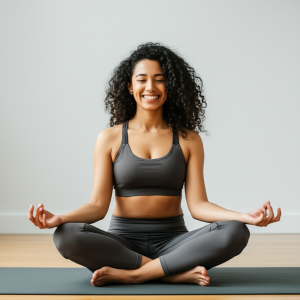
Embarking on a Beginner guide to flexibility journey can be one of the most rewarding steps you take towards enhancing your overall well-being and daily comfort. Many people believe that flexibility is something you’re either born with or not, or that it’s only for athletes and yogis. But the wonderful truth is, everyone can improve their flexibility, regardless of age, current fitness level, or past experience. This comprehensive guide is designed to gently introduce you to the world of stretching, helping you understand its benefits and providing a safe, effective roadmap to get started.
What Exactly is Flexibility and Why Does it Matter So Much?
At its core, flexibility refers to the range of motion in your joints and the ability of your muscles to lengthen. It’s not about being able to do a full split (unless you want to!), but rather about ensuring your body can move freely and comfortably through its natural ranges of motion. Think about simple daily tasks: reaching for something on a high shelf, tying your shoelaces, getting in and out of a car, or even just turning your head to check your blind spot while driving. These all require a degree of flexibility.
For beginners, understanding why flexibility matters is a huge motivator. It’s not just about feeling less stiff; it’s about supporting a more comfortable, active, and potentially more enjoyable life. Improved flexibility is known to contribute to better posture, which can help alleviate common aches and stiffness in the neck and back. It can also support better balance and coordination, which are crucial for navigating daily life safely, especially as we age. Furthermore, regular, gentle stretching can help muscles feel more relaxed, which may support a sense of calm and well-being.
Dispelling Common Myths: You Can Become More Flexible!
Before we dive into the practical steps, let’s address some common misconceptions that might be holding you back:
- Myth 1: "I’m not naturally flexible." While some people may have a genetic predisposition for greater flexibility, everyone can improve their range of motion with consistent, gentle effort. It’s a skill, like any other, that can be developed over time.
- Myth 2: "Flexibility is only for specific activities like yoga or gymnastics." While these activities certainly showcase impressive flexibility, the benefits extend to all aspects of life. From gardening to playing with children, from sitting comfortably at a desk to enjoying a walk, flexibility is your friend.
- Myth 3: "Stretching is boring or painful." Stretching should never be painful! Our Beginner guide to flexibility emphasizes gentle, mindful movements. It can actually be a very relaxing and mindful practice, a chance to connect with your body.
Getting Started: Essential Tips for Your Flexibility Journey
Embarking on a journey to improve your flexibility doesn’t require expensive equipment or a gym membership. It simply requires a little time, patience, and consistency. Here are some fundamental tips to set you up for success:
- Listen to Your Body: This is perhaps the most crucial tip. Your body will give you signals. A gentle pull or mild tension is okay, but never stretch into pain. Pain is your body’s way of saying "stop."
- Consistency is Key: A few minutes every day or most days is far more effective than one long, intense session once a week. Aim for short, regular flexibility sessions.
- Warm Up First: Never stretch cold muscles. A 5-10 minute light warm-up, like marching in place, light arm circles, or a brisk walk, helps increase blood flow to your muscles, making them more pliable and less prone to strain. You can find more information on the importance of warming up for physical activity on authority sites like Mayo Clinic.
- Breathe Deeply: As you stretch, breathe slowly and deeply. Inhale to prepare, and as you exhale, gently deepen the stretch. Holding your breath can create tension, which is counterproductive.
- Hold Stretches Appropriately: For static stretches (holding a position), aim to hold each stretch for 20-30 seconds. Repeat 2-3 times.
- Be Patient: Flexibility gains don’t happen overnight. Celebrate small improvements and trust the process.
The Ultimate 5-Step Beginner Guide to Flexibility Program
This structured approach is designed to be accessible and effective for anyone just starting out. Remember to perform these movements gently and with awareness.
Step 1: Gentle Warm-Up (5-10 minutes)
Before any stretching, get your blood flowing. This could include:
- Light Marching or Jogging in Place: 2-3 minutes.
- Arm Circles: Slowly make large circles forward and backward with your arms, 10-15 times each direction.
- Torso Twists: Stand with feet shoulder-width apart, gently twist your torso from side to side, letting your arms swing freely. Keep your hips relatively stable. 10-15 twists each side.
- Leg Swings (Gentle): Hold onto a wall or chair for support. Gently swing one leg forward and backward, then side to side. 10-15 swings each direction, per leg.
This warm-up prepares your muscles and joints for the stretches to follow, making your Beginner guide to flexibility safe and more effective.
Step 2: Static Stretches for Beginners (Hold each for 20-30 seconds, 2-3 repetitions)
These stretches are held in a stationary position and are excellent for gently increasing your range of motion.
-
Hamstring Stretch (Seated or Standing):
- Seated: Sit on the floor with one leg extended straight out, foot flexed. Bend the other knee, placing the sole of your foot against the inner thigh of your extended leg. Keeping your back straight, gently lean forward from your hips towards your extended foot until you feel a gentle pull in the back of your thigh.
- Standing: Stand with one heel slightly in front of you, toes pointed up. Keeping your back straight and a slight bend in your back knee, gently hinge forward at your hips, resting your hands on your bent thigh for support.
- Focus: Back of the thigh.
-
Quadriceps Stretch (Standing):
- Stand tall, holding onto a wall or chair for balance if needed. Bend one knee and grab your ankle or foot with the hand on the same side. Gently pull your heel towards your glutes, keeping your knees close together and your hips pointing forward. You should feel a stretch in the front of your thigh.
- Focus: Front of the thigh.
-
Calf Stretch (Against a Wall):
- Stand facing a wall, about arm’s length away. Place your hands on the wall at shoulder height. Step one foot back, keeping that leg straight and your heel on the ground. Bend your front knee, leaning into the wall until you feel a stretch in your back calf. To target a different part of the calf, bend the back knee slightly.
- Focus: Lower back leg.
-
Triceps Stretch (Overhead):
- Raise one arm straight overhead. Bend your elbow, letting your hand drop behind your head. Use your other hand to gently push down on the elbow of the raised arm, guiding it further down your back. You should feel the stretch in the back of your upper arm.
- Focus: Back of the upper arm.
-
Shoulder/Chest Stretch (Doorway or Arm Across Body):
- Doorway: Stand in a doorway, place your forearms on each side of the frame, elbows bent at 90 degrees. Gently step forward, letting your chest open.
- Arm Across Body: Gently bring one arm across your chest. Use your other hand to support the elbow, gently pulling the arm closer to your body. Keep your shoulder relaxed.
- Focus: Shoulders and chest.
-
Side Bend (Standing):
- Stand tall with your feet shoulder-width apart. Raise one arm overhead. Gently bend your torso to the opposite side, reaching with your raised arm. Keep your hips stable and avoid twisting. You should feel a stretch along your side.
- Focus: Sides of the torso.
Remember, for each of these stretches in your Beginner guide to flexibility, move slowly and stop if you feel any sharp pain. Over time, you may find you can gently deepen the stretch.
Step 3: Dynamic Movements (Optional but Helpful)
While static stretches are great for increasing range of motion, dynamic stretches involve movement and are often performed before an activity to prepare the body. For a dedicated flexibility session, they can be a great way to warm down or gently explore your range of motion. Examples include:
- Cat-Cow Stretch (on hands and knees): Arch your back and drop your belly towards the floor (cow), then round your spine towards the ceiling (cat).
- Spinal Twists (seated or lying down): Gently twist your torso.
- Ankle Rotations, Wrist Circles, Neck Rolls (slow and gentle): Small, controlled movements to articulate joints.
These dynamic movements can complement your static stretching routine, further enhancing your overall flexibility.
Step 4: Cool Down & Relaxation (5 minutes)
After your stretching, it’s beneficial to cool down. This helps your muscles return to their resting length and promotes relaxation.
- Gentle Movement: A slow, easy walk for a few minutes.
- Deep Breathing: Sit or lie comfortably. Close your eyes and focus on slow, deep breaths. Inhale deeply through your nose, feeling your belly rise, and exhale slowly through your mouth. This can help calm your nervous system and support muscle relaxation.
- Child’s Pose (Yoga): If comfortable, kneel on the floor, sit your hips back towards your heels, and extend your arms forward, resting your forehead on the floor. This is a wonderfully restorative stretch.
Step 5: Consistency and Patience: The True Keys to Lasting Flexibility
You’ve got the steps, now it’s about making it a habit. This Beginner guide to flexibility isn’t just about the exercises; it’s about fostering a consistent routine and a patient mindset.
- Schedule It: Just like any other important appointment, schedule your flexibility sessions. Even 10-15 minutes a few times a week can make a significant difference.
- Find Your "Why": Remind yourself of the benefits. Is it to feel less stiff in the mornings? To improve your posture? To move more freely in your hobbies?
- Celebrate Progress: Notice how you feel. Can you reach a little further? Do you feel less tension? Acknowledge these small victories.
Making Flexibility a Habit: Integrating it into Your Daily Routine
You don’t always need a dedicated "flexibility session." You can sprinkle movements throughout your day:
- Morning Wake-Up: A few gentle stretches in bed before you even get up can set a positive tone for your day.
- Desk Stretches: If you have a sedentary job, take frequent micro-breaks to stretch your neck, shoulders, and wrists. Stand up and do a gentle side bend or hamstring stretch.
- Evening Wind-Down: A short, gentle stretching routine before bed can help release tension from the day and prepare your body for rest.
Important Safety Considerations
While this Beginner guide to flexibility is designed to be safe and supportive, it’s essential to prioritize your well-being:
- Never Force a Stretch: As mentioned, pain is a signal to stop. A gentle pull is fine; sharp or intense pain is not.
- Avoid Bouncing: Bouncing into a stretch can activate the stretch reflex, causing muscles to contract rather than lengthen, and potentially leading to injury. Always move slowly and hold static stretches.
- Stay Hydrated: Water is essential for muscle health and elasticity.
- Consult a Professional: If you have any pre-existing health conditions, injuries, or concerns about starting a new flexibility routine, it’s always a good idea to speak with a healthcare professional or a qualified fitness instructor. They can provide personalized advice and ensure the exercises are appropriate for your specific needs. General health and exercise guidelines can also be found on reputable sites like WebMD.
The Long-Term Benefits of Your Flexibility Journey
Committing to this Beginner guide to flexibility can bring a wealth of positive changes to your life. Beyond the immediate relief of stiffness, regular stretching is known to contribute to a greater sense of bodily awareness, improved coordination, and a general feeling of ease in movement. It can support the health of your joints, potentially helping them maintain a good range of motion over time. Furthermore, the mindful practice of stretching can be a wonderful way to reduce everyday stress, offering a moment of quiet focus in your busy day. Many people find that improved physical comfort translates into a more positive mental outlook and greater capacity for daily activities.
Conclusion: Embrace Your Journey to a More Flexible You!
Starting your flexibility journey can feel like a big step, but with this Beginner guide to flexibility, you have a clear, safe, and supportive path forward. Remember that flexibility is not about achieving extreme poses, but about improving your body’s ability to move comfortably and efficiently in your everyday life. Be kind to your body, listen to its signals, and celebrate every small improvement. With consistency and patience, you’ll soon discover the incredible feeling of a more limber, comfortable, and healthier you. So, roll out a mat, take a deep breath, and begin to unlock your amazing potential – your body will thank you for it!