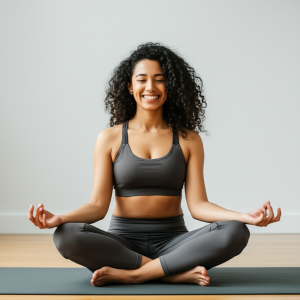
Discovering easy ways to practice meditation at home can be a truly transformative journey, offering a simple path to more peace and clarity in your daily life. In our busy modern world, finding moments of quiet calm can feel like a luxury, but it doesn’t have to be. Meditation is a practice that’s accessible to everyone, and you don’t need a special studio or extensive training to begin. Your own home, with its familiar comforts, provides the perfect sanctuary to start exploring the incredible benefits of mindfulness and meditation.
This article is designed to be your friendly guide, showing you that practicing meditation at home is not only achievable but can also be wonderfully simple and deeply rewarding. We’ll explore various techniques that are easy to pick up, require no special equipment, and can be integrated into even the busiest schedules. Get ready to learn some truly easy ways to practice meditation at home and cultivate a deeper sense of well-being right where you are.
Why Meditate at Home? The Comfort of Your Own Space
One of the greatest advantages of embracing easy ways to practice meditation at home is the sheer convenience and comfort it offers. There’s no need to travel, no specific class times to adhere to, and no pressure to perform in front of others. You can practice in your pajamas, at any time of day or night, and create an environment that feels perfectly supportive for your journey.
Your home is your personal sanctuary, a place where you can feel safe, relaxed, and completely yourself. This makes it an ideal setting to explore the depths of your inner world without external distractions or judgments. Plus, by establishing a home practice, you’re building a sustainable habit that can truly become a cornerstone of your daily routine.
Preparing for Your Home Meditation Practice
Before diving into the techniques, a little preparation can go a long way in making your meditation experience more enjoyable and effective. Remember, the goal here is simplicity and ease, so don’t feel overwhelmed by these suggestions – they are simply guidelines to help you create a welcoming space.
Find Your Quiet Nook
You don’t need a dedicated meditation room. A corner of your bedroom, a quiet spot in your living room, or even a comfortable chair can become your meditation space. The key is to find a spot where you feel you can minimize distractions.
Get Comfortable
Comfort is crucial when learning easy ways to practice meditation at home. Whether you prefer sitting on a cushion, a chair with back support, or even lying down (though be mindful of falling asleep!), ensure your body feels relaxed. Wear loose, comfortable clothing that doesn’t restrict your breath or movement.
Minimize Distractions
Turn off your phone or put it on silent. Let family members know you’ll be taking some quiet time. If possible, dim the lights or use natural light. A clean and uncluttered space can also help to create a calmer mental environment.
Set an Intention (Optional, but Helpful)
Before you begin, take a moment to consider why you’re meditating today. Is it to find calm, reduce stress, or simply be present? Having a gentle intention can help focus your mind, but don’t worry if it shifts or if you forget – just return to the present moment.
Exploring 7 Wonderful & Easy Ways to Practice Meditation at Home
Now, let’s explore some of the most accessible and easy ways to practice meditation at home. These techniques are perfect for beginners and can be adapted to fit your schedule, whether you have 5 minutes or 30.
1. Mindful Breathing Meditation
Mindful breathing is often the first technique taught to beginners, and for good reason: it’s incredibly simple and powerful. Your breath is always with you, making it an ever-present anchor to the present moment.
How to Practice:
- Find a comfortable seated position.
- Close your eyes gently or soften your gaze.
- Bring your attention to your breath. Notice the sensation of air entering and leaving your body.
- You might feel your belly rising and falling, the air moving through your nostrils, or the subtle sensations in your chest.
- Don’t try to change your breath; simply observe it as it is.
- When your mind wanders (and it will!), gently acknowledge the thought, and then kindly guide your attention back to the breath.
Why it’s Easy: It requires absolutely no special tools, just your awareness. It’s a fundamental technique that can be done anywhere, anytime.
2. Body Scan Meditation
A body scan meditation involves systematically bringing your awareness to different parts of your body, noticing any sensations without judgment. This practice can help you connect with your physical self and release tension.
How to Practice:
- Lie down comfortably on your back or sit upright in a chair.
- Close your eyes gently.
- Begin by bringing your awareness to your toes. Notice any sensations – warmth, coolness, tingling, pressure.
- Slowly move your awareness up through your feet, ankles, calves, knees, thighs, and so on, working your way up your entire body.
- As you focus on each area, simply observe what you feel. If you notice tension, imagine your breath softening and releasing it.
- If your mind wanders, gently guide it back to the part of the body you were focusing on.
Why it’s Easy: It’s a gentle, self-paced practice that helps you tune into your body. It’s one of the most relaxing and easy ways to practice meditation at home.
3. Walking Meditation (Indoors)
You don’t need a vast garden to practice walking meditation. You can do this in a hallway, a large room, or even just a few steps back and forth. This technique brings mindfulness into movement.
How to Practice:
- Find a clear path of about 10-15 feet indoors.
- Begin walking slowly and deliberately.
- Bring your attention to the sensations of walking: the lifting of your foot, the forward movement, the placement of your heel, then the ball of your foot, and finally your toes as your foot meets the ground.
- Notice the gentle sway of your body, the feeling of gravity, and the rhythm of your steps.
- If thoughts arise, acknowledge them and gently return your attention to the physical sensations of walking.
- When you reach the end of your path, pause, turn around, and continue.
Why it’s Easy: It integrates mindfulness into a natural activity, making it one of the more dynamic and easy ways to practice meditation at home.
4. Loving-Kindness (Metta) Meditation
This beautiful practice involves cultivating feelings of warmth, kindness, and compassion towards yourself and others. It’s a wonderful way to foster positive emotions.
How to Practice:
- Sit comfortably with your eyes closed or a soft gaze.
- Begin by silently repeating phrases of loving-kindness towards yourself. For example:
- "May I be happy."
- "May I be healthy."
- "May I be safe."
- "May I live with ease."
- As you repeat these phrases, try to connect with the feeling behind them.
- Next, extend these wishes to someone you love and care for.
- Then, to someone you feel neutral about.
- Finally, to someone you might find challenging, and then to all beings everywhere.
- If your mind wanders, gently return to the phrases.
Why it’s Easy: It’s a heart-centered practice that focuses on simple, positive affirmations. It can be a very uplifting and easy way to practice meditation at home.
5. Guided Meditation (Apps & Videos)
For many beginners, guided meditations are among the most effective and easy ways to practice meditation at home. An instructor’s voice can provide gentle guidance, making it easier to stay focused and learn the ropes.
How to Practice:
- Choose a meditation app (like Calm, Headspace, Insight Timer) or find guided meditation videos on platforms like YouTube.
- Select a meditation that appeals to you – perhaps one focused on stress relief, sleep, or general mindfulness.
- Find a comfortable spot, put on headphones if you wish, and simply follow the instructions of the guide.
- Allow the guide’s voice to lead you through the practice, whether it’s focusing on breath, body sensations, or visualizations.
Why it’s Easy: It takes the guesswork out of meditating. The guidance helps you stay present and learn various techniques without needing to remember steps. This is truly one of the most accessible and easy ways to practice meditation at home. You can find excellent resources on the benefits of meditation and mindfulness on authority sites like Mayo Clinic. Learn more about meditation and its benefits from Mayo Clinic.
6. Mindful Eating or Drinking
You eat and drink every day, so why not turn one of these everyday activities into a meditative practice? Mindful eating involves bringing full awareness to the experience of consuming food or drink.
How to Practice:
- Choose a small piece of food (like a raisin, a berry, or a bite of a meal) or a sip of a drink.
- Before you take a bite or sip, observe it with all your senses. Look at its color, shape, and texture.
- Bring it to your nose and notice its aroma.
- Slowly bring it to your mouth. Notice the sensation of it entering your mouth.
- Take a bite or a sip. Notice the texture, the flavors as they unfold, and how they change.
- Chew slowly and deliberately, paying attention to the sounds and sensations.
- Notice the urge to swallow, and then the sensation of the food or drink moving down your throat.
- Repeat for a few bites or sips.
Why it’s Easy: It integrates meditation into an essential daily activity, making it a practical and easy way to practice meditation at home.
7. Gratitude Meditation
Focusing on gratitude is a powerful way to shift your perspective and cultivate positive emotions. This meditation helps you intentionally acknowledge the good things in your life.
How to Practice:
- Sit comfortably or lie down.
- Close your eyes or soften your gaze.
- Bring to mind three to five things you are genuinely grateful for. They can be big things (your health, your family) or small things (a warm cup of tea, a sunny window, the comfort of your bed).
- As you think of each item, allow yourself to truly feel the gratitude in your heart. Dwell on the positive emotions associated with each one.
- You might silently repeat phrases like, "I am grateful for " or "Thank you for ."
- If your mind wanders, gently bring it back to thinking about something you are grateful for.
Why it’s Easy: It’s a simple, heartwarming practice that can quickly boost your mood and perspective, making it one of the most enjoyable and easy ways to practice meditation at home.
Tips for a Consistent Home Meditation Practice
Starting is often the easiest part; consistency can be the challenge. Here are some friendly tips to help you maintain your practice of easy ways to practice meditation at home:
- Start Small: Even 5 minutes a day can make a difference. Don’t feel pressured to meditate for long periods, especially when you’re just beginning. Small, consistent efforts build lasting habits.
- Be Patient and Kind to Yourself: Your mind will wander. You might feel restless or bored. This is completely normal! The practice isn’t about stopping thoughts; it’s about noticing them and gently returning your attention. Treat yourself with compassion.
- Find Your Best Time: Experiment with different times of day. Some people prefer morning meditation to set a positive tone, while others find evening meditation helps them unwind.
- Consistency Over Duration: Meditating for 5-10 minutes every day is often more beneficial than one long session once a week.
- No Judgment: There’s no "right" or "wrong" way to meditate. Every session is different, and that’s okay. Release expectations and simply observe your experience.
- Journal Your Experience: After your meditation, you might find it helpful to jot down any insights, feelings, or challenges you encountered. This can help you track your progress and understand your practice better.
- Explore Resources: Don’t hesitate to use the many free resources available online. Many websites, like WebMD, offer general information and guidance on meditation and its potential benefits for stress and overall well-being. Discover more about meditation and its health benefits from WebMD.
Common Questions About Practicing Meditation at Home
As you embrace these easy ways to practice meditation at home, you might have some questions. Here are a few common ones:
- "What if my mind won’t stop thinking?" This is the most common experience! The goal isn’t to empty your mind, but to observe your thoughts without getting carried away by them. Each time you notice your mind has wandered, gently bring your attention back to your anchor (like your breath). This act of returning is the meditation itself.
- "How long should I meditate for?" Start with what feels comfortable, even if it’s just 2-3 minutes. Gradually increase the time as you feel ready. Many people find 10-20 minutes to be a sweet spot, but any amount of time is beneficial.
- "Do I need special equipment?" Absolutely not! While cushions and mats can enhance comfort, all you truly need is a quiet space and a comfortable position. Your body and your breath are your primary tools.
- "Is meditation a religious practice?" While meditation is a component of many spiritual traditions, secular mindfulness meditation is a widely practiced technique for mental well-being and stress reduction, independent of any religious belief.
- "Can meditation help with stress?" Many people find that a regular meditation practice can help manage feelings of stress and promote a greater sense of calm. It’s known to support emotional regulation and overall well-being.
The Wonderful Benefits of Regular Home Meditation
While we must avoid making medical claims, a consistent meditation practice, using these easy ways to practice meditation at home, is known to offer a wealth of wonderful benefits that can enhance your daily life:
- Can help reduce feelings of stress and anxiety: By cultivating present-moment awareness, meditation may support a more balanced response to life’s challenges.
- May support emotional well-being: Regular practice can help you become more aware of your emotions, leading to greater emotional resilience and a more positive outlook.
- Is known to enhance focus and concentration: Training your mind to return to an anchor point strengthens your ability to pay attention.
- Can promote a sense of calm and inner peace: Taking time for quiet reflection can create a valuable mental space for relaxation and tranquility.
- May improve self-awareness: Meditation encourages you to observe your thoughts and feelings, leading to a deeper understanding of yourself.
These benefits contribute to a healthier, more balanced lifestyle. The World Health Organization (WHO) emphasizes the importance of mental health and well-being as integral to overall health, and practices like meditation can play a supportive role in this. Explore the World Health Organization’s resources on mental health.
Embrace Your Journey to Calm at Home
Embarking on a meditation journey doesn’t have to be complicated or intimidating. By focusing on easy ways to practice meditation at home, you’re giving yourself a powerful gift: the ability to cultivate peace, presence, and well-being within the comfort of your own space. Whether you choose mindful breathing, a gentle body scan, or a guided session, each moment you dedicate to your practice is an investment in your inner calm.
Remember to approach your practice with kindness, patience, and a sense of curiosity. There’s no perfect way to meditate, only your way. So, take a deep breath, choose one of these simple techniques, and begin to unlock the wonderful potential of meditation right where you are. Your journey to a more peaceful, mindful life starts now, and it’s easier than you think.