Embarking on a journey to enhance your body’s range of motion through natural methods for flexibility improvement can be a truly rewarding experience, opening doors to greater comfort, ease of movement, and overall well-being. Whether you’re aiming to touch your toes, reach that top shelf with less strain, or simply feel more limber throughout your day, boosting your flexibility naturally is an achievable goal for almost anyone. This comprehensive guide will walk you through accessible, safe, and supportive strategies to help you cultivate a more flexible body, all while embracing a positive and gentle approach.
Why Flexibility Matters: More Than Just Touching Your Toes
Before we dive into the specific natural methods, let’s briefly consider why flexibility is so valuable. It’s not just about impressive yoga poses or athletic feats; improved flexibility can positively impact your daily life in countless ways. It may support better posture, can help reduce feelings of stiffness, and is known to contribute to a greater sense of physical freedom. When your muscles and joints can move through their full range of motion without restriction, everyday tasks become easier, and you might even discover new activities you enjoy. It’s about feeling good in your own skin and moving with grace and ease.
Exploring Natural Methods for Flexibility Improvement
Ready to get started? Here are some fantastic, natural ways to gently and effectively enhance your body’s flexibility. Remember, consistency and listening to your body are your best allies on this journey.
1. The Power of Stretching: Static, Dynamic, and PNF
Stretching is perhaps the most well-known of all natural methods for flexibility improvement, and for good reason. It directly targets muscle length and joint range of motion. There are several types of stretching, each offering unique benefits:
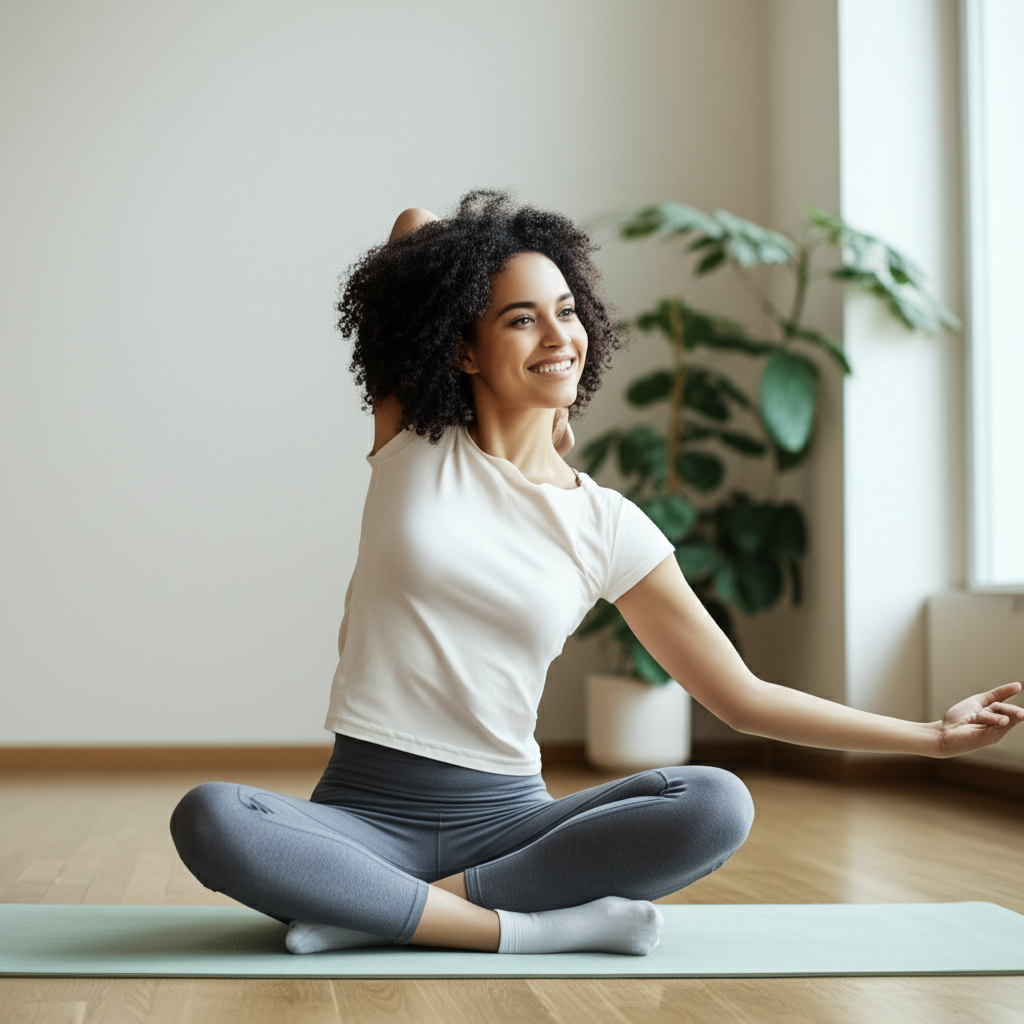
- Static Stretching: This involves holding a stretch for a period (typically 20-30 seconds) at the point of mild tension, not pain. It’s best performed when your muscles are already warm, perhaps after a light walk or at the end of a workout. Examples include holding a hamstring stretch or a triceps stretch. Static stretching can help gradually lengthen muscles and increase passive range of motion. It’s a wonderful way to unwind and gently encourage your muscles to release tension.
- Dynamic Stretching: Unlike static stretching, dynamic stretching involves moving your body through a range of motion in a controlled manner. Think arm circles, leg swings, or torso twists. These movements prepare your muscles and joints for activity by increasing blood flow and mimicking movements you might perform during exercise. Dynamic stretching is often recommended as part of a warm-up routine.
- Proprioceptive Neuromuscular Facilitation (PNF) Stretching: This advanced technique often involves contracting and then relaxing a muscle before stretching it. While highly effective, it’s often best learned with guidance from a qualified instructor to ensure proper technique and safety.
Tips for Safe Stretching:
- Always warm up your muscles with 5-10 minutes of light cardio before static stretching.
- Never stretch to the point of pain; mild tension is the goal.
- Breathe deeply and evenly throughout each stretch.
- Consistency is key – a little bit often is more effective than a lot occasionally.
To learn more about safe stretching practices, you can visit the Mayo Clinic’s guidelines on stretching: Mayo Clinic – Stretching
2. Embrace the Flow with Yoga
Yoga is a holistic practice that combines physical postures (asanas), breathing techniques (pranayama), and meditation. It’s an incredibly effective and revered one of the natural methods for flexibility improvement because it not only lengthens muscles but also strengthens supporting tissues, improves balance, and cultivates body awareness.
Different styles of yoga offer varying intensities and focuses:
- Hatha Yoga: Often slower-paced, focusing on holding poses for several breaths. It’s excellent for beginners looking to build foundational flexibility and learn proper alignment.
- Vinyasa Yoga: Characterized by flowing sequences of poses linked with breath. This dynamic style can build heat, improve cardiovascular health, and increase both flexibility and strength.
- Restorative Yoga: Uses props like bolsters, blankets, and blocks to support the body in gentle, long-held poses. It’s designed to promote deep relaxation and can help release chronic tension, indirectly improving flexibility.
Yoga’s emphasis on linking movement with breath can help calm the nervous system, which in turn can allow muscles to relax more deeply and release built-up tension. Regular practice can lead to remarkable improvements in your body’s overall suppleness and resilience.
For more on the health benefits of yoga, WebMD offers insightful information: WebMD – Yoga Health Benefits
3. Cultivate Core Strength and Suppleness with Pilates
Pilates is a system of exercises developed by Joseph Pilates, focusing on strengthening the core muscles (abdomen, lower back, hips, and glutes). While often associated with core strength, Pilates is also a fantastic way to boost flexibility and improve posture. The controlled, precise movements in Pilates encourage a full range of motion in the joints and lengthen muscles as they strengthen.
By emphasizing spinal articulation and controlled breathing, Pilates can help to:
- Improve overall body awareness.
- Increase the flexibility of the spine and hamstrings.
- Strengthen the deep stabilizing muscles that support your joints, allowing for safer and more efficient movement.
- Enhance coordination and balance.
Many of the exercises, whether performed on a mat or with specialized equipment, involve reaching, extending, and twisting, all of which contribute to a more pliable and responsive body. It’s a wonderful complement to other natural methods for flexibility improvement.
4. Discover Gentle Movement with Tai Chi
Tai Chi, an ancient Chinese martial art, is often described as "meditation in motion." It involves a series of slow, continuous, and graceful movements that flow from one to the next. This practice is incredibly beneficial for flexibility, balance, and mental well-being, especially for those seeking a low-impact approach.
The gentle, circular motions of Tai Chi encourage:
- Increased range of motion in joints, particularly the hips, knees, and shoulders.
- Improved muscle elasticity through sustained, soft movements.
- Enhanced body awareness and coordination.
- Stress reduction, which can help muscles release chronic tension.
Tai Chi is accessible to people of all ages and fitness levels and can be a beautiful way to connect with your body and foster a greater sense of ease in movement. It’s a truly gentle yet effective approach among the natural methods for flexibility improvement.
The World Health Organization (WHO) highlights the importance of physical activity for health, which includes practices like Tai Chi: WHO – Physical Activity
5. Self-Myofascial Release (SMR) with Foam Rolling
Sometimes, tight muscles aren’t just short; they can also have knots or trigger points that restrict movement. Self-myofascial release (SMR) techniques, often performed with a foam roller or a massage ball, are fantastic natural methods for flexibility improvement by addressing these specific areas of tension.
SMR works by applying pressure to sore spots, which can help to:
- Break up adhesions in the fascia (the connective tissue surrounding muscles).
- Increase blood flow to the area, promoting healing and relaxation.
- Improve muscle pliability and reduce stiffness.
- Enhance your overall range of motion by releasing specific tight spots.
When using a foam roller, simply roll slowly over a muscle group until you find a tender spot. Hold pressure on that spot for 20-30 seconds, allowing the muscle to relax. It might feel a bit intense at first, but with consistent practice, you’ll likely notice a significant difference in how your muscles feel and move.
6. Nourish Your Body: Hydration and Nutrition
While not a direct exercise, what you put into your body plays a crucial role in its ability to be flexible and resilient. Proper hydration and balanced nutrition are fundamental natural methods for flexibility improvement that often get overlooked.
- Hydration: Water is essential for every bodily function, including the lubrication of your joints and the elasticity of your muscles and connective tissues. Dehydrated muscles are less pliable and more prone to stiffness and injury. Aim to drink plenty of water throughout the day to keep your body well-hydrated.
- Nutrition: A diet rich in whole foods, lean proteins, healthy fats, and plenty of fruits and vegetables provides the building blocks for healthy muscles, bones, and connective tissues. Foods rich in Vitamin C, for instance, are known to support collagen production, which is vital for connective tissue health. Omega-3 fatty acids, found in fish and flaxseeds, can help manage inflammation, which might contribute to joint stiffness.
Think of your body as a well-oiled machine; providing it with the right fuel and enough liquid helps it run smoothly and move freely.
7. The Role of Mindfulness and Deep Breathing
Our mental state has a profound impact on our physical body. Stress and tension often manifest as tight muscles, making flexibility improvement more challenging. Incorporating mindfulness and deep breathing techniques can be surprisingly effective natural methods for flexibility improvement.
- Mindfulness: Being present and aware of your body’s sensations during stretching or movement practices can help you identify areas of tension and consciously release them. It encourages you to listen to your body’s signals rather than pushing through pain.
- Deep Breathing: Practices like diaphragmatic breathing (belly breathing) activate the parasympathetic nervous system, promoting relaxation. When your body is relaxed, your muscles are more likely to release tension and lengthen more effectively. Try focusing on slow, deep breaths during your stretches; inhale deeply, and as you exhale, imagine your muscles softening and lengthening.
By integrating these practices, you’re not just stretching your body; you’re also calming your mind, creating a more conducive environment for physical change and flexibility gains.
Important Considerations for Your Flexibility Journey
As you explore these natural methods for flexibility improvement, keep these supportive tips in mind:
- Listen to Your Body: This is paramount. Every body is unique, and what feels good for one person might be too intense for another. Never push into pain. A gentle stretch or mild tension is beneficial; sharp pain is a warning sign to back off.
- Consistency is Key: Flexibility is not a "one and done" achievement. Regular, consistent practice—even just 10-15 minutes a few times a week—will yield much better results than sporadic, intense sessions.
- Warm Up First: Always ensure your muscles are warm before engaging in static stretching. A few minutes of light cardio (like walking, marching in place, or gentle arm swings) will increase blood flow and make your muscles more pliable.
- Be Patient: Improving flexibility takes time and dedication. Celebrate small victories and focus on gradual progress rather than instant perfection.
- Seek Guidance When Needed: If you have specific concerns, injuries, or are unsure about proper form, consider consulting with a qualified fitness professional, yoga instructor, or physical therapist. They can provide personalized advice and ensure you are performing movements safely and effectively.
Remember, the goal is not to become a contortionist, but rather to enhance your body’s natural ability to move freely and comfortably. These natural methods for flexibility improvement are designed to be accessible and supportive for everyone.
Your Path to a More Flexible You
Embarking on a journey to improve your flexibility using natural methods is a wonderful step towards a healthier, more comfortable, and more active life. From the foundational practice of stretching to the holistic benefits of yoga and Tai Chi, and the targeted release of foam rolling, you have a wealth of tools at your fingertips. By also paying attention to your hydration, nutrition, and mental well-being, you create a comprehensive approach that supports your body from the inside out.
The beauty of these natural methods for flexibility improvement lies in their accessibility and their gentle yet powerful impact. Start today with one or two practices that resonate with you, make them a consistent part of your routine, and watch as your body gradually unfolds, allowing you to move with greater ease, confidence, and joy. Your journey to a more flexible you is just beginning, and it promises to be a wonderfully empowering adventure!