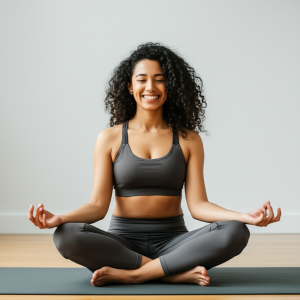
Embarking on a journey to improve your physical well-being often involves exploring daily habits to support flexibility. Flexibility, simply put, is your body’s ability to move through its full range of motion. It’s not just about touching your toes; it’s about feeling comfortable and capable in your everyday movements, whether you’re reaching for something on a high shelf, tying your shoes, or simply getting out of bed in the morning. A flexible body often feels more agile, less stiff, and can even contribute to a greater sense of ease throughout your day.
In our modern lives, many of us spend a lot of time sitting, which can lead to tightness and reduced mobility in various parts of the body. The good news is that you don’t need to be a gymnast or spend hours at the gym to make a significant difference. Small, consistent efforts, woven into your daily routine, can accumulate over time to create remarkable improvements. This article will explore practical, beginner-friendly daily habits to support flexibility, offering you a roadmap to a more mobile, comfortable, and vibrant self. We’ll delve into gentle stretches, mindful movements, and lifestyle choices that can help unlock your body’s natural range of motion, all while keeping a friendly, encouraging, and safe approach.
What is Flexibility and Why Does It Matter for You?
Imagine moving without restriction, bending with ease, and feeling a lightness in your steps. That’s the promise of good flexibility. It refers to the absolute range of movement in a joint or series of joints, and how easily your muscles can lengthen. While some people are naturally more flexible than others, it’s a quality that can be improved by nearly everyone, regardless of age or current fitness level.
So, why bother? The benefits of improved flexibility extend far beyond just being able to do a split. Regularly engaging in daily habits to support flexibility can contribute to a host of positive outcomes:
- Enhanced Ease of Movement: Everyday tasks become simpler. Reaching, bending, and twisting feel less strained.
- May Support Posture: When muscles are balanced and not overly tight, they can better support proper spinal alignment, which may contribute to improved posture.
- Potential for Reduced Stiffness: Regular movement and stretching can help keep joints lubricated and muscles pliable, which may alleviate feelings of stiffness.
- Can Contribute to Relaxation: Many flexibility practices, especially those involving deep breathing, can have a calming effect on the nervous system.
- Increased Body Awareness: Paying attention to how your body moves and feels can help you understand its signals better.
It’s important to approach flexibility with patience and kindness towards your body. The goal isn’t to force extreme positions, but to gently encourage your muscles and joints to move more freely, supporting your overall comfort and well-being.
The Core 7: Daily Habits to Support Flexibility
Ready to embark on your journey to a more flexible you? Here are seven practical and effective daily habits to support flexibility that you can start incorporating today. Remember, consistency is key, and even a few minutes each day can make a big difference over time.
1. Embrace Gentle, Consistent Stretching
Stretching is perhaps the most direct way to work on flexibility. However, it’s crucial to do it gently and regularly. Think of stretching as a conversation with your body, not a competition.
- Morning Wake-Up Stretches: Before you even get out of bed, try some gentle stretches. Reach your arms overhead, hug your knees to your chest, or do some gentle spinal twists. This can help warm up your muscles and prepare them for the day.
- Mid-Day Movement Breaks: If you have a desk job, set a timer to remind yourself to stand up and stretch every hour. Simple stretches for your neck, shoulders, chest, and hips can be incredibly beneficial.
- Evening Wind-Down Stretches: A short stretching routine before bed can help release tension from the day and prepare your body for rest. Focus on areas that tend to get tight, like hamstrings, hips, and lower back.
- Hold Stretches Safely: When performing static stretches (holding a stretch for a period), aim for a gentle pull, not pain. Hold each stretch for about 20-30 seconds, breathing deeply. You can find many safe stretching guides online, for example, WebMD offers helpful information on safe stretching techniques and their benefits. WebMD – Benefits of Stretching
2. Incorporate Mindful Movement Practices
Practices like yoga, Tai Chi, and Pilates are fantastic ways to integrate flexibility, strength, and mindfulness into one activity. They emphasize controlled movements, breath awareness, and a full range of motion.
- Yoga: Even beginner yoga classes or online tutorials can introduce you to poses that gently lengthen muscles and improve joint mobility. There are many styles, so you can find one that suits your pace and preferences.
- Tai Chi: This ancient Chinese practice involves slow, flowing movements that can enhance balance, coordination, and flexibility. It’s often described as "meditation in motion."
- Pilates: Focuses on core strength, posture, balance, and flexibility through controlled movements.
These practices can be wonderful daily habits to support flexibility because they often encourage a holistic approach to movement and well-being.
3. Stay Hydrated Throughout the Day
You might not immediately connect water intake with flexibility, but hydration plays a vital role in the health of your muscles, joints, and connective tissues. Water helps lubricate your joints and keeps your tissues pliable.
- Drink Up: Aim to drink plenty of water throughout the day. Keep a water bottle handy as a visual reminder.
- Listen to Your Body: If you feel thirsty, you’re likely already a bit dehydrated. Consistent hydration may help your body’s tissues function more optimally. The Mayo Clinic provides excellent resources on the importance of hydration for overall health. Mayo Clinic – Water: How much should you drink every day?
4. Nourish Your Body with Balanced Nutrition
A balanced diet provides the nutrients your body needs to repair and maintain healthy muscles, bones, and connective tissues. While no single food will instantly make you more flexible, a diet rich in whole foods can support your body’s ability to recover and adapt.
- Eat Your Greens: Vegetables and fruits provide vitamins, minerals, and antioxidants that support overall health and can help manage inflammation.
- Lean Proteins: Essential for muscle repair and growth.
- Healthy Fats: Found in avocados, nuts, and seeds, these can support joint health.
Fueling your body well is one of the foundational daily habits to support flexibility and overall vitality.
5. Take Active Breaks from Prolonged Sitting
Our bodies are designed to move, not to be static for hours on end. Prolonged sitting can lead to tight hip flexors, stiff hamstrings, and rounded shoulders, all of which can impede flexibility.
- Stand and Stretch: Every 30-60 minutes, stand up, walk around, and perform a few simple stretches.
- Micro-Movements: Even while seated, you can do gentle neck rolls, shoulder shrugs, and ankle rotations. These small movements can help prevent stiffness from setting in.
- Walk More: Take the stairs, park further away, or go for a short walk during your lunch break. Integrating more movement into your day naturally supports your flexibility.
6. Listen to Your Body’s Wisdom
This might be the most crucial of all the daily habits to support flexibility. Your body sends you signals; learn to pay attention to them.
- No Pain, No Gain is a Myth (for Flexibility): When stretching, you should feel a gentle pull, not sharp pain. Pushing too hard can lead to injury.
- Respect Your Limits: Everyone’s body is different. What one person can do, another might not, and that’s perfectly okay. Focus on your own progress and comfort.
- Rest and Recovery: Give your muscles time to recover, especially if you’ve tried new movements. Rest is just as important as activity.
7. Embrace Consistency Over Intensity
Making flexibility a part of your daily life doesn’t mean you need to dedicate large chunks of time to it. Short, consistent efforts are often more effective than infrequent, intense sessions.
- Small Bites: Five to ten minutes of gentle stretching daily is far more beneficial than one hour-long session once a week.
- Integrate, Don’t Isolate: Look for opportunities to stretch or move throughout your day, rather than seeing it as a separate chore.
- Build a Routine: Just like brushing your teeth, make flexibility a non-negotiable part of your day.
Incorporating Daily Habits to Support Flexibility into Your Routine
Making these habits stick might seem challenging at first, but with a few strategies, you can successfully integrate them into your life. The key is to find what works for you and to make it enjoyable.
- Start Small: Don’t try to implement all seven habits at once. Pick one or two to focus on for a week or two, and then gradually add more. For example, begin with 5 minutes of morning stretches and drinking an extra glass of water.
- Stack Habits: Link a new flexibility habit to an existing one. For instance, "After I brew my coffee, I’ll do 3 minutes of shoulder and neck stretches." Or "While watching my favorite show, I’ll do some gentle hamstring stretches."
- Set Reminders: Use your phone to set alarms for movement breaks or daily stretching sessions.
- Find an Accountability Partner: If you know someone else who wants to improve their flexibility, you can encourage each other and share your progress.
- Track Your Progress: Keep a simple journal or use an app to note how you feel and what stretches you’ve done. Seeing how far you’ve come can be incredibly motivating.
- Make It Enjoyable: Put on some calming music, stretch outdoors, or try a new online yoga class. The more you enjoy it, the more likely you are to stick with it.
Remember, the World Health Organization (WHO) emphasizes the importance of regular physical activity for overall health and well-being, and flexibility exercises are a valuable component of a comprehensive physical activity routine. WHO – Physical Activity
Making Flexibility a Joyful Part of Your Day
Adopting daily habits to support flexibility isn’t about achieving a specific pose or comparing yourself to others. It’s about cultivating a healthier relationship with your body, enhancing your comfort, and supporting your ability to navigate life with greater ease and vitality. By committing to small, consistent steps, you can unlock a world of improved movement and a happier, more comfortable you.
Be patient with yourself, celebrate small victories, and listen to your body’s unique needs. Over time, these simple habits can lead to profound changes, allowing you to experience the wonderful benefits of a more flexible and resilient body. Start today, and discover the amazing potential within you!