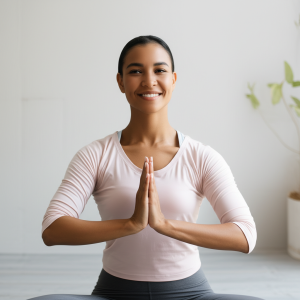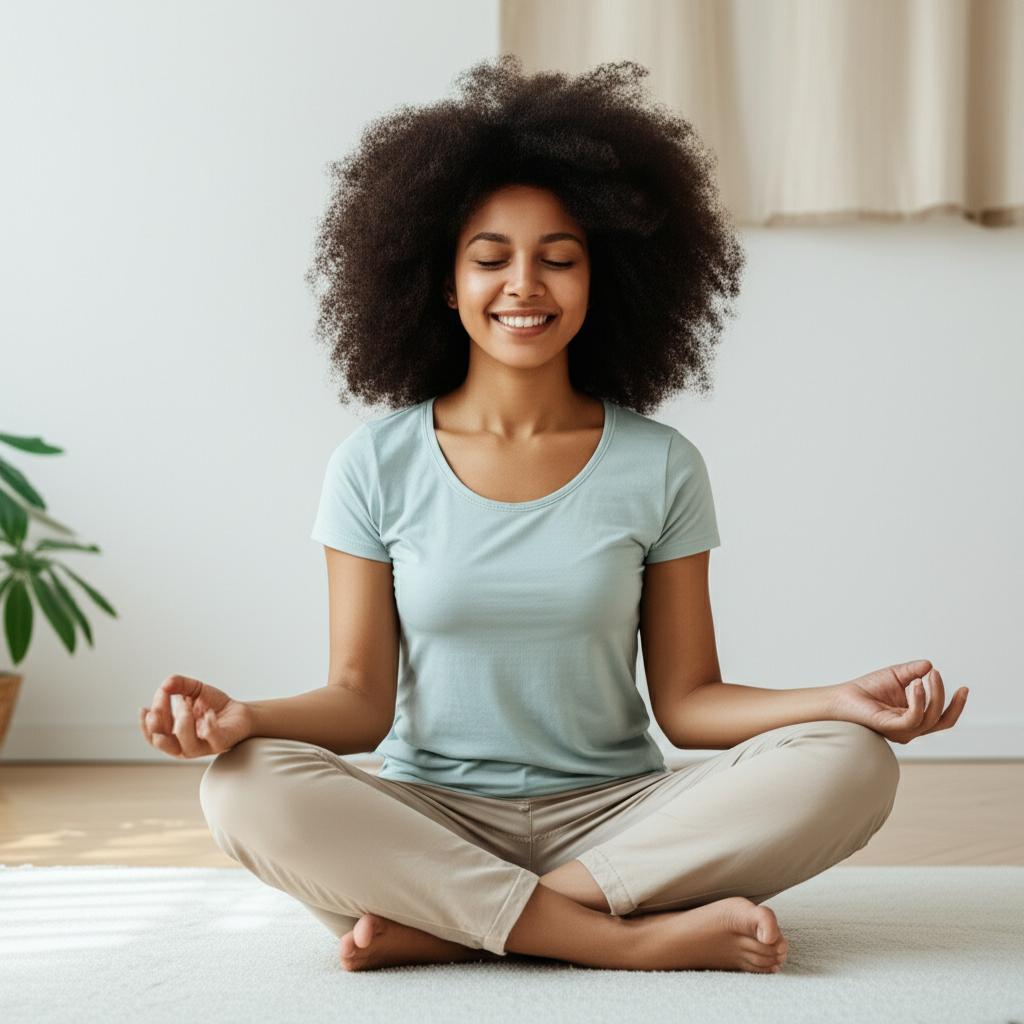
Are you searching for simple tips for meditation in eye health to bring a sense of calm and well-being to your daily routine, especially amidst our screen-filled lives? You’re in the right place! In today’s fast-paced world, our eyes often bear the brunt of digital strain, environmental factors, and the cumulative stress of modern living. While meditation isn’t a cure for eye conditions, incorporating mindful practices can be a wonderful, gentle way to support overall eye comfort and reduce the tension that often accompanies visual fatigue. This comprehensive guide will explore how simple meditation techniques can become a cherished part of your journey towards greater relaxation and a more comfortable visual experience.
Our goal isn’t to make medical claims or suggest treatments, but rather to illuminate how the profound benefits of meditation – primarily stress reduction and enhanced relaxation – can positively influence your general well-being, which in turn may support the comfort of your eyes. Think of it as giving your eyes a much-needed, soothing break from the constant demands placed upon them.
The Intricate Dance: How Stress and Tension Affect Your Eyes
Before diving into the meditative practices, let’s briefly understand the connection between our overall state of being and our eyes. Our eyes are incredibly complex organs, constantly working to process the world around us. When we’re stressed, our bodies react in numerous ways. Muscles can tense up, blood flow patterns can shift, and our nervous system goes into overdrive. This general state of tension isn’t just felt in our shoulders or jaw; it can also manifest around our eyes and in the muscles responsible for focusing and movement.
Prolonged screen time, insufficient sleep, and high levels of stress can contribute to what’s commonly known as digital eye strain or computer vision syndrome. Symptoms often include dry eyes, blurred vision, headaches, and general eye fatigue. While these issues require professional medical advice for diagnosis and treatment, managing stress and promoting relaxation can help alleviate some of the discomfort associated with these conditions. Meditation offers a powerful, non-invasive tool to tap into our body’s natural relaxation response, potentially offering a soothing balm for tired eyes.
Unveiling the Benefits: How Meditation May Support Eye Comfort
Meditation is known for its ability to cultivate a deep state of relaxation and mental clarity. By regularly engaging in these practices, you may experience a range of benefits that, while not directly "improving vision," can help foster a more comfortable environment for your eyes.
- Stress Reduction: The primary benefit of meditation is its profound ability to reduce stress. When stress levels drop, the body’s fight-or-flight response subsides, leading to muscle relaxation throughout the body, including the delicate muscles around your eyes.
- Improved Blood Flow (General): While not a targeted treatment, general relaxation and reduced stress can contribute to healthier circulation throughout the body, including to the head and eyes.
- Reduced Muscle Tension: Many people hold tension in their face, jaw, and around their eyes without even realizing it. Meditation, especially practices focused on body awareness, can help you identify and release this subtle tension.
- Enhanced Focus and Mindfulness: Regular meditation trains your mind to be more present. This increased mindfulness may empower you to take more conscious breaks from screens, blink more frequently, and be more aware of your eye comfort throughout the day.
- Better Sleep Quality: Meditation is a well-documented aid for sleep. Adequate, restful sleep is crucial for overall health, including giving your eyes the opportunity to rest and rejuvenate. You can learn more about the general health benefits of meditation from reputable sources like WebMD.
It’s important to reiterate: these are supportive benefits that enhance overall well-being. Meditation is not a substitute for professional eye care or a cure for any specific eye condition. If you experience persistent vision problems or eye discomfort, please consult an eye care specialist.
7 Simple Tips for Meditation in Eye Health: Practical Approaches
Now, let’s explore some easy-to-implement meditation techniques that can bring a sense of calm and comfort to your eyes. Remember, consistency is more important than perfection. Even a few minutes a day can make a difference.
1. Mindful Breathing with Gentle Eye Closure
This is perhaps the simplest and most accessible technique. It brings immediate relaxation and helps you tune into your body.
- How to Practice: Find a quiet, comfortable spot where you won’t be disturbed. Sit or lie down in a relaxed posture. Gently close your eyes. Begin to bring your awareness to your breath. Notice the sensation of the air entering and leaving your nostrils, the rise and fall of your chest or abdomen. Don’t try to change your breath, just observe it.
- Focus for Eye Comfort: As you breathe, consciously direct your attention to your eyes and the area around them. Imagine your breath bringing soothing energy to your eyes, and as you exhale, visualize any tension or strain melting away. Feel the softness behind your closed eyelids.
- Duration: Start with 3-5 minutes, gradually increasing to 10-15 minutes. This is a foundational practice among simple tips for meditation in eye health.
2. Palming: A Soothing Break for Tired Eyes
Palming is a popular relaxation technique that provides warmth and darkness to your eyes, offering a gentle break from visual stimulation.
- How to Practice: Rub your palms together briskly for about 10-15 seconds until they feel warm. Gently cup your warm palms over your closed eyes, ensuring no light seeps in. Rest the base of your palms on your cheekbones and your fingers on your forehead, avoiding pressure directly on your eyeballs.
- Focus for Eye Comfort: Breathe deeply and allow your eyes to relax completely in the darkness and warmth. Imagine any tension or strain dissolving. Some people find it helpful to visualize a peaceful, dark scene.
- Duration: Hold for 1-5 minutes. This is especially beneficial after prolonged screen time.
- Important Note: Palming is for relaxation and comfort; it is not a method to improve vision or treat eye conditions.
3. Body Scan Meditation with Eye Focus
A body scan meditation involves systematically bringing awareness to different parts of your body, noticing sensations without judgment. This can help release tension you might not even realize you’re holding.
- How to Practice: Lie down or sit comfortably. Close your eyes. Begin by bringing your awareness to your feet, noticing any sensations. Slowly move your attention up through your legs, torso, arms, hands, and shoulders. When you reach your head and face, pay special attention to your eyes.
- Focus for Eye Comfort: Notice any tension around your eyebrows, temples, eyelids, or behind your eyes. Without trying to force anything, simply acknowledge the sensation. As you breathe, imagine softening these areas with each exhale. Gently release any clenching or tightness.
- Duration: This can be a longer practice, 10-20 minutes, allowing ample time to focus on the eye area.
4. Mindful Blinking and Gazing
Our blink rate often decreases significantly when we’re focused on screens, leading to dry eyes and strain. Conscious blinking can counteract this.
- How to Practice: While working or taking a break, consciously bring your attention to your blinking. Close your eyes completely and gently, then open them. Repeat this several times.
- Focus for Eye Comfort: After a series of conscious blinks, try a soft gaze. Look at a distant object or simply out a window without focusing intensely on anything. Allow your eyes to rest in a relaxed, unfocused state for a minute or two. This is a fantastic daily habit to complement simple tips for meditation in eye health.
- Duration: Integrate mindful blinking throughout your day, especially during screen breaks. Practice soft gazing for 1-2 minutes at a time.
5. Loving-Kindness Meditation (Metta Meditation) for Overall Well-being
While not directly focused on the eyes, loving-kindness meditation cultivates feelings of warmth, compassion, and well-being, which can profoundly reduce overall stress and contribute to a more relaxed state for your entire body, including your eyes.
- How to Practice: Sit comfortably, close your eyes, and bring to mind phrases of loving-kindness. Start by directing these wishes towards yourself: "May I be happy. May I be healthy. May I be safe. May I live with ease." Then extend these wishes to loved ones, neutral persons, difficult persons, and finally, all beings.
- Focus for Eye Comfort: As you cultivate these feelings of warmth and kindness, notice how your body responds. Many find that feelings of compassion naturally lead to a softening of facial muscles and a release of tension, which may indirectly benefit eye comfort.
- Duration: 10-20 minutes.
6. Guided Visualizations for Eye Relaxation
Guided meditations often use imagery to help you relax. You can find many free guided meditations online or through apps that specifically focus on relaxation or even releasing tension in the head and face.
- How to Practice: Find a guided meditation audio. Lie down or sit comfortably, close your eyes, and simply follow the instructions of the guide.
- Focus for Eye Comfort: Look for visualizations that involve light, water, nature, or releasing tension. Imagine a gentle, cool stream washing over your eyes, or soft sunlight warming them. This mental imagery can help deepen the relaxation response.
- Duration: As per the guided meditation, typically 5-20 minutes.
7. Creating a Mindful Space and Routine
Sometimes, the best meditation is simply creating an environment conducive to relaxation and incorporating short, mindful breaks throughout your day.
- How to Practice: Designate a specific time each day for a short meditation, even if it’s just 5 minutes. Create a calming corner in your home if possible, with soft lighting, a comfortable cushion, and minimal distractions. During your workday, commit to regular "micro-breaks."
- Focus for Eye Comfort: During these breaks, step away from your screen, look out a window, or simply close your eyes and take a few deep breaths. This intentional pausing can help reduce accumulated eye strain and prevent it from becoming overwhelming. The Mayo Clinic offers excellent advice on managing digital eye strain, including the importance of breaks.
Getting Started: A Beginner’s Compass
If you’re new to meditation, don’t worry! It’s a practice, not a performance.
- Start Small: Begin with just 2-5 minutes a day. Even short bursts of mindfulness can be beneficial.
- Be Patient: Your mind will wander – that’s normal! Gently guide your attention back to your breath or the area you’re focusing on. Don’t judge yourself.
- Find Your Style: Experiment with different techniques. What works for one person might not work for another.
- Consistency over Duration: Daily short sessions are often more effective than infrequent long ones.
- Use Resources: Many apps (Calm, Headspace), YouTube channels, and websites offer free guided meditations that can be very helpful for beginners.
Beyond Meditation: A Holistic Approach to Eye Wellness
While these simple tips for meditation in eye health are a wonderful addition to your routine, remember they are part of a broader picture of overall wellness. For optimal eye comfort and health, also consider:
- Regular Eye Exams: Essential for detecting and addressing any underlying eye conditions.
- The 20-20-20 Rule: Every 20 minutes, look at something 20 feet away for at least 20 seconds to reduce digital eye strain.
- Adequate Lighting: Ensure your workspace is well-lit, reducing glare.
- Proper Screen Setup: Position your screen at arm’s length, with the top of the monitor at or slightly below eye level.
- Balanced Diet: Foods rich in Omega-3 fatty acids, vitamins C and E, and zinc are known to support overall eye health.
- Hydration: Drinking enough water can help prevent dry eyes.
- Sufficient Sleep: Allows your eyes and body to rest and repair.
Remember, the World Health Organization (WHO) emphasizes the importance of holistic approaches to health, including mental well-being, which directly influences our physical state. You can explore more about mental health and well-being on the WHO website.
Addressing Common Misconceptions
It’s vital to clarify that while meditation can help with comfort and relaxation, it is not a cure for vision problems or eye diseases such as myopia, glaucoma, or cataracts. If you are experiencing changes in your vision, pain, redness, or any other concerning eye symptoms, please seek immediate consultation with an ophthalmologist or optometrist. They are the qualified professionals who can diagnose and treat eye conditions. Our aim here is purely to offer supportive, relaxation-based practices for general well-being and comfort.
Embrace the Pause: Your Journey to Greater Eye Comfort
Integrating simple tips for meditation in eye health into your daily life is a compassionate act of self-care. It’s about giving your eyes, and your entire being, the gift of rest, relaxation, and mindfulness. By reducing stress and fostering a state of calm, you may experience a noticeable improvement in overall eye comfort and a greater sense of peace.
Start small, be consistent, and approach these practices with an open heart and a gentle spirit. You’ll likely discover that the benefits extend far beyond just your eyes, enriching your mind, body, and spirit in countless positive ways. Embrace the pause, breathe deeply, and allow your eyes to find their natural state of ease. Your eyes work hard for you every day; isn’t it time to give them the gentle care they deserve?