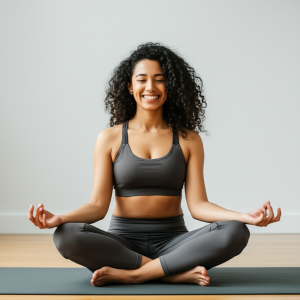
In our often-overwhelming, fast-paced world, cultivating daily habits to support relaxation isn’t just a luxury; it’s a vital, foundational practice for maintaining your overall well-being. From the moment our alarms chime to the quiet moments before sleep, our days are often packed with demands, information overload, and countless responsibilities. This constant buzz can leave us feeling drained, stressed, and disconnected from our inner peace. But what if you could proactively weave moments of calm into the fabric of your everyday life?
This article is your friendly guide to understanding how small, consistent actions can make a monumental difference in your stress levels and overall happiness. We’ll explore seven transformative daily habits that are known to help you relax, recharge, and rediscover a sense of tranquility. These aren’t complex rituals requiring hours of your time, but rather simple, beginner-friendly practices designed to seamlessly integrate into your busy schedule. By embracing these daily habits to support relaxation, you can build a more resilient mind, a calmer spirit, and a life filled with greater ease and joy.
The Power of Proactive Relaxation: Why It Matters
Before we dive into the specific habits, let’s briefly touch upon why proactive relaxation is so incredibly important. Many of us wait until we’re completely overwhelmed before seeking moments of calm. However, just as we nourish our bodies with food and water daily, our minds and spirits also need regular nourishment in the form of peace and stillness.
Regularly engaging in activities that promote relaxation can help your body and mind recover from daily stressors, prevent burnout, and even improve your physical health. When you consistently practice daily habits to support relaxation, you’re not just putting out fires; you’re building a stronger, more resilient foundation that can better withstand future challenges. It’s about shifting from a reactive state of stress management to a proactive state of well-being cultivation.
1. Mindful Breathing: Your Instant Oasis of Calm
One of the most accessible and immediate daily habits to support relaxation is mindful breathing. It’s always with you, costs nothing, and can be practiced anywhere, anytime. Often, when we’re stressed, our breathing becomes shallow and rapid, inadvertently signaling to our bodies that we’re in danger. By intentionally slowing down and deepening our breath, we can activate our body’s natural relaxation response.
How it works: Deep, diaphragmatic breathing (belly breathing) stimulates the vagus nerve, which is a key player in the parasympathetic nervous system – our "rest and digest" system. This can help to slow your heart rate, lower blood pressure, and calm your nervous system.
How to make it a daily habit:
- The 3-Minute Reset: Set a timer for three minutes. Sit comfortably, place one hand on your chest and the other on your belly. Inhale slowly through your nose, feeling your belly rise. Exhale slowly through your mouth, feeling your belly fall. Focus only on the sensation of your breath.
- Transition Breathing: Use mindful breathing during transitions in your day – before starting a new task, while waiting in line, or before answering the phone. Just 2-3 deep breaths can make a difference.
- Guided Apps: Many free apps offer short guided breathing exercises that can walk you through the process.
This simple yet profound practice is a cornerstone for anyone looking to cultivate daily habits to support relaxation.
You can learn more about how breathing can help manage stress on WebMD.
2. Gentle Movement: Releasing Tension, Embracing Ease
Our bodies are designed to move, and gentle physical activity is a wonderful way to release accumulated tension and promote relaxation. You don’t need to commit to intense workouts; even short bursts of mindful movement can be incredibly beneficial. Incorporating gentle movement is one of the most effective daily habits to support relaxation for both body and mind.
How it works: Movement helps to release endorphins, which are natural mood boosters. It can also help to literally "shake off" stress, release muscle tension, and improve circulation. Gentle forms of exercise, in particular, encourage a sense of presence and connection with your body rather than intense exertion.
How to make it a daily habit:
- Morning Stretch: Spend 5-10 minutes each morning gently stretching your body. Focus on areas that tend to hold tension, like your neck, shoulders, and hips.
- Mindful Walking: Take a 15-minute walk outdoors, if possible. Instead of rushing, pay attention to your surroundings – the sounds, the smells, the feeling of your feet on the ground. Leave your phone behind or put it on silent.
- Desk Stretches: If you have a desk job, incorporate simple stretches every hour. Roll your shoulders, gently tilt your head side to side, or do a standing cat-cow stretch.
- Gentle Yoga: Even a 10-15 minute beginner yoga flow can significantly impact your mood and flexibility.
Regular, gentle movement is known to support mental clarity and can help to reduce feelings of anxiety, making it a powerful addition to your daily habits to support relaxation.
3. Connect with Nature: A Dose of Natural Calm
Spending time in nature, even if it’s just a few minutes, can have a profoundly calming effect on our minds and bodies. In our increasingly urbanized and digital world, reconnecting with the natural environment is a vital daily habit to support relaxation.
How it works: Studies suggest that exposure to natural environments can help lower stress hormones, reduce feelings of anger or fear, and increase pleasant feelings. The sights, sounds, and smells of nature can draw our attention away from stressors and into a state of mindful presence.
How to make it a daily habit:
- Window Gazing: If you can’t go outside, simply look out a window and observe nature for a few minutes. Notice the clouds, the trees, or any birds.
- Mini-Nature Breaks: Step outside for 5-10 minutes. Stand barefoot on grass, feel the sun on your skin, or listen to the wind in the trees.
- Bring Nature Indoors: Add houseplants to your living or working space. Their presence can bring a sense of calm and connection to nature.
- Park Lunch: If you have a park nearby, eat your lunch outdoors.
These simple interactions with the natural world can be surprisingly potent daily habits to support relaxation, offering a refreshing break from indoor environments.
4. Digital Detox Moments: Unplugging for Inner Peace
In our hyper-connected world, our screens are constant sources of information, notifications, and potential stress. Creating intentional digital detox moments is one of the most crucial daily habits to support relaxation in the modern age.
How it works: Constantly being "on" can lead to mental fatigue, decision overload, and a feeling of always needing to respond. By setting boundaries with technology, you give your mind a much-needed break from constant stimulation, allowing it to rest and recharge.
How to make it a daily habit:
- No-Phone Zone: Designate certain areas or times as "no-phone zones," such as the dinner table, your bedroom an hour before sleep, or the first hour of your day.
- Notification Management: Turn off non-essential notifications on your phone. You’ll be surprised how much less distracted you feel.
- Scheduled Breaks: Schedule short "screen-free" breaks throughout your day. Use this time to stretch, read a physical book, or simply gaze out a window.
- Analogue Evening: Spend at least one evening a week engaging in an analogue activity like reading, crafting, playing board games, or talking with loved ones without screens.
Embracing these small acts of unplugging can significantly reduce mental clutter and support a more relaxed state of mind, reinforcing your commitment to daily habits to support relaxation.
5. Journaling: A Space for Reflection and Release
Journaling is a powerful tool for processing thoughts, emotions, and experiences. It offers a private, non-judgmental space to explore what’s on your mind, making it an excellent daily habit to support relaxation.
How it works: Putting your thoughts onto paper can help to externalize them, reducing rumination and giving you a clearer perspective. It can be a way to release pent-up emotions, identify patterns, and even discover solutions to challenges. The act of writing itself can be meditative.
How to make it a daily habit:
- Morning Pages: Write for 5-10 minutes each morning, pouring out whatever comes to mind without censoring yourself. Don’t worry about grammar or spelling; just write.
- Gratitude Journal: Before bed, jot down 3-5 things you’re grateful for from your day. This can help shift your focus to positive aspects of your life.
- Emotional Check-in: If you’re feeling overwhelmed, take a few minutes to write about what you’re experiencing. "I feel anxious because…" or "I’m worried about…" can be a good starting point.
- Prompts: If you’re stuck, use journaling prompts like "What brought me joy today?" or "What do I need to let go of?"
Journaling can provide a unique form of self-care and is known to help clarify thoughts, reduce stress, and promote emotional well-being. It’s a simple yet profound addition to your daily habits to support relaxation.
6. Prioritize Quality Sleep: The Ultimate Restorative Habit
Perhaps the most fundamental of all daily habits to support relaxation is ensuring you get enough quality sleep. Sleep is when your body and mind repair and restore themselves. Skimping on sleep can leave you feeling irritable, unfocused, and more susceptible to stress.
How it works: During sleep, your body performs crucial tasks like repairing cells, consolidating memories, and regulating hormones, including those related to stress. Adequate sleep can significantly improve your mood, cognitive function, and ability to cope with daily demands.
How to make it a daily habit:
- Consistent Schedule: Try to go to bed and wake up around the same time each day, even on weekends. This helps regulate your body’s natural sleep-wake cycle.
- Wind-Down Routine: Create a relaxing routine for the hour before bed. This could include reading a book (not on a screen), taking a warm bath, listening to calming music, or gentle stretching.
- Optimize Your Sleep Environment: Make sure your bedroom is dark, quiet, and cool. Consider blackout curtains, earplugs, or a white noise machine if needed.
- Limit Stimulants: Avoid caffeine and heavy meals close to bedtime.
- Avoid Screens: The blue light emitted from phones, tablets, and computers can interfere with melatonin production, a hormone essential for sleep. Power down devices at least an hour before bed.
Making quality sleep a priority is a non-negotiable step in building daily habits to support relaxation.
For more information on improving your sleep hygiene, visit Mayo Clinic’s guide.
7. Cultivate a Hobby or Creative Outlet: Joyful Distraction
Engaging in activities purely for enjoyment and without pressure can be incredibly therapeutic. Whether it’s painting, playing an instrument, gardening, cooking, or knitting, having a creative outlet is a wonderful daily habit to support relaxation.
How it works: Hobbies provide a healthy distraction from worries and stress. They can help you enter a "flow state" where you become completely absorbed in the activity, losing track of time and experiencing a sense of deep satisfaction and joy. This focus can quiet a busy mind and foster a sense of accomplishment.
How to make it a daily habit:
- Dedicate Time: Set aside 15-30 minutes each day, or a few times a week, specifically for your chosen hobby. Treat it as a non-negotiable appointment.
- Explore New Interests: If you don’t currently have a hobby, try out different things that pique your interest. The goal isn’t perfection, but enjoyment.
- Low-Pressure Approach: Remember that hobbies are for pleasure. Don’t turn them into another source of stress or obligation.
- Share or Solo: Enjoy your hobby alone for quiet reflection or share it with others if you enjoy the social aspect.
Nurturing your creative spirit through hobbies can infuse your daily life with joy and purpose, making it a powerful component of your daily habits to support relaxation. This approach supports overall well-being, which the World Health Organization (WHO) highlights as crucial.
Embracing Your Journey to Calm
Integrating daily habits to support relaxation into your life is a journey, not a destination. It’s about making small, consistent choices that collectively lead to a more peaceful and balanced existence. Remember that progress, not perfection, is the goal. Don’t feel pressured to implement all these habits at once. Start with one or two that resonate most with you, and gradually build from there.
Be patient and kind to yourself. Some days will be easier than others. The key is consistency and a genuine desire to prioritize your well-being. By making a conscious effort to weave these practices into your everyday routine, you are actively creating a life that feels more grounded, joyful, and serene. You are equipping yourself with powerful tools to navigate life’s challenges with greater ease and resilience.
Start today, even if it’s just with a single mindful breath or a short walk in nature. These small daily habits to support relaxation are the building blocks of a calmer, happier you. Your well-being is worth the investment.