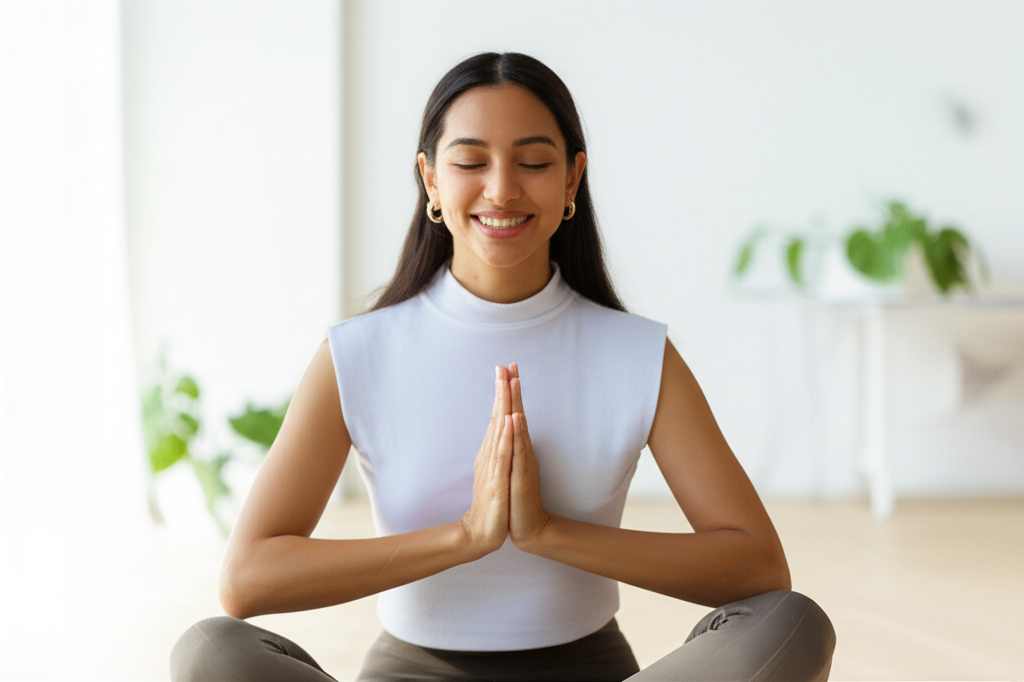
Embarking on a journey to find inner calm and enhanced focus can feel daunting, but with this beginner guide to meditation, you’ll discover that cultivating a more peaceful mind is wonderfully accessible. In our fast-paced world, many of us seek practical tools to manage stress, improve concentration, and foster emotional well-being. Meditation, an ancient practice, offers just that – a pathway to quiet the noise and connect with a deeper sense of self. It’s not about emptying your mind, but rather about learning to observe your thoughts and feelings without judgment, allowing you to respond to life with greater clarity and compassion. Whether you’re feeling overwhelmed, looking for a way to unwind, or simply curious about mindfulness, this guide is designed to gently introduce you to the transformative practice of meditation, making it feel easy, safe, and profoundly supportive.
What is Meditation, Really? Demystifying the Practice
At its heart, meditation is a practice of training attention and awareness to achieve a mentally clear and emotionally calm and stable state. For centuries, people across cultures have engaged in various forms of meditation to deepen their understanding of themselves and the world around them. Yet, in modern conversation, it can sometimes feel shrouded in mystery or perceived as something only for gurus. The truth is, meditation is a simple, secular tool available to everyone, regardless of their background or beliefs.
It’s often misunderstood as needing to "stop thinking" or "clear your mind." This common misconception can be a major hurdle for beginners. In reality, your mind will always think. The goal of meditation isn’t to silence your thoughts, but to change your relationship with them. Instead of getting swept away by every thought or emotion, you learn to observe them as they arise and pass, like clouds drifting across the sky. This gentle observation, without judgment or attachment, is the core of many meditation practices. It cultivates a sense of detachment, allowing you to create a little space between yourself and your internal chatter, which can lead to profound shifts in how you experience daily life.
Why Meditate? Exploring the Wonderful Benefits
People turn to meditation for a myriad of reasons, and the growing body of research suggests that a regular practice can offer a wealth of positive outcomes for overall well-being. While meditation is not a medical treatment or a cure for any condition, it may support various aspects of mental and emotional health. Many individuals report experiencing significant improvements in their quality of life.
Here are some of the known benefits that meditation can help cultivate:
- Stress Reduction: One of the most common reasons people start meditating is to reduce stress. Regular practice is known to help lower levels of the stress hormone cortisol, promoting a sense of calm and relaxation. By training your mind to observe thoughts without getting caught up in them, you may find yourself less reactive to stressful situations. (Source: WebMD on the benefits of meditation)
- Improved Focus and Attention: In a world filled with distractions, meditation can help sharpen your ability to concentrate. By repeatedly bringing your attention back to a specific anchor, like your breath, you strengthen your "attention muscle," which may translate into better focus in your daily tasks.
- Enhanced Emotional Regulation: Meditation may support your ability to observe emotions without being overwhelmed by them. This increased awareness can help you respond to difficult feelings with greater wisdom and less impulsivity, fostering a sense of emotional balance.
- Better Sleep Quality: Many meditators report an improvement in their sleep patterns. By calming the mind and reducing the mental chatter that often accompanies insomnia, meditation can create a more conducive state for restful sleep.
- Increased Self-Awareness: Through consistent practice, you may gain deeper insights into your thought patterns, emotions, and underlying motivations. This heightened self-awareness can be empowering, helping you to make more conscious choices.
- Cultivating Kindness and Compassion: Certain meditation techniques, like loving-kindness meditation, actively encourage the cultivation of compassion towards oneself and others. This can lead to more positive relationships and a greater sense of connection.
It’s important to approach meditation with an open mind and gentle expectations. The benefits often unfold gradually, like ripples in a pond, as you commit to a consistent practice.
Getting Started: Essential Tips for Your First Steps
Beginning any new practice can feel a bit like learning a new language – you start with simple words and phrases, and gradually build fluency. Meditation is no different. Here are some foundational tips to help you gently ease into your practice:
- Find Your Sacred Space: While you can meditate anywhere, especially as you become more experienced, a dedicated quiet space can be incredibly helpful for beginners. This doesn’t need to be elaborate – a corner of a room, a cushion by a window, or even a chair in your bedroom. The key is to choose a spot where you feel safe, comfortable, and less likely to be disturbed.
- Choose Your Time Wisely: Consistency is more important than duration when you’re starting out. Aim for a time when you are generally alert but not rushed. Many people find mornings or evenings to be ideal. Even 5-10 minutes a day is a wonderful start. The goal is to make it a gentle habit, not another chore.
- Comfortable Posture is Key: While the classic image of meditation involves sitting cross-legged, it’s not a requirement. You can sit in a chair with your feet flat on the floor, lie down, or even stand. The most important thing is to find a posture that allows your spine to be relatively straight but relaxed, so you can remain alert without discomfort. If you’re lying down, be mindful not to fall asleep!
- Gentle Expectations, Always: Let go of the idea that you need to achieve a particular state or have a profound experience. The beauty of meditation lies in the practice itself, not in reaching a specific outcome. There’s no such thing as a "perfect" meditation session; every moment of showing up is a success.
- Patience and Self-Compassion: Your mind will wander. You will get distracted. This is perfectly normal and part of the process. When you notice your mind has strayed, simply acknowledge it without judgment and gently guide your attention back to your anchor (often your breath). Treat yourself with the same kindness you would offer a dear friend.
Your Step-by-Step Beginner Guide to Meditation: The 7 Simple Steps
Ready to try it? This simple, seven-step process will provide a clear beginner guide to meditation, helping you establish a foundational practice. Remember, this is about exploring and observing, not achieving perfection.
Step 1: Find Your Spot and Get Comfortable
Go to your chosen quiet space. Sit down in a comfortable position, whether on a cushion on the floor or in a chair. Ensure your back is reasonably straight but not stiff. Your hands can rest gently on your lap or knees. Take a moment to settle in and feel the contact points of your body with the surface beneath you.
Step 2: Set a Timer
For your first few sessions, start small. Set a timer for 5-10 minutes. Many meditation apps offer gentle chimes to signal the end of your session. Knowing you have a set time can help you relax into the practice without worrying about how long you’ve been meditating.
Step 3: Close Your Eyes (Gently) or Soften Your Gaze
You can gently close your eyes, allowing your eyelids to rest naturally. If closing your eyes feels uncomfortable or makes you sleepy, you can soften your gaze, looking gently downward at a spot a few feet in front of you without focusing on anything specific.
Step 4: Focus on Your Breath
Bring your attention to your breath. You don’t need to change it or control it in any way; just notice it as it is. Feel the sensation of the air entering and leaving your body. Perhaps you notice it at your nostrils, in your chest, or in the gentle rise and fall of your abdomen. Choose one spot and rest your attention there. This is your anchor.
Step 5: Acknowledge Thoughts, Don’t Engage
As you focus on your breath, your mind will undoubtedly produce thoughts. This is what minds do! When you notice a thought, acknowledge it gently. You can mentally label it ("thinking," "planning," "remembering") and then let it go without getting caught up in its story. Imagine thoughts as clouds drifting across the sky – you see them, but you don’t need to get on them or follow them.
Step 6: Gently Return to Your Breath
The moment you realize your mind has wandered (and it will, many times!), that’s your meditation. There’s no failure in wandering; the practice is in noticing the wandering and gently returning your attention to your breath. Each time you bring your attention back, you are strengthening your muscle of awareness and focus. Do this kindly, without self-criticism.
Step 7: Conclude with Kindness
When your timer goes off, don’t rush. Take a moment to notice how your body feels. Gently open your eyes and take in your surroundings. You might take a deep breath or stretch. Reflect on the experience without judgment. Acknowledge that you took this time for yourself. (Source: Mayo Clinic on how to meditate)
Exploring Different Paths: Simple Meditation Techniques for Beginners
While the breath-focused meditation above is an excellent starting point, there are many simple techniques you can explore as you become more comfortable. This beginner guide to meditation would be incomplete without mentioning a few popular approaches:
- Mindfulness Meditation: This is the foundation of many practices. It involves being fully present and aware of the current moment, including your thoughts, feelings, bodily sensations, and the environment, without judgment. The breath meditation above is a form of mindfulness. You can also practice mindfulness throughout your day by simply paying full attention to everyday activities like eating, walking, or washing dishes.
- Walking Meditation: If sitting still feels too challenging, walking meditation can be a wonderful alternative. The principle is the same: bring your full attention to the physical sensations of walking – the lift of your foot, the contact with the ground, the movement of your legs. You can do this indoors or outdoors, focusing on one step at a time.
- Loving-Kindness (Metta) Meditation: This practice involves cultivating feelings of warmth, compassion, and kindness towards yourself and others. You silently repeat phrases like "May I be happy. May I be healthy. May I be safe. May I live with ease." You then extend these wishes to loved ones, neutral people, difficult people, and eventually to all beings. It’s a beautiful way to nurture positive emotions.
- Guided Meditations: For many beginners, guided meditations are incredibly helpful. These are audio recordings led by an instructor who talks you through the process, offering cues and prompts to keep you focused. You can find countless free guided meditations on apps (like Calm, Headspace, Insight Timer) or on YouTube. They can provide structure and reassurance when you’re just starting out.
Overcoming Common Beginner Hurdles
It’s natural to encounter challenges when starting a new practice. Here’s how to navigate some common obstacles you might face on your beginner guide to meditation journey:
- "My mind is too busy!" This is the most common complaint, and it’s perfectly normal! Meditation isn’t about not thinking; it’s about noticing thoughts without getting carried away. The very act of noticing and gently returning to your anchor is the practice. Every time you do this, you’re building mental resilience.
- "I can’t clear my mind." Again, this isn’t the goal. Trying to force your mind to be empty is like trying to stop your heart from beating – it’s an impossible and frustrating task. Embrace the fact that thoughts will come and go.
- "I don’t have time." Even 5 minutes a day can make a difference. Think of it like brushing your teeth – a small, consistent act of self-care. If 5 minutes feels like too much, start with 2 or 3. The important thing is to start.
- "I feel restless or fidgety." It’s okay. Acknowledge the restlessness. Sometimes, a few gentle stretches before meditating can help. You can also try a walking meditation if sitting still feels too difficult initially. If you need to adjust your posture during meditation, do so mindfully, then return to your focus.
- "Am I doing it right?" There’s no "right" or "wrong" way to meditate, as long as you are showing up and gently bringing your attention back when it wanders. The intention to practice and the act of trying are what truly matter. Let go of judgment.
Integrating Meditation into Your Daily Life
Meditation isn’t just something you do for 10 minutes on a cushion; its true power lies in how it can infuse your entire day with mindfulness. As you progress with this beginner guide to meditation, consider how you can weave moments of awareness into your everyday activities.
- Start Small, Build Gradually: Don’t feel pressured to meditate for long periods. A few minutes consistently is far more beneficial than sporadic, lengthy sessions. As you feel more comfortable, you can slowly increase the duration.
- Consistency is Key: Try to meditate at roughly the same time each day. This helps to establish a routine and makes it more likely that you’ll stick with it.
- Mindful Moments Throughout the Day: You don’t need to be sitting with your eyes closed to be mindful. Practice bringing your full attention to simple tasks:
- Mindful Eating: Notice the colors, textures, smells, and tastes of your food.
- Mindful Walking: Feel your feet on the ground, the air on your skin, the sounds around you.
- Mindful Listening: When someone speaks, truly listen without planning your response.
- Mindful Chores: Bring your attention to the sensations of washing dishes, folding laundry, or tidying up.
These small moments of intentional awareness can accumulate, helping you feel more present, engaged, and less stressed throughout your day. Integrating meditation isn’t about adding another item to your to-do list; it’s about approaching all your to-do list items with a different quality of attention. This practice may support your overall mental well-being and can help you navigate daily challenges with greater ease. (Source: WHO on mental well-being)
A Journey, Not a Destination
Remember, meditation is a practice, a journey of self-discovery that unfolds over time. There will be days when it feels easy and peaceful, and other days when your mind feels like a chaotic marketplace. Both experiences are part of the practice. There’s no "finish line" or a point where you become a "perfect" meditator. The true benefit comes from the ongoing commitment to show up, to observe, and to return to your anchor with kindness.
Embrace the gentle evolution of your practice. Be patient with yourself, celebrate small victories, and approach each session with an attitude of curiosity and self-compassion. This beginner guide to meditation is just the starting point; the real adventure begins when you commit to taking those first simple steps.
Conclusion
Starting a meditation practice is a profound act of self-care, offering a pathway to a more peaceful, focused, and emotionally balanced life. This beginner guide to meditation has aimed to demystify the practice, highlight its many potential benefits, and provide you with clear, actionable steps to begin your journey. From finding your quiet space to gently observing your breath and thoughts, you now have the tools to embark on this transformative path.
Remember, the essence of meditation lies in gentle observation, not in achieving a specific state. Your mind will wander, and that’s perfectly okay. The simple act of noticing and returning your attention, again and again, is where the true strength and peace are built. So, take a deep breath, set your timer for a few minutes, and give yourself the gift of presence. The journey to a calmer, more focused you starts now.