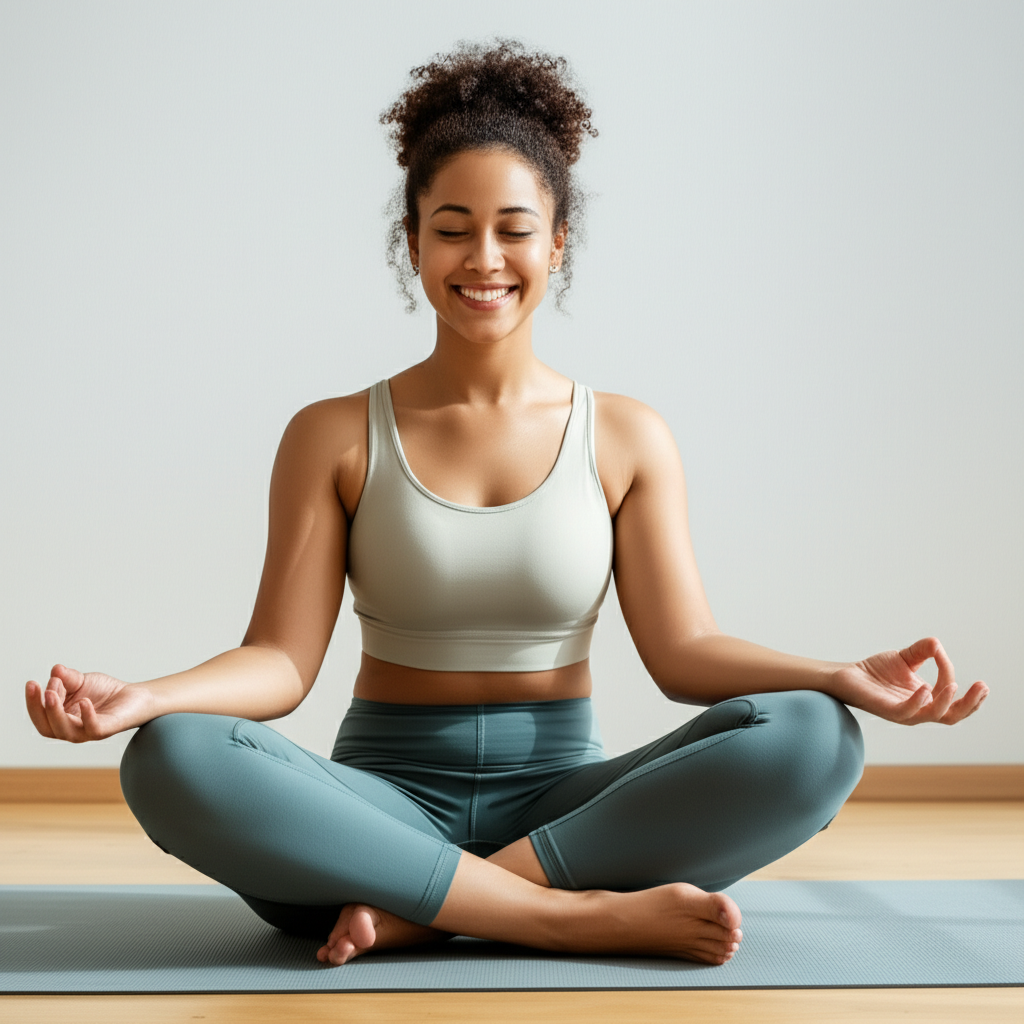
Welcome to the wonderful world of yoga! If you’ve been curious about starting a practice but felt intimidated, you’ve come to the right place. This beginner guide to yoga is designed to demystify the practice, offering a warm, supportive, and easy-to-understand introduction to help you begin your journey with confidence and joy. Yoga is a truly transformative practice, offering a unique blend of physical postures, breathing techniques, and mindfulness that can enrich your life in countless ways. Whether you’re looking to boost your flexibility, find a moment of calm, or simply try something new, this guide will walk you through everything you need to know to take your first steps onto the mat.
What is Yoga, Anyway? A Beginner’s Introduction
At its heart, yoga is an ancient practice that originated in India, focusing on bringing harmony between the mind and body. While many people primarily associate yoga with physical poses (asanas), it’s so much more than just stretching and bending. It’s a holistic system that encompasses breath control (pranayama), meditation, and ethical principles, all aimed at promoting overall well-being.
For beginners, the most accessible entry point is often through the physical practice of postures, which are designed to build strength, increase flexibility, and improve balance. However, even in these physical practices, you’ll find an emphasis on mindful movement and conscious breathing, which are key components of yoga’s ability to reduce stress and enhance mental clarity.
One of the biggest myths that stops people from trying yoga is the belief that "I’m not flexible enough." This couldn’t be further from the truth! Yoga isn’t about being able to touch your toes or twist into a pretzel. It’s about starting exactly where you are and exploring your body’s capabilities with kindness and curiosity. Every pose can be modified to suit your current level of flexibility and strength. Think of yoga as a journey, not a destination, where consistency and self-compassion are far more important than achieving perfect poses. This beginner guide to yoga encourages you to embrace your starting point, whatever it may be.
The Wonderful Benefits of Starting Your Beginner Guide to Yoga Journey
Embarking on a yoga journey can bring a wealth of benefits that touch every aspect of your life. While individual experiences may vary, many practitioners report significant improvements in both their physical and mental well-being.
Physical Benefits:
- Increased Flexibility: Regular yoga practice can gently lengthen your muscles and increase your range of motion in your joints, which can help improve overall body mobility.
- Enhanced Strength: Many yoga poses use your own body weight to build muscular strength and endurance, particularly in your core, arms, and legs.
- Improved Balance: Balancing poses challenge your stability and can help develop better coordination and proprioception (your body’s awareness in space).
- Better Posture: Strengthening core muscles and increasing spinal flexibility can lead to improvements in posture, which in turn may help alleviate back and neck discomfort.
- Supports Bone Health: Weight-bearing yoga poses are known to help support bone density, particularly important as we age.
- May Support Heart Health: The physical activity combined with stress reduction aspects of yoga can contribute to a healthy cardiovascular system. (Source: Mayo Clinic – Yoga: Fight stress and find serenity)
Mental and Emotional Benefits:
- Stress Reduction: One of the most widely celebrated benefits of yoga is its ability to reduce stress. The combination of physical movement, breath work, and mindfulness can calm the nervous system and promote relaxation.
- Improved Focus and Concentration: By encouraging you to stay present in the moment and focus on your breath and movements, yoga can train your mind to be more attentive and less distracted.
- Enhanced Mood: Engaging in physical activity and mindfulness practices can help boost endorphins and promote a sense of well-being and positivity.
- Better Sleep Quality: The calming effects of yoga can help prepare your body and mind for rest, potentially leading to deeper and more restorative sleep.
- Increased Body Awareness: Yoga encourages you to listen to your body and understand its signals, fostering a deeper connection and appreciation for yourself.
As you navigate this beginner guide to yoga, remember that these benefits unfold over time with consistent practice. Be patient with yourself and enjoy the process of discovery.
Essential Gear for Your Beginner Guide to Yoga Practice
Starting yoga doesn’t require a lot of fancy equipment. In fact, you can begin with very little! However, a few key items can make your experience more comfortable and effective.
- Yoga Mat: This is probably the most essential item. A good yoga mat provides cushioning for your joints and offers grip to prevent slipping, especially as you start to sweat. For beginners, look for a mat that is comfortable, durable, and offers good traction. Thickness can vary; a standard 1/8 inch (3mm) to 1/4 inch (6mm) is usually sufficient.
- Comfortable Clothing: Choose clothing that allows for a full range of motion without restricting your movements. Loose or stretchy fabrics are ideal. Avoid anything too baggy that might get in the way during inversions or complex poses.
- Water Bottle: Staying hydrated is always important, especially when engaging in physical activity. Keep water nearby to sip before or after your practice.
- Optional Props (but highly recommended for beginners!):
- Yoga Blocks: These firm foam or cork blocks can bring the floor closer to you in certain poses, making stretches more accessible and supporting proper alignment. They are incredibly helpful for beginners who may not have full flexibility yet.
- Yoga Strap: A strap can help you deepen stretches or reach limbs that are otherwise out of grasp. It’s fantastic for hamstring stretches or opening the shoulders.
- Blanket or Cushion: A folded blanket can provide extra padding for knees in kneeling poses or elevate your hips when sitting, making meditation or seated poses more comfortable.
- Towel: If you tend to sweat a lot, a small towel can be useful.
Don’t feel pressured to buy everything at once. Start with a mat and comfortable clothes, and as you progress through this beginner guide to yoga, you’ll discover which props might be most beneficial for your unique practice.
Types of Yoga for Beginners: Finding Your Perfect Fit
With so many styles of yoga available, it can feel overwhelming to choose! For beginners, it’s best to start with styles that emphasize foundational postures, clear instruction, and a slower pace.
- Hatha Yoga: This is often considered the most traditional and foundational style. Hatha classes typically involve holding poses for several breaths, allowing you to focus on alignment, breath, and stillness. It’s an excellent choice for learning the basic postures and understanding how your body moves. If you’re looking for a gentle introduction, Hatha is a fantastic starting point for any beginner guide to yoga.
- Vinyasa Yoga (Beginner-Friendly Versions): Vinyasa means "to place in a special way," and it’s characterized by flowing sequences where movement is synchronized with breath. While some Vinyasa classes can be quite dynamic, many studios offer "Beginner Vinyasa" or "Slow Flow" classes that introduce the linking of poses at a more accessible pace. This style can be invigorating and helps build heat and stamina.
- Restorative Yoga: As the name suggests, this style is all about relaxation and rejuvenation. Restorative yoga uses a generous amount of props (blankets, bolsters, blocks) to support the body in gentle, passive stretches held for extended periods. It’s deeply calming and excellent for stress relief, making it a wonderful complement to more active styles, or a primary practice if you’re seeking profound relaxation.
- Yin Yoga: Yin yoga focuses on holding passive poses for longer durations (3-5 minutes or more), targeting the deep connective tissues like ligaments, joints, and fascia. It’s a slow, meditative practice that can significantly improve flexibility and promote stillness of mind. It can be intense due to the long holds but is deeply beneficial.
For your initial foray into this beginner guide to yoga, consider trying Hatha or a beginner-level Vinyasa class. You might also find wonderful online resources that introduce these styles from the comfort of your home.
Mastering the Basics: Fundamental Poses for Your Beginner Guide to Yoga
Let’s explore some foundational yoga poses that are perfect for beginners. Remember to move slowly, listen to your body, and never push into pain. Modifications are your friends!
-
Mountain Pose (Tadasana):
- How to: Stand tall with your feet hip-width apart or together, arms by your sides, palms facing forward. Distribute your weight evenly through your feet. Lengthen your spine, draw your shoulders down and back, and gently tuck your tailbone.
- Benefits: Establishes good posture, grounds you, and is the starting point for many standing poses.
- Why it’s great for beginners: Teaches proper alignment and body awareness from the ground up.
-
Child’s Pose (Balasana):
- How to: Start on your hands and knees. Bring your big toes to touch and spread your knees wide (or keep them together for a different sensation). Sit your hips back towards your heels, and walk your hands forward, resting your forehead on the mat.
- Benefits: A gentle resting pose that calms the brain and helps relieve stress and fatigue. It gently stretches the hips, thighs, and ankles.
- Why it’s great for beginners: It’s a safe, comforting pose you can return to anytime you need a break or to recenter.
-
Cat-Cow (Marjaryasana-Bitilasana):
- How to: Start on your hands and knees, wrists under shoulders, knees under hips. As you inhale, drop your belly, lift your chest and tailbone (Cow Pose). As you exhale, round your spine, tuck your chin to your chest (Cat Pose). Flow between these two movements with your breath.
- Benefits: Warms up the spine, increases flexibility, and links breath to movement.
- Why it’s great for beginners: Simple, effective, and helps you tune into your breath.
-
Downward-Facing Dog (Adho Mukha Svanasana):
- How to: From hands and knees, tuck your toes and lift your hips up and back, forming an inverted ‘V’ shape with your body. Spread your fingers wide, press firmly through your hands, and let your head hang freely. You can keep a slight bend in your knees and lift your heels if your hamstrings feel tight.
- Benefits: Stretches the hamstrings, calves, and shoulders, strengthens the arms and legs, and calms the brain.
- Why it’s great for beginners: A full-body stretch and strengthening pose that is foundational in many practices. Don’t worry if your heels don’t touch the floor!
-
Warrior II (Virabhadrasana II):
- How to: Step your feet wide apart. Turn your right foot out 90 degrees and your left foot slightly in. Bend your right knee directly over your right ankle, keeping your knee in line with your second toe. Extend your arms out to the sides at shoulder height, gazing over your right fingertips.
- Benefits: Strengthens legs and core, opens hips, and builds stamina and focus.
- Why it’s great for beginners: A powerful standing pose that builds strength and confidence.
-
Tree Pose (Vrksasana):
- How to: Stand in Mountain Pose. Shift your weight to your left foot. Place the sole of your right foot on your inner left ankle, calf (avoid the knee joint), or inner thigh. Bring your hands to prayer at your chest or extend them overhead.
- Benefits: Improves balance, strengthens ankles and legs, and helps with focus and concentration.
- Why it’s great for beginners: A fun way to practice balance. Use a wall for support if needed!
-
Corpse Pose (Savasana):
- How to: Lie flat on your back, legs slightly wider than hip-width, arms by your sides with palms facing up. Allow your feet to fall open naturally. Close your eyes and allow your entire body to relax completely, letting go of any tension.
- Benefits: Deep relaxation, calms the nervous system, and integrates the benefits of your practice.
- Why it’s great for beginners: Crucial for allowing your body and mind to rest and absorb the practice. Never skip Savasana!
These poses form a solid foundation for any beginner guide to yoga. Practice them regularly, and you’ll soon feel more comfortable and confident on your mat.
Breathing Life into Your Practice: Pranayama for Beginners
Breath (prana) is the life force in yoga, and conscious breathing techniques (pranayama) are just as important as the physical postures. For beginners, simply becoming aware of your breath is a powerful first step.
Deep Belly Breathing (Diaphragmatic Breathing):
This is a wonderful starting point.
- How to: Lie on your back or sit comfortably. Place one hand on your chest and the other on your belly. As you inhale slowly through your nose, feel your belly rise (the hand on your belly should move more than the one on your chest). As you exhale slowly through your nose, feel your belly fall.
- Benefits: Calms the nervous system, reduces stress, and increases oxygen intake.
- Why it’s great for beginners: It’s simple, can be done anywhere, and immediately helps you connect with your body and quiet your mind.
Incorporating conscious breath into your physical practice means coordinating your movements with your inhalations and exhalations. For example, in Cat-Cow, you inhale for Cow and exhale for Cat. This synchronicity is a hallmark of many yoga styles and a key part of this beginner guide to yoga.
Setting Up Your Home Practice: Tips for a Successful Beginner Guide to Yoga
While attending classes with a qualified instructor is highly recommended, a home practice can be incredibly convenient and supportive, especially when you’re just starting.
- Find a Quiet Space: Even a small corner of a room can work. Try to choose a spot where you won’t be easily disturbed.
- Consistency Over Duration: It’s more beneficial to practice for 15-20 minutes a few times a week than to do one long session once a month. Even 5-10 minutes of gentle stretching and breathing can make a difference.
- Listen to Your Body: This is perhaps the most important rule in yoga. Your body is your best teacher. If something hurts, back off. If you feel tired, rest. Yoga is not about pushing through pain.
- Utilize Online Resources: There are countless free and paid online yoga classes available. Look for classes specifically labeled "Beginner Yoga" and taught by certified instructors. YouTube channels like Yoga With Adriene or platforms like Glo can be excellent starting points. (It’s always a good idea to check with your doctor before starting any new exercise program, especially if you have underlying health conditions. Source: WebMD – Yoga for Health)
- Be Patient and Kind to Yourself: There will be days when your body feels stiff or your mind is distracted. That’s perfectly normal. Approach each practice with a beginner’s mind, free from judgment. This beginner guide to yoga emphasizes self-compassion above all.
Common Beginner Questions Answered
- How often should I practice? For noticeable benefits, aim for 2-3 times a week. Even daily short practices can be incredibly impactful. The key is consistency.
- What if I’m not flexible? As mentioned, flexibility is a result of yoga, not a prerequisite. Everyone starts somewhere. Focus on sensation, not on achieving a perfect shape. Over time, your flexibility will naturally improve.
- Can yoga help with stress? Absolutely! Yoga is known to help reduce stress by calming the nervous system, encouraging deep breathing, and promoting mindfulness. Many find it an invaluable tool for managing daily pressures.
- Is yoga safe? When practiced mindfully and with proper guidance, yoga is generally very safe. However, it’s crucial to listen to your body, avoid pushing into pain, and inform your instructor of any injuries or medical conditions. If you’re practicing at home, be extra cautious and consider watching instructional videos from reputable teachers. Always consult with a healthcare professional before starting any new fitness routine, especially if you have health concerns. (Source: World Health Organization – Physical Activity)
Your Journey Continues: Embracing the Path of Yoga
Starting a beginner guide to yoga is the first step on a lifelong journey of discovery and growth. Remember that yoga is not about perfection, but about presence. It’s about showing up for yourself, breathing deeply, and moving with intention. Every time you step onto your mat, you are cultivating strength, flexibility, and a deeper connection to your inner self.
Celebrate your small victories – whether it’s holding a balance pose a little longer, noticing your breath more clearly, or simply finding a moment of peace amidst a busy day. The benefits of yoga extend far beyond the mat, influencing how you navigate challenges, connect with others, and experience the world. This beginner guide to yoga is just the beginning of your adventure.
Conclusion
Congratulations on taking the first step towards embracing the incredible practice of yoga! This beginner guide to yoga has equipped you with the fundamental knowledge to begin your journey, from understanding what yoga is and its myriad benefits, to choosing the right gear, exploring beginner-friendly styles and poses, and cultivating a mindful home practice. Remember to be patient, kind, and curious as you explore the connection between your body, breath, and mind. Yoga is a gift you give to yourself, a powerful tool for well-being that can bring more peace, strength, and joy into your life. So, roll out your mat, take a deep breath, and embark on this wonderful path. Your yoga journey starts now!