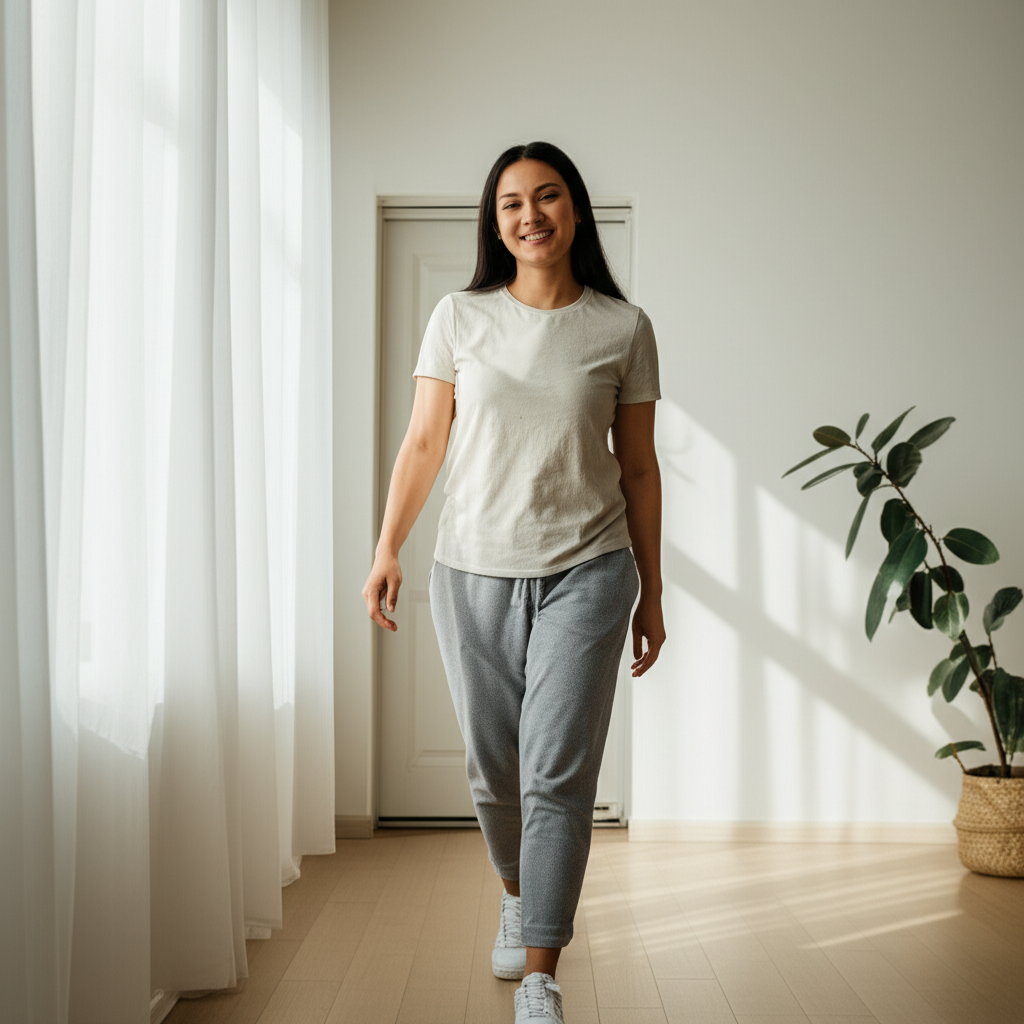
Stepping into a healthier, happier you doesn’t always require a gym membership or perfect weather. In fact, some of the most profound health benefits can come from simple, consistent movement right within the comfort of your own living space. If you’re looking for easy ways to practice walking at home, you’ve come to the right place! Whether it’s pouring rain outside, too hot, too cold, or you simply prefer the privacy of your own four walls, indoor walking is a fantastic, accessible option for people of all ages and fitness levels.
Walking is often hailed as one of the best forms of exercise, and for good reason. It’s low-impact, incredibly versatile, and can be adapted to fit almost any schedule. But what if getting outside isn’t always an option? Or perhaps you’re just starting your fitness journey and want a gentle, non-intimidating way to begin? That’s where the magic of at-home walking comes in. This comprehensive guide will explore practical, fun, and effective strategies to integrate walking into your daily routine without ever needing to leave your home. Get ready to discover how simple it can be to move more, feel better, and boost your well-being, all from the comfort of your personal sanctuary.
The Wonderful Benefits of Walking, Even Indoors!
Before we dive into the "how-to," let’s take a moment to appreciate why walking, regardless of location, is such a powerful tool for your health. Even short bursts of walking can make a significant difference, supporting both your physical and mental well-being.
Regular walking is known to offer a wide array of benefits. For your physical health, it can help maintain a healthy weight, support cardiovascular health, and strengthen your muscles and bones. It’s a fantastic way to gently elevate your heart rate, which is crucial for overall fitness.
Beyond the physical, walking also brings remarkable mental and emotional advantages. It can help reduce feelings of stress, elevate your mood, and even improve cognitive function. Many people find that a good walk, even a short one, acts as a moving meditation, clearing their mind and boosting their energy. It’s a simple, natural mood enhancer!
The World Health Organization (WHO) emphasizes the importance of physical activity for all ages, noting that regular activity is known to help prevent and manage a range of noncommunicable diseases. You can learn more about their recommendations and the benefits of physical activity on their official website. Similarly, reputable sources like WebMD highlight that walking is a low-impact exercise that can improve your overall health and well-being. For more in-depth information on the health benefits of walking, you can explore resources such as the Mayo Clinic, which provides excellent articles on how walking can support your health goals.
The best part? You don’t need a fancy gym or special equipment to reap these rewards. Your home offers a perfect, private space to get moving, and by incorporating these easy ways to practice walking at home, you can consistently support your health goals.
Getting Started: Your At-Home Walking Essentials
One of the beautiful things about walking at home is how little you need to begin. However, a few simple preparations can make your experience more comfortable and enjoyable.
- Comfortable Shoes (Optional but Recommended): While you can certainly walk barefoot or in socks, a good pair of supportive walking shoes can provide cushioning and stability, especially if you plan to walk for longer durations or on hard surfaces. They can help protect your joints and feet.
- Hydration: Keep a water bottle handy! Staying hydrated is crucial for any physical activity, even if you’re not sweating profusely.
- Clear Space: Before you start, take a few moments to ensure your walking path is free of obstacles. Move any rugs, furniture, or toys that could cause a trip or fall. Safety first!
- Comfortable Clothing: Wear something that allows for a full range of motion and doesn’t restrict your breathing. Breathable fabrics are a bonus.
- Motivation (Music, Podcasts, Audiobooks): To make your indoor walks more engaging, consider creating a lively playlist, listening to an interesting podcast, or diving into an audiobook. This can help the time fly by and keep your energy levels up.
- A Positive Mindset: Remember, every step counts! Be kind to yourself, especially if you’re just starting. The goal is consistent movement, not perfection.
With these simple preparations, you’re ready to explore the exciting possibilities of walking right in your own home.
Easy Ways to Practice Walking at Home: Creative Indoor Strides!
Now for the fun part! Here are several practical and easy ways to practice walking at home, designed to fit various spaces, preferences, and fitness levels.
The Classic: Walking in Place
This is perhaps the most straightforward and accessible form of at-home walking, perfect for small spaces or when you want to focus on technique.
How to Do It:
Simply stand in one spot and march! Lift your knees, swing your arms naturally as you would during an outdoor walk, and maintain an upright posture. Engage your core gently. You can start slowly and gradually increase your pace.
Variations to Keep it Interesting:
- High Knees: Bring your knees higher towards your chest to engage your core and hip flexors more.
- Butt Kicks: Bring your heels towards your glutes, mimicking a light jog in place.
- Arm Movements: Experiment with different arm movements – big swings, small pumps, or even arm circles to get your upper body involved.
- Side Steps: Incorporate a few steps to the side, then back to the center, to work different leg muscles.
- Add a Marching Beat: Find a high-energy song with a strong beat and try to march in rhythm.
Adding Intensity: To make walking in place more challenging, simply pick up your pace, lift your knees higher, or try incorporating short bursts of faster marching followed by a recovery pace.
The Space Saver: Walking Loops
If you have a bit more room, creating a walking loop within your home can feel more like an actual walk and allow for continuous movement.
Defining Your Path:
This could be as simple as walking around your living room coffee table, tracing a path through a hallway and back, or even doing laps around your entire apartment or house. Get creative with your route!
Making it Interesting:
- Change Direction: After a few laps, reverse your direction to work different muscles and prevent dizziness.
- Vary Your Speed: Alternate between brisk walking and a more relaxed pace.
- Incorporate Furniture: Use a sturdy chair for some gentle stretches or calf raises during your walk breaks.
- Listen to a Story: An engaging audiobook can make your loops fly by, turning exercise into an immersive experience.
- "Explore" Your Home: Pay attention to details you might usually overlook. This mindful approach can make your walk feel more like an adventure.
This method is one of the most effective easy ways to practice walking at home because it mimics the continuous motion of an outdoor walk, often without requiring significant space.
Stair Walking: A Built-In Challenge
If your home has stairs, you have a fantastic built-in cardio and strength training tool! Stair walking is a brilliant way to elevate your heart rate and strengthen your legs and glutes.
How to Use Stairs Safely:
- Hold the Handrail: Always use the handrail for support, especially when starting out.
- Focus on Each Step: Be mindful of where you place your feet.
- Start Slow: Begin with a comfortable pace, walking up and down a few times.
Benefits: Stair climbing is known to be a more intense workout than flat walking, meaning you can achieve significant cardiovascular benefits in a shorter amount of time. It specifically targets your glutes, hamstrings, and calves.
Variations for More Challenge:
- Single Step: Walk up and down one step at a time.
- Double Step: If comfortable and safe, skip a step to engage more leg muscles.
- Intervals: Sprint up the stairs (safely!), then walk slowly down for recovery. Repeat.
- Side Steps (Carefully!): Facing sideways, step up with one foot, bring the other to meet it, then step down. Be extra cautious with this variation.
Walking with Technology: Treadmills & More
While not everyone has a treadmill, if you do, it’s an obvious choice for easy ways to practice walking at home. But even without one, technology offers incredible tools for indoor walking.
Treadmills:
If you have access to a treadmill, utilize its features! Experiment with incline, speed variations, and pre-programmed workouts. Remember to always use the safety clip.
Walking Apps & Videos:
Numerous free and paid resources offer guided indoor walking workouts.
- YouTube: Search for "indoor walking workouts" or "walking at home videos." You’ll find a plethora of options from fitness instructors leading you through various routines, often incorporating different movements and music.
- Fitness Apps: Many apps offer guided walking routines that you can do in place or in a small area. Some even have "virtual walks" where you can experience scenic routes from around the world on your screen.
These guided workouts can be incredibly motivating, providing structure, variety, and a sense of community.
Incorporating Household Chores into Your Walk
Why not make your daily tasks work for your fitness goals? Turning chores into active walking sessions is one of the most practical and easy ways to practice walking at home.
- Active Tidying: Instead of moving from one room to another once to put things away, make multiple trips. Carry one item at a time, walking back and forth. This adds steps!
- Laundry Day Steps: Instead of gathering all the laundry at once, walk to each room to pick up items individually. When folding, stand and walk around the table as you fold.
- "Walk" While You Wait: While dinner is cooking, the kettle is boiling, or during commercial breaks, take a few laps around your kitchen or living room.
- Phone Call Walks: Instead of sitting down for a phone call, put on your headphones and walk around your home. You’ll be surprised how many steps you can accumulate.
These small, consistent bursts of activity throughout the day can significantly add to your overall step count and energy levels.
The "Mindful" Walk at Home
Walking can be more than just physical exercise; it can also be a powerful practice for mental well-being. A mindful walk at home focuses on sensory awareness and the present moment.
How to Practice Mindful Walking:
- Slow Down: Don’t worry about speed or distance. The goal is awareness.
- Focus on Your Breath: Notice the rhythm of your breathing as you walk.
- Feel Your Feet: Pay attention to the sensation of your feet touching the ground – the heel strike, the roll through the arch, the push-off from your toes.
- Engage Your Senses: Notice the sounds in your home, the temperature of the air, any scents. Without judgment, simply observe.
- Moving Meditation: Allow your walk to become a form of meditation. If your mind wanders, gently bring your focus back to your breath and sensations.
This practice can be a wonderful way to reduce stress, increase self-awareness, and find a sense of calm amidst a busy day. It’s an incredibly accessible and easy way to practice walking at home for both body and mind.
Level Up Your At-Home Walk: Tips for Progress
Once you’ve established a routine with these easy ways to practice walking at home, you might want to challenge yourself a bit more.
Vary Your Pace and Intensity
To continue seeing improvements in your fitness, it’s helpful to challenge your body in new ways.
- Interval Training: Incorporate short bursts of high-intensity walking (e.g., marching as fast as you can for 30-60 seconds) followed by periods of slower, recovery walking (1-2 minutes). Repeat this cycle several times. This can be done effectively with walking in place or loops.
- Add Small Weights (Carefully!): If you’re comfortable and have good form, consider adding light ankle weights or holding small hand weights (1-3 lbs) to increase the challenge. Always consult with a professional if you have any concerns and ensure your form doesn’t suffer.
- Incline (Treadmill): If you have a treadmill, gradually increase the incline to simulate walking uphill, which can significantly boost your calorie burn and muscle engagement.
Set Goals and Track Progress
Motivation often comes from seeing how far you’ve come.
- Step Counters: Use a fitness tracker, smartwatch, or even a smartphone app to count your steps. Aim for a daily step goal (e.g., 5,000 or 10,000 steps) and watch your progress.
- Time Goals: Start with 10-15 minute walks and gradually increase to 30 minutes or more.
- Journal Your Walks: Keep a simple log of when you walked, for how long, and how you felt. This can be incredibly encouraging.
- Celebrate Milestones: Acknowledging your achievements, big or small, helps reinforce positive habits.
Stay Hydrated and Listen to Your Body
Always prioritize safety and well-being.
- Drink Water: Continue to sip water throughout your walking sessions and throughout the day.
- Warm-Up: Before you start any brisk walking, do 5 minutes of light marching in place and gentle stretches to prepare your muscles.
- Cool-Down: After your walk, slow down your pace for 5 minutes, then do some gentle static stretches for your legs, hips, and arms.
- Listen to Your Body: If you feel pain, stop. It’s important to differentiate between muscle fatigue and actual pain. Rest when needed, and don’t push through discomfort. Walking at home should feel good!
Making At-Home Walking a Joyful Habit
The key to long-term success with any fitness routine is consistency, and consistency often comes from enjoyment. Making your at-home walks something you look forward to is paramount.
- Curate Your Playlist: Music has a powerful effect on mood and energy. Create several playlists for different moods – upbeat for high-energy walks, mellow for mindful sessions.
- Explore New Podcasts or Audiobooks: Immersing yourself in a captivating story or an informative discussion can make time fly by, transforming your walk into an engaging mental escape.
- Walk with a Virtual Buddy: If you have friends or family who also walk at home, set up a call and "walk together" while chatting. This adds a social element and accountability.
- Change Your Scenery (Virtually): As mentioned, virtual walking tours available on YouTube can transport you to beautiful parks, cities, or natural landscapes, adding a refreshing visual element to your indoor routine.
- Reward Yourself: After reaching a weekly or monthly walking goal, treat yourself to something non-food related – a new book, a relaxing bath, or some quiet time.
- Embrace the Flexibility: The beauty of walking at home is its flexibility. You can fit it in whenever it suits you – first thing in the morning, during a lunch break, or in the evening. Find what works best for your schedule and stick with it.
By making your at-home walking experience enjoyable and sustainable, you’ll find it much easier to integrate it into your daily life as a positive and healthy habit.
Conclusion
Embracing easy ways to practice walking at home is a wonderful step towards a more active and healthier lifestyle. It removes common barriers like weather, time constraints, and the need for special equipment, making physical activity accessible to everyone. From simple walking in place and creative indoor loops to utilizing stairs or incorporating technology, there are countless ways to keep your body moving and your spirits high, all from the comfort and convenience of your home.
Remember, every step counts, and consistency is more important than intensity, especially when you’re starting out. By listening to your body, staying hydrated, and finding ways to make your walks enjoyable, you can transform your living space into a personal fitness haven. So, put on your comfy clothes, clear a path, and take that first step towards a healthier, happier you – right at home!