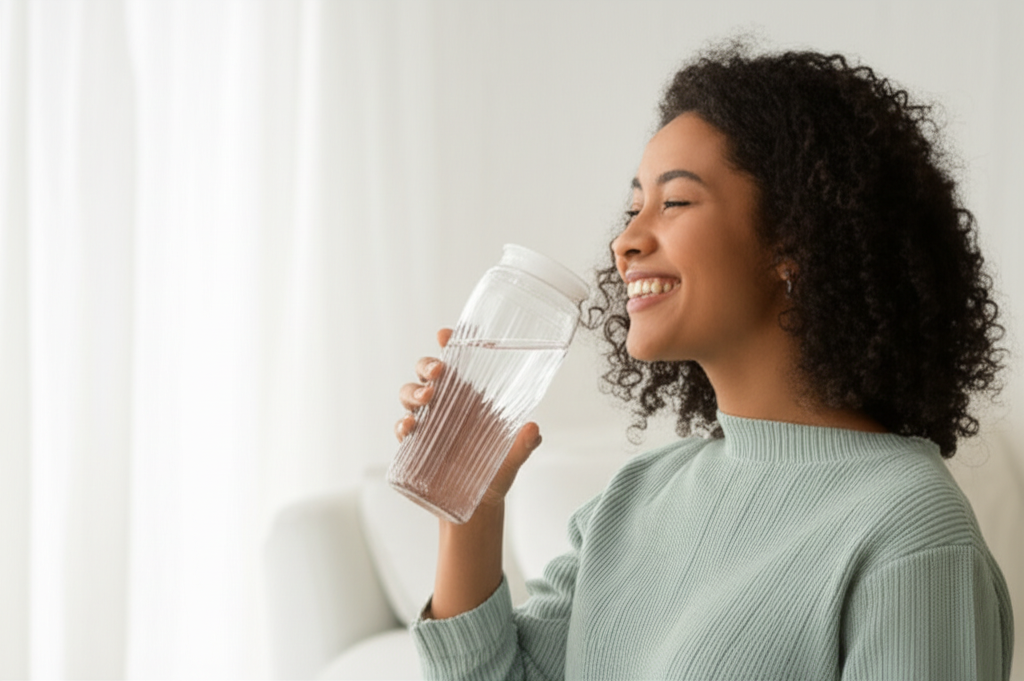
Welcome to the ultimate Beginner guide to hydration! In this comprehensive article, we’ll explore why staying properly hydrated is one of the simplest yet most profound steps you can take towards feeling your best, inside and out. It’s easy to overlook something as fundamental as drinking water, but consistent hydration is a cornerstone of overall well-being, influencing everything from your energy levels to your mood.
Many of us go through our days without truly understanding the incredible power of water for our bodies. You don’t need to be an athlete or a health guru to reap the benefits; you just need a little knowledge and a few easy habits. This guide is designed to be your friendly companion on your journey to better hydration, breaking down complex ideas into simple, actionable steps. Let’s dive in and discover how a little more H2O can make a big difference in your daily life!
What is Hydration and Why is it So Important for Your Body?
At its core, hydration is about maintaining the right balance of fluids in your body. Our bodies are made up of approximately 50-60% water, and this precious fluid plays countless vital roles. Think of water as the unsung hero working tirelessly behind the scenes, ensuring everything runs smoothly.
From regulating body temperature and lubricating joints to transporting nutrients and flushing out waste products, water is absolutely essential for almost every bodily function. It’s not just about quenching thirst; it’s about supporting your body’s intricate systems so they can perform at their best.
When you’re well-hydrated, you may notice a positive impact on various aspects of your health:
- Energy Levels: Feeling sluggish? Proper hydration can help combat fatigue and may support sustained energy throughout your day.
- Cognitive Function: Your brain is highly dependent on water. Staying hydrated is known to help maintain focus, concentration, and even mood.
- Skin Health: Water helps keep your skin supple and may support a healthy, radiant complexion.
- Digestion: Adequate fluid intake can help food move through your digestive system more smoothly and may support healthy bowel function.
- Physical Performance: Whether you’re exercising or just going about your daily tasks, hydration can help your muscles and joints work efficiently.
- Overall Wellness: Simply put, a well-hydrated body is a happy body! It’s a fundamental component of your overall health strategy.
As you can see, the benefits are far-reaching. Embracing a Beginner guide to hydration means embracing a path to a more vibrant you.
How Much Water Do You Really Need? Unraveling the Mystery
This is often the first question people ask, and it’s a great one! You’ve probably heard the classic advice to drink "eight glasses of water a day," and while that’s a good starting point for many, it’s not a one-size-fits-all rule. Your individual water needs can vary significantly based on several factors.
The amount of water you need depends on:
- Activity Level: If you’re active, exercising, or doing physical work, you’ll naturally need more fluids to replace what you lose through sweat.
- Climate: Living in a hot or humid environment, or at high altitudes, increases your fluid loss, so you’ll need to drink more.
- Diet: Eating a lot of water-rich foods (like fruits and vegetables) can contribute to your overall fluid intake. Conversely, a diet high in sodium might make you feel thirstier.
- Health Status: Certain health conditions, like fever, vomiting, or diarrhea, require increased fluid intake. Always consult with a healthcare professional if you have specific health concerns.
- Body Size: Generally, larger individuals may require more fluids than smaller ones.
Instead of rigidly sticking to a specific number, a more personalized approach is often best. Listen to your body! Thirst is your body’s natural signal that it needs fluids. However, sometimes by the time you feel thirsty, you might already be slightly dehydrated.
A good general guideline for adults is to aim for around 8-12 glasses (or 2-3 liters) of water daily, but adjust this based on the factors above. Pay attention to the color of your urine – ideally, it should be a pale yellow. Darker urine can be a sign that you need to drink more.
For more detailed information on water intake guidelines, the Mayo Clinic offers excellent resources on daily water consumption and what influences your needs. Learn more about water intake from Mayo Clinic (DoFollow link).
Beyond Plain Water: Other Hydrating Heroes
While plain water is the gold standard for hydration, it’s not the only source of fluids. Many foods and beverages contribute to your daily fluid intake, making it easier and more enjoyable to stay hydrated.
Water-Rich Foods: Nature’s Refreshers
Did you know that you can "eat" your water? Many fruits and vegetables have incredibly high water content, helping you stay hydrated while also providing essential vitamins and minerals. Incorporating these into your diet is a delicious way to boost your fluid intake.
Great examples include:
- Cucumber: About 95% water
- Watermelon: About 92% water
- Strawberries: About 91% water
- Lettuce: About 96% water
- Oranges: About 87% water
- Celery: About 95% water
Making a colorful salad, enjoying a fruit smoothie, or snacking on these hydrating foods throughout the day can significantly contribute to your overall fluid balance.
Other Hydrating Beverages: Variety is the Spice of Life
- Herbal Teas: Caffeine-free herbal teas (like peppermint, chamomile, or ginger) are wonderfully hydrating and can offer a soothing alternative to plain water.
- Sparkling Water: For those who enjoy a bit of fizz, unsweetened sparkling water can be a refreshing choice. You can add a squeeze of lemon or lime, or some berries for natural flavor.
- Diluted Juices: While fruit juices contain natural sugars, diluting them with water can make them a lighter, more hydrating option.
- Milk: Milk is also a good source of hydration and provides additional nutrients like calcium and vitamin D.
What to Limit (or Consume Mindfully)
Some beverages can contribute to dehydration if consumed in excess or without balancing with water:
- Sugary Drinks: Sodas, fruit punches, and energy drinks are often high in sugar and calories, and while they contain water, their overall impact on health isn’t ideal for regular hydration.
- Excessive Caffeine: While moderate coffee or tea consumption can contribute to your fluid intake, very high amounts of caffeine may have a mild diuretic effect for some individuals. It’s always a good idea to balance caffeinated beverages with plenty of water.
- Alcohol: Alcohol is a diuretic, meaning it increases urine production and can lead to dehydration. If you consume alcohol, remember to alternate with water to help mitigate its dehydrating effects.
Understanding these options helps you create a well-rounded hydration strategy, making your Beginner guide to hydration journey even more flexible and enjoyable.
Signs You Might Be Dehydrated (And What to Do)
Sometimes, we might not even realize we’re not drinking enough. Recognizing the signs of dehydration is key to addressing it promptly and feeling better. Your body often sends subtle signals before things get serious.
Common signs of mild to moderate dehydration include:
- Thirst: This is the most obvious signal! Don’t ignore it.
- Dry Mouth: A sticky or dry feeling in your mouth can indicate a need for fluids.
- Darker Urine: As mentioned before, if your urine is a deep yellow or amber, it’s time to drink up.
- Fatigue or Drowsiness: Feeling unusually tired or lethargic can be a sign of dehydration.
- Headache: Mild headaches are a common symptom of not drinking enough water.
- Infrequent Urination: If you’re not needing to use the restroom as often as usual, it could be a sign you’re not taking in enough fluids.
If you notice these signs, the solution is simple: start sipping water! Don’t try to chug a huge amount all at once, as this can sometimes lead to discomfort. Instead, aim to drink small amounts of water consistently over a period of time. You can also opt for electrolyte-rich fluids if you’ve been sweating a lot, but for most everyday situations, plain water is perfectly effective.
For more comprehensive information on dehydration symptoms and prevention, the World Health Organization (WHO) provides valuable resources on the importance of safe drinking water and hydration. Explore WHO resources on water and health (DoFollow link).
Your Beginner Guide to Hydration: Practical Habits for Daily Life
Now that you understand the "why" and "how much," let’s focus on the "how." Making hydration a consistent habit doesn’t have to be complicated. Here are 10 simple, actionable steps to integrate better hydration into your daily routine:
- Start Your Day with Water: Before your coffee or breakfast, drink a glass of water. It’s a wonderful way to kickstart your metabolism and rehydrate after hours of sleep.
- Keep Water Visible and Accessible: Place a water bottle on your desk, in your car, or by your bedside. If it’s in sight, you’re more likely to reach for it.
- Set Reminders: Use your phone, a smart bottle, or even sticky notes to remind yourself to drink throughout the day. There are many apps specifically designed for hydration tracking.
- Drink Before Meals: Having a glass of water 20-30 minutes before eating can not only aid digestion but also contribute significantly to your daily intake.
- Infuse Your Water: If plain water feels boring, get creative! Add slices of cucumber, lemon, lime, berries, mint leaves, or ginger for a refreshing, natural flavor boost.
- Carry a Reusable Water Bottle: Not only is this environmentally friendly, but it also makes it easy to refill and track your intake throughout the day. Choose a bottle you love using!
- Sip, Don’t Chug: Consistent sipping throughout the day is generally more effective for hydration than trying to drink large amounts all at once.
- Hydrate Around Workouts: Drink water before, during, and after exercise to replace fluids lost through sweat.
- Listen to Your Body: Pay attention to your thirst cues and the color of your urine. These are your body’s personalized hydration indicators.
- Make it a Challenge (Optional): Some people find motivation in friendly challenges. Try to drink an extra glass of water each day for a week, or track your progress with a buddy.
These practical steps form the core of your Beginner guide to hydration, transforming an often-overlooked necessity into an effortless part of your day.
Common Hydration Myths Debunked
There’s a lot of information (and misinformation!) out there about hydration. Let’s clear up a few common myths:
- Myth 1: You only need to drink when you’re thirsty. While thirst is a primary signal, waiting until you’re very thirsty can mean you’re already mildly dehydrated. It’s better to sip consistently throughout the day.
- Myth 2: Coffee and tea don’t count towards your fluid intake because they’re diuretics. While caffeine can have a mild diuretic effect, the water in these beverages still contributes to your overall fluid balance. Moderate consumption of caffeinated drinks can be part of your hydration strategy, but it’s always wise to balance them with plain water.
- Myth 3: More water is always better. While beneficial, excessive water intake (known as hyponatremia) can be dangerous, especially for individuals with certain health conditions or endurance athletes who don’t replace electrolytes. For most healthy individuals, listening to your body and consuming reasonable amounts is key. Always consult a healthcare provider if you have concerns about overhydration.
For further reliable health information, WebMD offers a wealth of articles on hydration and its impact on various body systems. Read more on hydration from WebMD (DoFollow link).
Overcoming Hydration Challenges
It’s normal to face a few hurdles when trying to build new habits. Here are some common hydration challenges and simple solutions:
- "I forget to drink water."
- Solution: Use technology! Set hourly reminders on your phone, or try a smart water bottle that tracks your intake and glows to remind you.
- "I don’t like the taste of plain water."
- Solution: Infuse it! Experiment with fruits, vegetables, and herbs like lemon, lime, berries, mint, or ginger. You can also try sparkling water with natural flavors.
- "Drinking more water means more bathroom trips."
- Solution: Your body will adjust! While you might notice more frequent trips initially, your bladder will likely adapt over time. The benefits of proper hydration far outweigh this minor inconvenience. Try to front-load your water intake earlier in the day if nighttime trips are a concern.
- "I’m worried about getting sick from tap water."
- Solution: If you have concerns about your tap water quality, consider using a water filter pitcher or a filter attached to your faucet. Bottled water is another option, but reusable filters are more environmentally friendly.
Remember, every small step counts. Don’t aim for perfection overnight. Consistency is far more important than intensity when it comes to forming lasting habits.
The Journey to Better Hydration Starts Now!
Congratulations! You’ve just completed your comprehensive Beginner guide to hydration. You now understand why water is so vital, how much you might need, what other hydrating options are available, how to spot dehydration, and practical ways to make hydration a seamless part of your daily life.
Embracing better hydration is a journey, not a destination. There might be days when you drink less than you planned, and that’s perfectly okay. The goal is progress, not perfection. Start small, be patient with yourself, and celebrate every glass of water you drink.
By making conscious efforts to stay well-hydrated, you’re not just quenching your thirst; you’re nourishing your body from the inside out. You’re supporting your energy, your mind, your skin, and your overall well-being. So, go ahead, grab a glass of water, and take the first step towards a healthier, happier, and more vibrant you! Your body will thank you.