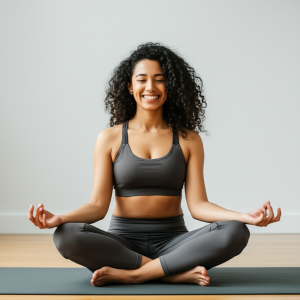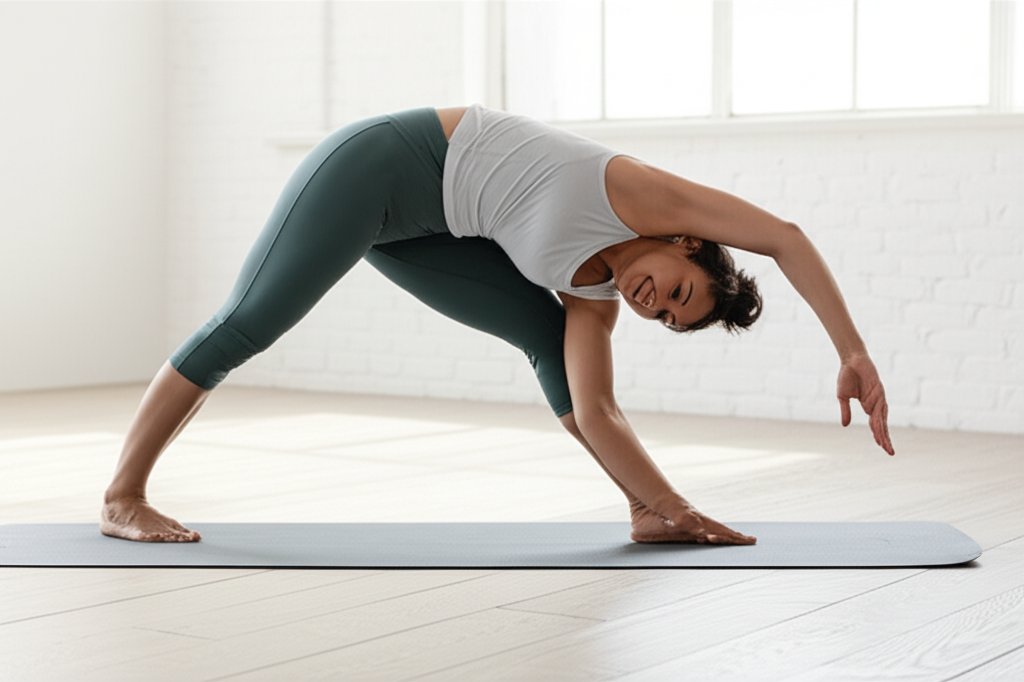
Embarking on a journey of well-being has never been more accessible, and discovering easy ways to practice yoga at home can be a truly transformative experience for your mind and body. In today’s busy world, finding time to attend studio classes can be a challenge, but that doesn’t mean you have to miss out on the incredible benefits of yoga. Whether you’re a complete beginner or looking to deepen an existing practice, your home can become your personal sanctuary for movement, breath, and mindfulness. This comprehensive guide will walk you through simple, actionable steps to integrate yoga into your daily life right from the comfort of your own space.
Why Practice Yoga at Home? The Benefits You’ll Love
Bringing yoga into your home offers a unique blend of convenience, comfort, and personal growth. There are numerous advantages to rolling out your mat in your own living room:
- Unmatched Convenience: No travel time, no strict schedules. You practice when it suits you best – whether it’s first thing in the morning, during a lunch break, or before bed.
- Cost-Effective: While studio memberships can be a significant investment, practicing at home can be completely free, thanks to a wealth of online resources.
- Personalized Experience: You can tailor your practice to your exact needs and mood each day. Want to focus on flexibility? Need stress relief? It’s all up to you.
- Comfort and Privacy: Some people feel self-conscious in a group setting. Your home provides a private, judgment-free zone where you can explore poses and movements at your own pace.
- Consistency: The easier it is to access, the more likely you are to stick with it. Home practice can help build a sustainable yoga habit.
Beyond these practical perks, regular yoga practice is known to support physical and mental well-being. It can help improve flexibility, build strength, and enhance balance. Many people find that yoga may support better sleep and can help reduce feelings of stress and anxiety. It’s a holistic practice that nurtures your entire being.
Getting Started: Your Home Yoga Sanctuary
You don’t need a dedicated yoga studio or fancy equipment to start practicing at home. The beauty of yoga is its simplicity. Here’s what you might consider:
Choosing Your Space
Find a spot in your home that offers enough room to stretch out comfortably. A corner of your living room, a spare bedroom, or even a quiet spot in your backyard can work perfectly. Try to choose a place that feels relatively calm and clutter-free, as this can help foster a sense of peace and focus. Good ventilation and natural light are a bonus!
Essential Gear (Minimal is Key!)
- Yoga Mat: While not strictly necessary (you can use a carpet or even a towel), a yoga mat provides cushioning for your joints and offers grip to prevent slipping. There are many affordable options available.
- Comfortable Clothing: Wear anything that allows you to move freely without restriction. Leggings, shorts, t-shirts – whatever makes you feel good and comfortable.
- Optional Props: As you progress, you might consider props like blocks, straps, or a bolster. These are designed to help you deepen stretches, find proper alignment, and make certain poses more accessible. For beginners, a pillow or a thick book can often substitute for a block, and a belt or scarf can act as a strap.
Setting the Mood (Completely Optional!)
While not essential for practicing easy ways to practice yoga at home, creating a pleasant atmosphere can enhance your experience.
- Lighting: Soft, natural light is often ideal.
- Sound: Gentle, calming music or the sound of nature can be wonderful.
- Aromatherapy: A diffuser with essential oils like lavender or frankincense can add to the serene ambiance.
Remember, the most important thing is to just start. Don’t let the lack of "perfect" conditions stop you.
Easy Ways to Practice Yoga at Home: Simple Steps for Beginners
Ready to roll out your mat? Here are 7 actionable and easy ways to practice yoga at home, perfect for anyone looking to begin or maintain a consistent practice.
1. Start with Short, Consistent Sessions
One of the most effective easy ways to practice yoga at home is to begin with short, manageable sessions. Don’t feel pressured to do an hour-long practice right away. Even 5-10 minutes of yoga a few times a week can create noticeable positive changes. The key is consistency over duration. A short daily practice is often more beneficial than a long, infrequent one. You could try:
- Morning Wake-Up: A gentle 10-minute stretch to greet the day.
- Mid-Day Recharge: A quick 15-minute flow to break up your workday.
- Evening Wind-Down: A relaxing 20-minute sequence to prepare for sleep.
2. Follow Beginner-Friendly Online Resources
The internet is a treasure trove of free and affordable yoga resources tailored for home practitioners. This is one of the most accessible easy ways to practice yoga at home.
- YouTube Channels: Search for "beginner yoga for home" or "gentle yoga sequence." Many channels offer free classes ranging from 5 minutes to an hour, often categorized by focus (e.g., flexibility, stress relief, core strength). Look for instructors who emphasize clear alignment cues and a slow pace.
- Yoga Apps: Many apps offer guided meditations and yoga classes, often with trial periods. They can provide structured programs and track your progress.
- Online Platforms: Websites dedicated to yoga offer subscriptions to a vast library of classes from various instructors. These often provide more in-depth instruction and community features.
3. Focus on Fundamental Poses
As a beginner, familiarize yourself with foundational yoga poses. These poses build strength, flexibility, and body awareness, forming the building blocks for a more advanced practice. Here are a few to get you started:
- Mountain Pose (Tadasana): Stand tall, feet hip-width apart, arms by your sides. Feel grounded, strong, and centered. This pose is known to support good posture.
- Child’s Pose (Balasana): Kneel on your mat, sit back on your heels, and fold forward, resting your torso on your thighs and forehead on the mat. Arms can be extended forward or alongside your body. This is a wonderful resting pose that can help calm the mind.
- Cat-Cow Pose (Marjaryasana-Bitilasana): Start on all fours. As you inhale, drop your belly, lift your chest and tailbone (Cow). As you exhale, round your spine, tuck your chin and tailbone (Cat). This flowing movement may support spinal flexibility.
- Downward-Facing Dog (Adho Mukha Svanasana): Start on all fours, lift your hips towards the sky, forming an inverted ‘V’ shape with your body. Spread your fingers wide, press through your hands, and lengthen your spine. This pose can help stretch the hamstrings and calves, and may support overall strength.
- Warrior II (Virabhadrasana II): Step one foot back, turning the back foot parallel to the short edge of your mat. Bend your front knee so it’s directly over your ankle. Extend your arms out to the sides, gazing over your front fingertips. This pose can help build leg strength and open the hips.
- Tree Pose (Vrksasana): Stand tall, shift weight to one foot, and bring the sole of the other foot to your inner ankle, calf, or thigh (avoiding the knee). Bring your hands to heart center or overhead. This pose may support balance and focus.
- Corpse Pose (Savasana): Lie flat on your back, arms slightly away from your body with palms up, feet falling open. Close your eyes and allow your body to completely relax. This pose is crucial for integration and deep relaxation, known to support stress reduction.
4. Emphasize Breathwork (Pranayama)
Yoga is not just about physical poses; breath is at its core. Learning to connect your breath with your movement is one of the most profound and easy ways to practice yoga at home.
- Deep Belly Breathing: Lie down or sit comfortably. Place one hand on your belly. Inhale deeply through your nose, feeling your belly rise. Exhale slowly through your nose, feeling your belly fall. This simple technique can help calm the nervous system.
- Ujjayi Breath (Victorious Breath): Gently constrict the back of your throat as you breathe in and out through your nose, creating a soft, ocean-like sound. This breath is often used during Vinyasa flow and may support focus and endurance.
Focusing on your breath grounds you in the present moment and deepens the mind-body connection.
5. Listen to Your Body
This is perhaps the most critical rule for easy ways to practice yoga at home, especially for beginners. Yoga should never feel painful.
- Modify Poses: If a pose feels too intense, modify it. For example, in Downward Dog, bend your knees deeply. In seated forward folds, keep your knees bent.
- Use Props: Blocks, blankets, or even household items can make poses more accessible and comfortable.
- Rest When Needed: Child’s Pose or simply lying down are always options if you need a break.
- No Competition: Your home practice is entirely yours. There’s no need to compare yourself to others or push yourself beyond your comfortable limits. Consistency and mindful movement are far more important than achieving a "perfect" pose.
6. Incorporate Mindfulness and Meditation
Yoga is a moving meditation. Even a few minutes of quiet contemplation or focused awareness can significantly enhance your practice.
- Before Practice: Take a few moments to sit quietly, noticing your breath and setting an intention for your practice.
- During Practice: Pay attention to the sensations in your body, the rhythm of your breath, and how your mind responds.
- After Practice: Conclude with Savasana (Corpse Pose) for relaxation, followed by a few minutes of seated meditation or simply sitting in stillness. This integration time is known to support mental clarity and emotional balance.
7. Create a Consistent Routine
Building a habit makes practicing easy ways to practice yoga at home much more sustainable.
- Schedule It: Treat your yoga time like any other important appointment. Put it on your calendar.
- Find Your Best Time: Are you a morning person who loves to energize with yoga? Or do you prefer winding down in the evening? Experiment to find what works best for you.
- Habit Stacking: Link your yoga practice to an existing habit. For example, "After I drink my morning coffee, I will do 15 minutes of yoga."
Common Questions & Tips for Your Home Practice
- How often should I practice? Even 2-3 times a week can yield benefits. Daily short practices are excellent if you can manage them. Consistency is key.
- What if I don’t have a mat? A non-slip rug, a folded blanket, or even just carpeted floor can work. Just be mindful of slippery surfaces.
- How can I stay motivated? Vary your routine, explore different online instructors, set small achievable goals, and remind yourself of how good you feel after practice. A journal can help track your progress and reflections.
- What if I feel pain? Stop immediately. Yoga should stretch and challenge you, but never cause sharp or persistent pain. Consult a healthcare professional if you have concerns about existing conditions or new pain. You can learn more about safe practices and general wellness from trusted sources like WebMD.
- Should I eat before practice? It’s generally best to practice on an empty stomach or at least 2-3 hours after a main meal. A light snack a bit closer to practice is usually fine.
- How do I know if my alignment is correct? Many beginner online classes offer detailed alignment cues. If possible, consider a single session with a local yoga instructor for personalized feedback, or use a mirror at home to observe your form. Remember, slight variations are normal, and listening to your body is paramount. For more information on yoga and its benefits, consider resources from reputable health organizations like Mayo Clinic.
Beyond the Poses: The Holistic Benefits of Yoga
Practicing easy ways to practice yoga at home extends far beyond physical flexibility and strength. It’s a journey that touches every aspect of your well-being. Regular practice is known to support:
- Stress Reduction: The combination of physical postures, breath control, and meditation can significantly lower stress levels and promote relaxation.
- Improved Focus and Concentration: By bringing your attention to your breath and body, yoga trains your mind to stay present, which can carry over into other areas of your life.
- Enhanced Mood: Many people report feeling more positive, calm, and balanced after yoga practice. It can help release tension and create a sense of inner peace.
- Better Body Awareness: You’ll become more attuned to your body’s signals, needs, and capabilities.
Embracing yoga at home is an investment in your holistic health. It’s a gentle yet powerful practice that can adapt to your life, offering tools for resilience, peace, and vitality.
Conclusion
Finding easy ways to practice yoga at home is not just a trend; it’s a practical and empowering approach to wellness. By starting with short, consistent sessions, utilizing online resources, focusing on fundamental poses and breathwork, and above all, listening to your body, you can cultivate a rich and rewarding yoga practice right in your own space. Remember, every journey begins with a single step – or in this case, a single mindful breath. Roll out your mat, press play on a beginner video, and allow yourself the gift of yoga. Your mind, body, and spirit will thank you for it.