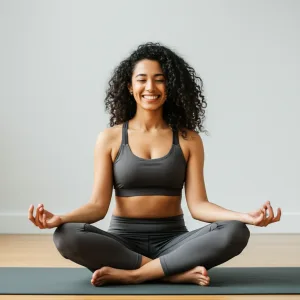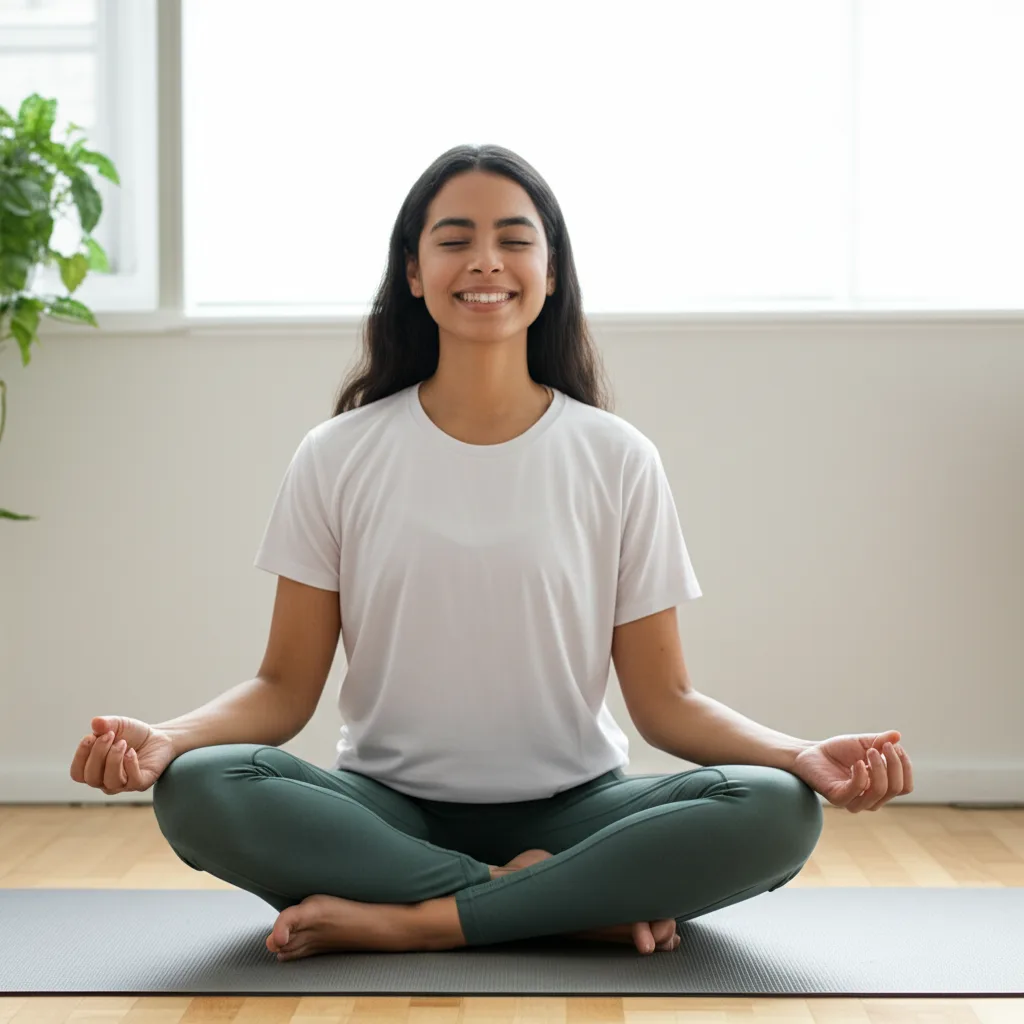
Are you looking for a fantastic way to bring more calm, strength, and flexibility into your life without leaving your living room? You’ve come to the right place! Discovering easy ways to practice yoga at home can be a truly transformative experience, opening up a world of well-being that fits perfectly into your busy schedule. Whether you’re a complete beginner or looking to rekindle your practice, the comfort and convenience of your own space make yoga more accessible than ever. This comprehensive guide will walk you through everything you need to know to start your joyful home yoga journey today, from setting up your space to simple poses and mindfulness techniques.
Why Practice Yoga at Home? The Benefits Are Abundant!
Embracing a home yoga practice offers a unique blend of advantages that can make it incredibly appealing. First and foremost, it’s about unparalleled convenience. No travel time, no strict class schedules – you practice when it suits you best, whether it’s first thing in the morning, during a lunch break, or winding down in the evening. This flexibility can be a game-changer for consistency, making it much easier to stick with your new routine.
Beyond convenience, practicing at home provides a sense of privacy and comfort that a studio setting might not always offer. You can wear what you like, play your favorite music (or enjoy silence), and move at your own pace without any self-consciousness. This private environment allows you to truly connect with your body and breath, fostering a deeper, more personal experience. It’s your sanctuary, where you can explore movements and stillness on your own terms.
Financially, a home practice can also be a very cost-effective option. While studio memberships can be wonderful, they can also be a significant investment. With a home setup, your initial costs are minimal, often just a mat, and you have access to a wealth of free online resources.
From a well-being perspective, regular yoga practice is known to offer a variety of general benefits. It can help improve physical flexibility, strength, and balance. Many people find that yoga may support better posture and body awareness. Beyond the physical, the mindful movement and breathwork inherent in yoga can play a role in promoting a sense of calm and may support stress reduction. It’s a holistic practice that can help you feel more grounded and centered in your daily life. For more information on the general benefits of regular physical activity like yoga, you can explore resources from reputable health organizations such as the Mayo Clinic.
Essential Gear for Your Home Yoga Practice (It’s Simpler Than You Think!)
One of the best things about starting your home yoga journey is how little you actually need. You don’t need fancy equipment or a dedicated yoga room to begin. Here’s a quick rundown of the essentials:
- A Yoga Mat: This is arguably the most crucial piece of equipment. A good yoga mat provides cushioning for your joints and, more importantly, a non-slip surface to help you maintain your poses safely. Look for one that’s comfortable and offers good grip.
- Comfortable Clothing: Wear anything that allows you to move freely without restriction. Loose-fitting shorts, leggings, or comfortable tops are perfect. The key is to avoid anything that digs in or makes you feel uncomfortable during movement.
- A Clear Space: You don’t need a huge area. Just enough room to fully extend your mat and stretch your arms and legs without bumping into furniture. Clear away any clutter to create a peaceful and safe environment.
- Optional Props (for added support): While not essential for beginners, props like yoga blocks, a strap, or even a folded blanket can be incredibly helpful.
- Yoga Blocks: These can bring the floor closer to you, making certain poses more accessible if your flexibility is still developing.
- Yoga Strap: A strap can help you deepen stretches or reach parts of your body you can’t quite grasp yet.
- Blanket or Cushion: Great for providing extra padding under your knees or for sitting comfortably during meditation or breathwork.
Remember, the goal is to make yoga accessible, so don’t let a lack of "perfect" gear deter you. Improvise with what you have – a towel can substitute for a mat in a pinch, and books can serve as makeshift blocks.
Getting Started: Your First Steps to Easy Ways to Practice Yoga at Home
Embarking on any new habit can feel daunting, but starting your home yoga practice can be incredibly straightforward and rewarding. Here’s how to set yourself up for success:
- Set a Schedule (and stick to it!): Consistency is more important than duration. Even 10-15 minutes a few times a week can make a significant difference. Choose a time that you can realistically commit to, whether it’s a few minutes after waking up or before bed.
- Choose a Quiet, Inviting Space: While you don’t need a dedicated studio, try to find an area in your home where you can minimize distractions. This might be a corner of your bedroom, living room, or even a quiet spot outdoors if weather permits. Make it feel inviting with a clean mat, perhaps some gentle lighting, or a pleasant scent.
- Cultivate a Patient and Kind Mindset: Yoga is a journey, not a destination. There’s no need to push yourself into advanced poses or compare your progress to others. Approach each practice with patience, curiosity, and self-compassion. Celebrate small victories and acknowledge your effort.
- Listen to Your Body: This is perhaps the most crucial advice for any home practice. Your body is your best teacher. If a pose causes sharp pain, ease out of it immediately. Discomfort is normal as you stretch, but pain is a signal to stop. Always prioritize safety and modify poses as needed to suit your current capabilities.
Finding Your Flow: Different Approaches to Easy Ways to Practice Yoga at Home
One of the beautiful aspects of practicing yoga at home is the freedom to explore various methods that resonate with you. There are many easy ways to practice yoga at home, ensuring there’s a style and approach for everyone.
Following Online Videos
This is by far one of the most popular and accessible ways to practice yoga at home. The internet is brimming with resources, from free YouTube channels to subscription-based platforms and dedicated yoga apps.
- YouTube Channels: Many certified yoga instructors offer free classes tailored for beginners, gentle yoga, restorative practices, or even short sequences for specific needs (like "yoga for back pain" or "morning energy flow"). This allows you to sample different styles and teachers to find what you enjoy.
- Yoga Apps: Apps like Down Dog, Yoga Studio, or Peloton offer structured classes, guided meditations, and often personalized programs based on your experience level and goals. Many offer free trials, allowing you to test them out.
- Online Platforms: Websites like YogaGlo, Alo Moves, or Gaia provide extensive libraries of high-quality classes from renowned instructors. While these typically require a subscription, they offer a vast array of styles and levels.
When choosing an online resource, look for instructors who provide clear, concise instructions and offer modifications for various body types and experience levels. This is key for a safe and effective home practice. For general guidelines on safe physical activity, resources like WebMD can offer helpful insights.
Structured Sequences (Like Sun Salutations)
Once you’re comfortable with a few basic poses, you might enjoy learning structured sequences like Sun Salutations (Surya Namaskar). These are a series of poses linked together with the breath, creating a flowing movement.
- Benefits: Sun Salutations are a fantastic way to warm up the body, build strength, and connect breath with movement. They can be incredibly meditative once you learn the sequence.
- How to Start: Many online videos specifically break down Sun Salutations for beginners, explaining each pose and transition slowly. Start with fewer rounds and gradually increase as you build stamina.
Gentle Stretching and Mindfulness
Yoga doesn’t always have to be about dynamic flows. Sometimes, the most profound practice can be found in gentle stretching combined with mindful awareness.
- Focus on Sensation: Instead of striving for a "perfect" pose, focus on how your body feels. Hold stretches for a bit longer, breathing into any areas of tension.
- Importance of Breathwork: Incorporate simple breath awareness. Just noticing the inhale and exhale can be a powerful anchor to the present moment, helping to calm the nervous system.
- Short Meditations: End your gentle stretch session with a few minutes of seated meditation, focusing on your breath or a guided body scan.
Restorative Yoga
If relaxation and deep release are your goals, restorative yoga might be a wonderful option. This style uses props extensively to support the body in comfortable, passive stretches, held for longer durations.
- Using Props for Support: Blankets, bolsters, and blocks are used to fully support the body, allowing muscles to relax completely.
- Longer Holds: Poses are typically held for 5-20 minutes, promoting deep relaxation and release of tension.
- Benefits: Restorative yoga is known to be deeply calming and may help soothe the nervous system. It’s an excellent choice for stress relief and unwinding.
7 Wonderful & Easy Ways to Practice Yoga at Home: Poses for Every Beginner
Here are seven foundational yoga poses that are perfect for beginners and can easily be incorporated into your home practice. Remember to move slowly, listen to your body, and breathe deeply.
-
Mountain Pose (Tadasana)
- How to: Stand tall with your feet hip-width apart, toes pointing forward. Distribute your weight evenly through your feet. Lengthen your spine, draw your shoulders back and down, and let your arms hang naturally by your sides, palms facing forward. Gaze straight ahead.
- Benefits: This foundational pose may support good posture, grounds you, and helps you become aware of your body’s alignment. It can help establish stability.
- Modification: If balancing is challenging, stand with your feet slightly wider apart.
-
Child’s Pose (Balasana)
- How to: Kneel on your mat, bringing your big toes to touch and spreading your knees wide (or keep them together for a different stretch). Sit your hips back towards your heels and fold your torso forward, resting your forehead on the mat. Your arms can extend forward or rest alongside your body, palms up.
- Benefits: Child’s Pose is incredibly calming and restorative. It can help gently stretch the hips, thighs, and ankles, and may support stress reduction. It’s a wonderful resting pose.
- Modification: Place a blanket or cushion under your forehead or between your hips and heels for extra comfort.
-
Cat-Cow Pose (Marjaryasana-Bitilasana)
- How to: Start on all fours (tabletop position) with your wrists under your shoulders and knees under your hips.
- Cow: On an inhale, drop your belly towards the mat, lift your chest and tailbone, and look up gently.
- Cat: On an exhale, round your spine towards the ceiling, tuck your chin to your chest, and press through your hands and knees.
- Benefits: This gentle flow warms up the spine, improves flexibility, and is known to coordinate breath with movement. It can help release tension in the back.
- Modification: Place a blanket under your knees if they are sensitive.
- How to: Start on all fours (tabletop position) with your wrists under your shoulders and knees under your hips.
-
Downward-Facing Dog (Adho Mukha Svanasana)
- How to: From tabletop, tuck your toes under, lift your hips high towards the ceiling, and straighten your legs (a slight bend is fine!). Press your hands firmly into the mat, fingers spread wide. Let your head hang naturally. Your body should form an inverted "V" shape.
- Benefits: Downward Dog stretches the entire back of the body, strengthens the arms and legs, and may help calm the mind. It’s known to invigorate the body.
- Modification: Keep a generous bend in your knees if your hamstrings are tight. You can also press your heels down one at a time, "walking" your dog.
-
Tree Pose (Vrksasana)
- How to: Stand in Mountain Pose. Shift your weight onto your left foot. Bring the sole of your right foot to your inner left ankle (kickstand), inner calf, or inner thigh (avoiding the knee joint). Bring your hands to prayer at your chest or extend them overhead like branches. Find a focal point (drishti) to help with balance.
- Benefits: Tree Pose is excellent for improving balance, strengthening the ankles and legs, and may help with focus and concentration.
- Modification: Keep your right toes on the floor with your heel lifted, using your inner ankle for support. You can also hold onto a wall or sturdy chair for stability.
-
Seated Forward Bend (Paschimottanasana)
- How to: Sit on your mat with your legs extended straight out in front of you, feet flexed. Inhale to lengthen your spine, then exhale as you hinge from your hips, folding forward over your legs. Reach for your shins, ankles, or feet. Keep your spine long, avoiding rounding your back.
- Benefits: This pose provides a deep stretch for the hamstrings, spine, and lower back. It can help calm the brain and may support stress relief.
- Modification: Place a folded blanket under your sitting bones to tilt your pelvis forward. Bend your knees generously if your hamstrings are tight.
-
Corpse Pose (Savasana)
- How to: Lie flat on your back, legs extended and slightly wider than hip-width apart, feet falling open naturally. Let your arms rest alongside your body, palms facing up, slightly away from your torso. Close your eyes and allow your body to completely relax.
- Benefits: Savasana is crucial for integrating the benefits of your practice. It helps calm the nervous system, may support mental clarity, and allows for deep relaxation.
- Modification: Place a rolled blanket under your knees or a small cushion under your head for added comfort.
Integrating Mindfulness and Breathwork into Your Home Practice
Yoga is much more than just physical postures; it’s a practice of connecting mind, body, and breath. Integrating mindfulness and breathwork (pranayama) can significantly deepen your experience and amplify the benefits of your easy ways to practice yoga at home.
The Power of Breath (Pranayama)
Your breath is a powerful tool for regulating your nervous system and enhancing your focus. Conscious breathing can help you stay present, manage energy levels, and promote a sense of calm.
- Simple Breathing Exercises:
- Belly Breathing (Diaphragmatic Breathing): Lie down or sit comfortably. Place one hand on your chest and the other on your belly. As you inhale, feel your belly rise. As you exhale, feel it fall. Focus on making your breath smooth and even. This can help activate the parasympathetic nervous system, which is responsible for rest and digestion.
- Ujjayi Breath (Victorious Breath): This breath involves a slight constriction in the back of the throat, creating a soft, ocean-like sound. Inhale and exhale slowly through your nose, making the sound. It’s often used during flowing yoga sequences to build heat and maintain focus.
Short Meditation at the End of Practice
Ending your yoga session with a few minutes of stillness and meditation can be incredibly beneficial.
- How to: After Savasana, gently sit up. Close your eyes (or soften your gaze). Focus on the sensation of your breath. When your mind wanders (which it will!), gently guide your attention back to your breath without judgment. Even 2-5 minutes can help consolidate the sense of peace and integration from your physical practice.
Regularly incorporating these mindfulness and breath practices can help extend the benefits of your yoga practice beyond the mat, bringing a greater sense of calm and awareness into your daily life. The World Health Organization (WHO) highlights the importance of physical activity for mental well-being, and practices like yoga, with their focus on breath and mindfulness, can certainly contribute to this aspect of health.
Common Questions About Practicing Yoga at Home
It’s natural to have questions when you’re starting something new. Here are answers to some common inquiries about finding easy ways to practice yoga at home:
- How long should my practice be?
Start small! Even 10-15 minutes a day, or a few times a week, is a fantastic beginning. As you build stamina and familiarity, you can gradually increase the duration. The key is consistency, not length. - What if I’m not flexible?
This is one of the most common misconceptions about yoga! You don’t need to be flexible to start yoga; yoga helps you become more flexible. Everyone starts somewhere. Focus on how the pose feels in your body, not how it looks. Over time, with consistent practice, you’ll notice improvements. - How often should I practice?
Again, consistency is key. Aim for 2-3 times a week initially, and if you enjoy it, you can increase to daily short practices. Even 5-10 minutes of gentle stretching and breathing daily can have profound effects. - What if I feel pain during a pose?
Always listen to your body. If you feel any sharp, stabbing, or pinching pain, ease out of the pose immediately. Yoga should not be painful. Discomfort as you stretch is normal, but pain is a sign to stop or modify. It’s always safer to modify a pose to suit your body than to push into pain. - Can I practice yoga on an empty stomach?
Many people prefer to practice yoga on an empty stomach or at least a few hours after a light meal to avoid discomfort during twists and inversions. However, listen to your body. If you need a small snack (like a banana) before practice, that’s perfectly fine.
Conclusion
Embarking on your yoga journey at home is an empowering and rewarding step towards a more balanced and vibrant life. With the myriad of easy ways to practice yoga at home available, from following online videos to embracing gentle stretches and mindful breathing, there’s truly an approach for everyone, regardless of experience or flexibility.
Remember, your home practice is your personal sanctuary. It’s a space for self-discovery, where you can move at your own pace, listen to your body’s wisdom, and cultivate a deeper connection with yourself. You don’t need to be perfect, you just need to begin. So, roll out your mat, take a deep breath, and allow the wonderful world of yoga to unfold right in your own home. Your journey to peace, strength, and well-being starts now!