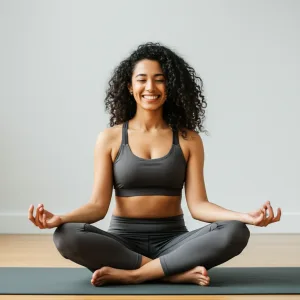
Welcome to your beginner guide to relaxation! In our fast-paced world, finding moments of calm can feel like a luxury, but it’s actually a fundamental need for our well-being. This comprehensive guide is designed to help you, as a beginner, unlock the power of relaxation and integrate simple, effective techniques into your daily life. You don’t need special equipment or a quiet retreat; just a willingness to explore and a little bit of patience. Let’s embark on this journey together to discover how truly beneficial learning to relax can be for your mind, body, and spirit.
What is Relaxation (and Why Does it Matter)?
At its core, relaxation is more than just flopping on the couch or zoning out in front of a screen. It’s an active process of releasing tension, calming your mind, and restoring balance within your body. When we’re stressed, our bodies activate the "fight or flight" response, which is great for immediate danger but not so good when it’s constantly on due to daily pressures. This constant state of alert can take a toll on us in many ways.
Learning how to relax intentionally helps to counteract this stress response. It allows your body to enter a "rest and digest" state, which is crucial for repair and recovery. The benefits of regular relaxation practices are vast and can truly transform your daily experience:
- May support stress reduction: Regular relaxation is known to help lower stress levels, making you feel more in control and less overwhelmed.
- Can help improve mood: By calming your nervous system, relaxation techniques can uplift your spirits and foster a more positive outlook.
- Is known to support better sleep: When your mind is quiet and your body is relaxed, falling asleep and staying asleep can become much easier.
- May enhance focus and concentration: A calm mind is a clear mind. Relaxation can help improve your ability to concentrate on tasks.
- Can help reduce physical tension: Many people carry stress in their shoulders, neck, and jaw. Relaxation techniques can help release this stored tension.
- Is known to support overall well-being: By nurturing both your mental and physical health, relaxation contributes to a more balanced and harmonious life.
For beginners, understanding that relaxation is a skill, not just a state, is key. Like any skill, it gets easier and more effective with practice. This beginner guide to relaxation will provide you with the tools to start that practice today.
The Modern Challenge: Why We Need Relaxation More Than Ever
In today’s interconnected world, constant demands from work, social media, family, and personal responsibilities can leave us feeling perpetually busy and often overwhelmed. The lines between work and leisure have blurred, and the pressure to always be "on" can be intense. This environment often leaves little room for natural relaxation, making intentional efforts to unwind more critical than ever.
Many of us don’t even realize how tense we are until we try to relax. Our bodies and minds become accustomed to a baseline level of stress. This is precisely why a structured approach, like the one offered in this beginner guide to relaxation, can be so valuable. It helps us consciously step away from the noise and gently guide ourselves back to a state of calm.
Your Beginner Guide to Relaxation: Simple Techniques to Get Started
Embarking on your relaxation journey doesn’t have to be complicated. The best approach for beginners is to start with simple, accessible techniques and gradually discover what resonates most with you. Here are seven effective strategies that are easy to learn and implement.
1. Mindful Breathing: Your Instant Reset Button
Breathing is something we do constantly, but conscious, mindful breathing is a powerful tool for relaxation. It’s often the first step in any beginner guide to relaxation because it’s always available to you.
How to Practice Mindful Breathing:
- Find a comfortable position: Sit or lie down in a quiet spot.
- Place one hand on your chest and the other on your belly: This helps you feel the movement of your breath.
- Inhale slowly through your nose: Feel your belly rise as if you’re filling a balloon. Your chest should remain relatively still.
- Exhale slowly through your mouth (or nose): Feel your belly gently fall. Try to make your exhale slightly longer than your inhale.
- Focus on the sensation: Pay attention to the air entering and leaving your body, the rise and fall of your belly.
- Repeat: Continue for 5-10 minutes. If your mind wanders, gently bring your focus back to your breath.
This technique, often called diaphragmatic or belly breathing, is known to activate the parasympathetic nervous system, which promotes relaxation. You can learn more about deep breathing exercises from reputable sources like the Mayo Clinic.
2. Gentle Stretching and Movement: Releasing Physical Tension
Stress often manifests as physical tension in our bodies. Gentle movement and stretching can be incredibly effective in releasing this stored tightness, making it an excellent addition to any beginner guide to relaxation.
How to Practice Gentle Stretching:
- Neck Rolls: Slowly roll your head in a circle, first clockwise, then counter-clockwise. Listen to your body and avoid any jerky movements.
- Shoulder Shrugs: Shrug your shoulders up towards your ears, hold for a few seconds, then release them down. Repeat several times.
- Cat-Cow Stretch (on hands and knees): Inhale as you arch your back and lift your head (cow pose), then exhale as you round your spine and tuck your chin (cat pose).
- Light Walking: Even a 10-15 minute walk, especially outdoors, can help clear your head and release physical stiffness.
The goal isn’t an intense workout but rather a gentle way to move your body and bring awareness to areas of tension.
3. Mindfulness and Meditation: Anchoring Yourself in the Present
Mindfulness is the practice of being fully present in the moment, observing your thoughts and feelings without judgment. Meditation is a formal practice of mindfulness. Both are powerful tools for learning to relax, especially for beginners.
How to Practice Simple Mindfulness/Meditation:
- Choose an anchor: This could be your breath, the sounds around you, or a specific sensation.
- Sit comfortably: Close your eyes or soften your gaze.
- Focus on your anchor: If you chose your breath, simply observe each inhale and exhale.
- Notice thoughts: When your mind wanders (and it will!), simply acknowledge the thought without engaging with it, and gently return your attention to your anchor.
- Start small: Begin with 2-5 minutes a day and gradually increase the time as you feel more comfortable.
Mindfulness is known to support a reduction in stress and an increase in emotional regulation. Resources like WebMD offer great insights into mindfulness for beginners.
4. Nature Connection: Finding Calm Outdoors
Spending time in nature, even if it’s just a local park or your backyard, can be profoundly relaxing. The sights, sounds, and smells of the natural world are known to have a calming effect on our nervous systems.
How to Connect with Nature for Relaxation:
- Take a mindful walk: Pay attention to the rustle of leaves, the warmth of the sun, the colors of flowers, the chirping of birds.
- Sit outdoors: Find a comfortable spot and simply observe your surroundings without distraction.
- Bring nature indoors: If going outside isn’t possible, look out a window, or add plants to your living space.
- Listen to nature sounds: Use recordings of rain, ocean waves, or forest sounds if you can’t be in nature directly.
This simple connection is a wonderful element of any beginner guide to relaxation, offering a gentle escape from daily pressures.
5. Music and Sound Therapy: Soothing Your Senses
Music and specific sound frequencies have a remarkable ability to influence our mood and promote relaxation. What sounds relaxing is subjective, so explore what works for you.
How to Use Sound for Relaxation:
- Listen to calming music: Classical, ambient, instrumental, or slow jazz are often good choices.
- Explore nature sounds: Rain, ocean waves, forest sounds, or gentle streams can be very soothing.
- Try binaural beats or guided meditations: Many apps and online resources offer these specifically designed to promote relaxation and sleep.
- Pay attention to everyday sounds: Sometimes simply focusing on a pleasant sound, like a purring cat or distant birdsong, can be a form of mindfulness.
Using sound to create a peaceful environment is a simple yet effective technique for beginners seeking to relax.
6. Progressive Muscle Relaxation (PMR): Tensing and Releasing
Progressive Muscle Relaxation is a technique where you systematically tense and then relax different muscle groups in your body. This helps you become more aware of the sensation of tension and release, which is incredibly helpful for physical relaxation.
How to Practice PMR:
- Find a quiet space: Lie down or sit comfortably.
- Start with your feet: Tense the muscles in your feet as tightly as you can for 5-10 seconds.
- Release the tension: Completely relax your feet, noticing the difference between tension and relaxation. Allow the tension to melt away.
- Move up your body: Continue this process for each major muscle group: calves, thighs, glutes, abdomen, chest, arms, hands, neck, shoulders, and face.
- Breathe: Remember to breathe slowly and deeply throughout the exercise.
PMR is a fantastic tool for a beginner guide to relaxation, as it clearly demonstrates the feeling of letting go of physical stress. You can find more detailed instructions on PMR from resources like WebMD.
7. Journaling: Unpacking Your Thoughts
Sometimes, our minds are cluttered with thoughts, worries, and to-do lists, making it hard to relax. Journaling can be a powerful way to "empty your mind" and gain clarity.
How to Use Journaling for Relaxation:
- Find a notebook and pen: Or use a digital document if you prefer.
- Set a timer: Start with 5-10 minutes.
- Write freely: Don’t worry about grammar, spelling, or coherence. Just let your thoughts flow onto the page. Write about anything that comes to mind: your day, your feelings, your worries, your dreams.
- No judgment: The purpose is to externalize your thoughts, not to analyze or fix them immediately.
- Try a gratitude journal: Listing things you’re grateful for can shift your perspective and promote positive emotions.
Journaling can provide a sense of release and order, which can be very relaxing. It’s a simple, accessible technique for anyone looking for a beginner guide to relaxation that addresses mental clutter.
Building a Relaxation Routine: Small Steps, Big Impact
The key to successful relaxation for beginners is consistency, not perfection. You don’t need to dedicate hours each day. Even 5-10 minutes of intentional relaxation can make a significant difference over time.
- Start small: Choose one or two techniques from this beginner guide to relaxation that appeal to you most.
- Schedule it: Treat your relaxation time like an important appointment. It could be first thing in the morning, during a lunch break, or before bed.
- Be flexible: Some days you might have more time, other days less. That’s okay! A few minutes is better than none.
- Experiment: Not every technique will work for everyone. Keep trying different methods until you find what truly helps you feel more at ease.
- Be patient and kind to yourself: Learning to relax is a process. There will be days when your mind is busy, and you feel frustrated. That’s normal. Acknowledge it, and gently return to your practice.
Remember, this is your journey to a more peaceful you. There’s no right or wrong way to relax, only what works best for your unique needs.
Common Questions and Tips for Your Relaxation Journey
As you begin to explore the world of relaxation, you might have some questions. Here are a few common ones and some supportive tips:
"What if I can’t relax?"
It’s a common experience, especially when you’re starting. Don’t get discouraged! The goal isn’t to force relaxation but to create the conditions for it. If your mind is racing, simply acknowledge those thoughts without judgment, and gently bring your attention back to your chosen technique. Consistency is more important than immediate success.
"How long will it take to see results?"
Some people feel an immediate sense of calm, while for others, the benefits build up over time. Be patient with yourself. Just like learning any new skill, it requires practice. Regular, even short, sessions are known to support long-term benefits for stress reduction and overall well-being.
"When is the best time to relax?"
The best time is whenever you can consistently fit it into your day. Many find mornings helpful to set a calm tone, while others prefer evenings to unwind before bed. Experiment to find what works for your schedule and energy levels.
"Can relaxation help with sleep?"
Yes, many relaxation techniques, especially mindful breathing, PMR, and gentle meditation, are known to support better sleep by calming the mind and body before bed. The World Health Organization (WHO) emphasizes the importance of a relaxing bedtime routine for good sleep hygiene.
"Is it okay to use apps or guided meditations?"
Absolutely! Many excellent apps and online resources offer guided meditations, relaxation exercises, and calming music, which can be incredibly helpful, especially for beginners. They can provide structure and guidance as you learn.
Conclusion
Embarking on a beginner guide to relaxation is a wonderful step towards nurturing your well-being. In a world that often demands so much of us, intentionally choosing to relax is an act of self-care and self-love. Remember that relaxation isn’t a luxury; it’s a vital component of a healthy, balanced life.
You now have a toolkit of seven simple yet powerful techniques: mindful breathing, gentle stretching, mindfulness and meditation, nature connection, music and sound therapy, progressive muscle relaxation, and journaling. Start with what feels accessible and enjoyable. Be patient, be persistent, and most importantly, be kind to yourself throughout this journey.
By integrating even a few minutes of relaxation into your daily routine, you can begin to experience greater peace, clarity, and resilience. Take that first breath, stretch that tired muscle, or simply listen to the sounds around you. Your journey to a more relaxed and peaceful you starts now.