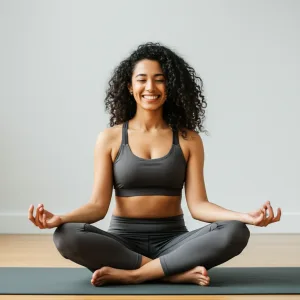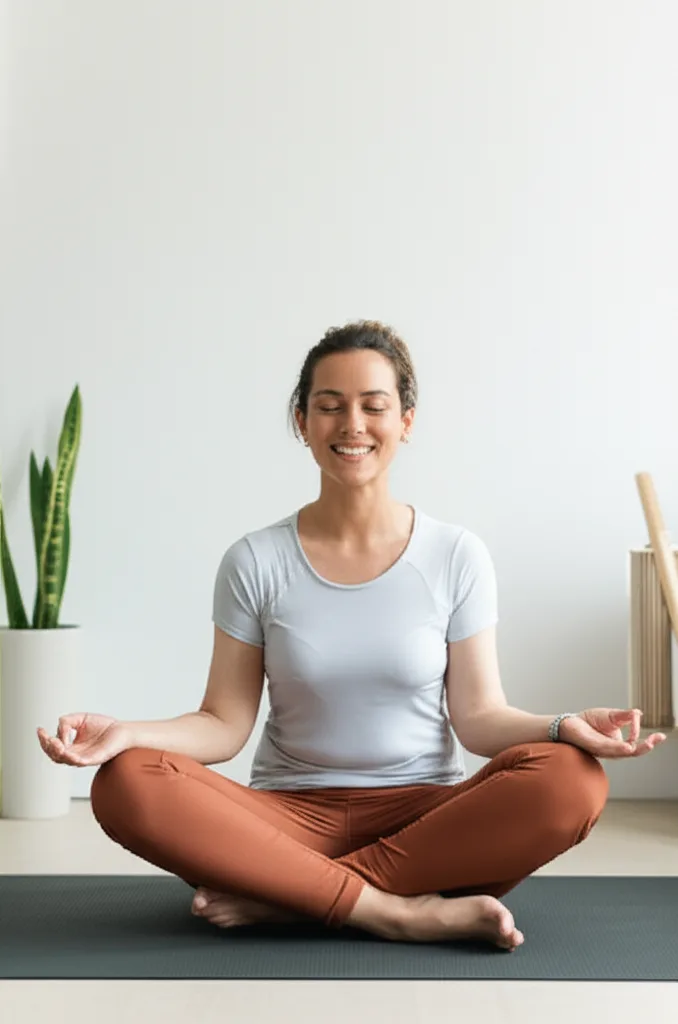
Life in the modern world often feels like a constant rush, pulling us in a million directions. Amidst the daily demands and digital distractions, finding a moment of calm can seem like an impossible task. However, cultivating a sense of inner peace doesn’t require a spiritual retreat or a hefty investment; it’s entirely possible to find easy ways to practice meditation at home, right where you are. This comprehensive guide will walk you through simple, accessible techniques to bring the profound benefits of meditation into your daily routine, all from the comfort and privacy of your own space.
Meditation, at its heart, is a practice of training attention and awareness to achieve a mentally clear and emotionally calm and stable state. While it sounds complex, it’s surprisingly simple to begin, especially when you have a supportive guide. You don’t need special equipment or years of experience; just a willingness to try and a few minutes of your day.
Why Embrace Meditation at Home?
The idea of starting a meditation practice can sometimes feel intimidating. Perhaps you envision sitting cross-legged for hours, or worry about "doing it wrong." Practicing meditation at home removes many of these common barriers, making it an incredibly appealing option for beginners and seasoned practitioners alike.
Here are just a few reasons why home meditation is a fantastic choice:
- Convenience: No travel, no rigid class schedules. You can meditate whenever it suits you – first thing in the morning, during a lunch break, or before bed.
- Comfort: You can sit on your favorite cushion, a chair, or even lie down. Your home is your sanctuary, allowing you to create the perfect environment.
- Privacy: For many, the thought of meditating in front of others can be daunting. Practicing at home allows you to explore and experiment without self-consciousness.
- Cost-Effective: It’s free! All you need is yourself and a few moments of your time.
- Integration: When you practice at home, it becomes easier to weave meditation into the fabric of your daily life, rather than seeing it as a separate activity.
Setting the Stage: Key Principles for Home Meditation
Before diving into specific techniques, a few foundational principles can significantly enhance your experience when exploring easy ways to practice meditation at home:
- Find Your Space: It doesn’t need to be elaborate. A quiet corner, a comfortable chair, or even your bed can serve as your meditation spot. The key is to minimize distractions as much as possible.
- Set a Consistent Time: Even if it’s just 5-10 minutes, choosing a regular time each day can help build the habit. Your mind and body will begin to anticipate this period of calm.
- Start Small: Don’t aim for an hour-long session on your first try. Begin with 3-5 minutes and gradually increase the duration as you feel comfortable. Consistency is more important than length.
- Be Patient and Kind to Yourself: Your mind will wander – it’s what minds do! When you notice your attention drifting, gently guide it back to your chosen anchor (like your breath). There’s no "failure" in meditation, only opportunities to practice returning to the present moment.
- Let Go of Expectations: Meditation isn’t about clearing your mind completely or achieving a state of bliss every time. It’s about observing what arises without judgment. Some days will feel more peaceful than others, and that’s perfectly normal.
Easy Ways to Practice Meditation at Home: 7 Simple Techniques
Here are seven accessible and effective techniques that make finding easy ways to practice meditation at home a reality for everyone, regardless of experience level.
1. Breath Awareness Meditation
This is often the first technique taught to beginners because of its simplicity and immediate effectiveness. Your breath is always with you, making it the perfect anchor for your attention.
How to Practice:
- Find a comfortable position: Sit on a cushion, a chair with your feet flat on the floor, or even lie down. Gently close your eyes or soften your gaze downwards.
- Bring your awareness to your breath: Notice the sensation of each inhale and exhale. Feel the air entering your nostrils, the rise and fall of your chest or abdomen, or the subtle movement of your diaphragm.
- Observe without judgment: Simply watch your breath as it flows in and out. Don’t try to control it; just let it be natural.
- Gently redirect: When your mind inevitably wanders (which it will!), simply acknowledge the thought without judgment and gently bring your attention back to the sensation of your breath.
- Start with 5 minutes: Set a timer and allow yourself to simply be with your breath.
Benefits: This technique can help calm the nervous system, improve focus, and cultivate a sense of presence. It’s a foundational skill for many other meditation practices.
2. Body Scan Meditation
The body scan is a wonderful practice for cultivating present moment awareness and deep relaxation by systematically bringing attention to different parts of your body. It’s one of the most effective easy ways to practice meditation at home for unwinding after a long day.
How to Practice:
- Lie down comfortably: Find a quiet space where you can lie on your back, perhaps on a mat or your bed. Let your arms rest at your sides, palms facing up, and your legs be slightly apart.
- Begin with your feet: Bring your full attention to your toes. Notice any sensations – warmth, coolness, tingling, pressure. Breathe into that area, imagining your breath flowing there.
- Slowly move upwards: Gradually move your attention to the soles of your feet, then your ankles, calves, knees, thighs, hips, and so on. Spend a minute or two on each area.
- Observe without judgment: As you scan, simply notice what you feel without trying to change anything. If you encounter an area of tension, simply acknowledge it and breathe into it, letting go of any expectation for it to disappear.
- Continue through your entire body: Work your way up through your torso, arms, hands, neck, face, and finally the crown of your head.
- Conclude: When you’ve scanned your entire body, take a few moments to rest in the awareness of your whole body breathing.
Benefits: This practice can help release physical tension, improve body awareness, and promote deep relaxation, which is known to support better sleep and overall well-being.
3. Loving-Kindness (Metta) Meditation
This beautiful practice focuses on cultivating feelings of warmth, kindness, and compassion towards yourself and others. It’s a powerful and easy way to practice meditation at home that can profoundly shift your emotional landscape.
How to Practice:
- Comfortable posture: Sit in a comfortable position, gently close your eyes.
- Start with yourself: Begin by directing loving-kindness towards yourself. Silently repeat phrases like:
- "May I be safe."
- "May I be happy."
- "May I be healthy."
- "May I live with ease."
Feel the sentiment behind these words.
- Extend to a loved one: Next, bring to mind someone you love dearly. Visualize them and silently repeat the phrases, directing them towards this person:
- "May you be safe."
- "May you be happy."
- "May you be healthy."
- "May you live with ease."
- Expand further: Gradually extend the practice to:
- A neutral person (someone you don’t know well, like a cashier).
- A difficult person (someone you have challenges with, offering compassion rather than condoning actions).
- All beings everywhere.
- Return to yourself: Conclude by bringing the feeling of loving-kindness back to yourself.
Benefits: Loving-kindness meditation can help reduce negative emotions, increase feelings of empathy and connection, and may support emotional resilience.
4. Walking Meditation
Meditation doesn’t always require sitting still. Walking meditation is a dynamic practice that brings mindfulness to movement, making it one of the more active easy ways to practice meditation at home (or in your garden!).
How to Practice:
- Find a clear path: Choose a quiet hallway, a section of your living room, or a safe, uninterrupted path in your garden.
- Slow your pace: Begin walking at a much slower pace than usual.
- Feel your feet: Bring your full attention to the sensations in your feet as they make contact with the ground. Notice the lifting of one foot, its movement through the air, and the gentle placement back down.
- Coordinate with breath (optional): You can gently coordinate your steps with your breath, perhaps inhaling for three steps and exhaling for three steps.
- Engage your senses: Notice the sights, sounds, and smells around you without getting caught up in them. Simply observe.
- When your mind wanders: Just like seated meditation, when you notice your mind drifting, gently bring your attention back to the sensations of walking.
Benefits: This practice can help ground you, reduce restlessness, and integrate mindfulness into your daily activities. It’s a great way to move your body while still cultivating presence.
5. Guided Meditation
For many beginners, guided meditations are among the most accessible and easy ways to practice meditation at home. An instructor’s voice leads you through the practice, offering prompts and gentle reminders.
How to Practice:
- Choose a guide/app: There are countless free and paid guided meditations available online, through apps (like Calm, Headspace, Insight Timer), or YouTube.
- Find a comfortable spot: Sit or lie down in a quiet place where you won’t be disturbed.
- Listen and follow: Put on headphones if you wish, and simply listen to the instructor’s voice, following their prompts.
- Don’t worry about perfection: If your mind wanders, or you miss a step, it’s okay. Just gently return your attention to the guide’s voice.
Benefits: Guided meditations provide structure and support, making it easier to stay focused. They offer a variety of techniques and can be tailored to specific goals like stress reduction, sleep, or focus.
6. Mindful Observation (Open Awareness)
This practice involves simply noticing whatever arises in your experience – thoughts, sounds, sensations, emotions – without judgment or attachment. It’s a less structured, yet profoundly insightful, easy way to practice meditation at home.
How to Practice:
- Sit comfortably: Take a comfortable seat, gently close your eyes, or soften your gaze.
- Open your awareness: Instead of focusing on one specific anchor like the breath, simply allow your awareness to be open to whatever is present.
- Observe thoughts: Notice thoughts as they arise and pass, like clouds drifting across the sky. Don’t engage with them or try to change them; just observe their presence.
- Listen to sounds: Pay attention to sounds within and outside your space. Hear them without labeling or judging them.
- Feel sensations: Notice any physical sensations in your body – warmth, coolness, tingling, pressure.
- No judgment: The key is to simply observe without getting caught up in analysis, storytelling, or judgment. Just be aware.
Benefits: This practice can help cultivate non-attachment, increase mental clarity, and deepen your understanding of the transient nature of thoughts and feelings.
7. Short Meditation Breaks (Micro-Meditations)
You don’t need a dedicated 20-minute slot to meditate. Integrating micro-meditations into your daily routine is one of the most practical and easy ways to practice meditation at home, bringing mindfulness to ordinary moments.
How to Practice:
- Mindful drinking: As you drink your tea or coffee, pause. Notice the warmth of the mug, the aroma, the taste on your tongue, the sensation as you swallow.
- Mindful washing dishes: Feel the water on your hands, the texture of the sponge, the shape of the dish. Bring your full attention to this simple task.
- Mindful walking (short burst): As you walk from one room to another, bring your awareness to your steps, your posture, and the environment around you.
- Mindful waiting: If you’re waiting for the kettle to boil or a website to load, instead of reaching for your phone, take a few deep breaths and simply be present.
- The "3-Breath Pause": Throughout your day, whenever you remember, take three conscious breaths. Inhale deeply, exhale slowly, and feel yourself grounding.
Benefits: These short bursts of mindfulness can help break cycles of automatic behavior, reduce stress in the moment, and build a sustained sense of presence throughout your day.
Tips for Success & Staying Consistent
Embarking on your meditation journey with these easy ways to practice meditation at home is a wonderful step. To ensure you stick with it and reap the full benefits, consider these additional tips:
- Create a Dedicated Space (Even a Small One): Having a specific spot, even if it’s just a cushion on the floor, can signal to your mind that it’s time to meditate.
- Use a Timer: A gentle timer helps you release the worry about how long you’ve been meditating, allowing you to fully immerse yourself in the practice.
- Journal Your Experience: After a session, jot down any insights, challenges, or feelings. This can help you track progress and understand your patterns.
- Don’t Strive for Perfection: There’s no "good" or "bad" meditation. Every session is simply a practice in bringing your attention back to the present moment.
- Be Patient: The benefits of meditation unfold gradually. Consistent, gentle effort over time is what truly matters.
- Explore Resources: The Mayo Clinic offers valuable insights into the benefits of meditation, from stress reduction to emotional well-being.
Addressing Common Challenges
Even with easy ways to practice meditation at home, you might encounter some hurdles. Here’s how to navigate them:
- Distracting Thoughts: This is the most common challenge! Don’t fight them. Acknowledge them gently ("Oh, there’s a thought about my to-do list") and then kindly return your attention to your anchor (breath, body sensation, etc.).
- Falling Asleep: If you tend to doze off, try meditating in a more upright posture, opening your eyes slightly, or practicing walking meditation.
- Lack of Time: Remember, even 3-5 minutes is beneficial. Integrate micro-meditations throughout your day.
- Boredom/Restlessness: This is an opportunity to practice patience and observe these feelings without judgment. Sometimes, simply acknowledging them can help them pass.
Integrating Meditation into Your Daily Life
Meditation isn’t just about formal seated practice; it’s about cultivating mindfulness that extends into every moment. Once you’ve explored easy ways to practice meditation at home, you can begin to weave this awareness into your daily tasks.
- Mindful Eating: Pay attention to the colors, textures, and flavors of your food. Chew slowly and savor each bite.
- Mindful Listening: When someone is speaking, truly listen without planning your response.
- Mindful Chores: Bring full attention to cleaning, gardening, or other household tasks.
- Mindful Technology Use: Before mindlessly scrolling, pause and ask yourself why you’re picking up your device.
The more you practice, the more you may find that this gentle awareness starts to permeate your entire day, offering a sense of calm and clarity even amidst busyness. For more ways to manage daily stress and enhance overall well-being, WebMD provides helpful resources on stress relief techniques, including meditation.
The Cumulative Benefits of Regular Practice
While we avoid specific medical claims, consistent meditation practice is known to support overall well-being. Regular engagement with these easy ways to practice meditation at home can help you cultivate a calmer mind, improve your ability to focus, and foster greater emotional balance. It’s a gentle yet powerful tool for navigating life’s ups and downs with more grace and resilience. The World Health Organization (WHO) emphasizes the importance of mental well-being for global health, and practices like meditation contribute significantly to individual mental health.
Conclusion
Embarking on a meditation journey at home is an accessible and rewarding path. By exploring these easy ways to practice meditation at home, you’re not just adding another item to your to-do list; you’re investing in your peace of mind and overall well-being. Remember, the goal isn’t to stop thinking or achieve enlightenment overnight, but rather to cultivate a kinder, more aware relationship with yourself and the present moment. Start small, be consistent, and most importantly, be gentle with yourself. Your journey to a calmer, more mindful life begins with a single breath, right in the comfort of your own home.