In our fast-paced world, finding moments of calm can feel like a luxury, but discovering easy ways to practice meditation at home is more accessible than you might think, offering a wonderful path to inner peace and clarity. Many people assume meditation requires special training, a quiet retreat, or hours of dedicated practice, but that couldn’t be further from the truth. The beauty of meditation is its adaptability, allowing you to weave moments of mindfulness into your daily life, right from the comfort of your own space.
This comprehensive guide is designed to help beginners and seasoned practitioners alike explore simple, effective, and accessible methods for cultivating a consistent meditation practice without ever having to leave your home. We’ll delve into various techniques, offer practical tips, and address common concerns, all while maintaining a warm, supportive, and beginner-friendly approach.
What is Meditation, Really? (And Why Does It Matter?)
At its heart, meditation is a practice of training attention and awareness to achieve a mentally clear and emotionally calm and stable state. It’s not about stopping your thoughts or emptying your mind, which is a common misconception. Instead, it’s about observing your thoughts and feelings without judgment, allowing them to come and go like clouds in the sky. It’s about being present, noticing the here and now, rather than getting caught up in worries about the past or anxieties about the future.
The practice of meditation is known to offer a range of potential benefits. For centuries, various traditions have recognized its capacity to support overall well-being. Many individuals find that regular meditation can help manage everyday stress, enhance focus, and promote a greater sense of calm and emotional balance. It may also support improved sleep quality and foster a more positive outlook on life. The World Health Organization (WHO) recognizes the importance of mental well-being and practices that support it. For more general information on the benefits of meditation and mindfulness, you can explore resources from reputable health organizations like the Mayo Clinic.
Why Choose to Practice Meditation at Home?
Practicing meditation at home offers unparalleled convenience and comfort, making it an ideal starting point for anyone interested in exploring mindfulness.
- Convenience: No travel time, no specific class schedules. You can practice whenever it suits you – first thing in the morning, during a lunch break, or before bed.
- Comfort: Your home is your sanctuary. You can wear what you want, sit where you want, and create an environment that feels safe and supportive.
- Cost-Effective: While there are paid apps and courses, many easy ways to practice meditation at home are completely free, requiring no special equipment or subscriptions.
- Personal Space: You have the freedom to experiment with different techniques without feeling self-conscious or pressured.
Getting Started: Creating Your Home Meditation Oasis
You don’t need an elaborate setup to start meditating. A few simple considerations can make a big difference:
- Find Your Quiet Spot: Choose a corner of a room, a comfortable chair, or even your bed. It doesn’t have to be perfectly silent, but a place where you’re less likely to be disturbed is ideal.
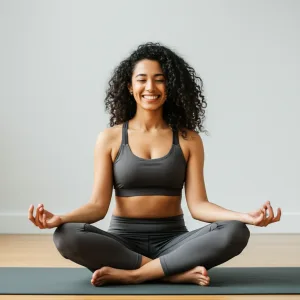
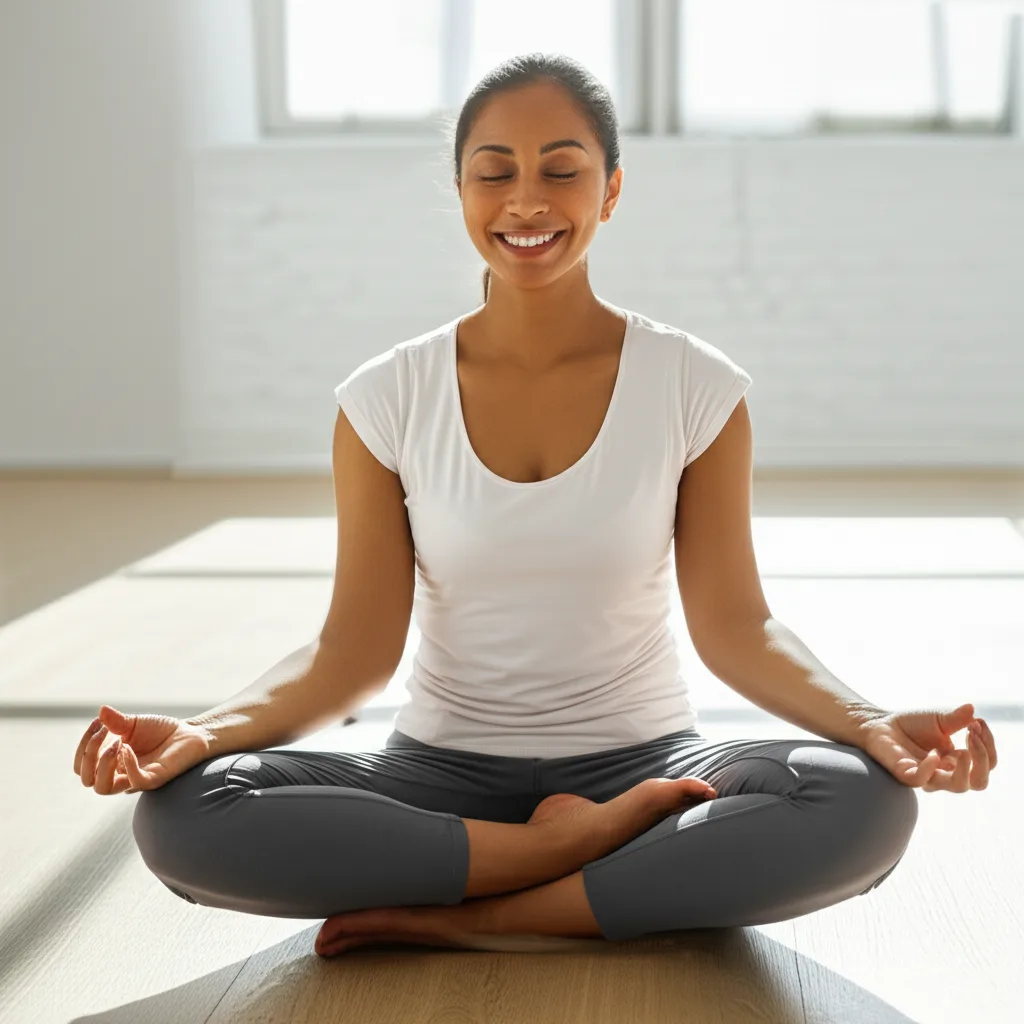
- Comfortable Posture: Whether sitting on a cushion on the floor, in a chair with your feet flat, or even lying down, ensure your spine is relatively straight but relaxed. The goal is to be alert yet comfortable enough to remain still for a few minutes.
- Set a Timer: Especially when starting, using a timer (for 2, 5, or 10 minutes) can free you from constantly checking the clock and allow you to fully immerse yourself in the practice. Many meditation apps have built-in timers with gentle chimes.
- No Special Equipment Needed: You don’t need incense, statues, or fancy cushions. Your presence is enough.
Exploring 7 Easy Ways to Practice Meditation at Home
Here are some accessible and effective techniques that make practicing meditation at home simple and enjoyable:
1. Mindful Breathing: The Foundation of Practice
Mindful breathing is perhaps the most fundamental and universally taught meditation technique. It’s incredibly simple yet profoundly effective for bringing you into the present moment.
How to Practice:
- Find Your Spot: Sit comfortably in your chosen quiet space. You can close your eyes gently or keep them softly focused on a point a few feet in front of you.
- Notice Your Breath: Bring your attention to the natural rhythm of your breath. Don’t try to change it, just observe. Feel the sensation of the air entering and leaving your body – perhaps at your nostrils, in your chest, or your abdomen.
- Anchor Your Attention: Choose one specific point where you feel your breath most vividly and let that be your anchor.
- Acknowledge Distractions: Your mind will wander. This is normal! When you notice your thoughts drifting (to your to-do list, a sound outside, a sensation), gently acknowledge them without judgment.
- Return to the Breath: Once you’ve noticed your mind has wandered, kindly guide your attention back to your chosen anchor point – the sensation of your breath.
- Start Small: Begin with just 2-5 minutes a day, gradually increasing the duration as you feel more comfortable.
This technique is one of the most straightforward easy ways to practice meditation at home and can be done anywhere, anytime.
2. Body Scan Meditation: Connecting with Your Physical Self
The body scan is a wonderful way to cultivate awareness of your physical sensations and release tension you might not even realize you’re holding. It’s a fantastic choice for relaxation and unwinding.
How to Practice:
- Lie Down or Sit Comfortably: You can lie on your back on a mat or bed, or sit in a comfortable chair.
- Begin with Your Toes: Bring your awareness to your toes. Notice any sensations there – warmth, coolness, tingling, pressure. Just observe without judgment.
- Slowly Move Up: Gradually move your attention up through your body: your feet, ankles, calves, knees, thighs, hips, abdomen, lower back, upper back, chest, fingertips, hands, wrists, forearms, elbows, upper arms, shoulders, neck, and finally your face and head.
- Notice and Release: As you focus on each area, simply notice what’s present. If you find any tension, on an out-breath, imagine that tension softening or releasing.
- Gentle Awareness: Continue this slow, systematic scan through your entire body. If your mind wanders, gently bring it back to the part of the body you were focusing on.
- Total Body Awareness: After scanning your whole body, take a moment to feel your entire body as a whole, resting and breathing.
3. Walking Meditation: Mindfulness in Motion
Who says you have to sit still to meditate? Walking meditation is a dynamic way to bring mindfulness into your movement, making it one of the more active easy ways to practice meditation at home (or just outside your home).
How to Practice:
- Find a Path: This can be a short path in your living room, a hallway, or a quiet stretch in your backyard.
- Slow Down: Begin by walking at a slower pace than usual.
- Feel Your Feet: Bring your attention to the sensations in your feet as they make contact with the ground. Notice the lift of one foot, the forward motion, and the gentle placement of the other.
- Coordinate with Breath (Optional): You can coordinate your breath with your steps, perhaps inhaling for three steps and exhaling for three steps.
- Engage Your Senses: As you walk, notice the sights, sounds, and smells around you, but without getting carried away by them. Just observe them as they pass through your awareness.
- Return Gently: When your mind wanders, gently guide your attention back to the sensation of your feet on the ground.
- Duration: Start with 5-10 minutes.
4. Loving-Kindness (Metta) Meditation: Cultivating Positive Emotions
Loving-kindness meditation is a beautiful practice focused on developing feelings of warmth, friendliness, and compassion towards yourself and others. It’s a wonderful way to nurture a positive inner landscape.
How to Practice:
- Find Your Seat: Sit comfortably, close your eyes, and take a few deep breaths to settle yourself.
- Start with Yourself: Begin by directing feelings of loving-kindness towards yourself. You can repeat phrases silently, such as:
- "May I be safe."
- "May I be happy."
- "May I be healthy."
- "May I live with ease."
- Really try to feel the sentiment behind these words.
- Extend to Loved Ones: Next, bring to mind someone you love dearly – a family member, a friend, or even a pet. Extend the same well-wishes to them:
- "May you be safe."
- "May you be happy."
- "May you be healthy."
- "May you live with ease."
- Move to Neutral People: Then, consider someone you feel neutral about – an acquaintance, a cashier, or a neighbor you don’t know well. Extend the same phrases to them.
- Extend to Difficult People (Optional): If you feel ready, you can extend loving-kindness to someone with whom you have difficulty. This can be challenging, so proceed gently and with self-compassion.
- Extend to All Beings: Finally, expand your awareness to include all beings everywhere, wishing them well-being and peace.
- Feel the Warmth: Throughout the practice, try to cultivate a genuine feeling of warmth and good wishes in your heart.
5. Guided Meditations: Your Audio Companion
For many beginners, guided meditations are one of the most accessible and easy ways to practice meditation at home. An instructor’s voice leads you through the practice, making it easier to stay focused and understand the steps.
How to Practice:
- Find a Source: Numerous free and paid apps (like Calm, Headspace, Insight Timer), YouTube channels, and websites offer guided meditations.
- Choose a Practice: Select a meditation that aligns with your current needs – whether it’s for relaxation, stress reduction, sleep, or focus.
- Listen and Follow: Find a comfortable position, put on headphones if you like, and simply listen to the instructions. The guide will tell you where to place your attention, how to breathe, and what to notice.
- Experiment: Try different guides and styles until you find what resonates best with you.
6. Mindful Eating/Drinking: Savoring Every Bite
Mindful eating or drinking transforms an everyday activity into a powerful meditation practice, connecting you deeply with your senses and the present moment.
How to Practice:
- Choose a Small Item: Start with something small like a raisin, a piece of chocolate, or a sip of tea.
- Observe Visually: Look at it closely. Notice its color, shape, texture, any reflections or patterns.
- Engage Your Sense of Smell: Bring it to your nose and inhale deeply. What scents do you detect?
- Feel the Texture: If applicable, feel its texture in your fingers.
- Slowly Place in Mouth: Put it in your mouth but don’t chew immediately. Notice the sensations on your tongue, the taste.
- Chew Slowly: Take one or two slow chews. Notice how the taste and texture change. Continue to chew, noticing every sensation, before swallowing.
- Notice the Aftertaste: Pay attention to the lingering taste and sensations after you’ve swallowed.
- Apply to Meals: You can apply this same focused attention to an entire meal, eating slowly, savoring each bite, and noticing the satiety cues from your body.
7. Short Breaks & Micro-Meditations: Integrating Mindfulness Daily
You don’t need a dedicated 30-minute slot to meditate. Integrating micro-meditations or mindful moments throughout your day is one of the most practical and easy ways to practice meditation at home or anywhere else.
How to Practice:
- The "Stop" Practice: Several times a day, just Stop for a moment.
- Stop what you’re doing.
- Take a breath.
- Observe your thoughts, feelings, and sensations.
- Proceed with awareness.
- Mindful Transitions: Use transitions as opportunities for mindfulness. When you’re walking from one room to another, waiting for the kettle to boil, or washing your hands, bring your full attention to that activity. Feel the water, notice the soap, observe the sounds.
- One-Minute Breath: Set an alarm to go off a few times a day. When it rings, take one minute to simply focus on your breath.
Tips for a Successful Home Meditation Practice
- Start Small, Be Consistent: Begin with just 2-5 minutes a day. The key is consistency, not duration. A daily 5-minute practice is far more beneficial than an hour once a month.
- Be Patient and Kind to Yourself: Meditation is a practice, not a destination. There will be days when your mind feels calm and days when it feels like a whirlwind. Both are normal. Treat yourself with compassion.
- Don’t Judge Your Thoughts: The goal isn’t to stop thinking. It’s to notice your thoughts without getting swept away by them. Thoughts are just thoughts; they aren’t facts, and they don’t define you.
- Experiment with Techniques: Not every technique will resonate with everyone. Try different methods until you find one or two that feel right for you.
- Make It a Habit: Try to practice at the same time each day. This helps build a routine and makes it easier to stick with your practice.
- Remember Your "Why": Remind yourself why you started. Is it to reduce stress? To improve focus? To cultivate more peace? Remembering your motivation can help you stay committed.
- Consider a Journal: After your meditation, a quick journal entry can help you track your progress, notice patterns, and reflect on your experiences.
Addressing Common Concerns About Practicing at Home
- "My mind is too busy; I can’t meditate." This is the most common misconception! A busy mind is precisely why meditation can be so helpful. The practice isn’t about having a quiet mind; it’s about learning to observe the busy mind without getting entangled. With practice, you may notice moments of spaciousness.
- "I can’t sit still for long." That’s perfectly fine! Start with very short durations (even 1-2 minutes). If sitting is uncomfortable, try a walking meditation or a body scan while lying down.
- "Am I doing it right?" There’s no "right" or "wrong" way to meditate, only practice. If you are bringing your attention to the present moment and gently redirecting it when your mind wanders, you are meditating. Be gentle with yourself.
- "It feels boring/nothing is happening." Meditation is often subtle. The changes it may bring often unfold gradually. Sometimes, the most profound work happens when we feel "nothing" is happening. Stick with it, and trust the process.
The Journey of Meditation: Small Steps, Big Changes
Embarking on a meditation journey from home is an empowering step towards cultivating greater well-being and inner peace. By exploring these easy ways to practice meditation at home, you’re giving yourself a powerful tool to navigate the complexities of modern life with more grace and clarity. Remember, every moment of mindfulness, no matter how brief, is a step in the right direction. It’s not about perfection, but about consistent, gentle practice.
You hold the power to create a sanctuary within yourself, accessible whenever you need it. So take a deep breath, choose a technique that calls to you, and begin your mindful journey today. The peace you seek may be closer than you think, residing within you, waiting to be discovered.