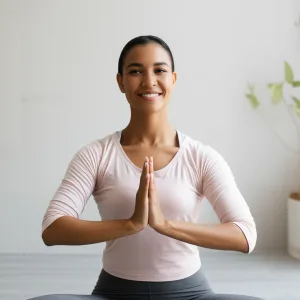
In our fast-paced, screen-dominated world, it’s no secret that our eyes work harder than ever. From scrolling through social media to hours spent on professional tasks, digital eye strain has become a common complaint. But what if there were simple, gentle practices that could offer a sense of calm and support for your eye comfort? This article will explore simple tips for meditation in eye health, offering a refreshing perspective on how mindfulness can play a role in your overall well-being, including how you perceive and experience your vision.
It’s easy to feel overwhelmed by the constant visual input, leading to feelings of fatigue and tension. While meditation isn’t a cure for eye conditions or a replacement for professional medical advice, it is a powerful tool for stress reduction and promoting a sense of ease throughout your entire body. When we feel relaxed, our whole system can benefit, and this includes the muscles around our eyes and our overall visual experience. Let’s dive into how you can gently integrate these practices into your daily life, fostering a more mindful approach to your eye comfort.
The Modern Eye Landscape: Navigating Digital Strain
Before we explore the meditative practices, it’s helpful to understand the context of modern eye use. Many of us spend significant portions of our day gazing at digital screens. This constant near-focus work, combined with reduced blinking rates, can lead to symptoms often described as digital eye strain. These might include feelings of dryness, fatigue, blurred vision, or even headaches. It’s a common experience, and recognizing it is the first step toward finding supportive solutions.
Stress, too, plays a significant role in our overall physical and mental state. When we’re stressed, our bodies tend to tense up, and this tension can extend to the muscles around our eyes and even impact our blinking patterns. Meditation, being a renowned stress-reduction technique, is known to promote a state of deep relaxation. By easing general body tension and calming the mind, meditation can help create a more conducive environment for overall comfort and well-being, which may indirectly support a more relaxed visual experience.
The Mind-Body Connection: How Meditation May Support Eye Well-being
The connection between our minds and bodies is profound. What affects one often influences the other. Meditation, at its core, is about bringing awareness to the present moment, cultivating a state of calm, and reducing mental chatter. Here’s how these principles may offer support for your eye comfort:
- Stress Reduction: Meditation is widely known to reduce stress hormones like cortisol. Lowering stress levels can help to relax the entire body, including the delicate muscles surrounding your eyes. When these muscles are less tense, you may experience a greater sense of ease.
- Increased Awareness: Practicing mindfulness can help you become more attuned to your body’s signals. You might start noticing when your eyes feel strained, when you’re squinting, or when you haven’t blinked in a while. This awareness empowers you to take breaks and adjust your habits proactively.
- Improved Focus & Concentration (without strain): While meditation improves focus, it does so in a relaxed, non-straining way. This gentle focus can translate into a more conscious approach to how you use your eyes, encouraging more frequent breaks and a softer gaze.
- Promoting the Relaxation Response: Meditation activates the parasympathetic nervous system, initiating the body’s "rest and digest" response. This physiological shift can lead to reduced muscle tension throughout the body and a feeling of deep calm, which may contribute to overall eye comfort.
It’s important to reiterate that these meditative practices are not treatments for specific eye conditions but rather complementary tools that can help you manage stress and cultivate a greater sense of comfort and well-being, which may in turn support your visual experience.
7 Simple Tips for Meditation in Eye Health
Ready to bring a dose of calm to your visual world? Here are some beginner-friendly, simple tips for meditation in eye health that you can easily incorporate into your daily routine. Remember to approach these practices with gentleness and curiosity, rather than striving for a specific outcome.
1. Mindful Breathing for Eye Relaxation
One of the easiest ways to start is with your breath. Deep, conscious breathing is known to activate your body’s relaxation response.
- How to do it: Find a comfortable seated position. Gently close your eyes or soften your gaze. Place one hand on your belly. Inhale slowly through your nose, feeling your belly rise. Exhale slowly through your mouth, feeling your belly fall. Focus solely on the sensation of your breath moving in and out.
- Eye Health Connection: As your body relaxes with each breath, you may notice a softening of the muscles around your eyes. This simple act of conscious breathing can help release general tension that might be contributing to eye discomfort. Practice for 5-10 minutes.
2. Gentle Eye Palming
Palming is a classic relaxation technique for the eyes, often integrated into meditation practices to create a soothing, dark environment.
- How to do it: Rub your palms together briskly for about 10-15 seconds until they feel warm. Gently cup your warm palms over your closed eyes, ensuring no light penetrates. Avoid pressing on your eyeballs. Just let the warmth and darkness envelop your eyes. Breathe deeply and focus on the sensation of warmth and relaxation.
- Eye Health Connection: The warmth can help to soothe the delicate muscles around the eyes, while the darkness provides a much-needed break from visual stimulation. This practice may help to reduce feelings of fatigue and promote a sense of calm. Stay in this position for 1-5 minutes.
3. The 20-20-20 Rule with a Mindful Twist
The 20-20-20 rule is a widely recommended practice for digital eye strain, and adding mindfulness can enhance its benefits.
- How to do it: Every 20 minutes, look away from your screen at an object 20 feet away for at least 20 seconds. The mindful twist comes in during those 20 seconds: instead of just letting your mind wander, bring your full attention to the object. Notice its color, shape, texture (without straining). Blink slowly and deliberately during this time.
- Eye Health Connection: This rule is known to give your focusing muscles a much-needed break. Integrating mindfulness can help you truly disengage from your screen and bring your awareness to your surroundings, potentially enhancing the feeling of relaxation. For more information on digital eye strain and preventative measures, you can consult resources like the Mayo Clinic.
4. Mindful Gaze (Soft Focus Meditation)
This practice encourages a gentle, unfocused way of seeing, contrasting with the intense focus often required by screens.
- How to do it: Find a pleasant, natural object in your environment – perhaps a plant, a cloud, or a distant tree. Soften your gaze, allowing your eyes to rest lightly on the object without trying to focus intensely on any single point. Let your peripheral vision expand. Breathe naturally. You’re not trying to "see" anything specific, but rather to experience seeing in a relaxed way.
- Eye Health Connection: This soft focus can help to relax the muscles responsible for accommodation (focusing). It encourages a less effortful way of seeing, which may reduce feelings of strain. This is a great exercise for incorporating simple tips for meditation in eye health as it directly engages your visual sense in a gentle manner. Practice for 5-10 minutes.
5. Visualization for Eye Comfort
Visualization is a powerful meditative technique that can promote relaxation and a sense of well-being.
- How to do it: Close your eyes or keep them softly open. Imagine a soothing scene – perhaps a cool, gentle mist falling on your eyes, or your eyes resting comfortably in a soft, dark space. Visualize them feeling refreshed, hydrated, and completely at ease. You might imagine a cool, flowing stream or a peaceful, green meadow.
- Eye Health Connection: While purely imaginative, the mind can influence the body. This practice may help to reduce tension and create a feeling of comfort and refreshment in the eye area. It’s a wonderful way to mentally reset and give your eyes a "mini-vacation."
6. Body Scan with an Eye Focus
A body scan meditation systematically brings awareness to different parts of your body. You can tailor it to focus specifically on your eyes.
- How to do it: Lie down or sit comfortably. Close your eyes. Begin by bringing your awareness to your toes, then slowly move up through your body, noticing any sensations without judgment. When you reach your face, pay special attention to your eyes. Notice if there’s any tension in your eyelids, around your eyebrows, or behind your eyes. Imagine your breath flowing into and out of your eyes, releasing any tension with each exhale.
- Eye Health Connection: This heightened awareness can help you identify and gently release unconscious tension in and around your eyes. By consciously relaxing these areas, you may experience a greater sense of comfort. This comprehensive approach to simple tips for meditation in eye health helps integrate eye comfort into your overall physical awareness.
7. Creating a Serene Environment
While not a direct meditation technique, mindfully adjusting your environment can greatly support your visual comfort and create a more conducive space for relaxation.
- How to do it: Take a moment to assess your workspace or the area where you spend most of your time. Is there harsh glare from a window or overhead light? Can you adjust your monitor settings for optimal brightness and contrast? Are you taking regular breaks from screens? Ensure your lighting is adequate but not overly bright.
- Eye Health Connection: A comfortable visual environment can reduce the strain on your eyes throughout the day. By proactively managing glare and lighting, you’re creating a foundation that can support your eyes, making it easier to integrate other meditative practices for greater comfort. WebMD offers excellent advice on managing computer eye strain.
Integrating Meditation into Your Daily Routine
The beauty of these simple tips for meditation in eye health is their flexibility. You don’t need hours to practice. Even a few minutes a day can make a difference.
- Start Small: Begin with 5-10 minutes for one or two practices.
- Be Consistent: Regular, short practices are often more beneficial than infrequent long ones.
- Find Your Space: Choose a quiet place where you won’t be disturbed.
- No Perfection Needed: Meditation isn’t about clearing your mind completely but about gently bringing your attention back when it wanders.
- Listen to Your Body: If any practice feels uncomfortable, gently stop and try another.
Remember, the goal is not to "fix" your eyes but to cultivate a greater sense of relaxation, awareness, and comfort. By reducing overall stress and fostering a calmer internal state, you can support your body’s natural capacity for ease and well-being. The World Health Organization (WHO) emphasizes the importance of mental well-being for overall health, and meditation plays a key role in achieving this.
Important Considerations: A Note on Safety and Support
While these meditative practices are generally safe and beneficial for promoting relaxation and comfort, it is crucial to understand their scope.
- These tips are NOT a substitute for professional eye care. If you are experiencing persistent eye discomfort, changes in vision, pain, or any other concerning symptoms, please consult an ophthalmologist or optometrist. They can diagnose and treat underlying medical conditions.
- Meditation can complement traditional care by supporting your overall well-being and stress management, but it should not be used as a treatment for specific medical eye conditions.
- Always listen to your body. If any practice causes discomfort or pain, stop immediately.
These simple tips for meditation in eye health are offered as a supportive resource for enhancing your daily comfort and mindfulness, not as a medical intervention.
Embrace a Calmer Gaze
In a world that constantly demands our visual attention, taking moments to intentionally relax and care for our eyes is more important than ever. By integrating these simple tips for meditation in eye health into your routine, you’re not just practicing mindfulness; you’re nurturing a deeper connection with your body and fostering a sense of ease that can extend to your visual experience.
Embrace these gentle practices with an open heart and a curious mind. You may find that by giving your eyes the gift of mindful rest, you unlock not only greater physical comfort but also a renewed sense of peace and well-being in your daily life. Start today, and discover the amazing power of a calmer gaze.