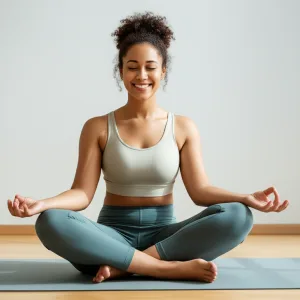
Embarking on a journey to enhance your physical well-being often involves focusing on various aspects of health, and one incredibly rewarding area to explore is flexibility. Cultivating daily habits to support flexibility can open up a world of comfort, ease of movement, and overall physical freedom. It’s not just about touching your toes; it’s about feeling more agile in your everyday life, whether you’re reaching for something on a high shelf, tying your shoes, or simply getting out of bed in the morning. This comprehensive guide will walk you through practical, beginner-friendly strategies to help you gently and consistently improve your range of motion, leaving you feeling more supple and vibrant.
Many people mistakenly believe that flexibility is something you’re either born with or not, or that it’s only for athletes or dancers. The truth is, everyone can improve their flexibility with dedication and the right approach. Our bodies are incredibly adaptable, and by incorporating simple, consistent practices into your routine, you can gradually increase your flexibility over time. Think of it as a journey, not a race, and every small step you take contributes to a more flexible, comfortable you.
Why Prioritize Flexibility? The Unsung Benefits
Before diving into the "how," let’s briefly touch upon the "why." Beyond the obvious ability to move more freely, enhanced flexibility offers a multitude of benefits that can profoundly impact your daily life:
- Improved Range of Motion: This is the most direct benefit, allowing your joints to move through their full potential.
- Reduced Muscle Tension: Regular stretching can help release tightness and stiffness in muscles, which can often accumulate from daily activities or prolonged sitting.
- Enhanced Physical Performance: Whether you’re an avid exerciser or just enjoy walking, better flexibility can make movements more efficient and less strenuous.
- Potential for Better Posture: When muscles are balanced and flexible, they can better support your skeletal structure, potentially leading to improved posture.
- Stress Relief: The act of stretching and moving mindfully can be a calming practice, helping to alleviate mental and physical stress.
- Feeling of Youthfulness: Moving with ease and comfort often contributes to a general feeling of vitality and youthfulness.
Remember, this isn’t about extreme contortions; it’s about making your body feel good and function optimally for you.
The Power of Consistency: Your Foundation for Flexibility
The secret sauce to achieving greater flexibility isn’t intense, sporadic efforts; it’s consistency. Small, regular actions build up over time to create significant changes. Think of brushing your teeth – you do it every day, and that consistency keeps your teeth healthy. Flexibility works in a similar way. Even short bursts of focused movement each day can be more effective than one long, strenuous session once a week.
Let’s explore some fantastic daily habits to support flexibility that you can start weaving into your life today.
1. Embrace Gentle Morning Stretches: Wake Up Your Body
What better way to start your day than by gently waking up your muscles? Just a few minutes of light stretching before you even get out of bed can make a huge difference in how your body feels for the rest of the day. This simple routine can help improve blood flow and signal to your body that it’s time to move.
- Full Body Reach: Lie on your back, stretch your arms overhead, and extend your legs long, as if trying to touch the walls on either side of your bed. Take a deep breath in, and as you exhale, relax. Repeat a few times.
- Knee-to-Chest Hug: Bring one knee towards your chest, gently hugging it with your hands. Hold for 20-30 seconds, then switch legs. This can help release tension in the lower back and hips.
- Gentle Spinal Twist: While still on your back, bring both knees to your chest, then let them fall gently to one side, keeping your shoulders grounded. Look in the opposite direction. Hold for 20-30 seconds, then repeat on the other side.
These simple movements are a wonderful way to begin your day with an intention of movement and ease. Incorporating these daily habits to support flexibility right after waking up sets a positive tone.
2. Stay Hydrated: The Lubricant for Your Joints
Often overlooked in the context of flexibility, proper hydration is absolutely crucial. Water makes up a significant portion of our body weight and is essential for nearly every bodily function, including the health of our connective tissues and joints. Think of your joints as hinges that need to be well-oiled to move smoothly. Water helps lubric keep these "hinges" working efficiently.
When you’re dehydrated, your muscles can become stiffer and less elastic, making them more prone to tightness and less responsive to stretching. Aim to drink plenty of water throughout the day. Keep a water bottle handy as a visual reminder. Your body will thank you with greater ease of movement. The World Health Organization (WHO) emphasizes the importance of safe drinking water for overall health, and this extends to supporting your body’s physical capabilities, including flexibility. You can learn more about water quality and health from the WHO website.
3. Move Regularly Throughout the Day: Break Up Sedentary Time
Our modern lives often involve long periods of sitting, whether at a desk, in a car, or on the couch. Prolonged sitting can lead to tight hip flexors, stiff hamstrings, and a rounded upper back – all of which can hinder flexibility. One of the most impactful daily habits to support flexibility is simply to move more often.
- Take Micro-Breaks: Every hour, stand up, walk around for a minute or two, and do a few gentle stretches. A quick standing side bend, a few shoulder rolls, or an overhead reach can do wonders.
- Walk More: Opt for stairs instead of elevators, park a little further away, or take a brisk walk during your lunch break.
- Incorporate Active Chores: Cleaning, gardening, or playing with pets are all opportunities for movement that contribute to overall mobility.
Breaking up sedentary time helps keep your blood flowing and prevents your muscles from becoming overly stiff.
4. Prioritize Dynamic Warm-ups and Static Cool-downs
For those who engage in more structured exercise, understanding the difference between dynamic and static stretching and when to apply them is key.
- Dynamic Warm-ups (Before Exercise): These involve moving your body through a range of motion, preparing your muscles and joints for activity. Examples include arm circles, leg swings, torso twists, and walking lunges. Dynamic stretches increase blood flow to muscles and can help improve performance and reduce the risk of discomfort during your workout.
- Static Cool-downs (After Exercise): These are the stretches you typically think of – holding a stretch for 20-30 seconds, allowing your muscles to lengthen. Static stretching is best performed when your muscles are warm, ideally after a workout, to help improve flexibility and aid in muscle recovery.
A well-rounded fitness routine that incorporates both types of stretching is a powerful way to cultivate daily habits to support flexibility. WebMD offers excellent resources on the benefits of stretching and how to do it safely.
5. Listen to Your Body and Be Patient
Flexibility is not about pushing through pain. In fact, pain is your body’s signal to stop or ease up. Stretching should feel like a gentle pull, never sharp pain. Always listen to what your body is telling you. Some days you might feel more flexible than others, and that’s perfectly normal.
Patience is also key. Significant improvements in flexibility take time and consistent effort. Don’t get discouraged if you don’t see dramatic changes overnight. Celebrate small victories, like being able to reach a little further or feeling less stiff. The journey itself, with its focus on mindful movement, is incredibly beneficial. The Mayo Clinic provides valuable guidance on safe stretching techniques and understanding your body’s limits.
6. Consider Mindful Movement Practices: Yoga and Tai Chi
Practices like yoga and tai chi are fantastic for developing flexibility, balance, and body awareness. They combine physical postures with breathing techniques and mindfulness, offering a holistic approach to well-being.
- Yoga: There are many styles of yoga, from gentle Hatha and restorative practices to more active Vinyasa flows. All styles emphasize lengthening muscles, improving joint mobility, and connecting breath with movement. Even a few simple yoga poses incorporated into your day can significantly contribute to your flexibility.
- Tai Chi: This ancient Chinese martial art involves slow, deliberate, flowing movements. Tai chi is known for improving balance, coordination, and flexibility, particularly in the joints. Its gentle nature makes it accessible to people of all ages and fitness levels.
These practices are wonderful ways to make daily habits to support flexibility an enjoyable and calming part of your routine. They encourage you to slow down, tune into your body, and move with intention.
7. Fuel Your Body with Nutrient-Rich Foods
While not a direct stretching technique, what you put into your body plays a significant role in your overall tissue health, which in turn impacts flexibility. A diet rich in whole foods, fruits, vegetables, lean proteins, and healthy fats provides the building blocks for healthy muscles, connective tissues, and joints.
- Anti-inflammatory Foods: Foods rich in omega-3 fatty acids (like fatty fish, flaxseeds, chia seeds) and antioxidants (found in colorful fruits and vegetables) can help reduce inflammation in the body, which may contribute to muscle stiffness.
- Collagen-Supporting Nutrients: Vitamin C is essential for collagen production, a key protein that provides structure to your skin, bones, tendons, and ligaments. Citrus fruits, berries, and leafy greens are excellent sources.
Supporting your body with good nutrition creates a strong foundation, making it easier for your muscles and tissues to respond to your efforts to increase flexibility.
Cultivating a Flexible Mindset
Beyond the physical actions, developing a flexible mindset is equally important. This means being open to trying new movements, adapting your routine as needed, and being kind to yourself on days when you feel a bit stiffer. Remember, progress isn’t always linear.
Embrace the process with curiosity and a sense of exploration. Your body is an incredible instrument, and learning to move it more freely is a gift you give yourself every day.
Your Journey to Greater Flexibility Starts Now
Incorporating daily habits to support flexibility doesn’t require a complete overhaul of your lifestyle. It’s about making small, consistent choices that add up over time. Start with one or two of these habits, integrate them gently into your routine, and gradually add more as you feel comfortable.
Imagine feeling less stiff, moving with more grace, and enjoying a greater sense of ease in your body. This isn’t just a dream; it’s an achievable reality with dedication to these simple, yet powerful, daily habits. Your body is designed to move, and by nurturing its natural ability to be flexible, you’re investing in a more comfortable, capable, and happier you. Start today, and discover the wonderful benefits that await!