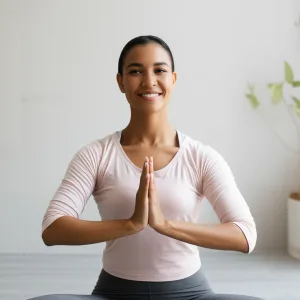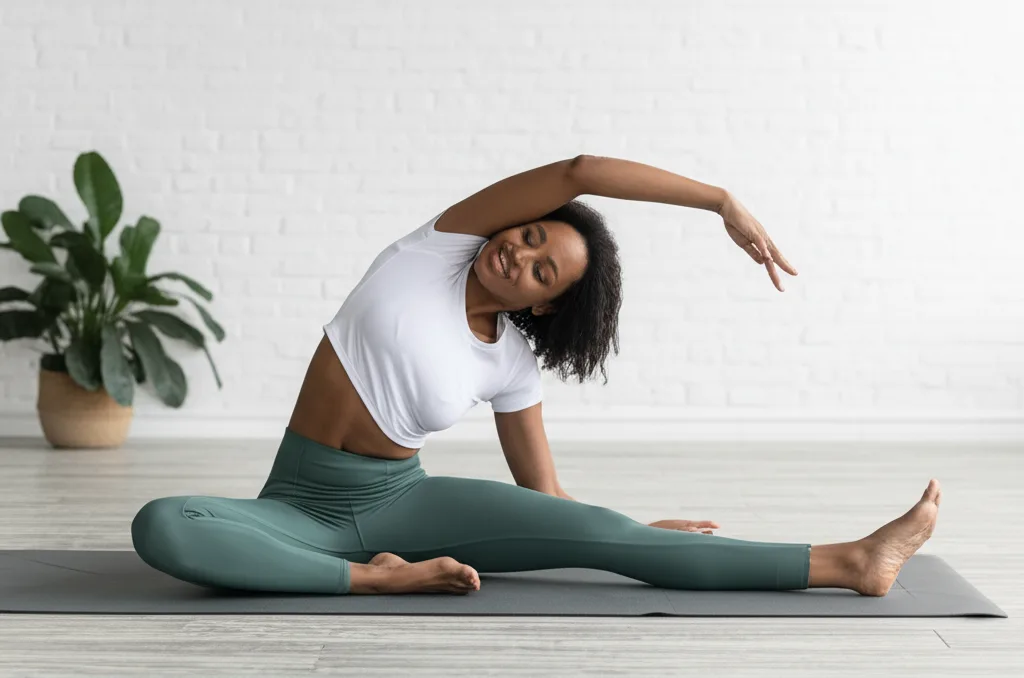
Discovering easy ways to practice yoga at home can unlock a world of well-being, flexibility, and peace, all from the comfort and convenience of your own space. For many, the idea of stepping into a studio can feel intimidating or simply inconvenient, but the truth is, you don’t need fancy equipment, a specific body type, or even a lot of time to start enjoying the remarkable benefits of yoga. This comprehensive guide is designed to empower you to cultivate a fulfilling home yoga practice that fits seamlessly into your life, no matter your experience level.
Yoga, an ancient practice combining physical postures, breathing techniques, and meditation, is known to offer a wealth of advantages for both body and mind. From enhancing physical strength and flexibility to calming the nervous system and fostering mental clarity, the journey of yoga is profoundly personal and accessible to everyone. By exploring easy ways to practice yoga at home, you’re not just learning a new skill; you’re investing in your holistic health and happiness.
Why Embrace a Home Yoga Practice?
The appeal of practicing yoga at home extends far beyond avoiding studio fees or commuting time. It’s about creating a personal sanctuary, tailoring your practice to your unique needs, and building a consistent routine that truly resonates with you. Here are some compelling reasons to roll out your mat in your living room:
- Unmatched Convenience: Life is busy, and finding time to get to a studio can be a challenge. Practicing at home means you can flow whenever inspiration strikes – first thing in the morning, during a lunch break, or before bed.
- Personalized Experience: Your home practice is entirely yours. You can focus on poses that feel good, spend extra time on areas that need attention, and pause whenever you need a moment. There’s no pressure to keep up with others or conform to a class schedule.
- Cost-Effective: While studio memberships can be wonderful, they can also be expensive. A home practice, especially with the abundance of free online resources, is incredibly budget-friendly.
- Comfort and Privacy: For many beginners, the thought of practicing in front of others can be daunting. Your home offers a safe, private space where you can explore poses, make mistakes, and truly connect with your body without self-consciousness.
- Deepened Self-Awareness: Without external distractions, a home practice can foster a deeper connection to your inner self, helping you listen to your body’s signals and cultivate mindfulness. Yoga is known to help reduce stress and improve mood, and a home practice can be a powerful tool for self-care. According to WebMD, yoga offers numerous health benefits, including reducing stress and improving flexibility.
Getting Started: Your Home Yoga Sanctuary
You don’t need a dedicated yoga studio in your home to begin. A small, clear space is all it takes.
- Find Your Spot: Look for an area where you can fully extend your arms and legs without bumping into furniture. This might be a corner of your living room, bedroom, or even a cleared space in your kitchen.
- Gather Simple Props: While props aren’t essential, they can enhance your practice and make certain poses more accessible.
- Yoga Mat: Provides cushioning and grip. If you don’t have one, a carpeted floor or even a large towel can work in a pinch.
- Blocks: Can bring the floor closer to you, supporting balance and deeper stretches. Books or sturdy cushions can be good substitutes.
- Strap/Belt: Helps extend your reach in certain stretches. A scarf, towel, or regular belt works perfectly.
- Blanket/Towel: For extra padding under knees, or to sit on for meditation.
- Set the Mood: While optional, creating a calming atmosphere can elevate your practice. Soft lighting, a quiet environment, or gentle music can help you relax and focus.
Exploring Easy Ways to Practice Yoga at Home: Your Beginner’s Blueprint
Now, let’s dive into practical, easy ways to practice yoga at home that will help you build a sustainable and enjoyable routine.
1. Start Small: The Power of Short Sessions
One of the biggest misconceptions is that you need an hour or more to practice yoga effectively. The truth is, even 10-15 minutes a day can make a significant difference. Consistency trumps duration.
- Morning Wake-Up Flow (5-10 mins): Gentle stretches to greet the day. Think Cat-Cow, child’s pose, gentle twists, and a few sun salutations (modified, if needed).
- Midday Energy Boost (10-15 mins): Reinvigorate yourself with standing poses like Mountain Pose, Warrior I, and Tree Pose to improve balance and focus.
- Evening Wind-Down (10-15 mins): Focus on restorative poses like Legs-Up-the-Wall, Supine Spinal Twist, and Savasana (Corpse Pose) to release tension and prepare for sleep.
- Tip: Commit to just 5-10 minutes initially. Once that feels manageable, gradually increase your time.
2. Embrace Online Resources: Your Virtual Instructor
The internet is a treasure trove of yoga guidance, making it one of the easiest ways to practice yoga at home.
- YouTube Channels: Channels like "Yoga With Adriene" or "Boho Beautiful Yoga" offer thousands of free, high-quality yoga classes for all levels, often specifically designed for beginners or short sessions.
- Yoga Apps: Many apps (e.g., Down Dog, Glo, Peloton) offer guided practices, personalized routines, and progress tracking. Some have free trials or freemium versions.
- Online Platforms: Websites like Yoga International or Gaia offer subscription-based access to a vast library of classes and workshops.
- Key: Look for beginner-friendly classes that emphasize proper alignment and modifications. Don’t be afraid to try different instructors until you find someone whose style you enjoy.
3. Master Foundational Poses: Build a Strong Base
You don’t need to know hundreds of poses to have a meaningful practice. Focusing on a handful of foundational poses will build strength, flexibility, and body awareness.
- Mountain Pose (Tadasana): The base of all standing poses. Focus on grounding through your feet and lengthening your spine.
- Downward-Facing Dog (Adho Mukha Svanasana): Stretches the whole body, strengthens arms and legs. Bend your knees generously if your hamstrings feel tight.
- Cat-Cow (Marjaryasana-Bitilasana): Great for spinal flexibility and connecting breath to movement.
- Child’s Pose (Balasana): A wonderful resting pose that gently stretches the hips, thighs, and ankles while calming the brain.
- Warrior Poses (Virabhadrasana I & II): Build strength and stability.
- Tree Pose (Vrksasana): Improves balance and focus.
- Corpse Pose (Savasana): Essential for relaxation and integration at the end of every practice.
- Practice Tip: Learn the correct alignment for these poses. Online resources often provide detailed breakdowns. Mayo Clinic provides information on stress management techniques, including yoga and mindfulness, which can be integrated into your home practice.
4. Cultivate Mindful Breathing (Pranayama): The Core of Yoga
Yoga isn’t just about physical postures; it’s deeply connected to the breath. Incorporating simple breathing exercises (pranayama) can calm your nervous system and enhance your overall well-being. This is one of the most accessible and easy ways to practice yoga at home.
- Diaphragmatic Breathing (Belly Breathing): Lie down, place one hand on your chest and one on your belly. Inhale deeply, feeling your belly rise. Exhale slowly, feeling your belly fall. This promotes relaxation.
- Ujjayi Breath (Victorious Breath): A gentle constriction in the back of the throat creates an oceanic sound. This breath helps regulate body temperature and focus the mind during poses.
- Nadi Shodhana (Alternate Nostril Breathing): A balancing breath that can calm the mind and reduce anxiety. (Look up a guided tutorial for this one).
- Integration: Try practicing 2-5 minutes of conscious breathing before and after your physical practice, or even as a standalone exercise during the day.
5. Listen to Your Body: Your Best Teacher
Your body is unique, and what feels good one day might not feel good the next. A home practice allows you to truly tune in.
- No Pain, All Gain: Yoga should never be painful. If you feel a sharp or pinching sensation, ease out of the pose. Mild discomfort from a stretch is okay, but never push through pain.
- Modifications are Your Friends: Don’t be afraid to modify poses to suit your body. Use props, bend your knees, or choose an alternative pose. There’s no ego in home yoga.
- Rest When Needed: Child’s Pose or Savasana are always available to you. Take breaks whenever you feel tired or overwhelmed.
- Mindset: Approach your practice with curiosity and kindness towards yourself. This self-compassion is a cornerstone of effective and easy ways to practice yoga at home.
6. Consistency Over Perfection: Build a Habit
The key to unlocking the benefits of yoga is consistency. It’s better to practice for 10 minutes every day than for 90 minutes once a month.
- Schedule It: Treat your yoga time like any other important appointment. Put it on your calendar.
- Start Small: As mentioned, commit to a short, achievable duration initially. Success breeds motivation.
- Be Patient: Building strength, flexibility, and mindfulness takes time. Celebrate small victories and don’t get discouraged by perceived plateaus.
- Motivation: Remind yourself why you started. What benefits are you seeking? Keeping these intentions in mind can help you stay on track with your easy ways to practice yoga at home.
7. Explore Different Styles: Find What Resonates
Yoga is a vast practice with many different styles. While starting with gentle or Hatha yoga is often recommended for beginners, don’t hesitate to explore once you feel comfortable.
- Hatha Yoga: A slower-paced style, focusing on holding poses for several breaths, great for learning alignment.
- Vinyasa Flow: Connects movement with breath in a continuous, dynamic sequence. More energetic.
- Restorative Yoga: Uses props to fully support the body in passive stretches, promoting deep relaxation.
- Yin Yoga: Holds poses for longer durations (3-5 minutes or more) to target connective tissues.
- Experiment: Once you’re comfortable with basic poses, try a short online class of a different style. You might discover a new favorite way to practice.
Common Myths About Practicing Yoga at Home
Let’s bust a few common myths that might be holding you back from finding easy ways to practice yoga at home:
- Myth: "I’m not flexible enough for yoga." This is like saying you’re too dirty to take a bath! Yoga builds flexibility. Start where you are, and you’ll be amazed at your progress.
- Myth: "I need a quiet, perfectly clean space." While ideal, life isn’t always perfect. A cluttered corner, with kids playing in the background, or even a pet joining in is perfectly fine. Focus on your breath, not your surroundings.
- Myth: "I need expensive yoga clothes and equipment." Comfortable clothing that allows for movement is all you need. As for equipment, we’ve discussed how household items can substitute for blocks and straps.
- Myth: "I’ll hurt myself without an instructor." While an instructor can offer personalized adjustments, many online resources provide excellent alignment cues and modifications. Listen to your body, avoid pushing into pain, and prioritize safety. The World Health Organization (WHO) emphasizes the importance of physical activity for overall health, and yoga is a safe and effective way to meet these guidelines when practiced mindfully.
Cultivating a Joyful Home Practice
Making your home yoga practice joyful and sustainable is about more than just going through the motions.
- Journal Your Journey: After a session, take a moment to jot down how you feel, what you noticed, or any insights that arose. This can deepen your connection to your practice and help you track your progress.
- Be Patient and Kind: There will be days when your practice feels amazing, and days when it feels challenging. Embrace both. Every time you step onto your mat, you’re showing up for yourself, and that’s what truly matters.
- Celebrate Small Wins: Notice improvements in your balance, a little more flexibility, or simply feeling calmer after a session. Acknowledge these successes.
- Make it Your Own: This is your practice, your space, your time. Don’t compare yourself to others. The journey of yoga is about self-discovery and growth, not competition.
Conclusion
Embarking on a home yoga journey is one of the most empowering acts of self-care you can undertake. By embracing these easy ways to practice yoga at home, you’re creating an accessible path to greater physical well-being, mental clarity, and emotional balance. Remember, the goal isn’t to achieve a perfect pose, but to cultivate a consistent connection with yourself through movement and breath.
So, roll out your mat, find a comfortable spot, and take that first mindful breath. Your journey into the wonderful world of home yoga starts now. You have everything you need within you to begin, grow, and thrive.