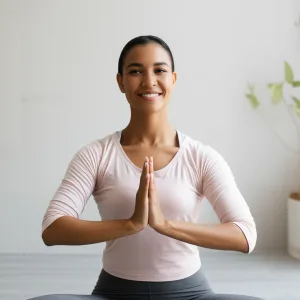
Welcome to a journey of self-care and holistic well-being! Today, we’re diving deep into how to improve breathing exercises for better eye health, exploring simple yet profound ways to support your vision and overall comfort. It might seem surprising to connect your breath directly with your eyes, but the truth is, our body is a beautifully interconnected system. When we learn to breathe more effectively, we unlock a cascade of benefits that can ripple through our entire being, potentially offering a wonderful sense of ease and vitality to our eyes.
In our modern world, many of us spend hours looking at screens, reading, or performing tasks that require intense visual focus. This can often lead to eye strain, fatigue, and a feeling of dryness or discomfort. While regular breaks and proper ergonomics are crucial, integrating mindful breathing into your routine can offer an additional layer of support, helping to soothe the nervous system and encourage a more relaxed state throughout your body, including your eyes.
This article isn’t about medical treatments or claims to cure eye conditions. Instead, it’s about empowering you with accessible, gentle techniques that can complement your existing eye care routine by fostering relaxation, improving circulation, and reducing stress – all factors that are known to influence how our eyes feel day-to-day. We’ll explore foundational breathing methods, discover practical tips to enhance your practice, and learn how to weave these beneficial habits into your busy life for a truly brighter perspective.
The Subtle Dance: How Breathing Influences Your Eye Comfort
Before we delve into specific techniques, let’s understand the fascinating connection between your breath, your body, and your eyes. When we experience stress, even low-level, chronic stress, our bodies often shift into a "fight or flight" mode. This can lead to shallow, rapid breathing, muscle tension (including around the eyes, neck, and shoulders), and changes in circulation. Our eyes, being delicate and highly active organs, can feel the effects of this tension.
Deep, conscious breathing, on the other hand, activates the body’s "rest and digest" system. This shift helps to:
- Reduce Stress: By calming the nervous system, deep breathing can lower stress hormones, which in turn can help reduce overall tension in the body, including the muscles surrounding your eyes.
- Improve Oxygen Flow: Efficient breathing ensures that your body, including your eyes, receives a healthy supply of oxygen. While the direct impact on eye health is complex, good oxygenation is fundamental for all bodily functions.
- Enhance Circulation: Relaxed breathing can support healthy blood flow. Better circulation means nutrients and oxygen can be delivered more effectively, and waste products can be carried away efficiently from all tissues, including those in and around the eyes.
- Promote Relaxation: The very act of focusing on your breath encourages mindfulness and can help you release accumulated tension, leading to a feeling of calm that extends to your visual system.
Think of it this way: when you’re relaxed, your entire body tends to function more harmoniously. Your muscles are less tense, your blood flows more freely, and your mind is clearer. These are all conditions that may support a sense of well-being for your eyes.
Laying the Foundation: Essential Breathing Techniques
To truly understand how to improve breathing exercises for better eye health, it’s helpful to first master a few basic, yet powerful, breathing techniques. These are your building blocks.
1. Diaphragmatic (Belly) Breathing
This is perhaps the most fundamental and effective way to breathe for relaxation. Many of us breathe shallowly, using only our chest. Belly breathing engages your diaphragm, a muscle located at the base of your lungs, which allows for deeper, more efficient breaths.
How to Practice:
- Find Your Position: Lie down on your back or sit comfortably in a chair with your feet flat on the floor. Place one hand on your chest and the other on your belly, just below your rib cage.
- Inhale: Slowly inhale through your nose, feeling your belly rise as if it’s a balloon filling with air. Your chest hand should remain relatively still.
- Exhale: Gently exhale through pursed lips, feeling your belly fall. Try to draw your navel towards your spine as you release all the air.
- Repeat: Continue for 5-10 minutes, focusing on the gentle rise and fall of your belly.
Benefits: This technique is known to activate the parasympathetic nervous system, promoting deep relaxation and reducing stress, which in turn can ease tension that may affect your eyes.
2. Box Breathing (Four-Square Breathing)
Box breathing is a simple yet powerful technique often used to calm the nervous system and improve focus. It involves equal phases of inhalation, holding, exhalation, and holding.
How to Practice:
- Sit Comfortably: Sit upright in a quiet place.
- Exhale Completely: Gently exhale all the air from your lungs.
- Inhale: Inhale slowly through your nose to a count of four, feeling your belly expand.
- Hold: Hold your breath for a count of four.
- Exhale: Exhale slowly through your mouth to a count of four, emptying your lungs.
- Hold: Hold your breath again for a count of four.
- Repeat: Continue this cycle for 5-10 minutes.
Benefits: This rhythmic breathing pattern can help regulate your heart rate, reduce anxiety, and improve concentration, creating a calm internal environment that may support overall eye comfort.
3. Alternate Nostril Breathing (Nadi Shodhana)
This yogic breathing technique is wonderful for balancing the left and right hemispheres of the brain, calming the mind, and relieving stress. It’s a great way to prepare for relaxation or meditation.
How to Practice:
- Sit Comfortably: Find a comfortable seated position.
- Mudras (Hand Position): Bring your right hand up to your face. Rest your index and middle fingers gently between your eyebrows (or curl them into your palm). Your thumb will be used to close your right nostril, and your ring finger will close your left nostril.
- Close Right Nostril: Close your right nostril with your thumb and inhale slowly and deeply through your left nostril.
- Close Left, Open Right: Close your left nostril with your ring finger. Release your thumb and exhale slowly through your right nostril.
- Inhale Right, Close Right: Inhale slowly through your right nostril. Then, close your right nostril with your thumb.
- Open Left, Exhale Left: Release your ring finger and exhale slowly through your left nostril.
- Complete One Round: This completes one round. Continue for 5-10 minutes, always inhaling and exhaling through the opposite nostril.
Benefits: Nadi Shodhana is highly regarded for its ability to reduce anxiety and promote mental clarity, which can contribute to a more relaxed state, potentially easing eye strain and supporting overall visual comfort.
Practical Strategies: How to Improve Breathing Exercises for Better Eye Health
Now that you have a foundation, let’s explore practical ways to enhance these exercises and specifically tailor your approach when considering how to improve breathing exercises for better eye health.
1. Create a Serene Environment
The setting for your breathing practice can significantly impact its effectiveness.
- Find a Quiet Space: Choose a calm, distraction-free area where you won’t be interrupted.
- Adjust Lighting: Soft, dim lighting can be more conducive to relaxation than harsh overhead lights. Avoid direct glare.
- Comfort is Key: Ensure you are comfortable, whether sitting or lying down. Loosen any tight clothing, especially around your neck and waist.
- Sensory Input: Consider gentle background music, soothing scents (like lavender essential oil diffused nearby), or simply the quiet hum of nature outside your window. These elements can help deepen your state of relaxation.
2. Consistency is Your Best Friend
Like any beneficial habit, the power of breathing exercises grows with consistent practice.
- Schedule It: Try to dedicate a specific time each day, even if it’s just 5-10 minutes. First thing in the morning or before bed can be ideal.
- Little and Often: If a longer session feels daunting, break it up. Even a few deep breaths throughout the day can make a difference.
- Build a Routine: Link your breathing practice to an existing habit, such as after brushing your teeth or during your coffee break.
Regular practice is known to reinforce the body’s ability to relax and manage stress, creating lasting benefits that may support overall eye comfort and reduce the likelihood of tension-related eye fatigue.
3. Cultivate Mindful Awareness
Bringing your full attention to your breath and body is paramount.
- Focus on the Sensation: Pay attention to the feeling of the air entering and leaving your body. Notice the temperature, the movement of your abdomen, and the subtle shifts within.
- Body Scan: As you breathe, gently scan your body for areas of tension. When you find tension (perhaps in your jaw, shoulders, or around your eyes), consciously send your breath to that area, imagining the tension softening and releasing with each exhale.
- Gentle Eye Focus: While breathing, you can gently close your eyes or soften your gaze. Avoid straining. Simply allow your eyes to rest comfortably.
This mindful approach deepens the relaxation response, directly addressing accumulated tension that may be contributing to eye discomfort.
4. Integrate Gentle Eye Warm-ups and Cool-downs
While breathing, you can also incorporate very gentle movements for your eyes and the surrounding muscles. These are not about "strengthening" your eyes but about promoting relaxation and comfort.
- Palming: After a few minutes of deep breathing, gently rub your palms together until they feel warm. Cup your warm palms over your closed eyes, without applying pressure. Enjoy the warmth and darkness for a minute or two. This is known to be incredibly soothing for tired eyes.
- Soft Blinking: Take a moment to consciously blink gently several times. This can help re-moisturize your eyes and release tension from holding a fixed gaze.
- Slow Eye Rolls (with Caution): With your eyes gently closed or softened, slowly roll your eyes in a circle a few times in one direction, then the other. Do this very slowly and without straining. The aim is gentle movement, not exertion.
These practices, combined with deep breathing, may support improved circulation around the eyes and provide a sense of relief from digital eye strain.
5. Release Tension in the Neck and Shoulders
Often, eye strain and headaches are connected to tension in the neck and shoulders. Improving your breathing can help, but adding gentle stretches can amplify the effect.
- Neck Rolls: Slowly drop your chin to your chest, then gently roll your head to one side, holding briefly, and then to the other. Repeat a few times. Avoid full rotations if you have neck issues; simply move ear to shoulder.
- Shoulder Shrugs: Inhale as you shrug your shoulders up towards your ears, hold briefly, then exhale and let them drop completely. Repeat 5-10 times.
- Deep Breaths with Movement: As you perform these gentle movements, continue to practice deep, diaphragmatic breathing. The combination can help release physical tension that may indirectly affect eye comfort.
By easing tension in these areas, you can promote better blood flow to your head and face, which can indirectly support the overall comfort of your eyes.
6. Consider Hydration and General Wellness
While not a breathing exercise directly, optimal hydration and a balanced lifestyle are foundational to overall well-being, which inherently impacts eye health.
- Stay Hydrated: Drinking enough water throughout the day is crucial for many bodily functions, including keeping your eyes lubricated and comfortable. Dehydration can sometimes contribute to dry eyes.
- Balanced Nutrition: A diet rich in fruits, vegetables, and omega-3 fatty acids is known to support overall health, including eye health.
- Adequate Sleep: Rest is vital for your entire body to repair and rejuvenate, and your eyes are no exception. Good quality sleep can significantly reduce eye fatigue.
These general wellness tips, when combined with improved breathing exercises, create a holistic approach to supporting your body and eyes.
7. Listen to Your Body and Be Patient
Everyone’s body responds differently.
- No Strain: Never force your breath or any eye movements. If something feels uncomfortable, ease off or stop.
- Modify as Needed: If a technique feels challenging, simplify it. Start with shorter durations and gradually increase as you become more comfortable.
- Patience and Persistence: It takes time to build new habits and experience the full benefits. Be kind to yourself throughout the process.
Integrating Breathing Exercises into Your Daily Life
The beauty of breathing exercises is that they can be done almost anywhere, anytime. Here are some ways to weave them seamlessly into your day:
- Before Screen Time: Take 2-3 minutes for deep belly breathing before you start working on a computer or using your phone. This can help set a calm tone.
- During Breaks: Instead of checking social media during a short break, close your eyes and practice box breathing for a minute or two.
- While Waiting: Whether in line, in traffic, or waiting for an appointment, use that time for a few rounds of alternate nostril breathing.
- Before Bed: A 10-minute session of diaphragmatic breathing can help you unwind and prepare for a restful night’s sleep, allowing your eyes ample time to rest and recover.
- During Stressful Moments: When you feel tension building, take a few conscious, deep breaths. This immediate response can help prevent tension from accumulating, potentially protecting your eyes from stress-induced discomfort.
By regularly practicing how to improve breathing exercises for better eye health, you are not only supporting your eyes but also nurturing your entire nervous system, fostering a greater sense of peace and clarity.
Beyond the Eyes: Holistic Benefits of Improved Breathing
While our focus here is on how to improve breathing exercises for better eye health, it’s important to remember that the benefits extend far beyond. Regular, mindful breathing practice is known to:
- Reduce Overall Stress and Anxiety: Deep breathing is a powerful tool for managing daily stressors and promoting a sense of calm. According to WebMD, relaxation techniques like deep breathing can significantly lower stress levels.
- Improve Mood: By influencing neurotransmitters and hormone levels, mindful breathing can contribute to a more positive outlook.
- Enhance Focus and Concentration: When the mind is calm, it’s easier to concentrate and maintain attention.
- Boost Energy Levels: Efficient breathing ensures better oxygen delivery, which can translate into increased vitality.
- Support Better Sleep: As mentioned, deep breathing before bed can signal to your body that it’s time to rest, promoting deeper and more restorative sleep. For more insights on the benefits of deep breathing, you can refer to resources from Mayo Clinic.
- Strengthen Respiratory Function: Regular practice can improve lung capacity and overall respiratory health. The World Health Organization (WHO) emphasizes the importance of good respiratory health for overall well-being.
An Important Reminder
It is crucial to understand that while improving your breathing exercises may support overall eye comfort and well-being by reducing stress and tension, these practices are not a substitute for professional medical advice or treatment for any eye conditions. If you are experiencing persistent eye discomfort, changes in vision, pain, or any other concerning symptoms, please consult an eye care professional or a healthcare provider. They can provide an accurate diagnosis and recommend appropriate care.
These breathing exercises are a complementary approach, designed to enhance your self-care routine and promote a holistic sense of well-being for your eyes and your entire body.
Embrace a Brighter Outlook
Learning how to improve breathing exercises for better eye health is a wonderful step towards holistic self-care. By incorporating mindful breathing into your daily life, you’re not just practicing a technique; you’re cultivating a habit that nurtures your body, calms your mind, and potentially brings a greater sense of ease and comfort to your eyes.
Start small, be consistent, and most importantly, be kind to yourself on this journey. With patience and practice, you may discover a renewed sense of relaxation and a brighter, more comfortable perspective. Begin today, and breathe your way to a more vibrant you!