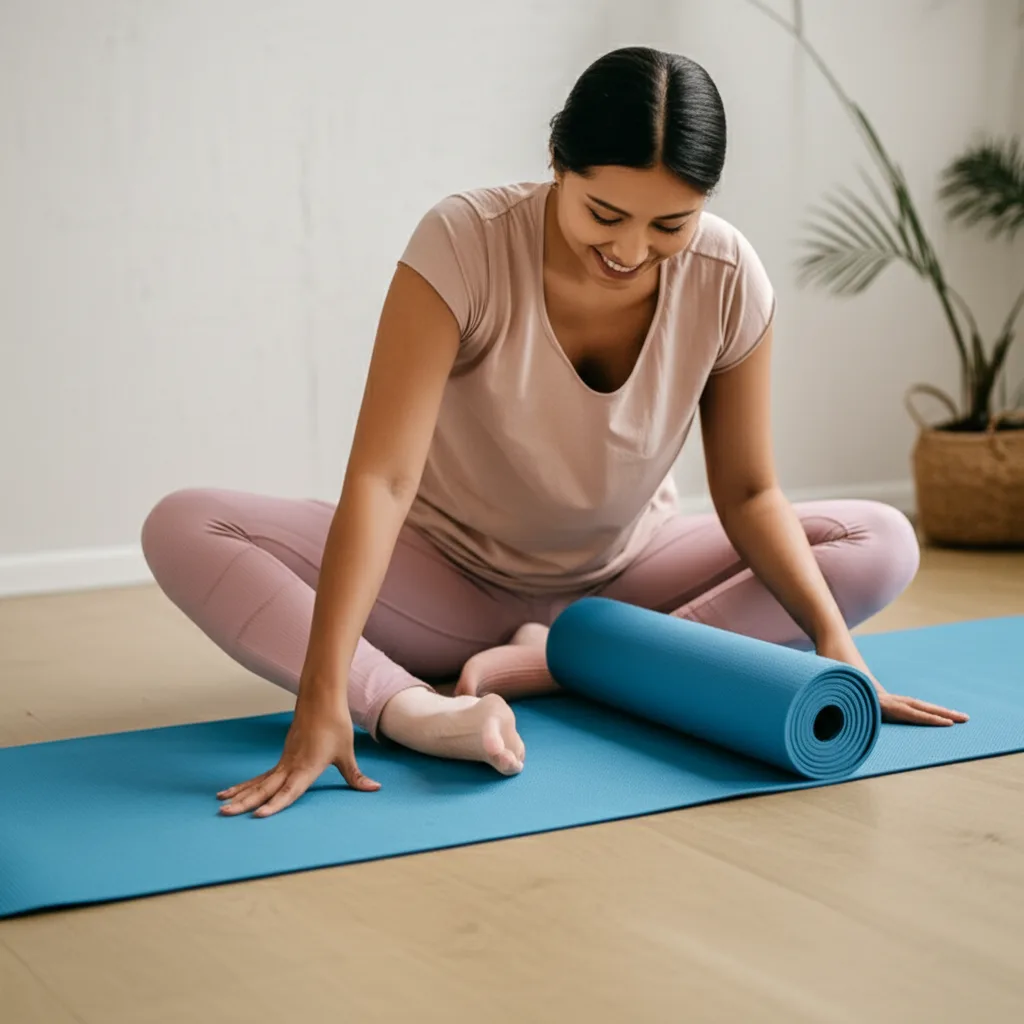
Embarking on a new journey can feel both exciting and a little daunting, and for many, a beginner guide to yoga is the perfect starting point to unlock a world of physical and mental well-being. Yoga, an ancient practice originating in India, is far more than just a series of stretches; it’s a holistic system designed to unite the mind, body, and spirit. If you’ve ever felt intimidated by flexible yogis in advanced poses or thought you weren’t "bendy enough," this guide is crafted especially for you. We’re here to show you that yoga is accessible to everyone, regardless of age, fitness level, or background. It’s a wonderfully supportive practice that can help you cultivate strength, flexibility, balance, and a profound sense of inner peace.
Yoga is known to offer a myriad of benefits, from improving physical posture and muscle tone to reducing stress and enhancing mental clarity. This comprehensive article will walk you through everything you need to know to confidently begin your yoga practice, from understanding its essence and dispelling common myths to exploring basic poses and building a sustainable routine. Get ready to discover the amazing potential within you and experience the transformative power of yoga!
What Exactly Is Yoga? More Than Just Poses!
At its heart, yoga is a mind and body practice with a 5,000-year history in ancient Indian philosophy. Various styles of yoga combine physical postures (asanas), breathing techniques (pranayama), and meditation or relaxation. The word "yoga" itself comes from the Sanskrit root "yuj," meaning to yoke or unite, symbolizing the connection of the individual consciousness with the universal consciousness, or simply, the union of body, mind, and spirit.
For beginners, it’s helpful to understand that while the physical poses are often the most visible aspect, they are just one component of a much larger system. The beauty of yoga lies in its ability to meet you where you are and provide tools to support your overall well-being. It’s a non-competitive practice where the focus is on your personal journey and growth.
Why is yoga so popular, especially for beginners?
Yoga offers a unique blend of physical challenge and mental calm. Regular practice can help to:
- Improve Flexibility: Gently lengthens muscles and increases range of motion in joints.
- Build Strength: Many poses require you to support your own body weight, building functional strength.
- Enhance Balance: Develops stability and coordination, which is vital for daily activities.
- Reduce Stress: Breathing exercises and mindfulness techniques are known to calm the nervous system. The World Health Organization (WHO) emphasizes the importance of physical activity for mental well-being, and yoga fits this perfectly, offering a holistic approach to stress management.
- Boost Mindfulness: Encourages you to stay present and aware of your body and breath.
- Support Posture: Strengthening core muscles and lengthening the spine can help improve alignment.
Dispelling Common Myths: Yoga Is For Everyone!
Before you even roll out a mat, let’s tackle some common misconceptions that might be holding you back.
-
"I’m not flexible enough for yoga."
This is perhaps the most common myth! Imagine saying, "I’m too dirty to take a shower." Yoga builds flexibility; it doesn’t require it as a prerequisite. Everyone starts somewhere, and your flexibility will naturally improve with consistent practice. The goal isn’t to touch your toes, but to understand your body’s current capabilities and gently expand them. -
"Yoga is only for spiritual people / thin people / women."
Absolutely not! Yoga is for every body and every background. People of all genders, sizes, ages, and beliefs practice yoga. While it has spiritual roots, many approach it purely for its physical and mental health benefits. It’s an inclusive practice designed to support individual well-being. -
"Yoga is too slow/boring/easy."
There are many styles of yoga, ranging from vigorous and athletic (like Ashtanga or Power Yoga) to slow, meditative, and deeply relaxing (like Restorative or Yin Yoga). If one style doesn’t resonate, another might! Even seemingly "slow" poses can be incredibly challenging, requiring significant strength and focus. -
"You need expensive gear to start yoga."
False! While a yoga mat is helpful, you can start without one. Comfortable clothing that allows for movement is all you truly need. We’ll dive into essentials next.
Your Beginner Guide to Yoga Journey: Getting Started with Essentials
One of the beautiful things about yoga is how little you truly need to begin.
- A Yoga Mat (Optional, but Recommended): A mat provides grip, cushioning, and defines your personal practice space. If you don’t have one, a carpeted floor or even a towel can work initially. When ready to buy, look for one that offers good grip and cushioning.
- Comfortable Clothing: Choose clothes that allow you to move freely without restriction. Think leggings, shorts, t-shirts, or tank tops. You’ll want to avoid anything too baggy that might get in the way or too tight that restricts breath.
- A Clear Space: Find a quiet spot where you won’t be disturbed, with enough room to extend your arms and legs without hitting anything.
- Props (Optional): Yoga blocks, straps, blankets, and bolsters are fantastic tools that can make poses more accessible and comfortable, especially for beginners. Don’t feel you need to buy them immediately; household items like sturdy books, a belt, or a folded blanket can serve similar purposes.
Exploring Yoga Styles: Finding Your Fit
With so many styles of yoga, it can feel overwhelming to choose. Here are a few beginner-friendly options that are excellent entry points:
- Hatha Yoga: Often considered the foundational style, Hatha classes typically move at a slower pace, holding poses for several breaths. This allows you to focus on proper alignment and build strength and flexibility gradually. It’s an excellent choice for learning the basic postures.
- Vinyasa Yoga: Also known as "flow" yoga, Vinyasa links breath to movement, creating a dynamic and fluid sequence of poses. While some Vinyasa classes can be vigorous, many studios offer "Gentle Vinyasa" or "Beginner Vinyasa" that are accessible and a great way to experience movement with breath.
- Restorative Yoga: This style is all about relaxation and rejuvenation. Poses are held for long periods (5-20 minutes) and heavily supported by props like bolsters, blankets, and blocks. The goal is to release tension, calm the nervous system, and promote deep rest. It’s wonderfully therapeutic.
- Yin Yoga: Similar to Restorative in its slow pace and long holds, Yin Yoga targets the deeper connective tissues (ligaments, joints, fascia) rather than muscles. Poses are typically held for 3-5 minutes, allowing gravity and time to gently release tension. It’s a meditative practice that can significantly improve flexibility and joint health.
Tip: Don’t be afraid to try a few different styles or instructors. What resonates with one person might not with another, and that’s perfectly okay!
Your First Steps: Basic Yoga Poses for Beginners
Here are some fundamental yoga poses (asanas) that are excellent for beginners. Focus on how each pose feels in your body, rather than how it looks.
-
Mountain Pose (Tadasana):
- How to: Stand tall with your feet together or hip-width apart. Ground down through all four corners of your feet. Engage your leg muscles, lift your kneecaps, and gently tuck your tailbone. Draw your shoulders down and back, lengthen through the crown of your head. Arms can be by your sides, palms facing forward.
- Benefits: Establishes good posture, grounds and centers the body, and is the foundation for all standing poses.
-
Child’s Pose (Balasana):
- How to: Kneel on your mat with your big toes touching. You can have your knees together or wide apart. Sink your hips back towards your heels. Fold your torso forward, resting your forehead on the mat. Arms can stretch forward or rest alongside your body, palms up.
- Benefits: A gentle resting pose that can help calm the brain and relieve stress and fatigue. It’s a wonderful way to reconnect with your breath.
-
Downward-Facing Dog (Adho Mukha Svanasana):
- How to: Start on your hands and knees. Spread your fingers wide, pressing firmly through your palms. Lift your hips up and back, straightening your legs as much as comfortable (a slight bend in the knees is fine!). Let your head hang freely. Your body will form an inverted "V" shape.
- Benefits: Stretches the hamstrings, calves, and shoulders, strengthens arms and legs, and can help calm the brain and relieve stress.
-
Warrior II (Virabhadrasana II):
- How to: Step your feet wide apart, about 4-5 feet. Turn your right foot out 90 degrees and your left foot slightly in. Bend your right knee so it’s directly over your ankle (aim for your thigh parallel to the floor). Extend your arms out to the sides at shoulder height, gazing over your right fingertips. Keep your torso upright.
- Benefits: Strengthens legs and core, stretches groin and chest, and builds stamina and focus.
-
Tree Pose (Vrksasana):
- How to: Start in Mountain Pose. Shift your weight onto your left foot. Place the sole of your right foot on your inner left ankle, calf, or inner thigh (avoid pressing directly on the knee). Bring your hands to prayer at your heart or extend them overhead. Find a focal point (drishti) to help with balance.
- Benefits: Improves balance, strengthens ankles and core, and is known to help improve concentration.
-
Corpse Pose (Savasana):
- How to: Lie flat on your back, letting your arms and legs splay out naturally. Palms face up. Close your eyes and allow your body to relax completely. Focus on your breath, letting go of any tension.
- Benefits: A crucial pose for integration and relaxation, known to help calm the brain and relieve stress, and can help lower blood pressure. It’s where your body absorbs the benefits of your practice.
Important Safety Note: Always listen to your body. If you feel sharp pain, back off or come out of the pose. Yoga is about sensation, not pain. Modifying poses with props or less depth is always encouraged.
The Power of Breath (Pranayama) in Your Beginner Guide to Yoga
Beyond the physical postures, breath is a cornerstone of yoga. "Pranayama" refers to breath control techniques. For beginners, simply becoming aware of your breath is a powerful starting point.
- Mindful Breathing: Take a few moments before and after your physical practice to simply observe your breath. Notice its rhythm, depth, and how it feels entering and leaving your body. This simple act can instantly bring you into the present moment and calm your mind.
- Ujjayi Breath (Victorious Breath): This is a common breath in Vinyasa yoga. You breathe through your nose, gently constricting the back of your throat as if you’re fogging a mirror with your mouth closed. This creates a soft, oceanic sound and helps regulate the breath, building internal heat and focus.
Practicing mindful breathing can help reduce stress and promote relaxation, a benefit widely recognized by health resources such as the Mayo Clinic, which highlights the role of relaxation techniques in managing stress.
Finding Your Path: Studio, Online, or At Home?
With your beginner guide to yoga knowledge growing, how do you actually start practicing?
- Yoga Studios: Attending classes at a local studio offers the advantage of an experienced instructor who can provide personalized adjustments and feedback. The communal energy of a class can also be very motivating. Look for "Beginner," "Foundations," or "Gentle" classes.
- Online Platforms: The rise of online yoga has made practice incredibly accessible. Many platforms offer a vast library of classes for all levels, allowing you to practice anytime, anywhere. This can be a great option if you’re shy, have a busy schedule, or prefer the comfort of your home.
- Practicing at Home: Once you’re familiar with some basic poses, you can create your own sequence. Start with short practices (10-15 minutes) and gradually build up. There are many free resources like YouTube videos that can guide you.
Key considerations:
- Instructor Quality: Whether online or in-person, a good instructor is crucial. They should be knowledgeable, clear in their instructions, and emphasize safety and modifications.
- Listening to Your Body: This is paramount. Never push through pain. Yoga is not a competition. Your body will tell you what it needs.
- Consistency over Intensity: Short, regular practices are far more beneficial than infrequent, intense ones.
Building a Consistent Practice: Your Journey Unfolds
Yoga is a journey, not a destination. Building a consistent practice takes patience, self-compassion, and a willingness to show up for yourself.
- Start Small: Don’t feel pressured to practice for an hour every day. Even 10-15 minutes of mindful movement and breathing a few times a week can yield significant benefits.
- Be Patient: Flexibility, strength, and mental calm don’t happen overnight. Celebrate small victories and acknowledge your progress, no matter how subtle.
- Find Your "Why": Remind yourself why you started. Is it to reduce stress? Improve sleep? Gain strength? Having a clear intention can help you stay motivated.
- Integrate Yoga into Your Life: The principles of yoga extend beyond the mat. Practice mindfulness in daily activities, be kind to yourself and others, and observe your breath during stressful moments.
- Explore Resources: For further understanding of the health benefits of physical activity and mindfulness, authoritative sites like WebMD offer a wealth of information that aligns with the holistic benefits of yoga. Regular movement and stress reduction are known to support overall health.
Your Joyful Yoga Journey Begins Now!
Congratulations! You’ve navigated this comprehensive beginner guide to yoga, equipping yourself with the knowledge and confidence to take your first steps onto the mat. Remember, yoga is a personal practice, and there’s no right or wrong way to do it. It’s about exploring your body, connecting with your breath, and cultivating a sense of peace and strength from within.
Embrace the process, be kind to yourself, and allow the ancient wisdom of yoga to unfold in your life. Whether you seek greater flexibility, reduced stress, improved focus, or a deeper connection to yourself, yoga can help you achieve these goals and more. So, roll out that mat, take a deep breath, and begin your wonderful, transformative yoga journey today!