Life in the modern world often feels like a constant juggle, with demands coming from every direction. It’s easy to get caught up in the hustle, leaving little time for ourselves. But what if we told you that finding moments of peace doesn’t require a faraway retreat or a significant investment? Right within the comfort of your own living space, there are easy ways to practice relaxation at home that can profoundly impact your overall well-being. This article will guide you through simple, accessible techniques designed to help you unwind, de-stress, and cultivate a sense of inner calm, all without stepping out your front door.
Taking time to relax isn’t a luxury; it’s a fundamental aspect of self-care that can help you navigate daily challenges with greater resilience and a more positive outlook. Whether you have just five minutes or an entire evening, incorporating these practices into your routine can create a sanctuary of tranquility, helping you feel refreshed and re-energized.
Why Relaxation Matters: The Benefits You Can Experience
Before we dive into the "how," let’s briefly touch upon the "why." You might already sense that relaxation feels good, but its benefits extend far beyond temporary relief. Regular practice of relaxation techniques is known to support both your physical and mental health.
When you’re stressed, your body activates its "fight or flight" response, leading to increased heart rate, shallow breathing, and muscle tension. Consistent relaxation, however, can help reverse these effects, promoting a state of calm. This can lead to a host of positive outcomes:
- Reduced Stress and Anxiety: Relaxation directly counters the physical and mental symptoms of stress, helping to lower anxiety levels and promote a more peaceful mind.
- Improved Mood: Taking time for yourself and engaging in calming activities can boost your mood, helping to alleviate feelings of sadness or irritability.
- Better Sleep Quality: When your mind is calmer, it’s easier to fall asleep and experience more restful sleep. Many relaxation techniques are excellent pre-bedtime routines.
- Enhanced Focus and Concentration: A relaxed mind is a clearer mind. By reducing mental clutter, you may find it easier to concentrate on tasks and be more productive.
- Physical Well-being: Relaxation can help lower blood pressure, ease muscle tension, and may even support a stronger immune system. (Source: Mayo Clinic on stress management)
Understanding these benefits can be a powerful motivator to integrate these simple practices into your daily life. You deserve to feel good, and creating moments of calm is a wonderful step in that direction.
Unwind Your Mind: Easy Ways to Practice Relaxation at Home
Now, let’s explore some incredibly easy ways to practice relaxation at home. Remember, the key is to find what resonates with you and to approach each practice with kindness and curiosity, not perfection.
1. The Power of Deep Breathing Exercises
One of the most immediate and effective ways to calm your nervous system is through conscious breathing. It’s always with you, it’s free, and it works wonders.
How to do it:
Find a comfortable position, sitting or lying down. Place one hand on your chest and the other on your abdomen. Inhale slowly and deeply through your nose, feeling your abdomen rise. Count to four as you inhale. Hold your breath for a count of seven, if comfortable. Then, exhale slowly through your mouth for a count of eight, feeling your abdomen fall. Repeat this cycle 5-10 times. This 4-7-8 breathing technique, popularized by Dr. Andrew Weil, is known to promote relaxation.
Why it helps: Deep breathing signals to your brain that it’s safe to relax, slowing your heart rate and helping to release tension. It’s a fantastic first step in practicing relaxation at home.
2. Mindful Meditation: A Moment of Presence
Meditation doesn’t have to be complicated or involve hours of sitting. Even a few minutes of mindful meditation can bring significant peace.
How to do it:
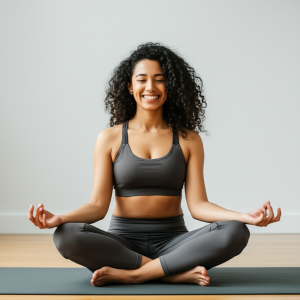
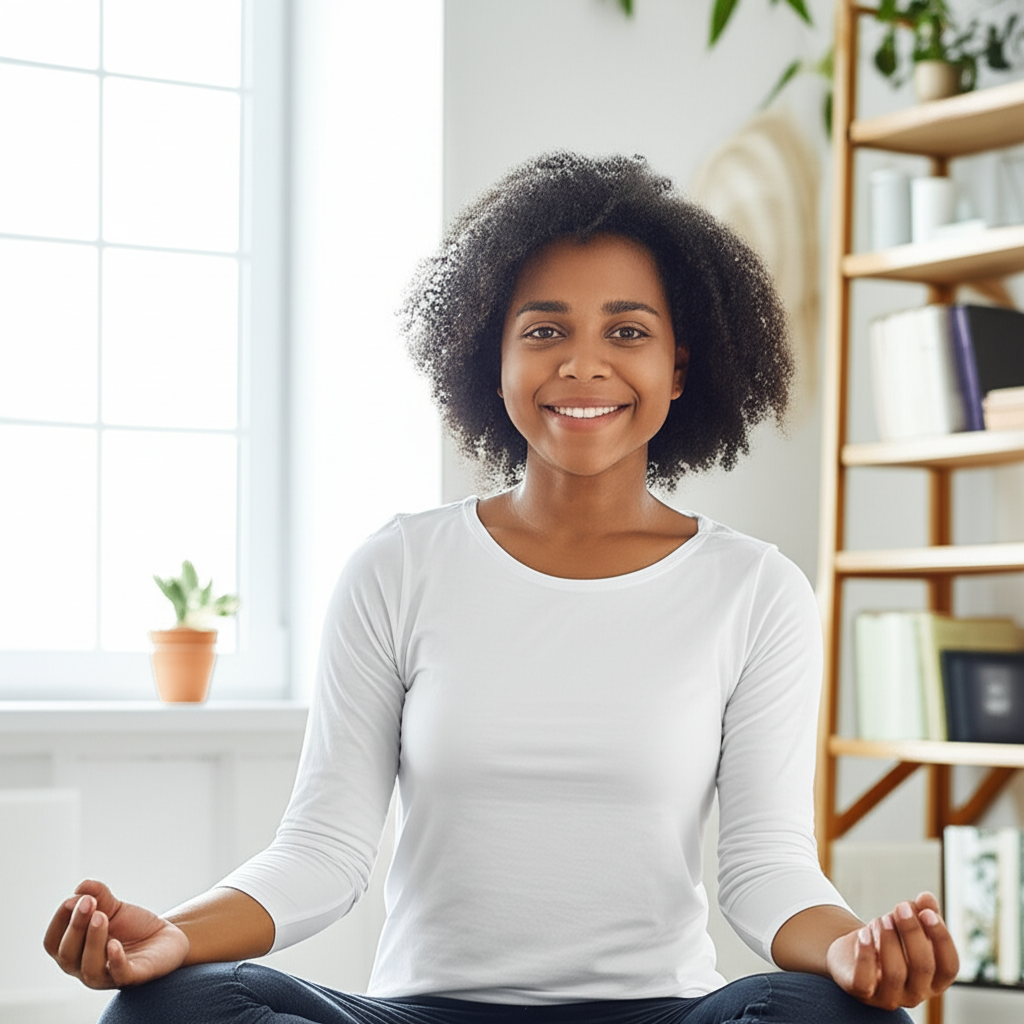
Find a quiet spot. Sit comfortably with your spine straight but not stiff. Gently close your eyes or soften your gaze. Bring your attention to your breath, noticing the sensation of each inhale and exhale. When your mind wanders (which it will!), gently bring your attention back to your breath without judgment. You can use guided meditations, easily found on apps or YouTube, to help you get started.
Why it helps: Meditation trains your mind to be present, reducing rumination about the past or worry about the future. It can help cultivate a sense of inner peace and acceptance, making it one of the most transformative easy ways to practice relaxation at home.
3. Gentle Stretching and Yoga: Releasing Physical Tension
Our bodies often hold onto stress in the form of tight muscles. Gentle stretching or a short yoga flow can release this tension and promote a sense of ease.
How to do it:
You don’t need to be a yoga expert. Start with simple stretches: roll your shoulders back and forth, gently tilt your head side to side, or try a cat-cow stretch on your hands and knees. You can also explore beginner-friendly yoga poses like Child’s Pose (Balasana), which is incredibly calming, or Legs-Up-The-Wall (Viparita Karani), which can help soothe tired legs and minds. Hold each stretch for 20-30 seconds, breathing deeply into any areas of tension.
Why it helps: Stretching increases blood flow, improves flexibility, and helps to physically release pent-up stress. It’s a wonderful way to connect with your body and practice relaxation at home.
4. Progressive Muscle Relaxation (PMR)
PMR is a technique where you systematically tense and then relax different muscle groups in your body. It helps you become more aware of physical tension and how to release it.
How to do it:
Lie down in a comfortable position. Start with your feet: curl your toes tightly, hold for 5 seconds, then completely relax them, noticing the difference. Move up your body: calves, thighs, glutes, abdomen, arms, hands, shoulders, neck, and face. For each muscle group, tense for 5 seconds, then relax for 10-15 seconds.
Why it helps: By consciously tensing and relaxing, you learn to identify and let go of chronic muscle tension, which can significantly reduce feelings of stress and improve body awareness. It’s an effective strategy for practicing relaxation at home.
5. Engaging Your Senses with Aromatherapy
Our sense of smell has a powerful connection to our emotions and memory. Certain scents are known to have calming properties.
How to do it:
Use an essential oil diffuser with calming scents like lavender, chamomile, bergamot, or frankincense. You can also add a few drops of essential oil to a warm bath, or simply place a drop on a cotton ball near your bed. Always ensure you’re using high-quality, pure essential oils and follow safety guidelines, especially regarding dilution if applying to skin (though for beginners, diffusing is safest).
Why it helps: Aromatherapy can influence your mood and promote a sense of tranquility. Lavender, for example, is widely known for its ability to help calm the nervous system and support restful sleep.
6. The Power of Sound: Music and Nature Sounds
Sound can be incredibly therapeutic, guiding your mind away from stressors and into a state of calm.
How to do it:
Create a playlist of soothing music – classical, instrumental, ambient, or lo-fi beats. Alternatively, listen to nature sounds like ocean waves, rain, or forest ambience. Many apps and websites offer free nature soundscapes. Find a quiet spot, put on headphones, and just listen. Let the sounds wash over you.
Why it helps: Calming sounds can slow your brain waves, reduce heart rate, and distract your mind from anxious thoughts, making it an accessible way to practice relaxation at home.
7. Journaling for Emotional Release
Sometimes, the best way to relax is to get everything swirling in your head down on paper. Journaling doesn’t require perfect grammar or profound insights; it’s simply a space for you.
How to do it:
Grab a notebook and a pen. Write about whatever comes to mind – your worries, your joys, your to-do list, or simply how you’re feeling. Don’t censor yourself. You can also try prompt-based journaling, such as listing three things you’re grateful for, or exploring a particular emotion you’re experiencing.
Why it helps: Journaling can help you process emotions, gain clarity, and release mental clutter, which can be incredibly liberating and calming. It’s a powerful tool for practicing relaxation at home.
8. Creating a Relaxing Environment
Your physical surroundings can have a significant impact on your mental state. Transforming a small corner of your home into a relaxation zone can make a big difference.
How to do it:
Declutter the area. Add soft lighting (lamps, fairy lights, candles – safely!). Introduce comforting textures like a cozy blanket or soft pillows. You might include a plant, a favorite book, or a cup of herbal tea. Make it a space where you feel safe, comfortable, and at peace. Even a few minutes spent in a calming environment can enhance your ability to practice relaxation at home.
Why it helps: A serene environment helps signal to your brain that it’s time to unwind, reducing external distractions and fostering a sense of peace.
9. Spending Time in Nature (Even Indoors)
If you can’t get outside, bring nature inside! Connecting with the natural world, even indirectly, can be incredibly calming.
How to do it:
Place houseplants in your relaxation area. Look out a window and observe the trees, sky, or birds. You can also watch nature documentaries or listen to nature sounds. Even having a vase of fresh flowers can uplift your spirits and connect you to the outdoors.
Why it helps: Studies suggest that exposure to nature can help reduce stress and improve mood. Even simulated nature experiences can offer some of these benefits, making it an accessible way to practice relaxation at home. (Source: WebMD on benefits of nature)
10. Simple Hobbies and Creative Pursuits
Engaging in activities you love, especially those that require focus and creativity, can be a form of active meditation.
How to do it:
Pick up that knitting project, try a new recipe, doodle in a sketchbook, read a captivating book, or solve a puzzle. The key is to choose an activity that fully engages your attention and brings you joy, allowing you to temporarily forget about worries and stressors.
Why it helps: When you’re absorbed in a hobby, your mind is diverted from anxious thoughts, promoting a state of "flow" that is deeply relaxing and fulfilling. It’s one of the most enjoyable easy ways to practice relaxation at home.
Making Relaxation a Habit: Tips for Success
Integrating these easy ways to practice relaxation at home into your routine doesn’t have to be another item on your to-do list. Here are some tips to make it sustainable and enjoyable:
- Start Small: Don’t try to implement all ten techniques at once. Choose one or two that appeal to you most and start with just 5-10 minutes a day.
- Be Consistent: Regularity is more important than duration. A few minutes every day can be more beneficial than an hour once a week.
- Listen to Your Body: What feels good one day might not feel good the next. Be flexible and choose the technique that best suits your current needs and energy levels.
- Create a Ritual: Pair your relaxation practice with something else you do daily, like before bedtime, after dinner, or first thing in the morning.
- Don’t Aim for Perfection: Relaxation isn’t about clearing your mind completely or achieving a state of bliss. It’s about acknowledging your thoughts and feelings without judgment and gently guiding yourself towards calm.
- Find Your Own Way: What works for one person might not work for another. Experiment with different techniques until you discover what truly helps you unwind and feel at ease.
- Be Patient and Kind to Yourself: Building new habits takes time. There will be days when it feels difficult or you simply don’t have the energy. That’s perfectly okay. Just return to your practice when you can.
Remember, taking care of your mental and emotional health is a continuous journey. Embracing these practices can help you build resilience and a greater sense of peace. (Source: WHO on mental well-being)
Conclusion
Finding easy ways to practice relaxation at home is not just about escaping stress; it’s about building a foundation for a more balanced, joyful, and healthy life. From the simplicity of deep breathing to the creative outlet of a hobby, the options are plentiful and accessible. You have the power to create a sanctuary of calm within your own four walls and within yourself.
By committing to regular moments of relaxation, you are investing in your own well-being, fostering a greater capacity for peace, and equipping yourself with tools to navigate life’s challenges with grace. So, take a deep breath, choose a technique that calls to you, and embark on your journey to a more relaxed and resilient you. Your home is your haven, and your peace is within reach.