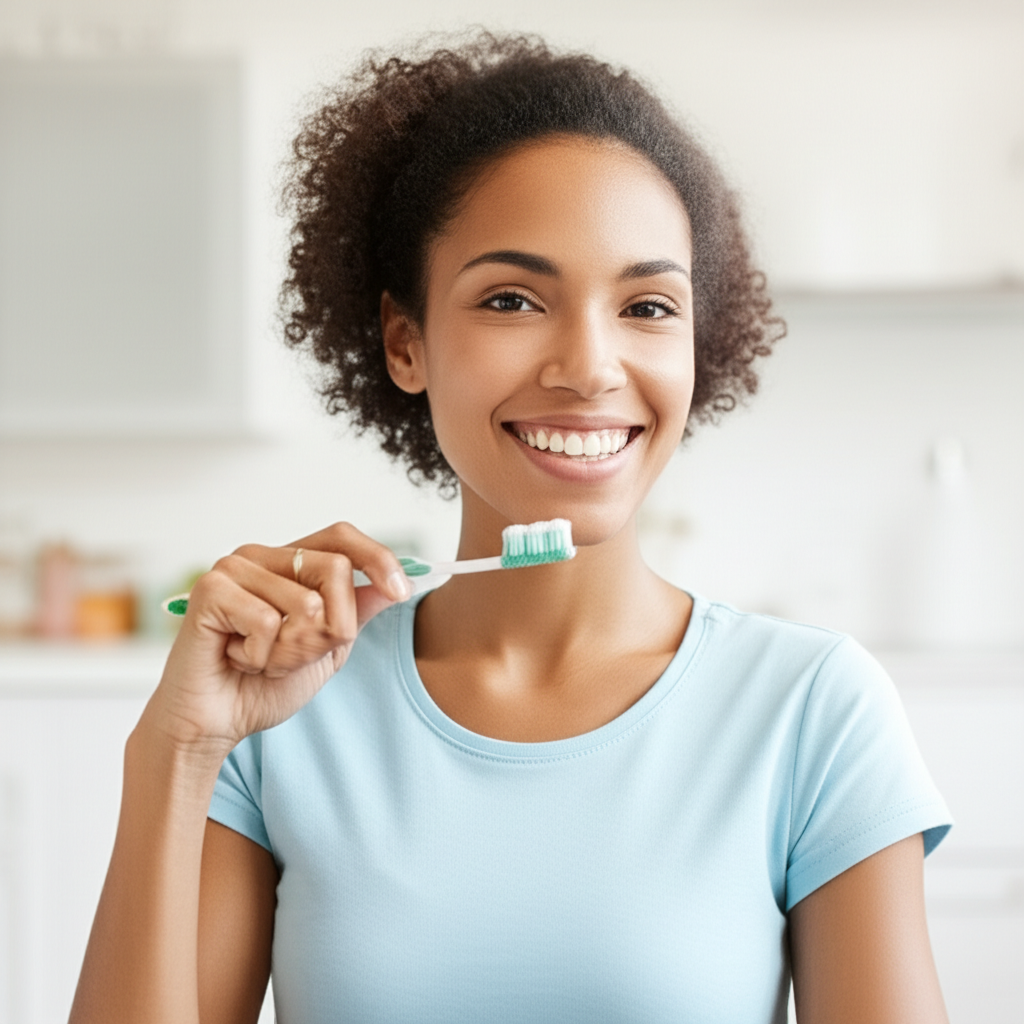
Taking good care of your teeth and gums is a cornerstone of overall well-being, and incorporating simple tips for flexibility in dental hygiene can make all the difference in achieving a truly clean and healthy smile. Often, we think of dental hygiene as a rigid routine, but introducing a bit of flexibility can help you reach every nook and cranny, making your daily brushing and flossing more effective and even more comfortable. This guide is designed to empower you with easy, actionable strategies to enhance your dental care routine, making it less of a chore and more of a natural, beneficial part of your day.
Why Flexibility Matters for Your Brightest Smile
Imagine trying to clean a complex object with a stiff, unmoving tool. You’d likely miss spots, right? Your mouth is much the same. It has curves, corners, and tight spaces that require a thoughtful approach to cleaning. Without a flexible mindset and technique, you might inadvertently overlook areas, allowing plaque and food particles to accumulate. This can lead to various common dental issues over time.
Embracing flexibility in your dental hygiene routine means adapting your methods to the unique contours of your mouth and the tools you’re using. It’s about ensuring that every tooth surface, every gum line, and every interdental space receives the attention it deserves. This proactive approach can significantly enhance the effectiveness of your cleaning efforts, potentially leading to a fresher mouth and a brighter smile. It’s not just about how often you brush, but how well you brush, and flexibility is key to that "how well."
Understanding Your Brushing Basics: The Foundation
Before diving into advanced flexibility tips, it’s always good to quickly review the fundamental principles of good brushing. These basics form the bedrock upon which all flexibility techniques are built. The American Dental Association (ADA) generally recommends brushing for two minutes, twice a day, using a soft-bristled toothbrush and fluoride toothpaste.
When you brush, hold your toothbrush at a 45-degree angle to your gums. Use gentle, short, back-and-forth strokes, focusing on one or two teeth at a time. Make sure to clean all surfaces: the outer, inner, and chewing surfaces of your teeth. Don’t forget to gently brush your tongue to help remove bacteria and freshen your breath. While these are the standard guidelines, the following tips will help you apply them more effectively by adding a layer of adaptability to your movements. For more detailed guidance on proper brushing techniques, you can always refer to reputable sources like the Mayo Clinic.
Simple Tips for Flexibility in Dental Hygiene: Your Action Plan
Now, let’s explore some easy-to-implement strategies that can bring a new level of effectiveness and comfort to your daily dental care. These simple tips for flexibility in dental hygiene are designed for everyone, regardless of current habits.
1. The Right Tools Make a Difference: Beyond the Standard Brush
While a standard toothbrush is essential, incorporating a variety of tools can significantly enhance your cleaning flexibility. Think of it like a craftsman choosing the right tool for each part of a project.
- Consider Different Brush Heads: If you use an electric toothbrush, experiment with different brush head shapes and sizes. Some are designed for general cleaning, while others might be smaller for precision or have specific bristles for gum line care. For manual brushes, a compact head can often reach tighter spots more easily than a large one.
- Embrace Interdental Cleaners: Flossing is crucial, but sometimes traditional floss isn’t enough, or it can be tricky to maneuver. Interdental brushes (tiny brushes designed to clean between teeth) come in various sizes and can be incredibly effective for larger gaps, braces, or around dental work. Water flossers are another excellent option that can help flush out debris and plaque with a targeted stream of water, offering a different kind of flexibility in reaching tight spaces. These tools can help you adapt your cleaning to the specific architecture of your mouth.
- Tongue Scrapers: While brushing your tongue is good, a dedicated tongue scraper can be more efficient at removing bacteria and food particles that contribute to bad breath. This adds another layer of comprehensive cleaning.
By diversifying your toolkit, you gain more options for tackling different areas of your mouth, making your routine more adaptable and thorough.
2. Mastering Your Grip and Angle: Small Adjustments, Big Impact
How you hold your toothbrush and the angle you approach your teeth with can dramatically impact your reach and effectiveness. This is one of the most fundamental simple tips for flexibility in dental hygiene.
- Vary Your Grip: Don’t always hold your brush the same way. Sometimes a lighter, more pencil-like grip can allow for finer motor control and better maneuverability, especially when cleaning behind your front teeth or the very back molars. For more general cleaning, a firmer but still gentle grip might be preferred.
- Experiment with Angles: Beyond the standard 45-degree angle to the gum line, try adjusting the angle slightly for different areas. For instance, when cleaning the chewing surfaces, a flatter angle might be more effective. For the inner surfaces of your front teeth, you might need to hold the brush vertically and use the tip. The goal is to ensure the bristles make contact with all tooth surfaces, which often means shifting your angle as you move around your mouth.
- Slow Down and Focus: Rushing through your brushing makes it hard to be flexible. Take your time with each section of your mouth, consciously adjusting your grip and angle to ensure thorough cleaning.
These subtle changes in technique can significantly improve your ability to clean every tooth surface effectively, supporting a healthier mouth.
3. Gentle Stretches and Warm-ups: Preparing for Optimal Cleaning
Just as an athlete stretches before a workout, a few gentle movements before brushing can enhance your comfort and range of motion, which are key to flexibility in dental hygiene.
- Jaw Stretches: Gently open and close your mouth a few times. You can also try moving your jaw from side to side or forward and back. This can help relax your jaw muscles and make it easier to keep your mouth open comfortably for the full two minutes, especially if you experience jaw stiffness.
- Neck and Shoulder Rolls: Tension in your neck and shoulders can affect your arm’s range of motion. A few gentle neck rolls or shoulder shrugs can release tension, making it easier to position your arm and brush effectively without strain.
- Mirror Practice: Sometimes, simply observing yourself in the mirror as you brush can help you identify areas you might be missing or where your technique could be improved. It allows you to consciously adjust your movements for better reach.
These simple preparatory steps can make your brushing experience more comfortable and allow for greater dexterity, contributing to a more thorough clean.
4. Exploring Different Positions: Changing Your Perspective
Where and how you position yourself during your dental hygiene routine can impact your ability to reach all areas of your mouth.
- Sit Down Sometimes: While many people stand at the bathroom sink, trying to brush while sitting down, perhaps in front of a mirror, can offer a different perspective and allow for more stability and focus. This can be particularly helpful for those who find standing for two minutes uncomfortable or who struggle with balance.
- Utilize a Mirror: Actively using a mirror isn’t just for checking your appearance. A good mirror, especially a magnifying one, can help you see exactly where your brush is going, allowing you to guide it more precisely into hard-to-reach areas. This visual feedback is a powerful tool for developing better flexibility and precision.
- Change Your Head Tilt: Instead of keeping your head straight, try tilting it up, down, or to the side as you move through different sections of your mouth. This can provide better access and visibility, especially for the back of your molars or the inner surfaces of your teeth.
By varying your physical position and using visual aids, you can unlock new angles and improve your reach, making your dental hygiene routine more adaptable and effective.
5. Patience and Consistency: The Unsung Heroes of Flexibility
Ultimately, the most profound simple tips for flexibility in dental hygiene revolve around your approach and attitude.
- Don’t Rush: Rushing through your routine is the enemy of flexibility and thoroughness. Dedicate the full two minutes (or more if you’re using multiple tools) to your brushing, and take your time with flossing. When you’re not rushing, you have the mental space to adjust your technique and focus on each tooth.
- Make It a Routine: Consistency is key. The more regularly you practice these flexible techniques, the more natural and automatic they will become. It’s like learning any new skill; repetition builds mastery.
- Listen to Your Body: Pay attention to any discomfort or areas that feel consistently difficult to clean. This feedback can guide you in adjusting your tools or techniques. If a particular area is always a challenge, consider trying a different interdental cleaner or consulting your dental professional for personalized advice.
Patience and consistency transform these tips from temporary adjustments into lasting habits that support long-term oral health.
Beyond the Brush: Other Tools for Flexibility
While brushing is primary, other tools contribute significantly to overall dental hygiene and offer different ways to clean and protect your teeth and gums.
- Flossing and Interdental Brushes: As mentioned, these are non-negotiable for cleaning between teeth where a toothbrush can’t reach. The flexibility comes in choosing the right type for your mouth – traditional string floss, floss picks, or interdental brushes of varying sizes. The World Health Organization (WHO) emphasizes the importance of interdental cleaning as part of a comprehensive oral hygiene strategy.
- Mouthwash (as a Supplement): While not a substitute for brushing and flossing, an antimicrobial or fluoride mouthwash can be a helpful addition. It can reach areas that brushing and flossing might miss, help reduce bacteria, and provide a fresh feeling. It’s a supplemental tool that adds another layer of protection.
- Regular Dental Check-ups: Visiting your dental professional regularly is crucial. They can clean areas you might miss, identify potential issues early, and provide personalized advice on tools and techniques tailored to your specific oral health needs. They are an invaluable resource for enhancing your dental hygiene flexibility.
Making It a Habit: Integrating Flexibility into Your Routine
Integrating these simple tips for flexibility in dental hygiene into your daily routine doesn’t have to be overwhelming. Start small. Perhaps focus on one new tip each week, or simply dedicate a few extra seconds to a difficult-to-reach area.
Remember, the goal is not perfection overnight but consistent improvement. These strategies are known to support better oral health by enhancing your ability to clean thoroughly. They can help you feel more confident about your smile and potentially reduce common dental concerns.
If you ever have persistent issues or concerns about reaching certain areas of your mouth, don’t hesitate to speak with your dental professional. They can offer tailored guidance and demonstrations, helping you master the art of flexible and effective dental hygiene. They might even recommend specific products or techniques based on your unique oral anatomy. For general oral health information and advice, WebMD is a great resource.
Conclusion
Embracing simple tips for flexibility in dental hygiene is a powerful way to elevate your daily oral care from a routine task to a truly effective and personalized practice. By exploring different tools, mastering varied grips and angles, incorporating gentle stretches, experimenting with positions, and approaching your routine with patience and consistency, you can significantly enhance your ability to clean every part of your mouth. These practical, beginner-friendly strategies are designed to support a healthier, happier smile by ensuring no spot is left behind. Start incorporating these tips today, and you may just discover a new level of clean and comfort in your dental hygiene journey!