In our fast-paced, ever-connected world, finding effective natural methods for stress control improvement is more essential than ever. Daily pressures, whether from work, family, or global events, can often leave us feeling overwhelmed and drained. While stress is a natural part of life, chronic or unmanaged stress can significantly impact our physical and mental well-being, diminishing our quality of life. The good news is that you don’t always need complex solutions to find relief. Many simple, holistic, and natural approaches can empower you to regain a sense of calm, improve your resilience, and cultivate a more peaceful existence.
This article is your friendly guide to exploring ten powerful, natural methods that can genuinely support your journey toward better stress control. These aren’t quick fixes, but rather sustainable practices you can integrate into your daily life to build a stronger foundation for mental and emotional health. Let’s dive in and discover how you can naturally nurture your mind, body, and spirit.
Cultivating Inner Calm Through Mind-Body Practices
When we talk about natural methods for stress control improvement, the connection between our mind and body is often the first place to start. These practices help us tap into our inner resources for peace and resilience.
1. Embrace Mindfulness and Meditation
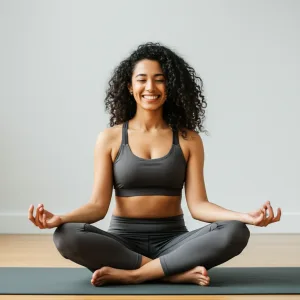
Mindfulness is the practice of being fully present in the moment, observing your thoughts and feelings without judgment. Meditation is a formal way to practice mindfulness, often involving focused attention on breath, body sensations, or sounds. Both are incredibly potent tools for stress reduction.
- How it can help: Regular mindfulness and meditation practices are known to help quiet the incessant chatter of the mind, reduce rumination over worries, and foster a greater sense of calm and clarity. They can help you observe stressful situations without being immediately swept away by them.
- Getting started: You don’t need hours of practice. Start with just 5-10 minutes a day. There are many free guided meditation apps and videos available that can lead you through the process. Find a quiet space, sit comfortably, and simply focus on your breath. If your mind wanders (which it will!), gently bring your attention back to your breath.
- Further Reading: For a deeper dive into how meditation can benefit you, the Mayo Clinic offers excellent resources on the subject: Meditation: A simple, fast way to reduce stress.
2. Practice Deep Breathing Exercises
Our breath is a powerful, always-available tool for managing stress. When we’re stressed, our breathing often becomes shallow and rapid, signaling to our body to stay in "fight or flight" mode. Consciously slowing and deepening your breath can reverse this, activating your body’s relaxation response.
- How it can help: Deep breathing, especially diaphragmatic (belly) breathing, can help lower heart rate, reduce blood pressure, and calm the nervous system. It’s an immediate way to bring your body back into balance.
- Getting started: Try the "4-7-8" breathing technique. Inhale deeply through your nose for a count of four, hold your breath for a count of seven, and then exhale completely through your mouth with a whoosh sound for a count of eight. Repeat this cycle three to four times. You can do this anywhere, anytime you feel stress building. These natural methods for stress control improvement are truly at your fingertips.
3. Engage in Gentle Movement: Yoga and Tai Chi
Yoga and Tai Chi combine physical postures, controlled breathing, and meditation. These ancient practices offer a holistic approach to well-being, impacting both your body and mind.
- How it can help: They can help release physical tension stored in the body, improve flexibility, balance, and strength, and promote a sense of inner peace. The mindful movements and focused breathing can quiet the mind and foster a meditative state, making them excellent natural methods for stress control improvement.
- Getting started: Look for beginner-friendly yoga or Tai Chi classes in your community or explore online tutorials. Even 15-20 minutes a few times a week can make a noticeable difference in your stress levels and overall sense of calm.
Nurturing Your Body for Stress Resilience
Our physical health is deeply intertwined with our ability to manage stress. By taking care of our bodies, we build a stronger foundation for mental and emotional resilience.
4. Embrace Regular Physical Activity
Moving your body is one of the most effective and accessible natural stress relievers. It doesn’t mean you need to become a marathon runner; even moderate activity can have profound benefits.
- How it can help: Physical activity releases endorphins, which are natural mood boosters. It can also reduce the levels of stress hormones like cortisol and adrenaline. Exercise provides a healthy outlet for pent-up energy and frustration, improves sleep quality, and can boost your self-esteem.
- Getting started: Find an activity you genuinely enjoy. This could be brisk walking, dancing, cycling, swimming, hiking, or gardening. Aim for at least 30 minutes of moderate-intensity activity most days of the week. Even short bursts of activity, like a 10-minute walk, can be beneficial.
- Further Reading: To understand more about the powerful link between exercise and stress relief, check out WebMD’s insights: Exercise for Stress Relief.
5. Fuel Your Body with Balanced Nutrition
What you eat (and don’t eat) can significantly impact your mood, energy levels, and how well your body copes with stress. A balanced diet is a foundational aspect of natural methods for stress control improvement.
- How it can help: Eating whole, unprocessed foods can help stabilize blood sugar levels, preventing the energy crashes and mood swings that can exacerbate stress. Nutrient-rich foods provide the vitamins and minerals your brain needs to function optimally and produce mood-regulating neurotransmitters.
- Getting started: Focus on a diet rich in fruits, vegetables, whole grains, lean proteins, and healthy fats. Limit processed foods, excessive sugar, and caffeine, which can sometimes worsen anxiety and disrupt sleep. Don’t forget to stay well-hydrated by drinking plenty of water throughout the day.
6. Prioritize Quality Sleep
Sleep is not a luxury; it’s a fundamental biological need, especially when it comes to stress management. Chronic lack of sleep can severely impair your ability to cope with daily stressors.
- How it can help: During sleep, your body and mind repair and restore themselves. Adequate, restorative sleep helps regulate mood, improves cognitive function, enhances problem-solving skills, and strengthens your immune system. When you’re well-rested, you’re better equipped to handle challenges.
- Getting started: Aim for 7-9 hours of quality sleep per night. Establish a consistent sleep schedule, going to bed and waking up at roughly the same time each day, even on weekends. Create a relaxing bedtime routine, such as taking a warm bath, reading a book, or listening to calming music. Ensure your bedroom is dark, quiet, and cool.
- Further Reading: The World Health Organization (WHO) highlights the critical link between sleep and overall well-being and stress: Stress Fact Sheet.
Connecting with Nature and Community
Beyond our individual practices, our environment and social connections play a vital role in our ability to manage stress naturally.
7. Spend Time in Nature (Forest Bathing)
Connecting with the natural world is a deeply restorative practice. "Forest bathing," or Shinrin-yoku, is the practice of simply being in the presence of trees and consciously taking in the atmosphere of the forest.
- How it can help: Studies suggest that spending time in nature can lower cortisol levels (the stress hormone), reduce blood pressure, improve mood, and boost feelings of peace and well-being. The sounds, sights, and even smells of nature can be incredibly calming. Integrating nature is one of the most soothing natural methods for stress control improvement.
- Getting started: You don’t need a forest! Take a walk in a local park, sit by a river or lake, tend to a garden, or simply spend time sitting under a tree. Pay attention to the sights, sounds, and smells around you. Even bringing plants into your home can offer a touch of nature’s calming presence.
8. Foster Strong Social Connections
Humans are social creatures, and having a supportive network of friends, family, or community members is a powerful buffer against stress.
- How it can help: Connecting with others provides emotional support, a sense of belonging, and opportunities to share burdens and joys. Positive social interactions can release oxytocin, a hormone known to promote feelings of trust and connection, reducing feelings of isolation and anxiety.
- Getting started: Make an effort to connect with people who uplift you. This could mean calling a friend, joining a club or group with shared interests, volunteering, or simply spending quality time with family. Even brief, positive interactions can make a difference.
Engaging Your Senses and Creativity
Sometimes, the best way to control stress is to redirect our focus and engage in activities that bring us joy and a sense of accomplishment.
9. Engage in Hobbies and Creative Expression
Dedicating time to hobbies and creative pursuits can be a wonderful escape from daily stressors and a fantastic way to practice natural methods for stress control improvement.
- How it can help: Engaging in activities you enjoy can induce a state of "flow," where you become fully immersed in the present moment, similar to meditation. This distraction from worries, coupled with the sense of accomplishment, can significantly reduce stress and boost your mood.
- Getting started: Dust off an old hobby or try something new! This could include painting, drawing, writing, playing a musical instrument, cooking, baking, knitting, gardening, or building models. The key is to choose an activity that you find intrinsically enjoyable and fulfilling.
10. Explore Calming Aromatherapy and Herbal Teas
While not medical treatments, certain scents and herbal infusions have been traditionally used to promote relaxation and can be a comforting part of your stress control routine.
- How it can help: Aromatherapy uses essential oils derived from plants, often through diffusers or topical application (always diluted). Scents like lavender, chamomile, or bergamot are known for their calming aromas and may support relaxation by signaling to the brain to slow down. Similarly, a warm cup of herbal tea, such as chamomile, peppermint, or valerian root (known for its calming properties), can be a soothing ritual that helps unwind after a long day.
- Getting started: Try diffusing a few drops of lavender essential oil in your living space or adding a drop to your bathwater. For teas, choose reputable brands and enjoy a warm cup as part of your evening routine. Remember, these are to support relaxation and comfort, not to treat medical conditions. Always use essential oils safely and never ingest them without professional medical guidance.
Embracing Your Journey to Natural Stress Control
Finding effective natural methods for stress control improvement is a personal journey, and what works best for one person might be different for another. The most powerful approach often involves combining several of these methods into a holistic lifestyle that supports your overall well-being.
Start small, be patient with yourself, and celebrate every step you take towards a calmer, happier you. You don’t have to implement all ten at once. Choose one or two that resonate with you the most, integrate them into your routine, and observe how your body and mind respond. Over time, you’ll discover a powerful toolkit of natural strategies that empower you to navigate life’s challenges with greater ease and resilience.
Remember, these methods are about supporting your natural capacity for calm and resilience. If you ever feel that stress is overwhelming or impacting your daily life severely, it’s always wise to consult with a healthcare professional for personalized advice and support. You deserve to live a life filled with peace and well-being, and these natural methods are here to help you achieve just that.