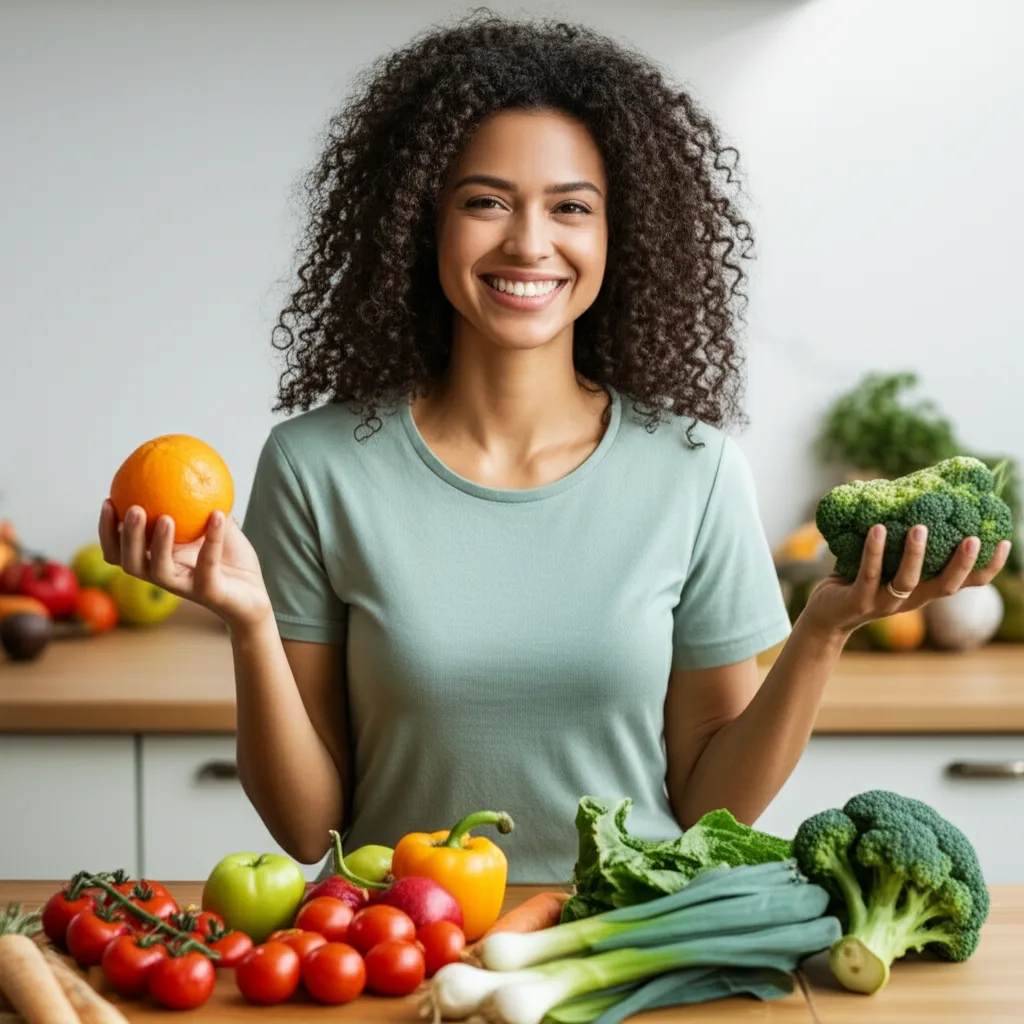
Stepping into a vibrant world of fresh, wholesome ingredients can feel like a breath of fresh air for your kitchen and your well-being. If you’ve been wondering how to make healthy eating a more regular part of your routine, you’re in the right place. This article is all about easy ways to practice fresh foods at home, offering simple, actionable tips that anyone can adopt, regardless of their cooking experience. Imagine enjoying delicious, naturally flavorful meals that leave you feeling energized and happy – it’s more achievable than you might think!
Many of us want to eat better, but the idea of incorporating more fresh foods can seem daunting. We might worry about cost, time, or simply not knowing where to start. But what if we told you that making fresh food a habit can be fun, budget-friendly, and surprisingly simple? By focusing on small, consistent changes, you can transform your relationship with food and discover the joy of eating well. Let’s explore how you can effortlessly bring more freshness into your daily life, right from the comfort of your home.
Why Embrace Fresh Foods? The Wonderful Benefits Unpacked
Before we dive into the "how," let’s briefly chat about the "why." Choosing fresh, unprocessed foods is a fantastic way to support your overall well-being. These foods are typically packed with natural goodness, offering a delightful array of tastes, textures, and colors.
When you opt for fresh ingredients like fruits, vegetables, and lean proteins, you’re choosing items that are often closer to their natural state. This means they generally retain more of their natural vitality compared to highly processed alternatives. Incorporating more fresh produce into your diet is known to support a healthy lifestyle and can help you feel more vibrant and energetic throughout your day.
Eating fresh may also encourage a deeper connection to your food. You get to see, touch, and smell the ingredients, which can make the whole eating experience more enjoyable and mindful. The World Health Organization (WHO) emphasizes the importance of a healthy diet, rich in fruits and vegetables, as a cornerstone of good health, highlighting how it can contribute to feeling great and living well. For more general information on healthy eating, you can visit the WHO website.
Starting Small: Simple Steps for Fresh Food Beginners
Making a big change all at once can be overwhelming. The secret to success often lies in starting small and building positive habits gradually. Here are some beginner-friendly strategies to get you going:
Smart Shopping Strategies: Picking the Best Produce
Your journey to fresh foods begins at the grocery store or local market. Don’t feel pressured to buy everything organic or exotic. Focus on what’s available, affordable, and appealing to you.
- Shop Seasonally: Produce that’s in season is often fresher, tastier, and more budget-friendly. A quick online search can tell you what fruits and vegetables are in season in your area.
- Look for Local: If possible, visit farmers’ markets. Not only do you support local growers, but you often find incredibly fresh produce that was picked very recently.
- Inspect Your Produce: When buying, look for fruits and vegetables that are firm, brightly colored, and free from excessive blemishes or soft spots.
- Buy a Little at a Time: Especially when you’re starting, avoid buying huge quantities that might go bad before you can use them. Buy enough for a few days, and then replenish. This also helps reduce food waste.
- Wash Your Produce Properly: Once you bring your fresh finds home, it’s a good idea to wash them thoroughly before storing or using. This helps remove dirt and potential residues. The Mayo Clinic offers helpful guidance on safe food preparation, including washing fruits and vegetables, which you can find on their website.
The Power of Prep: Making Fresh Foods Convenient
One of the biggest hurdles to eating fresh is the perceived time commitment. Meal prepping can be a game-changer!
- Wash and Chop Ahead: As soon as you get home from the store, wash and chop some of your vegetables (carrots, celery, bell peppers, broccoli florets). Store them in airtight containers in the fridge. This way, they’re ready for quick snacks, stir-fries, or additions to any meal.
- Pre-Portion Snacks: Divide fruits like berries, grapes, or sliced melon into individual containers or bags. Grab-and-go snacks make healthy choices easy when hunger strikes.
- Cook Grains in Advance: Batch cook a larger portion of quinoa, brown rice, or farro at the beginning of the week. These cooked grains can be added to salads, bowls, or as a side dish, making meal assembly much faster.
Easy Ways to Practice Fresh Foods at Home: Kitchen Hacks and Habits
Now, let’s get into the heart of how you can make fresh foods a regular, delightful part of your home life. These tips are designed to be practical, fun, and entirely beginner-friendly.
1. Grow Your Own (Even a Little Bit!)
You don’t need a sprawling garden to enjoy homegrown freshness.
- Herb Garden on a Windowsill: Basil, mint, chives, and parsley are relatively easy to grow indoors in small pots. Imagine snipping fresh herbs directly into your cooking! This instantly elevates flavor and connects you more deeply to your food.
- Sprouts in a Jar: Growing sprouts (like alfalfa or mung bean) is incredibly simple and provides a nutrient-dense, fresh addition to sandwiches, salads, and wraps in just a few days.
- Regrow Scraps: Did you know you can regrow lettuce, celery, and green onions from their bases? It’s a fun, zero-waste activity that yields surprisingly fresh results.
2. Mastering the Art of Simple Cooking
You don’t need to be a gourmet chef to cook fresh. Simple methods often yield the best results.
- Roast Your Veggies: Toss almost any vegetable (broccoli, carrots, sweet potatoes, bell peppers, zucchini) with a little olive oil, salt, and pepper, then roast in the oven until tender and slightly caramelized. It’s incredibly easy and brings out amazing natural sweetness.
- Quick Sauté or Stir-Fry: A hot pan, a little oil, and a mix of your pre-chopped veggies can create a delicious side dish or main meal in minutes. Add some garlic or a splash of soy sauce for extra flavor.
- Embrace One-Pan Meals: Combine protein (chicken, fish, tofu) and vegetables on a single baking sheet, season, and bake. Minimal cleanup, maximum freshness.
- Use Fresh Herbs and Spices: Instead of relying on heavy sauces, brighten your dishes with fresh lemon juice, a sprinkle of fresh herbs, or a dash of your favorite spices.
3. Rethink Your Snacks
Snacks are prime opportunities to incorporate fresh foods.
- Fruit Bowl on Display: Keep a bowl of colorful, easy-to-grab fruits (apples, bananas, oranges, pears) on your counter. Seeing them makes you more likely to choose them.
- Veggies & Dip: Pre-cut carrots, celery, cucumber, and bell peppers with hummus or a yogurt-based dip are satisfying and nutritious.
- Frozen Fruit Delights: Blend frozen fruit for a quick "nice cream," or simply enjoy frozen grapes or berries as a refreshing treat.
4. Hydration with a Fresh Twist
Water is essential, and you can make it more appealing with fresh additions.
- Infused Water: Add slices of cucumber, lemon, lime, berries, or sprigs of mint to your water pitcher. It’s a delicious, natural way to encourage more water intake without added sugars.
- Fresh Juices/Smoothies: While whole fruits are always best, a homemade smoothie packed with spinach, banana, and berries can be a fantastic way to get a concentrated dose of fresh goodness.
5. Embracing Seasonal Eating
As mentioned earlier, eating seasonally offers many benefits.
- Better Taste: Produce picked at its peak ripeness simply tastes better.
- More Nutritious: Seasonal fruits and vegetables are often at their nutritional prime.
- Cost-Effective: When a crop is abundant, its price usually drops.
- Explore New Flavors: Eating seasonally encourages you to try new things throughout the year, keeping your meals exciting.
6. From Freezer to Fresh: Smart Storage Solutions
Don’t underestimate the power of your freezer for keeping fresh produce on hand.
- Freeze Excess: If you have an abundance of berries, spinach, bananas, or even chopped vegetables, freeze them! They’ll be perfect for smoothies, soups, or stir-fries later.
- Blanch and Freeze: For some vegetables (like broccoli or green beans), a quick blanch (boiling for a minute or two then plunging into ice water) before freezing helps preserve their color and texture.
- Airtight Containers: Proper storage in the fridge is key. Use airtight containers to keep chopped veggies crisp and fresh for longer. For more comprehensive advice on safe food storage practices, WebMD offers valuable information you can check out on their site.
7. Make a Fresh Salad Your Go-To Lunch
Salads don’t have to be boring. They are one of the most versatile easy ways to practice fresh foods at home.
- Build Your Own: Start with a base of mixed greens, then add a variety of colorful vegetables (carrots, cucumbers, bell peppers, cherry tomatoes).
- Add Protein: Top with grilled chicken, hard-boiled eggs, chickpeas, lentils, or feta cheese for a satisfying meal.
- Homemade Dressings: Whisk together olive oil, vinegar (balsamic, apple cider), Dijon mustard, salt, pepper, and a touch of honey or maple syrup for a fresh, simple dressing.
8. Sneak in Freshness Wherever You Can
You don’t always need a whole new recipe to add more fresh foods.
- Garnish Power: A sprinkle of fresh parsley or cilantro on soup, a slice of avocado on toast, or a wedge of lemon with fish can make a big difference.
- Add to Existing Meals: Stir spinach into scrambled eggs, add grated zucchini to pasta sauce, or throw a handful of berries into your morning oatmeal.
- Make Fresh Dips: Instead of store-bought, try making your own salsa or guacamole. They’re surprisingly easy and full of vibrant, fresh flavors.
9. Embrace "Fresh Food Fridays" (or any day!)
Designate one day a week where you commit to making at least one meal that heavily features fresh produce. This could be a big salad, a veggie stir-fry, or fresh fish with roasted vegetables. Making it a weekly tradition can help solidify the habit and make it something to look forward to. This structured approach is an excellent method for easy ways to practice fresh foods at home consistently.
10. Prioritize Whole, Unprocessed Ingredients
When you’re at the grocery store, try to fill your cart primarily with items from the perimeter – where the fresh produce, dairy, and lean meats are typically found. Limiting packaged and processed foods naturally encourages you to rely more on fresh ingredients for your meals. This simple shift in shopping habits is one of the most effective easy ways to practice fresh foods at home.
Overcoming Common Hurdles: Making Fresh Foods a Lifestyle
It’s natural to encounter challenges when forming new habits. Here’s how to navigate some common concerns:
Budget-Friendly Fresh Food Tips
Eating fresh doesn’t have to break the bank.
- Plan Your Meals: Knowing what you’ll cook helps you buy exactly what you need, reducing waste.
- Buy in Season: As mentioned, seasonal produce is often cheaper.
- Utilize Frozen Fruits and Vegetables: Frozen options are picked at peak freshness and can be more economical, especially for items out of season. They’re just as nutritious!
- Shop Sales: Keep an eye out for discounts on fresh produce at your local grocery store.
- Reduce Food Waste: Use up leftovers, store food properly, and get creative with scraps. This saves money in the long run.
Time-Saving Techniques
We all lead busy lives, but fresh food can still fit in.
- Batch Cooking: Dedicate an hour or two on a weekend to chop veggies, cook grains, or prepare simple proteins.
- Simple Recipes: Stick to recipes with few ingredients and straightforward instructions.
- One-Pan/One-Pot Meals: Minimize cleanup time, making cooking more appealing.
- "No-Cook" Meals: Think salads, wraps, or fruit and yogurt parfaits for quick, fresh options.
Involving the Whole Family
Making fresh food a family affair can be a great way to encourage everyone to eat better.
- Get Kids Involved: Let them pick out fruits and veggies at the store, wash produce, or help stir ingredients. Children are often more willing to eat what they’ve helped prepare.
- Make it Fun: Create colorful plates, cut veggies into fun shapes, or have a "build-your-own" meal night (like taco night with lots of fresh toppings).
- Lead by Example: When your family sees you enjoying fresh foods, they’re more likely to follow suit.
Your Fresh Food Journey Starts Now!
Adopting easy ways to practice fresh foods at home is a rewarding journey that can bring incredible benefits to your health, your palate, and your overall sense of well-being. Remember, it’s not about perfection; it’s about progress. Start with one or two tips that resonate with you, and gradually incorporate more as you feel comfortable.
Embrace the vibrant colors, diverse textures, and natural flavors that fresh ingredients offer. You might be surprised at how enjoyable and simple it can be to transform your kitchen into a haven of healthy, delicious eating. So go ahead, choose a tip, get started, and savor the amazing taste of fresh food today! Your body and your taste buds will thank you.