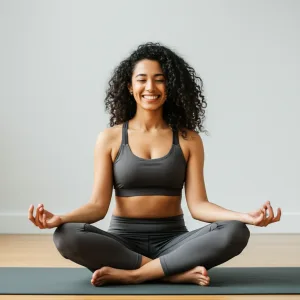
Embarking on a journey to explore natural methods for breathing exercises improvement can be a truly transformative experience for your overall well-being. Our breath, an often-overlooked yet incredibly powerful tool, is with us from our first moments to our last. While breathing is automatic, the quality of our breath can significantly impact our energy levels, stress response, and even our mental clarity. Many of us, without realizing it, fall into patterns of shallow, rapid breathing, especially when stressed or busy. But imagine tapping into the inherent power of your respiratory system to cultivate calm, enhance focus, and feel more vibrant. This comprehensive guide will walk you through accessible, natural techniques that can help you breathe more effectively, deeply, and mindfully, empowering you to unlock a new level of vitality and peace in your daily life. These practices are designed to be safe, supportive, and easy to integrate, helping you feel better, one conscious breath at a time.
Understanding the Profound Power of Your Breath
Before diving into specific techniques, it’s helpful to appreciate just how vital our breath is beyond merely sustaining life. Our respiratory system is intimately connected to our nervous system. Shallow, rapid breathing, often associated with stress or anxiety, can activate our "fight or flight" response. Conversely, slow, deep, and deliberate breathing can activate our "rest and digest" system, promoting relaxation and healing.
Optimizing your breathing patterns can help your body and mind function more efficiently. It may support better oxygenation of your blood, which in turn can help deliver more energy to your cells. Improved breathing can also assist in the removal of waste products like carbon dioxide, contributing to a feeling of freshness and clarity. Developing your natural methods for breathing exercises improvement is not just about physical health; it’s also about fostering mental tranquility and emotional balance.
The Foundation: Diaphragmatic Breathing (Belly Breathing)
Perhaps the most fundamental and impactful of all natural methods for breathing exercises improvement is diaphragmatic breathing, often called "belly breathing." This technique encourages you to breathe deeply into your diaphragm, a dome-shaped muscle located at the base of your lungs, rather than relying on shallow chest breaths.
How to Practice:
- Find a comfortable position: Lie on your back with your knees bent, or sit upright in a chair with good posture.
- Place your hands: Put one hand on your chest and the other on your belly, just below your rib cage.
- Inhale deeply: Slowly inhale through your nose, allowing your belly to rise. You should feel the hand on your belly lift, while the hand on your chest remains relatively still.
- Exhale slowly: Gently exhale through your mouth (or nose), feeling your belly fall. Try to draw your navel towards your spine as you exhale.
- Repeat: Continue this for 5-10 minutes, focusing on the gentle rise and fall of your belly.
Benefits: Diaphragmatic breathing is known to help slow your heart rate, lower blood pressure, and reduce muscle tension. It can help increase lung capacity and may improve oxygen delivery throughout your body. Practicing this regularly can be a cornerstone for all other natural methods for breathing exercises improvement. For more information on the benefits of diaphragmatic breathing, you might find resources from the Mayo Clinic helpful.
Controlled Exhalation with Pursed-Lip Breathing
Pursed-lip breathing is a simple yet powerful technique that can help slow down your breathing rate and make each breath more effective. It’s particularly useful for those who tend to breathe quickly or feel short of breath, as it helps keep airways open longer during exhalation.
How to Practice:
- Relax: Sit comfortably and relax your neck and shoulder muscles.
- Inhale: Inhale slowly through your nose for two counts, keeping your mouth closed. Imagine the air filling your belly.
- Pucker your lips: Pucker your lips as if you’re about to whistle or gently blow out a candle.
- Exhale: Exhale slowly and steadily through your pursed lips for a count of four or more, making the exhalation longer than the inhalation.
- Repeat: Continue this pattern, focusing on the controlled release of air.
Benefits: This technique is known to help release trapped air in the lungs, making space for fresh, oxygen-rich air. It can also help to slow your breathing, which in turn may help reduce feelings of shortness of breath and promote a sense of calm. Integrating pursed-lip breathing into your routine is a fantastic step in your journey toward natural methods for breathing exercises improvement.
Calming Your System with Alternate Nostril Breathing (Nadi Shodhana)
Originating from ancient yogic practices, Alternate Nostril Breathing, or Nadi Shodhana, is a powerful technique known for its ability to balance the left and right hemispheres of the brain, calm the nervous system, and improve focus. It’s a wonderful addition to any set of natural methods for breathing exercises improvement.
How to Practice:
- Sit comfortably: Find a comfortable seated position with a straight spine.
- Hand position: Bring your right hand up to your face. Rest your index and middle fingers gently between your eyebrows (or curl them into your palm). Your thumb will be used to close your right nostril, and your ring finger to close your left nostril.
- Close right nostril: Close your right nostril with your thumb and inhale slowly and deeply through your left nostril.
- Close left, open right: At the top of your inhalation, release your thumb, close your left nostril with your ring finger, and exhale slowly through your right nostril.
- Inhale right, close right, open left: Inhale through your right nostril, then close your right nostril with your thumb, release your ring finger, and exhale through your left nostril.
- Continue: This completes one round. Continue for 5-10 rounds, always inhaling through the same nostril you just exhaled from.
Benefits: Alternate Nostril Breathing can help reduce stress and anxiety, improve respiratory function, and enhance mental clarity. Many find it helpful for preparing for meditation or simply for finding a moment of peace during a busy day. It’s a truly amazing technique for enhancing your breathing exercises.
Finding Serenity with Box Breathing (Four-Square Breathing)
Box breathing, also known as four-square breathing, is a simple yet incredibly effective technique often used by athletes, military personnel, and anyone looking to quickly reduce stress and improve focus. It involves equal counts for inhalation, holding the breath, exhalation, and holding the breath again, forming a "box" shape with your breath counts. This is a highly accessible natural method for breathing exercises improvement.
How to Practice:
- Exhale completely: Gently exhale all the air from your lungs.
- Inhale (count of 4): Slowly inhale through your nose to a mental count of four.
- Hold (count of 4): Hold your breath for a mental count of four.
- Exhale (count of 4): Slowly exhale through your mouth or nose to a mental count of four.
- Hold (count of 4): Hold your breath again for a mental count of four before the next inhalation.
- Repeat: Continue this cycle for 3-5 minutes, or until you feel calmer and more focused.
Benefits: Box breathing can be a wonderful tool for calming the nervous system, reducing anxiety, and improving concentration. The rhythmic counting helps to distract the mind from stressful thoughts and brings you into the present moment, making it a powerful addition to your natural methods for breathing exercises improvement.
Enhancing Breathing Through Mindful Awareness
While the previous methods involve specific techniques, mindful breathing is more about the approach to your breath. It’s the practice of simply observing your breath without trying to change it, bringing your full attention to the sensation of air entering and leaving your body. This subtle yet profound practice is a core component of many natural methods for breathing exercises improvement.
How to Practice:
- Find a quiet spot: Sit or lie down in a comfortable position.
- Close your eyes (optional): Gently close your eyes or soften your gaze.
- Focus on your breath: Bring your attention to the sensations of your breath. Notice the feeling of the air as it enters your nostrils, the expansion and contraction of your chest or belly, and the air as it leaves your body.
- Observe without judgment: Don’t try to change your breath; just notice its natural rhythm. If your mind wanders (which it will!), gently guide your attention back to your breath.
- Continue: Practice for 5-10 minutes, or longer if you wish.
Benefits: Mindful breathing is often associated with reduced stress, improved emotional regulation, and enhanced self-awareness. It can help you become more attuned to your body’s signals and respond with greater calm and clarity. This practice may support a deeper connection to your inner self and can significantly enhance the effectiveness of other natural methods for breathing exercises improvement.
Posture and Movement for Optimal Breathing
Sometimes, the simplest changes can make the biggest difference in our breathing. Your posture plays a crucial role in how easily and deeply you can breathe. A slumped or hunched posture can restrict the movement of your diaphragm and lungs, making shallow breathing more likely.
How to Improve:
- Sit tall: When sitting, imagine a string gently pulling the crown of your head towards the ceiling. Keep your shoulders relaxed and slightly back, and your feet flat on the floor.
- Stand tall: When standing, keep your weight evenly distributed, shoulders relaxed, and chest open.
- Gentle stretches: Incorporate stretches that open your chest and shoulders, such as gentle backbends or arm circles. Yoga and Pilates often include exercises that specifically target posture improvement and core strength, which in turn can support better breathing mechanics.
- Move frequently: Avoid prolonged periods of sitting. Get up, stretch, and walk around every hour or so to keep your body supple and your breath flowing.
Benefits: Good posture can help create more space for your lungs to expand fully, allowing for deeper and more efficient breathing. It may reduce tension in your neck and shoulders and contribute to a feeling of greater energy and vitality. Improving your posture is an often-overlooked yet highly effective natural method for breathing exercises improvement. You can find helpful information on the importance of good posture from WebMD.
Integrating Gentle Exercise into Your Routine
While dedicated breathing exercises are valuable, incorporating regular, gentle physical activity into your daily life is another excellent way to improve your breathing naturally. When you engage in physical activity, your respiratory muscles become stronger and more efficient, making it easier to breathe deeply and with less effort.
How to Incorporate:
- Walk: Even a brisk 20-30 minute walk several times a week can make a significant difference. Focus on maintaining good posture and taking full, deep breaths as you walk.
- Swimming: Swimming is a fantastic full-body workout that naturally encourages controlled breathing patterns.
- Cycling: Gentle cycling, either outdoors or on a stationary bike, can also help build cardiovascular and respiratory endurance.
- Yoga or Tai Chi: These practices combine movement with conscious breathing, offering a holistic approach to improving both physical and respiratory health.
Benefits: Regular, gentle exercise can help increase your lung capacity, strengthen your diaphragm and intercostal muscles, and improve the overall efficiency of your respiratory system. This can lead to easier breathing during daily activities and may support better endurance. The World Health Organization (WHO) emphasizes the importance of physical activity for overall health, which indirectly but powerfully supports natural methods for breathing exercises improvement.
Everyday Habits to Further Support Breathing Improvement
Beyond specific exercises, several simple daily habits can further complement your journey toward better breathing:
- Stay Hydrated: Drinking enough water helps keep the mucous membranes in your respiratory system moist and healthy, which can support clearer airways.
- Seek Fresh Air: Spending time outdoors in nature, especially in areas with good air quality, can expose you to cleaner air and encourage deeper breathing.
- Manage Stress: Since stress often leads to shallow breathing, adopting stress-reduction techniques like journaling, spending time with loved ones, or engaging in hobbies can indirectly but powerfully enhance your breathing patterns.
- Aromatherapy (with caution): Certain essential oils, like peppermint or eucalyptus, are sometimes used to create a refreshing aroma that may contribute to a feeling of clearer breathing when diffused or used in steam. Always use essential oils safely and according to guidelines, and avoid direct application to airways.
Adopting these broader lifestyle adjustments can significantly complement your practice of natural methods for breathing exercises improvement.
Important Considerations for Your Breathing Journey
As you explore these natural methods, remember that consistency is key. Like any new skill, improving your breathing takes practice and patience.
- Start small: Begin with short sessions (even 2-5 minutes) and gradually increase the duration as you feel comfortable.
- Listen to your body: Pay attention to how you feel during and after each exercise. If anything feels uncomfortable or causes dizziness, stop and rest.
- Be patient: You might not notice dramatic changes overnight, but with consistent practice, you’ll likely start to experience the cumulative benefits of deeper, more mindful breathing.
- Professional advice: While these natural methods for breathing exercises improvement are generally safe and beneficial, if you have any underlying health conditions, persistent breathing difficulties, or concerns, it’s always wise to speak with a healthcare provider. These methods are intended to be supportive and educational, not a substitute for medical advice or treatment.
Conclusion
Embracing natural methods for breathing exercises improvement is a powerful step towards a more vibrant, calmer, and healthier you. From the foundational practice of diaphragmatic breathing to the balancing effects of alternate nostril breathing and the calming rhythm of box breathing, these techniques offer accessible ways to tap into your body’s innate wisdom. By integrating mindful awareness, improving your posture, and incorporating gentle movement into your daily life, you can cultivate a breathing pattern that supports overall well-being.
Remember, your breath is a constant companion, always available to help you find peace, clarity, and energy. By dedicating a little time each day to these simple, natural practices, you can unlock a profound sense of vitality and empowerment, transforming not just how you breathe, but how you experience life itself. Start today, and breathe your way to a better you!