Embarking on a journey to discover natural methods for flexibility improvement can transform your daily life, making movements smoother, more comfortable, and genuinely enjoyable. If you’ve ever felt a twinge reaching for something on a high shelf, experienced stiffness after sitting for too long, or simply wished for a greater range of motion in your favorite activities, you’re in the right place. Our bodies are incredible machines, designed for movement, and cultivating flexibility through natural approaches is a wonderful way to honor that design. It’s about more than just touching your toes; it’s about enhancing your overall well-being, reducing everyday aches, and embracing a more fluid way of living. Let’s explore accessible, safe, and supportive strategies that can help you gently and effectively boost your body’s natural suppleness.
Why Embrace Natural Methods for Flexibility Improvement?
Flexibility is often overlooked until we realize its absence. It’s a cornerstone of physical fitness, playing a vital role in everything from basic daily tasks to complex athletic feats. When your muscles and joints can move through their full range of motion without restriction, a cascade of positive effects can follow.
Firstly, improved flexibility can significantly enhance your posture. When muscles are tight, they can pull your body out of alignment, leading to slouching or an uneven stance. By gently lengthening and relaxing these muscles, you may support a more upright and confident posture, which in turn can help alleviate strain on your spine and neck.
Secondly, embracing natural methods for flexibility improvement may help reduce the risk of injuries. Muscles that are pliable and well-conditioned are often less prone to strains and tears. Think of a rubber band: a new, flexible one stretches easily, while an old, stiff one might snap. Similarly, a flexible body is generally more resilient to unexpected movements or overextension during physical activity.
Furthermore, a greater range of motion often translates to improved physical performance. Whether you’re a seasoned athlete or simply enjoy walking your dog, better flexibility can allow for more efficient and powerful movements. It can help you move more freely, jump higher, run more smoothly, and even improve your balance, potentially reducing the likelihood of falls.
Beyond the physical, the process of improving flexibility naturally can also contribute to a sense of calm and well-being. Many of the methods we’ll discuss incorporate elements of mindfulness and relaxation, which are known to help reduce stress and foster a deeper connection between your mind and body. It’s a holistic approach that benefits you inside and out.
Your Journey to Greater Range of Motion: Key Natural Methods for Flexibility Improvement
Ready to unlock your body’s potential? Here are seven powerful, natural methods for flexibility improvement that you can easily integrate into your routine.
1. The Power of Stretching: Your Daily Ritual
Stretching is perhaps the most well-known and fundamental natural method for flexibility improvement. It involves consciously lengthening your muscles and connective tissues to increase your range of motion. There are several types of stretching, each with its own benefits:
- Static Stretching: This is what most people think of when they hear "stretching." It involves holding a stretch in a comfortable position for 20-30 seconds, feeling a gentle pull but no pain. Static stretches are generally best performed after your muscles are warm, such as after a light workout or a warm bath. They are known to help improve muscle length and reduce stiffness. For example, a hamstring stretch where you reach for your toes while seated is a classic static stretch.
- Resource: For more detailed information on the benefits of stretching and proper techniques, you can explore resources like Mayo Clinic’s guide on stretching: Mayo Clinic – Stretching: Focus on flexibility
- Dynamic Stretching: Unlike static stretches, dynamic stretching involves moving your body through a range of motion. Think arm circles, leg swings, or torso twists. These movements prepare your muscles for activity by increasing blood flow and mimicking the movements you’re about to perform. Dynamic stretching is ideal as part of a warm-up before exercise.
- PNF (Proprioceptive Neuromuscular Facilitation) Stretching: This is a more advanced technique that often involves a partner. It typically combines passive stretching and isometric contractions to achieve greater flexibility. While highly effective, it’s often best learned under the guidance of a professional to ensure safety.
Tips for Safe Stretching:
Always listen to your body. Stretching should never be painful. If you feel sharp pain, ease off immediately. Breathe deeply throughout your stretches, and remember that consistency, even for short periods daily, is far more effective than infrequent, intense sessions.
2. Embrace Mind-Body Practices: Yoga and Tai Chi
Mind-body practices offer a holistic approach to natural methods for flexibility improvement, blending physical postures with mental focus and breathwork.
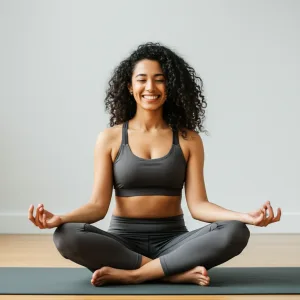
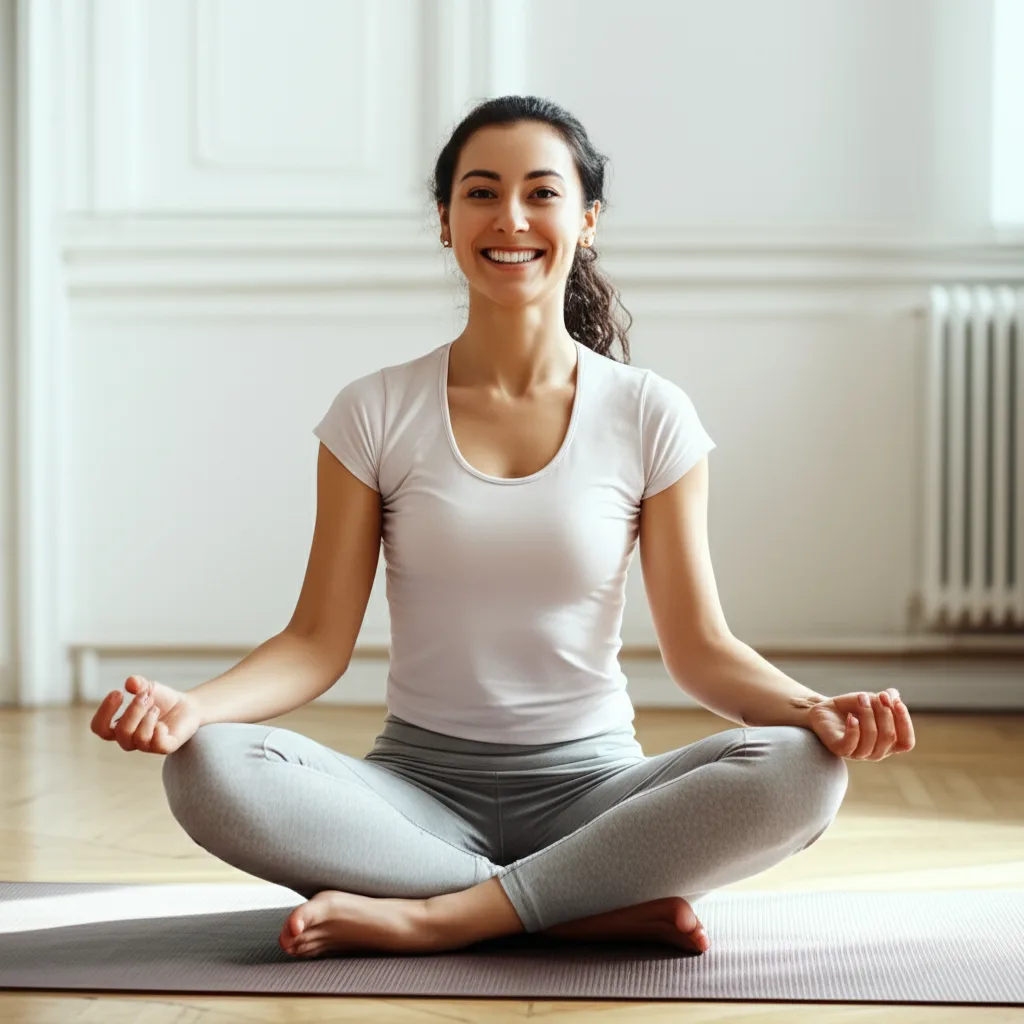
- Yoga: Originating in ancient India, yoga is a comprehensive practice that integrates physical postures (asanas), breathing exercises (pranayama), and meditation. There are numerous styles of yoga, from the gentle Hatha and Restorative yoga to the more vigorous Vinyasa and Ashtanga. All styles, however, can help cultivate flexibility, strength, balance, and mindfulness. The controlled movements and sustained poses in yoga gently lengthen muscles and increase joint mobility. The emphasis on breath also helps to relax the nervous system, which in turn may allow muscles to release tension more effectively.
- Resource: To learn more about the benefits of yoga for physical and mental health, WebMD offers a helpful overview: WebMD – Health Benefits of Yoga
- Tai Chi: This ancient Chinese martial art is often described as "meditation in motion." It involves a series of slow, gentle, flowing movements that are performed with deep breathing and mental focus. Tai Chi is known to improve balance, coordination, and flexibility, particularly in the spine and hips. Its low-impact nature makes it accessible to people of all ages and fitness levels, making it a wonderful natural method for flexibility improvement, especially for those seeking a gentle yet effective approach.
3. The Pilates Path: Core Strength Meets Flexibility
Pilates, developed by Joseph Pilates in the early 20th century, is another powerful natural method for flexibility improvement that focuses on strengthening the core muscles while simultaneously lengthening the body. It emphasizes controlled movements, precision, and breathwork.
Pilates exercises work to strengthen the deep abdominal muscles, pelvic floor, and back muscles, which are crucial for supporting the spine and maintaining good posture. By focusing on core stability, Pilates can help to create a strong foundation from which the limbs can move more freely. Many exercises involve elongating the spine and stretching the muscles, which may contribute to increased overall flexibility, particularly in the torso and hamstrings. It’s a fantastic way to build both strength and suppleness without putting undue stress on your joints.
4. Self-Myofascial Release: Hello, Foam Roller!
Self-myofascial release (SMR) is a technique that involves applying pressure to specific points on your body to release muscle tightness and trigger points (knots). The most common tool for SMR is a foam roller, but you can also use massage balls or even your own hands.
When muscles become tight or develop knots, their ability to fully lengthen can be compromised. Foam rolling is known to help break up these adhesions and improve blood flow to the area, which can support greater tissue elasticity and range of motion. By gently rolling over tight spots, you may help to release tension and improve the flexibility of the fascia, the connective tissue that surrounds your muscles.
How to Use a Foam Roller:
Start by placing the foam roller under a muscle group (e.g., hamstrings, glutes, quads, back). Slowly roll back and forth, pausing on any tender spots for 20-30 seconds until the discomfort lessens. Breathe deeply and remember to avoid rolling directly over joints or bones. It might feel a little intense at first, but the relief afterward can be significant.
5. Hydration and Nutrition: Fueling Flexible Muscles
While often overlooked, what you put into your body plays a crucial role in its ability to be flexible. These are fundamental natural methods for flexibility improvement from the inside out.
- Hydration: Water is essential for every bodily function, including joint lubrication and muscle elasticity. Dehydrated muscles are more prone to cramping and stiffness, making them less pliable. Ensuring you drink enough water throughout the day can help your connective tissues remain supple and your joints move smoothly. Aim for consistent hydration, sipping water throughout the day rather than just gulping it down when you feel thirsty.
- Balanced Nutrition: A diet rich in whole foods provides the necessary nutrients for muscle repair, tissue health, and reducing inflammation. Foods high in antioxidants (found in fruits and vegetables) and healthy fats (like those in avocados, nuts, and olive oil) may support overall joint health and muscle recovery. Conversely, a diet high in processed foods and sugar can contribute to inflammation, potentially leading to increased stiffness.
- Resource: For guidance on healthy eating and hydration, WebMD offers comprehensive advice: WebMD – Healthy Eating
6. The Breath-Body Connection: Deep Breathing
It might seem simple, but conscious, deep breathing is a powerful natural method for flexibility improvement. When we are stressed or tense, our breathing tends to become shallow and rapid, which can lead to muscle constriction.
Practicing deep, diaphragmatic breathing (belly breathing) may help to activate your parasympathetic nervous system, which is responsible for rest and digestion. When your body is in this relaxed state, your muscles can release tension more readily, allowing for greater flexibility. Incorporating a few minutes of deep breathing before or during your stretching routine can significantly enhance your results.
Try this simple exercise: Sit or lie comfortably. Place one hand on your chest and the other on your belly. Inhale slowly through your nose, feeling your belly rise. Exhale slowly through your mouth, feeling your belly fall. Focus on making your exhales longer than your inhales.
7. Rest and Recovery: The Unsung Heroes of Flexibility
Our bodies don’t get stronger or more flexible during exercise; they do so during rest and recovery. This makes adequate sleep and stress management critical natural methods for flexibility improvement.
- Quality Sleep: During sleep, your body undertakes essential repair processes. Muscles recover from the day’s activities, and tissues are regenerated. Insufficient sleep can lead to increased muscle soreness, fatigue, and stiffness, hindering your flexibility progress. Aim for 7-9 hours of quality sleep each night to give your body the time it needs to rejuvenate.
- Stress Management: Chronic stress is known to cause muscles to tense up, particularly in the neck, shoulders, and back. This persistent tension can lead to chronic stiffness and reduced flexibility. Incorporating stress-reducing activities like meditation, journaling, spending time in nature, or listening to calming music can help your muscles relax and contribute to overall flexibility.
Weaving Natural Methods for Flexibility Improvement into Your Daily Life
The beauty of these natural methods for flexibility improvement is their accessibility and adaptability. You don’t need a gym membership or expensive equipment to start.
- Consistency is Key: Rather than long, infrequent sessions, aim for short, consistent bursts. Even 10-15 minutes of stretching or gentle movement daily can yield remarkable results over time. Think of it as a daily self-care ritual.
- Listen to Your Body: Everyone’s body is different, and flexibility is not a competition. Progress gradually, respect your body’s limits, and never push into pain. Your journey is unique.
- Make it Enjoyable: Find activities you genuinely love. If you enjoy the process, you’re much more likely to stick with it. Explore different yoga styles, try a Tai Chi class, or simply put on some music and gently move your body.
- Set Realistic Goals: Celebrate small victories. Perhaps your goal is to comfortably reach your knees first, then your shins, and eventually your toes. Each step forward is progress.
Embrace Your Flexible Future
Embracing natural methods for flexibility improvement is a powerful step towards a healthier, more comfortable, and more capable you. From the conscious lengthening of stretches and the mindful movements of yoga and Tai Chi, to the internal support of proper hydration and nutrition, every natural method contributes to your body’s incredible ability to move freely.
Remember, flexibility isn’t just about impressive poses; it’s about making everyday life easier, reducing discomfort, and enhancing your overall physical and mental well-being. It’s a journey, not a destination, and with patience, consistency, and these supportive natural approaches, you’ll soon discover a new level of ease and freedom in your body. Start today, listen to your body, and enjoy the wonderful benefits of a more flexible you!