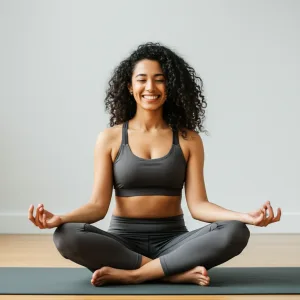
Life can often feel like a juggling act, and it’s completely normal to experience stress. But what if you could find peace and calm right where you are? This article is all about discovering easy ways to practice stress control at home, transforming your living space into a sanctuary of well-being. You don’t need fancy equipment or a specific setting; just a willingness to explore simple, actionable strategies that can make a big difference in how you feel every day.
We all encounter moments of overwhelm, tension, or worry. Learning to manage these feelings effectively is a powerful skill that can enhance your overall quality of life. The good news is that many highly effective techniques are readily available and can be integrated into your daily routine without much fuss. Let’s dive into some practical, gentle methods that can help you cultivate a more peaceful mind and body, all from the comfort of your home.
Understanding Stress and Why Home-Based Practice Matters
Before we explore the "how," let’s briefly touch upon the "why." Stress is your body’s natural response to challenges or demands. While a little bit of stress can be motivating, chronic or overwhelming stress can take a toll on your physical and emotional well-being. It can affect your sleep, mood, concentration, and even your physical health. Developing coping mechanisms is crucial, and what better place to start than in your personal haven?
Practicing stress control at home offers several unique benefits:
- Convenience: No travel, no appointments. You can practice whenever suits you.
- Comfort: Your home is your safe space, making it easier to relax and be vulnerable.
- Consistency: Integrating practices into your daily routine at home can make them stick.
- Cost-Effective: Many of these methods are free or require minimal investment.
The goal isn’t to eliminate stress entirely – that’s often unrealistic – but to learn how to respond to it more effectively, reducing its negative impact and fostering resilience.
Your Go-To Guide: Easy Ways to Practice Stress Control at Home
Here are 10 simple yet powerful techniques you can start trying today. Remember, consistency is key, even if you begin with just a few minutes each day.
1. Embrace the Power of Mindful Breathing
It might sound too simple, but deep, conscious breathing is one of the most immediate and easy ways to practice stress control at home. When you’re stressed, your breath tends to become shallow and rapid. By intentionally slowing down and deepening your breath, you can signal to your nervous system that it’s safe to relax.
How to do it:
- Diaphragmatic Breathing: Sit or lie comfortably. Place one hand on your chest and the other on your belly. Inhale slowly through your nose, feeling your belly rise while your chest remains relatively still. Exhale slowly through pursed lips, feeling your belly fall. Repeat for 5-10 minutes. This technique is known to help calm the body.
- Box Breathing: Inhale for a count of four, hold your breath for a count of four, exhale for a count of four, and hold your breath out for a count of four. Repeat several times. This rhythmic pattern can help reset your focus.
For more on the benefits of deep breathing, the Mayo Clinic offers excellent resources on relaxation techniques that include mindful breathing practices.
2. Create a Mindful Moment with Sensory Awareness
You don’t need to sit cross-legged for an hour to practice mindfulness. Bringing mindful awareness to everyday activities is an incredibly easy way to practice stress control at home. It helps anchor you in the present moment, pulling you away from worrying thoughts about the past or future.
How to do it:
- Mindful Eating: When you eat, truly taste your food. Notice the colors, textures, smells, and flavors. Chew slowly and savor each bite.
- Mindful Walking: If you walk around your house or garden, pay attention to the sensation of your feet on the ground, the sounds around you, and the feeling of air on your skin.
- Mindful Listening: Choose a piece of calming music or nature sounds. Close your eyes and simply listen, noticing each instrument or sound without judgment.
3. Gentle Movement: Stretch, Sway, or Dance
Physical activity is a fantastic stress reliever, and it doesn’t have to be an intense gym workout. Gentle movement is another of the very easy ways to practice stress control at home. It helps release tension held in the body and can improve your mood.
How to do it:
- Simple Stretching: Perform gentle stretches for your neck, shoulders, back, and legs. Hold each stretch for 20-30 seconds, breathing deeply. You can find many beginner-friendly stretching routines online.
- Chair Yoga: If mobility is a concern, chair yoga offers accessible poses that can help improve flexibility and reduce stress.
- Dance Party for One: Put on your favorite upbeat music and just move! Let your body express itself without worrying about how it looks. This can be surprisingly therapeutic.
4. Engage in Creative Expression
Tapping into your creative side can be incredibly therapeutic and is one of the more enjoyable easy ways to practice stress control at home. It provides an outlet for emotions and can help you achieve a state of "flow," where you’re fully immersed in an activity.
How to do it:
- Journaling: Write down your thoughts and feelings without judgment. This can help you process emotions and gain clarity. You don’t need perfect grammar or a specific topic; just let the words flow.
- Drawing, Painting, or Doodling: You don’t need to be an artist. Grab some paper and crayons, markers, or paints. Just play with colors and shapes. The process, not the product, is what matters.
- Crafting: Knitting, crocheting, scrapbooking, or even putting together a puzzle can be wonderfully meditative and provide a sense of accomplishment.
5. Connect with Nature, Even Indoors
Bringing elements of nature into your home, or simply appreciating it from afar, can have a calming effect. This is a wonderfully accessible and easy way to practice stress control at home.
How to do it:
- Indoor Plants: Caring for plants can be a soothing ritual. Just having greenery around can help create a more peaceful atmosphere.
- Window Gazing: Sit by a window and observe the outside world. Watch the clouds, the trees swaying, or birds.
- Nature Sounds: Play recordings of rain, ocean waves, or forest sounds. These can transport you mentally to a tranquil setting.
- Outdoor Time (if accessible): If you have a garden, balcony, or even just a doorstep, spend a few minutes outside breathing fresh air and feeling the sun.
6. Structured Relaxation: Progressive Muscle Relaxation (PMR)
PMR is a technique where you systematically tense and then relax different muscle groups in your body. This helps you become more aware of physical tension and learn how to release it. It’s a proven and easy way to practice stress control at home.
How to do it:
- Lie down or sit comfortably in a quiet space.
- Start with your feet. Tense the muscles in your feet tightly for about 5 seconds.
- Then, completely relax those muscles for 15-20 seconds, noticing the difference between tension and relaxation.
- Move up your body, tensing and relaxing each muscle group: calves, thighs, glutes, abdomen, chest, arms, hands, neck, face.
- Focus on the feeling of release with each relaxation phase.
WebMD offers a comprehensive guide to progressive muscle relaxation and its benefits.
7. Curate a Calming Home Environment
Your surroundings can significantly impact your mood. Making your home a more peaceful place is an effective and easy way to practice stress control at home.
How to do it:
- Declutter a Small Area: Choose one small space – a desk, a countertop, or a bedside table – and tidy it up. A clear space can often lead to a clearer mind.
- Soft Lighting: Use lamps with warm light, dimmers, or even candles (safely!) to create a cozy, relaxing ambiance in the evenings.
- Comforting Scents: Use essential oil diffusers with calming scents like lavender or chamomile, or light a scented candle.
- Comfort Zone: Designate a specific spot in your home as your "calm corner" with a comfortable chair, soft blanket, and perhaps a book.
8. Prioritize Restful Sleep
Sleep is fundamental for stress management. When you’re well-rested, your body and mind are better equipped to handle challenges. Establishing a healthy sleep routine is one of the most crucial yet easy ways to practice stress control at home.
How to do it:
- Consistent Schedule: Try to go to bed and wake up around the same time each day, even on weekends.
- Wind-Down Routine: Create a relaxing routine before bed: a warm bath, reading a book (not on a screen), gentle stretching, or listening to calming music.
- Optimize Your Bedroom: Keep your bedroom dark, quiet, and cool. Avoid screens (phones, tablets, TVs) for at least an hour before sleep.
The World Health Organization (WHO) emphasizes the importance of good sleep for overall health and well-being.
9. Connect with Others (Virtually or In-Person)
While "at home" often implies solitude, connecting with loved ones is a powerful buffer against stress. Even if they’re not physically with you, maintaining social bonds is an important and easy way to practice stress control at home.
How to do it:
- Video Calls: Schedule regular video calls with friends or family. Seeing their faces can provide a significant emotional boost.
- Phone Calls: Sometimes just hearing a familiar voice can be incredibly comforting.
- Online Communities: Join online groups or forums related to your hobbies or interests. Connecting with like-minded individuals can foster a sense of belonging.
- Share a Meal (virtually): Eat dinner with a friend over a video call. It’s a simple way to feel connected.
10. Digital Detox & Mindful Tech Use
In our hyper-connected world, constant notifications and screen time can contribute significantly to stress. Taking intentional breaks from technology is a surprisingly easy way to practice stress control at home.
How to do it:
- Set Boundaries: Designate "no-phone zones" or "no-screen times" in your home, especially around mealtimes or before bed.
- Turn Off Notifications: Silence non-essential notifications on your phone and computer.
- Mindful Scrolling: Before you pick up your phone, ask yourself why. Is it out of habit, or do you have a specific purpose?
- Digital Sunset: Aim to put away all screens an hour or two before you plan to sleep.
Making It a Habit: Consistency is Key
The beauty of these easy ways to practice stress control at home is their simplicity and accessibility. You don’t need to overhaul your entire life overnight. Start small. Choose one or two techniques that resonate with you and try to incorporate them into your day for just 5-10 minutes.
- Schedule It: Just like you’d schedule an appointment, block out a few minutes for your stress-control practice.
- Be Patient: It takes time to build new habits and to feel the full benefits. Don’t get discouraged if you miss a day or don’t feel immediate relief.
- Listen to Your Body: Pay attention to what feels good and what genuinely helps you relax. Everyone is different.
- Celebrate Small Wins: Acknowledge yourself for taking the time to care for your well-being.
These practices are not quick fixes but rather tools that, with consistent use, can help you build resilience and a greater sense of calm. They may support a more balanced mood, can help you think more clearly, and are known to improve overall feelings of well-being.
When to Seek Additional Support
While these easy ways to practice stress control at home can be incredibly beneficial, it’s important to recognize when stress feels overwhelming or persistent. If you find that stress is significantly impacting your daily life, sleep, relationships, or overall health, or if you’re experiencing symptoms like constant fatigue, persistent sadness, or difficulty coping, it may be helpful to reach out to a healthcare professional or a mental health expert. They can provide personalized guidance and support. These home-based practices can complement professional help but are not a substitute for it.
Conclusion: Your Home, Your Haven for Calm
Taking charge of your stress doesn’t require a radical lifestyle change or an expensive retreat. It starts with simple, intentional choices made right in your own living space. By incorporating these easy ways to practice stress control at home into your daily routine, you’re investing in your mental and emotional health.
Remember, self-care isn’t selfish; it’s essential. Each mindful breath, gentle stretch, creative moment, or peaceful pause you take contributes to a calmer, more resilient you. Experiment with these techniques, find what works best for you, and create a personal haven where peace and well-being can flourish. Your home truly can be your sanctuary for stress control.