Embarking on a journey to incorporate more wholesome, natural ingredients into your diet can feel exciting, yet sometimes a little daunting. This beginner guide to fresh foods is designed to demystify the process, making it simple and enjoyable for anyone looking to embrace a more vibrant way of eating. Forget complicated recipes or strict diets; our goal is to empower you with the knowledge and confidence to choose, prepare, and savor fresh foods, enhancing your overall well-being one delicious bite at a time.
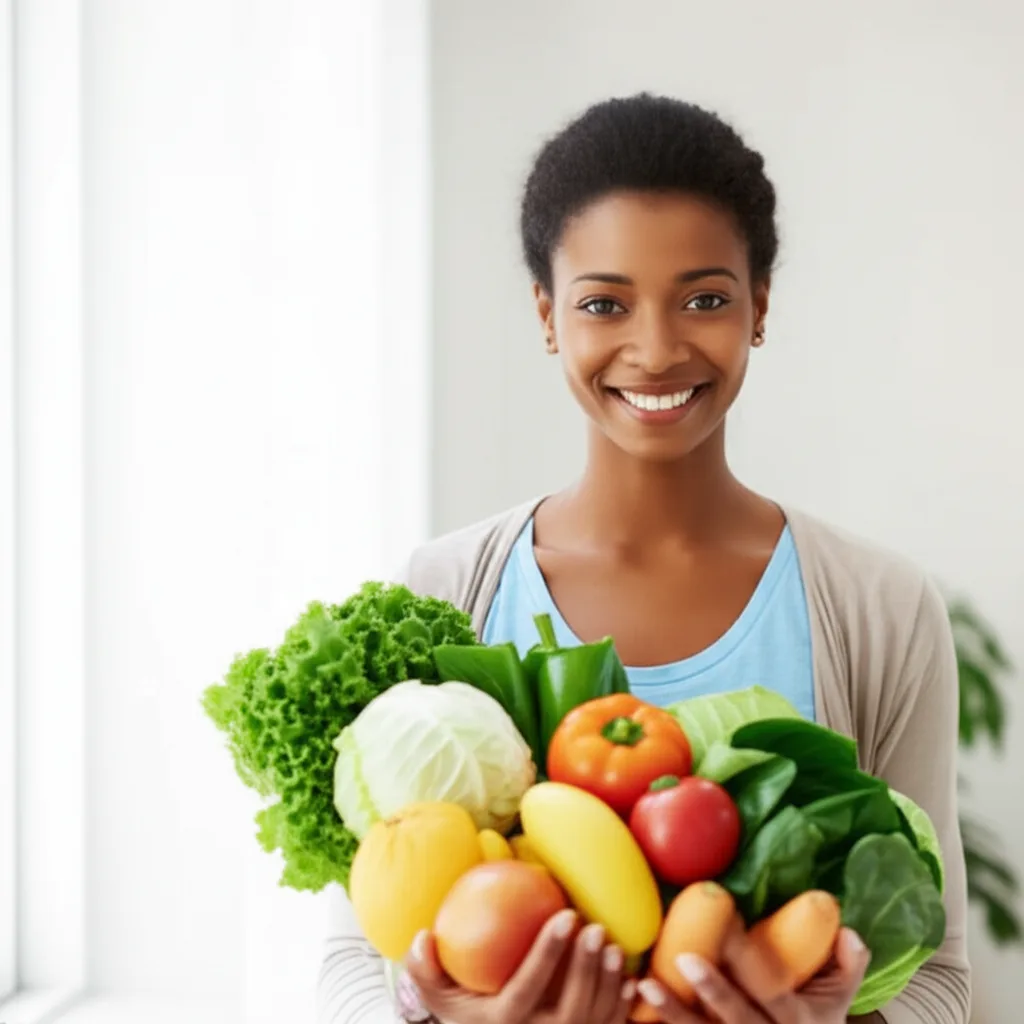
Imagine biting into a crisp apple picked at its peak, or enjoying the earthy sweetness of roasted carrots straight from the oven. Fresh foods offer an incredible array of flavors, textures, and nutrients that processed alternatives simply can’t match. They are the building blocks for a healthier, more energetic you, and getting started is much easier than you might think. We’ll walk you through practical steps, helpful tips, and inspiring ideas to transform your plate and your perspective on food.
Why Embrace Fresh Foods? The Wonderful Benefits Await!
Before diving into the "how," let’s chat about the "why." What makes fresh foods so special, and why are they a cornerstone of a supportive diet? The reasons are as abundant as the harvest itself!
- Vibrant Flavor & Texture: Fresh fruits, vegetables, and other unprocessed ingredients simply taste better. Their natural sugars, fibers, and unique compounds create a symphony of flavors that can awaken your palate and make eating a truly joyful experience. From the juicy burst of a berry to the satisfying crunch of a bell pepper, fresh foods bring excitement to every meal.
- Nutrient Powerhouses: Fresh foods are typically rich in vitamins, minerals, antioxidants, and fiber. These vital components may support everything from a robust immune system to healthy digestion. Unlike heavily processed foods, which often lose nutrients during manufacturing, fresh options deliver their goodness intact. Eating a rainbow of fresh produce can help ensure you’re getting a broad spectrum of these beneficial elements.
- Sustained Energy Levels: The natural carbohydrates in fruits and vegetables, combined with their fiber content, provide a steady release of energy, helping to avoid the sugar crashes often associated with processed snacks. You may find yourself feeling more alert and focused throughout the day when your body is fueled by fresh, whole ingredients.
- Feeling Fuller, Longer: Thanks to their high water and fiber content, fresh foods can help you feel satisfied and full, which may support healthy weight management without feeling deprived. Fiber is also known to contribute to a healthy digestive system.
- Connection and Joy: Choosing fresh ingredients, preparing them, and sharing them with loved ones can help foster a deeper connection to your food and the act of eating. It’s a mindful practice that may support a more positive relationship with your diet.
Your Essential Beginner Guide to Fresh Foods: Getting Started
Ready to roll up your sleeves? This section is your practical beginner guide to fresh foods, offering actionable steps to get you on your way. Remember, progress, not perfection, is the key!
Step 1: Start Small, Think Seasonal
One of the biggest mistakes beginners make is trying to overhaul their entire diet overnight. This can lead to feeling overwhelmed and giving up. Instead, focus on small, sustainable changes.
- Choose a few favorites: Pick 2-3 fruits and 2-3 vegetables you already enjoy. Start by incorporating these into your meals more frequently.
- Embrace seasonality: Eating seasonally means choosing produce that is naturally in harvest. This often means better flavor, higher nutrient content, and sometimes lower prices. For example, berries are amazing in summer, while root vegetables shine in winter.
- Where to find seasonal guides: A quick online search for "seasonal produce calendar " can provide a helpful overview. Many local farmer’s markets also highlight what’s in season.
Step 2: Conquering the Grocery Store (or Farmer’s Market!)
Navigating the produce aisle or a bustling farmer’s market can be an adventure. Here’s how to make smart choices.
- Look, Feel, Smell:
- Fruits: Look for vibrant colors, smooth skins (unless naturally bumpy), and firmness. Avoid soft spots, bruises, or mold. Many fruits (like melons or peaches) will have a sweet aroma when ripe.
- Vegetables: Seek crispness, bright colors, and no wilting or sliminess. Leafy greens should be perky, not yellowed or limp.
- Reading Labels (for packaged fresh foods): If buying pre-cut or bagged produce, check the ingredients list. It should ideally contain only the fruit or vegetable, with no added preservatives or sugars.
- Farmer’s Markets: These are fantastic places for fresh foods! You can often talk directly to the growers, learn about their practices, and discover unique local varieties. Don’t be afraid to ask questions.
- WebMD offers excellent advice on how to choose and store fruits and vegetables to maintain their freshness and nutritional value. For tips on selecting the best produce, you can explore resources like this guide on How to Buy Fresh Produce.
Step 3: Storage Secrets for Lasting Freshness
Proper storage is crucial for making your fresh foods last longer, reducing waste, and ensuring you always have healthy options on hand.
- Know Your Produce:
- Countertop (room temperature): Bananas, tomatoes, potatoes, onions, garlic, citrus fruits (if eating within a few days).
- Refrigerator: Most fruits (berries, grapes, apples, pears), leafy greens, broccoli, cauliflower, carrots, celery, cucumbers, bell peppers.
- Pantry (cool, dark place): Squash, sweet potatoes.
- Washing: Wash most produce just before you’re ready to eat or cook it. Washing too early can introduce moisture that encourages spoilage. Berries are particularly sensitive; wash them right before consumption.
- Bags and Containers: Store leafy greens in breathable bags or containers with a paper towel to absorb excess moisture. Keep berries in their original containers or shallow, breathable ones.
- Extend Shelf Life: For produce like herbs, trim the stems and place them in a glass of water (like a bouquet) in the fridge, covering loosely with a plastic bag.
Step 4: Simple Ways to Incorporate Freshness into Every Meal
This is where the fun begins! You don’t need gourmet cooking skills to enjoy fresh foods.
- Breakfast Boost:
- Add sliced bananas, berries, or peaches to oatmeal, yogurt, or cereal.
- Toss spinach, mushrooms, and bell peppers into scrambled eggs or an omelet.
- Blend a handful of spinach into a fruit smoothie – you won’t even taste it!
- Lunchtime Refresh:
- Swap out a heavy side for a simple garden salad with your favorite fresh veggies.
- Pile extra lettuce, tomato, cucumber, and sprouts onto sandwiches and wraps.
- Pack raw veggie sticks (carrots, celery, bell peppers) with hummus for a satisfying crunch.
- Dinner Delight:
- Roast a sheet pan of colorful vegetables (broccoli, carrots, zucchini, bell peppers) with a drizzle of olive oil, salt, and pepper.
- Add extra veggies to pasta sauces, stir-fries, or soups.
- Serve every meal with a simple side salad or steamed green beans.
- Snack Smarts:
- Keep a bowl of fruit visible on your counter for easy grabbing.
- Prepare pre-cut veggie sticks in the fridge for quick, healthy snacks.
- The World Health Organization (WHO) emphasizes the importance of increasing fruit and vegetable consumption as a part of a healthy diet to reduce the risk of noncommunicable diseases. You can learn more about their recommendations on their Healthy Diet page.
Step 5: Embrace the Joy of Cooking (or Assembling!)
Cooking with fresh ingredients doesn’t have to be complicated.
- Simple is Best: Start with basic preparations. Sautéing, roasting, steaming, and grilling are all excellent ways to cook vegetables while preserving their flavor and nutrients.
- No-Cook Wonders: Many fresh foods are delicious raw! Think vibrant salads, fruit platters, veggie sticks with dips, or refreshing fruit salsas.
- Meal Prep Magic: Dedicate a short time once or twice a week to wash, chop, and store some of your produce. This makes quick meals and snacks a breeze during busy weekdays. For example, pre-chop bell peppers and onions for stir-fries, or wash and dry your salad greens.
- Experiment and Explore: Don’t be afraid to try a new fruit or vegetable each week. You might discover a new favorite! Look up simple recipes online that highlight fresh ingredients.
Common Questions & Beginner Tips for Your Fresh Food Journey
As you delve into the world of fresh foods, some questions might pop up. Here are a few common ones and some extra tips to keep you motivated.
- "Fresh foods are expensive!" This can be a misconception.
- Buy in season: Seasonal produce is often more affordable.
- Look for sales: Check grocery store flyers.
- Consider frozen: Frozen fruits and vegetables (without added sauces or sugars) are picked at their peak and flash-frozen, locking in nutrients. They can be a very economical and convenient option, especially for items out of season.
- "Ugly" produce: Some stores offer "ugly" or imperfect produce at a discount. It tastes just as good!
- Plan your meals: Reduce waste by planning what you’ll use before you shop.
- "What about food waste?"
- Start small: Don’t buy too much at once, especially for highly perishable items.
- Proper storage: As discussed in Step 3, good storage extends shelf life.
- Get creative with leftovers: Overripe fruit can be blended into smoothies or baked into muffins. Wilting veggies can be added to soups or stir-fries.
- Compost: If produce does go bad, consider composting it to return nutrients to the earth.
- "I’m not a good cook."
- You don’t need to be! Many fresh foods are delicious with minimal preparation. A simple salad, roasted veggies with olive oil, or a fruit bowl are easy wins.
- YouTube and cooking blogs offer endless simple recipes for beginners. Start with "one-pan" or "five-ingredient" meals.
- Listen to Your Body: Pay attention to how different fresh foods make you feel. Notice changes in your energy, digestion, and mood. This personal feedback is a powerful guide.
- Be Patient and Kind to Yourself: Changing eating habits takes time. There will be days when you reach for something less fresh, and that’s perfectly okay. The goal is consistent effort, not perfection. Every fresh choice is a step in the right direction.
Beyond the Basics: Expanding Your Fresh Food Horizons
Once you’re comfortable with the basics, you might feel ready to explore even further. The world of fresh foods is vast and exciting!
- Explore Global Flavors: Different cultures use fresh ingredients in unique and delicious ways. Try an Asian stir-fry, a Mediterranean salad, or a Mexican salsa.
- Herbs and Spices: Fresh herbs like cilantro, parsley, basil, and mint can elevate any dish. Spices add depth and warmth. They are also known to contain beneficial compounds that may support various aspects of health.
- Pairing with Other Whole Foods: Remember that a truly supportive diet includes more than just fruits and vegetables. Pair your fresh produce with:
- Whole Grains: Brown rice, quinoa, oats, whole wheat pasta.
- Lean Proteins: Beans, lentils, tofu, eggs, poultry, fish.
- Healthy Fats: Avocados, nuts, seeds, olive oil.
- Mayo Clinic offers comprehensive guidance on building a healthy plate and the benefits of a balanced diet rich in whole, fresh foods. For more in-depth information on healthy eating and the role of various food groups, you can visit resources like their page on Healthy Eating.
Your Fresh Food Journey Starts Now!
Congratulations on taking the first step towards a healthier, more vibrant you! This beginner guide to fresh foods has provided you with a roadmap, but the most important tool you have is your willingness to explore and experiment. Remember, every small change adds up. From a handful of berries in your morning yogurt to a colorful roasted vegetable medley for dinner, each fresh choice contributes to your well-being.
Embrace the delicious possibilities, trust your instincts, and enjoy the journey of discovery. Your body will thank you for nourishing it with the goodness of nature. So, head to the market, pick out something new, and let the joy of fresh food transform your plate and your life!