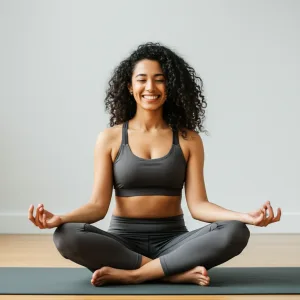
In our fast-paced, always-on world, finding moments of calm can feel like a luxury, not a necessity. Yet, cultivating daily habits to support relaxation is not just about escaping stress; it’s about building resilience, enhancing focus, and nurturing overall well-being. This comprehensive guide will explore practical, gentle routines you can weave into your everyday life to foster a deeper sense of peace and tranquility. We’ll delve into a variety of approaches, from mindful moments to physical practices, all designed to help you unwind and recharge.
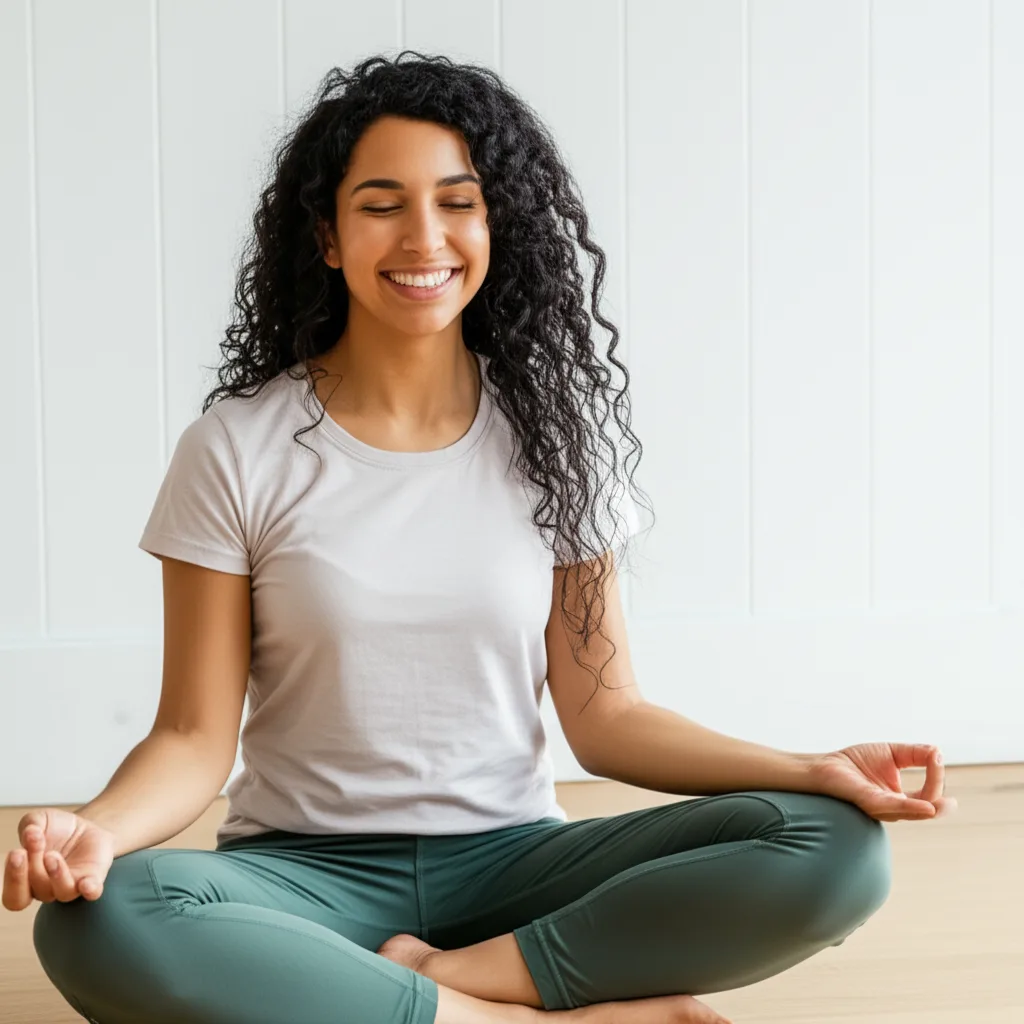
The hum of modern life often leaves us feeling overwhelmed, constantly juggling responsibilities and demands. The good news is that you don’t need a lavish spa day or a month-long retreat to find your calm. Instead, true relaxation can be found in the small, consistent choices we make each day. By intentionally incorporating simple, powerful habits, you can create a personal sanctuary within your daily routine, shifting from a state of constant alert to one of mindful presence and serenity. This article aims to be your friendly guide, offering actionable insights and supportive encouragement on your journey to a more relaxed and joyful life.
The Power of Small Steps: Why Daily Habits Matter
Before we dive into specific practices, let’s understand why daily habits are so impactful. Stress, when chronic, can take a significant toll on our mental and physical health. It can affect sleep, digestion, mood, and even our immune system. While we can’t always eliminate stressors, we can change our response to them. This is where relaxation habits come in.
Think of these habits as tiny investments in your well-being. Each time you engage in a relaxing activity, you’re sending a signal to your body and mind: "It’s safe to slow down." Over time, these consistent signals can help regulate your nervous system, reduce cortisol levels (the "stress hormone"), and build a stronger foundation for emotional resilience. It’s not about achieving a perfect, stress-free life, but about equipping yourself with tools to navigate life’s challenges with greater ease and calm. The cumulative effect of these small, positive actions can be truly transformative, leading to a profound improvement in your quality of life.
Unlocking Your Calm: Essential Daily Habits to Support Relaxation
Here are 10 key categories of daily habits to support relaxation, offering a holistic approach to nurturing your peace of mind. Remember, this isn’t a checklist to complete perfectly every day, but a menu of options to explore and adapt to your unique needs and preferences.
1. Embrace Mindful Breathing: Your Instant Relaxation Tool
One of the quickest and most accessible ways to shift from a state of stress to one of calm is through intentional breathing. When we’re stressed, our breath often becomes shallow and rapid. By consciously slowing down and deepening your breath, you can activate your parasympathetic nervous system, which is responsible for rest and digest functions.
- How to practice: Find a quiet moment, even just for a minute or two. Sit comfortably. Inhale slowly through your nose, feeling your belly expand. Count to four as you inhale. Hold your breath for a count of four, then exhale slowly through your mouth, counting to six or eight, feeling your belly contract. Repeat this several times.
- Why it helps: This simple practice helps oxygenate your blood, calm your nervous system, and bring your focus to the present moment, diverting attention from racing thoughts. It’s a powerful tool among daily habits to support relaxation that you can use anywhere, anytime.
2. Dedicate Time to Mindful Movement
Our bodies and minds are deeply connected. Gentle physical activity can be incredibly effective at releasing tension and promoting relaxation. This doesn’t mean hitting the gym for an intense workout; it means engaging in movement that feels good and brings you into your body.
- How to practice: Incorporate gentle stretching, a short walk in nature, or a beginner-friendly yoga session into your day. Even a few minutes of stretching in the morning or before bed can make a difference. Focus on how your body feels, the rhythm of your breath, and the sensations of movement.
- Why it helps: Movement helps release endorphins, which have mood-boosting effects. It can also help to literally "shake off" stress and tension stored in the body. Regular, gentle movement is a fantastic way to support your physical and mental well-being. (Source: Mayo Clinic on Exercise and Stress)
3. Cultivate a Gratitude Practice
Shifting your focus to what you’re grateful for can profoundly impact your mood and perspective, helping to reduce feelings of overwhelm and negativity. Gratitude is a powerful antidote to stress and can foster a more positive outlook.
- How to practice: Keep a gratitude journal and write down three to five things you’re thankful for each day. These don’t have to be grand gestures; they can be as simple as a warm cup of coffee, a sunny morning, or a kind word from a friend. Alternatively, take a moment each evening to mentally review your day and identify things that brought you joy or comfort.
- Why it helps: This practice trains your brain to notice the good things, even amidst challenges. It can help reframe your perspective, increase feelings of contentment, and is a wonderful addition to your daily habits to support relaxation.
4. Prioritize Quality Sleep Hygiene
Sleep is not a luxury; it’s a fundamental pillar of health and relaxation. Chronic sleep deprivation can exacerbate stress, impair cognitive function, and negatively impact mood. Creating a consistent sleep routine can significantly improve your ability to relax and recover.
- How to practice: Aim for a consistent bedtime and wake-up time, even on weekends. Create a calming pre-sleep routine: turn off screens at least an hour before bed, take a warm bath, read a book, or listen to soothing music. Ensure your bedroom is dark, quiet, and cool.
- Why it helps: Adequate sleep allows your body and mind to repair and rejuvenate. It helps regulate hormones, consolidate memories, and improves emotional stability, making it easier to manage daily stressors. (Source: WebMD on Sleep and Stress)
5. Connect with Nature, Even Briefly
Spending time outdoors, often called "forest bathing" or nature therapy, has been shown to reduce stress, lower blood pressure, and improve mood. Even a small dose of nature can be incredibly restorative.
- How to practice: Take a short walk in a park, sit by a window and observe the trees, tend to a small plant, or simply step outside for a few minutes to feel the sun on your skin or the breeze in your hair. Engage your senses: notice the sounds, smells, and sights around you.
- Why it helps: Nature has a calming effect on our nervous system. It provides a sense of perspective and reminds us of the larger world beyond our immediate concerns. This is a simple yet profound way to integrate daily habits to support relaxation into your life.
6. Practice Mindful Eating and Hydration
How we fuel our bodies plays a significant role in our energy levels and emotional stability. Rushing through meals or consuming excessive amounts of sugar and caffeine can contribute to feelings of anxiety and fatigue.
- How to practice: Slow down during meals. Pay attention to the colors, textures, smells, and tastes of your food. Chew slowly and savor each bite. Stay hydrated by drinking plenty of water throughout the day. Try to limit processed foods, excessive caffeine, and sugary drinks, which can sometimes amplify feelings of restlessness.
- Why it helps: Mindful eating helps you become more attuned to your body’s hunger and fullness cues, preventing overeating and digestive discomfort. Proper hydration and nutrition provide stable energy and support optimal brain function, contributing to a more balanced mood. (Source: WHO on Healthy Diet)
7. Set Digital Boundaries and Disconnect
In an age of constant connectivity, our screens can be a major source of stress and overstimulation. The endless scroll, notifications, and pressure to respond can prevent our minds from truly resting.
- How to practice: Designate "no-screen" times, such as during meals, an hour before bed, or for a specific period each day. Turn off non-essential notifications. Consider a "digital detox" day once a week, or at least a few hours where you intentionally step away from all devices.
- Why it helps: Disconnecting allows your mind to unwind, reduces comparison and information overload, and frees up time for more relaxing and engaging activities. It helps create mental space for true relaxation.
8. Engage in Creative Expression or Hobbies
Having an outlet for self-expression or a hobby that you genuinely enjoy can be incredibly therapeutic. When you’re absorbed in a creative pursuit, your mind can quiet down, and you can experience a sense of flow.
- How to practice: Dedicate time each week (or even a few minutes daily) to an activity you love – whether it’s drawing, painting, writing, playing an instrument, gardening, knitting, cooking, or even solving puzzles. The key is to choose something you do purely for enjoyment, without pressure or judgment.
- Why it helps: Hobbies provide a healthy distraction from daily worries, boost self-esteem, and offer a sense of accomplishment. They allow your brain to switch gears and engage in a different type of processing, which can be very relaxing.
9. Practice Mindful Meditation or Simple Stillness
Meditation doesn’t have to be complicated or involve hours of sitting. Even a few minutes of quiet stillness can make a profound difference in your ability to manage stress and cultivate inner peace.
- How to practice: Find a comfortable position. Close your eyes if you wish. Focus your attention on your breath, observing each inhale and exhale without judgment. When your mind wanders (which it will!), gently guide your attention back to your breath. There are many free guided meditations available online if you prefer a structured approach.
- Why it helps: Regular meditation can help train your mind to be less reactive to stressful thoughts and feelings. It can enhance self-awareness, improve focus, and promote a deep sense of calm. Even short bursts of this practice are excellent daily habits to support relaxation.
10. Set Boundaries and Learn to Say "No"
One of the biggest contributors to stress is feeling overwhelmed by commitments and responsibilities. Learning to protect your time and energy by setting healthy boundaries is a powerful act of self-care.
- How to practice: Honestly assess your schedule and commitments. Identify areas where you might be overextending yourself. Practice politely declining requests that don’t align with your priorities or that would leave you feeling depleted. Remember that saying "no" to one thing often means saying "yes" to your well-being.
- Why it helps: Setting boundaries helps prevent burnout, reduces feelings of resentment, and ensures you have enough time and energy for the things that truly matter to you, including your relaxation practices. It empowers you to take control of your time and energy.
Integrating Relaxation into Your Daily Rhythm
You might be thinking, "How can I possibly fit all of this into my already busy schedule?" The key is not to do everything at once, but to start small and be consistent.
- Start Small: Choose one or two habits that resonate most with you and try them for a week. Once they feel natural, you can gradually add others.
- Be Consistent, Not Perfect: Life happens. Some days you might only manage a few deep breaths, and that’s perfectly okay. The goal is consistent effort, not flawless execution.
- Find Your "Why": Remind yourself of the benefits. How does relaxation make you feel? How does it improve your interactions, your work, or your overall happiness?
- Schedule It: Just as you schedule appointments, try to schedule your relaxation time. Even 5-10 minutes dedicated to a chosen habit can be incredibly beneficial.
- Listen to Your Body: Pay attention to what genuinely helps you relax. What works for one person might not work for another. Experiment and find your unique blend of daily habits to support relaxation.
Your Journey to a More Relaxed You
Embracing daily habits to support relaxation is a journey, not a destination. There will be days when it feels easy and days when it feels challenging. The important thing is to approach it with kindness, curiosity, and a commitment to your own well-being.
By weaving these simple yet powerful practices into the fabric of your daily life, you’re not just managing stress; you’re actively cultivating a life filled with more peace, joy, and resilience. Imagine a life where you feel more grounded, more present, and better equipped to handle whatever comes your way. This isn’t just a dream; it’s an attainable reality, one small, mindful habit at a time. Start today, and discover the profound transformation that awaits you.