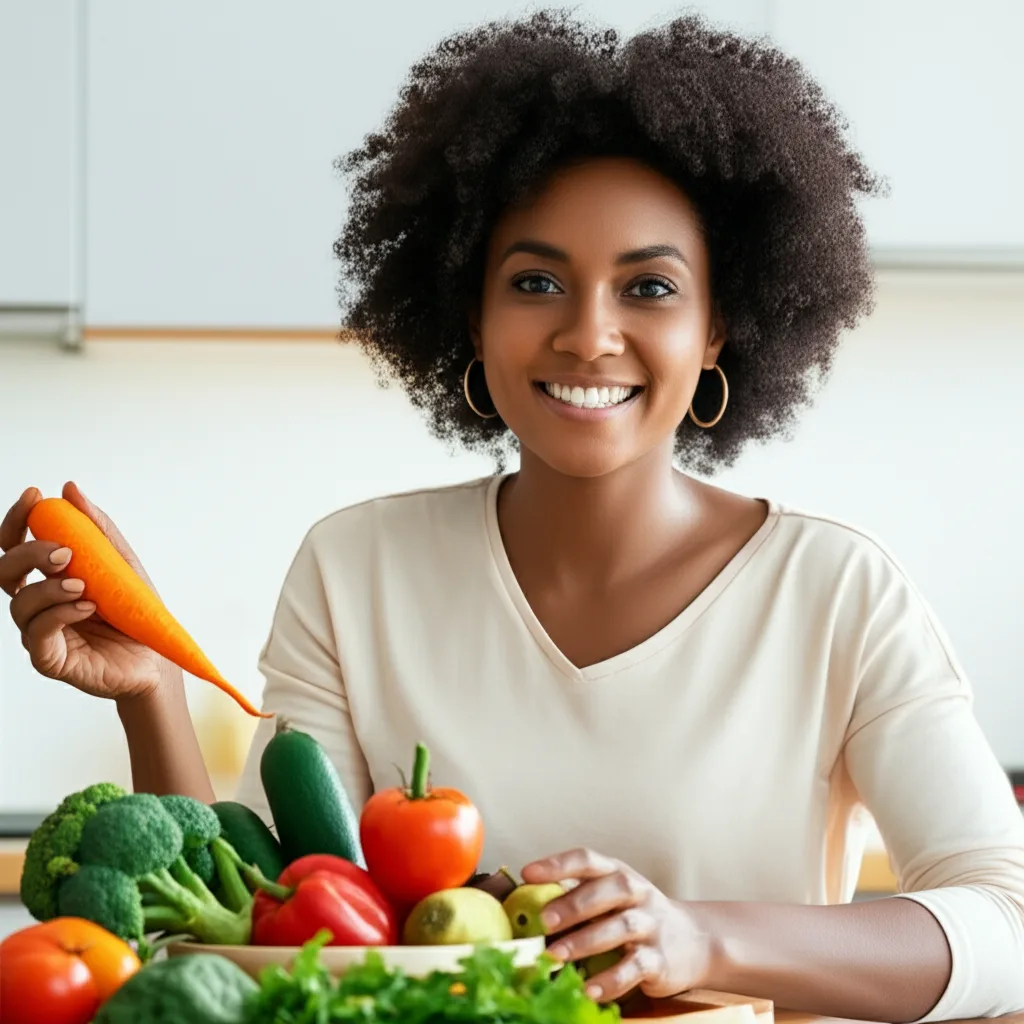
Embarking on a journey to incorporate fresh, wholesome ingredients into your daily routine doesn’t have to be complicated, and in this comprehensive guide, we’ll explore easy ways to practice fresh foods at home. Many of us aspire to eat healthier, feel more energetic, and enjoy the vibrant flavors that nature provides. Yet, the thought of overhauling our eating habits can feel daunting. The good news is that making fresh foods a regular part of your life at home is entirely achievable, even for the busiest schedules or those new to cooking. This article will provide you with practical, simple, and inspiring strategies to bring more freshness to your table, supporting your well-being in a delicious way.
The Wonderful World of Fresh Foods: Why It Matters
Before diving into the "how-to," let’s briefly touch upon the "why." What makes fresh foods so special? Simply put, they are foods that are minimally processed, often retaining more of their natural nutrients, flavors, and textures. Think crisp apples, vibrant spinach, juicy tomatoes, and lean proteins. Choosing fresh foods can be a fantastic way to nourish your body and delight your taste buds.
Incorporating more fresh ingredients into your meals is known to support overall health and vitality. It can help you feel more energized throughout the day and contributes to a sense of well-being. Fresh foods are often rich in vitamins, minerals, and fiber, all of which are essential for various bodily functions. The World Health Organization (WHO) emphasizes the importance of a diet rich in fruits, vegetables, and whole grains for a healthy lifestyle. Making a conscious effort to include more of these unprocessed items in your diet is a positive step towards a more wholesome way of eating.
This journey isn’t about perfection; it’s about progress. It’s about discovering simple habits that you can maintain and enjoy. So, let’s explore some brilliant and easy ways to practice fresh foods at home that will set you on a path to a more vibrant and flavorful life.
1. Smart Shopping: Making Fresh Choices at the Store and Market
The foundation of practicing fresh foods at home begins before you even step into your kitchen – it starts with how and where you shop.
- Embrace Seasonal Eating: One of the easiest and most flavorful ways to enjoy fresh foods is to buy what’s in season. Seasonal produce is often at its peak flavor, more abundant, and sometimes more affordable. A quick online search for "what’s in season " can provide a helpful guide. Think juicy berries in summer, crisp apples in fall, and hearty root vegetables in winter.
- Visit Farmers’ Markets: Farmers’ markets are a treasure trove of fresh, local produce. You often get to meet the farmers, learn about where your food comes from, and choose items picked just hours before. This connection to your food can be incredibly rewarding and inspiring.
- Read Labels (Even for Fresh Foods!): While buying whole fruits and vegetables is straightforward, when purchasing items like bread, yogurt, or sauces, take a moment to read the ingredients list. Look for items with minimal ingredients you recognize, avoiding excessive additives, artificial flavors, and high amounts of added sugars or unhealthy fats.
- Shop the Perimeter: Many grocery stores are designed with fresh produce, dairy, and lean meats/fish around the outer edges, while processed foods fill the inner aisles. Sticking to the perimeter can naturally guide you towards fresher options.
- Plan Your Purchases: A little planning goes a long way. Before heading to the store, make a list based on the meals you intend to cook. This helps prevent impulse buys of less fresh, pre-packaged items and ensures you buy only what you need, reducing waste.
2. Master Meal Prep: Simplifying Your Week with Fresh Ingredients
One of the biggest hurdles to eating fresh is often perceived lack of time. Meal prepping is an incredible tool to overcome this, making it one of the most effective easy ways to practice fresh foods at home.
- The "Cook Once, Eat Twice (or Thrice)" Philosophy: Dedicate a couple of hours one day a week (e.g., Sunday afternoon) to do some foundational cooking. This doesn’t mean cooking every single meal, but preparing components that can be mixed and matched throughout the week.
- Wash and Chop Produce: Wash and chop a large batch of vegetables like bell peppers, carrots, celery, and broccoli. Store them in airtight containers in the fridge. These are ready for quick stir-fries, salads, snacks, or additions to omelets.
- Roast or Steam Vegetables: Roast a big tray of mixed vegetables (sweet potatoes, zucchini, cauliflower) or steam some greens. These can be added to grain bowls, served as a side, or blended into soups.
- Cook Grains in Bulk: Prepare a large batch of quinoa, brown rice, or farro. These versatile grains are perfect bases for salads, bowls, or as sides for your main dishes.
- Prepare Proteins: Cook a batch of grilled chicken, baked salmon, or hard-boiled eggs. These are excellent additions to salads, wraps, or as quick snacks.
- Assemble "Grab & Go" Snacks: Portion out fresh fruits (berries, grapes), veggie sticks with hummus, or small containers of yogurt with fruit for quick, healthy snacks throughout the week.
- Basic Salad Jars: Layer dressing at the bottom, then hard vegetables, grains, protein, and finally leafy greens on top. When you’re ready to eat, just shake and enjoy a fresh salad.
By having these fresh components ready, assembling a healthy, delicious meal becomes a matter of minutes, not a stressful cooking session after a long day.
3. Grow Your Own (Even a Little!): Freshness at Your Fingertips
You don’t need a sprawling garden to enjoy the incredible freshness of homegrown produce. Even small-scale gardening is an incredibly rewarding and easy way to practice fresh foods at home.
- Start with Herbs: Herbs are probably the easiest and most impactful items to grow. A sunny windowsill is all you need for basil, mint, parsley, chives, or rosemary. Imagine snipping fresh herbs directly into your cooking! Not only do they elevate flavor, but they also bring a wonderful aroma to your home.
- Container Gardening: Many vegetables thrive in containers. Think cherry tomatoes, lettuce, spinach, bell peppers, and even small varieties of cucumbers or zucchini. A patio, balcony, or even a sunny spot near a window can become your mini-farm.
- Sprouting: Growing sprouts (like alfalfa, broccoli, or lentil sprouts) is incredibly simple and requires minimal space. All you need is a jar, some seeds, and water. Sprouts are packed with nutrients and add a delightful crunch to salads, sandwiches, and wraps.
- Regrowing Scraps: Don’t toss those veggie scraps! You can regrow many vegetables from their bases, like romaine lettuce, celery, green onions, and even ginger, just by placing them in a shallow dish of water. While it may not yield a full harvest, it’s a fun experiment and provides a continuous supply of fresh garnishes.
Connecting with your food source in this way can be incredibly satisfying and ensures you always have the freshest ingredients on hand.
4. Master Fresh Food Storage: Keep It Fresh, Reduce Waste
One of the keys to successfully practicing fresh foods at home is knowing how to store them properly. This helps them last longer, taste better, and reduces food waste – saving you money!
- Understand Your Fridge Zones: Different areas of your refrigerator have different temperatures. The crisper drawers are designed to maintain optimal humidity for fruits and vegetables.
- High-Humidity Drawer (often on the left): Best for leafy greens (spinach, lettuce, kale), carrots, broccoli, and other produce that wilts easily.
- Low-Humidity Drawer (often on the right): Ideal for fruits and vegetables that produce ethylene gas (like apples, pears, peaches) which can ripen other produce faster.
- Keep Fruits and Veggies Separate: Store ethylene-producing fruits (apples, bananas, avocados, tomatoes) away from ethylene-sensitive vegetables (broccoli, lettuce, carrots), as the gas can cause the latter to spoil more quickly.
- Proper Washing and Drying: Wash most produce just before you’re ready to use it. For leafy greens, wash, dry thoroughly (a salad spinner is a great tool!), and store with a paper towel in an airtight container to absorb excess moisture.
- Herbs Love Hydration: Treat fresh herbs like a bouquet of flowers. Trim the stems, place them in a jar with an inch of water, and cover loosely with a plastic bag. Store in the fridge. This can significantly extend their life.
- Freezing Fresh Produce: Don’t let excess fresh produce go to waste. Many fruits and vegetables can be blanched and frozen for later use in smoothies, soups, or stir-fries. Berries can be frozen whole on a baking sheet before transferring to a bag. Mayo Clinic offers excellent guidelines on safe food handling and storage practices, which can be very helpful for keeping your fresh foods in top condition.
5. Simple Swaps & Smart Substitutions: Elevate Your Everyday Meals
You don’t need to completely overhaul your favorite recipes to incorporate more fresh foods. Small, intentional swaps can make a big difference and are among the most easy ways to practice fresh foods at home.
- Replace Processed with Fresh: Instead of pre-packaged snacks, reach for an apple, a handful of berries, or carrot sticks with hummus. Swap sugary cereals for oatmeal topped with fresh fruit and nuts.
- Boost Veggie Content: Sneak extra vegetables into almost any dish. Add grated zucchini to pasta sauces, finely chopped mushrooms to ground meat, or extra spinach to smoothies and omelets.
- Fresh Herbs for Flavor: Ditch some of the salt or processed seasonings and instead rely on fresh herbs (like cilantro, parsley, basil, dill) and spices for vibrant flavor. This enhances taste without relying on artificial additives.
- Make Your Own Dressings: Store-bought dressings can be loaded with sugar and unhealthy oils. Whipping up a simple vinaigrette with olive oil, vinegar, fresh lemon juice, and herbs is incredibly easy and much fresher.
- Hydrate with Infused Water: Instead of sugary drinks, infuse your water with fresh fruit slices (lemon, lime, berries), cucumber, or mint for a refreshing and healthy beverage.
6. Get Creative in the Kitchen: Making Fresh Fun and Flavorful
Eating fresh should never feel like a chore. It should be an enjoyable experience! Embracing a playful attitude in the kitchen is one of the most fun and easy ways to practice fresh foods at home.
- Embrace One-Pan Wonders: Roasting vegetables and protein together on a single sheet pan is incredibly simple, requires minimal cleanup, and yields delicious results. Think chicken and colorful bell peppers, or salmon with asparagus and cherry tomatoes.
- Build Your Own Bowls: Create customizable "bowls" for lunch or dinner. Start with a base of fresh greens or whole grains, add a protein (grilled chicken, chickpeas, tofu), then pile on a variety of fresh chopped vegetables, a healthy dressing, and perhaps some avocado or nuts.
- Experiment with New Produce: Don’t be afraid to try a fruit or vegetable you’ve never cooked with before. Look up simple recipes online or ask for tips at the farmers’ market. You might discover a new favorite!
- Involve the Family: Get children involved in washing produce, stirring ingredients, or setting the table. When they participate in the preparation, they are often more excited to try new fresh foods.
- Make Smoothies and Juices: A blender can be your best friend for quickly incorporating a ton of fresh fruits and vegetables. Smoothies are a fantastic way to get a concentrated dose of nutrients and can be incredibly delicious.
7. Mindful Eating: Savoring Every Fresh Bite
Finally, truly practicing fresh foods at home extends beyond just preparation; it’s also about how you experience your meals. Mindful eating is a powerful and often overlooked aspect of incorporating fresh foods.
- Slow Down and Savor: When you eat, take the time to truly taste your food. Notice the colors, textures, and aromas of the fresh ingredients. This can enhance your enjoyment and help you feel more satisfied.
- Listen to Your Body: Pay attention to your hunger and fullness cues. Fresh, whole foods are often more satisfying and can help you develop a better relationship with eating.
- Eat Without Distraction: Try to eat meals away from screens (TV, phone, computer). This allows you to focus on your food and the experience of eating, which can make you more aware of the fresh flavors and how they make you feel.
- Appreciate the Source: Take a moment to appreciate where your food comes from – the farmers, the earth, the sun. This gratitude can deepen your connection to fresh, wholesome ingredients.
Your Fresh Food Journey Starts Now!
Incorporating easy ways to practice fresh foods at home doesn’t mean you have to become a gourmet chef overnight or spend all your spare time in the kitchen. It’s about making small, consistent choices that add up to a significant positive impact on your health and happiness. Start with one or two tips from this list that resonate with you and gradually build from there.
Remember, every fresh fruit, vegetable, or whole grain you choose is a step towards a more vibrant, energized you. Enjoy the process, experiment with flavors, and celebrate the incredible journey of nourishing your body with the best that nature has to offer. Your taste buds and your well-being will thank you! For more comprehensive guidance on healthy eating, WebMD provides a wealth of information to support your dietary choices and overall wellness.