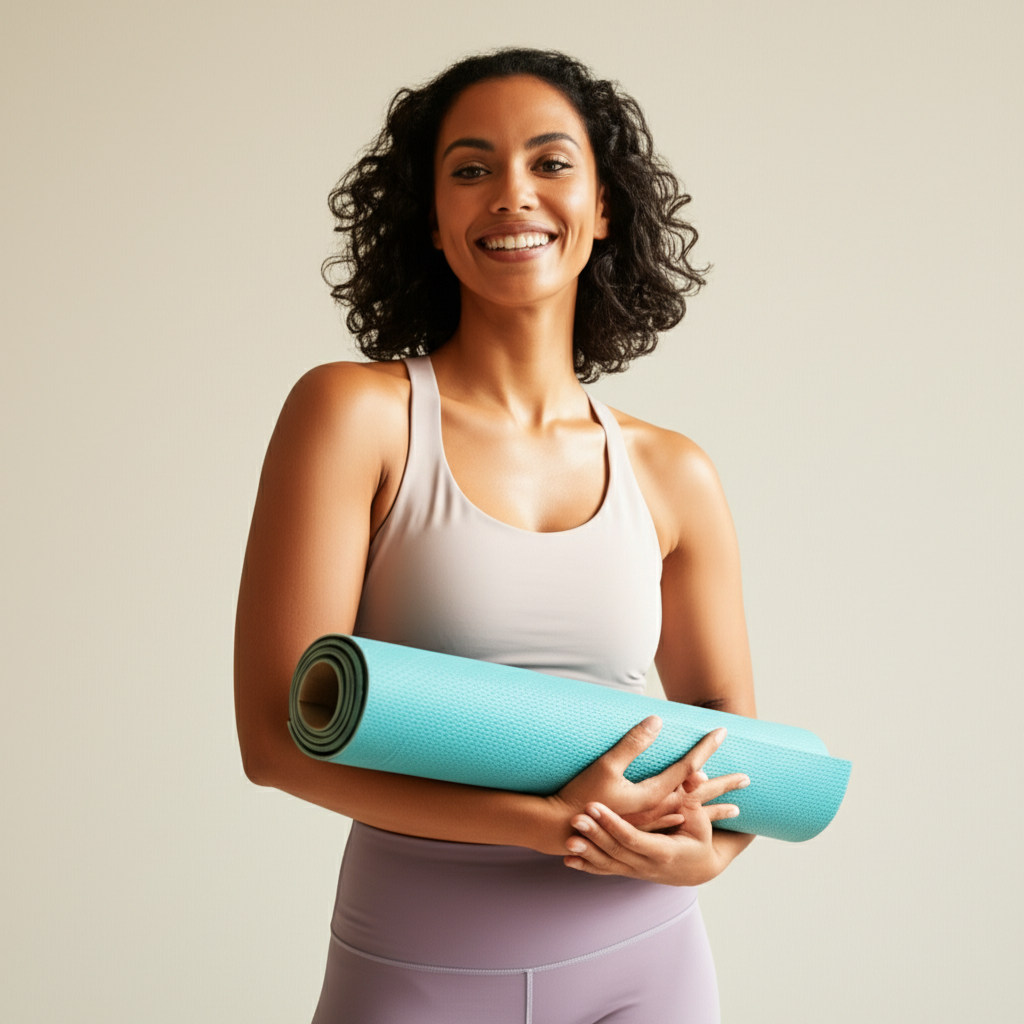
Welcome to the wonderful world of yoga! If you’re looking for a comprehensive beginner guide to yoga, you’ve come to the right place. This article is designed to be your warm, encouraging companion as you embark on a journey that can bring incredible benefits to your body, mind, and spirit. Yoga is a practice for everyone, regardless of age, fitness level, or flexibility, and getting started is much simpler than you might think. Forget any preconceived notions you might have; we’re here to demystify yoga and show you how accessible and rewarding it can be.
What is Yoga, Really? Dispelling Common Myths
When many people think of yoga, they often picture super flexible individuals contorting themselves into pretzels or meditating silently for hours. While advanced poses and deep meditation are certainly aspects of yoga, they are far from the whole picture, especially for beginners.
At its core, yoga is an ancient practice that connects the body, breath, and mind. Originating in India thousands of years ago, it’s a holistic system designed to promote overall well-being. It’s not a religion, though it often has spiritual elements for those who choose to explore them. For most modern practitioners, especially those just starting, yoga is a fantastic tool for physical fitness, stress reduction, and mental clarity.
Here’s what yoga usually involves:
- Physical Postures (Asanas): These are the movements and stretches you see, designed to build strength, flexibility, and balance.
- Breathing Techniques (Pranayama): Conscious control of your breath is central to yoga, helping to calm the nervous system and increase focus.
- Meditation and Relaxation: Techniques to quiet the mind, reduce stress, and promote inner peace.
The beauty of a beginner guide to yoga is that it focuses on these fundamental elements, making the practice approachable and enjoyable from day one. You don’t need to be flexible to start; yoga helps you become more flexible. You don’t need to be calm to start; yoga helps you find calm.
Why Start Yoga? Wonderful Benefits for Beginners
Embarking on a yoga journey, especially with a solid beginner guide to yoga, can open doors to a wealth of positive changes in your life. The benefits are numerous and often felt quite quickly, encouraging you to keep going.
Yoga is known to offer a beautiful blend of physical and mental advantages:
- Increased Flexibility: Perhaps the most commonly recognized benefit. Regular yoga practice can gently lengthen muscles and improve range of motion in your joints, making everyday movements feel easier.
- Enhanced Strength: Many yoga poses use your own body weight to build muscular strength, particularly in your core, arms, and legs. This can lead to improved posture and reduced risk of injury.
- Improved Balance: Standing poses, in particular, challenge and develop your sense of balance, which is crucial for stability as you age.
- Stress Reduction: The combination of physical movement, focused breathing, and mindfulness is incredibly effective at calming the nervous system. Yoga can help reduce levels of stress hormones and promote a sense of tranquility.
- Better Sleep Quality: By reducing stress and promoting relaxation, yoga can significantly improve your ability to fall asleep and stay asleep, leaving you feeling more refreshed.
- Boosted Mood: Regular practice is associated with improved mood and can help alleviate feelings of anxiety and sadness. The mindful movement and breath work are known to support mental well-being.
- Increased Body Awareness: Yoga encourages you to pay close attention to how your body feels, its limits, and its capabilities. This heightened awareness can help you make healthier choices in other areas of your life.
- Enhanced Focus and Concentration: By directing your attention to your breath and movement, yoga trains your mind to stay present, which can translate into better focus in daily tasks.
As with any physical activity, it’s always a good idea to ensure you’re practicing safely. For general information on the benefits of physical activity, you can consult reputable sources like the World Health Organization (WHO). Yoga is a gentle yet powerful way to incorporate more movement and mindfulness into your routine.
Getting Started: Your Essential Beginner Guide to Yoga Toolkit
You might be surprised at how little you need to begin your yoga practice. One of the beautiful things about yoga is its simplicity. This beginner guide to yoga aims to keep things straightforward.
1. Finding Your Space: Home vs. Studio
- Practicing at Home: This is a fantastic option for beginners! It offers privacy, comfort, and flexibility. You can follow online videos (there are countless free resources on YouTube and paid apps), practice whenever you like, and wear whatever makes you feel comfortable. All you need is a small, quiet space where you won’t be interrupted.
- Joining a Studio: A studio offers the benefit of in-person instruction, which can be invaluable for learning proper alignment and receiving personalized feedback. Look for "Beginner" or "Gentle Yoga" classes. The community aspect can also be very motivating. Don’t be intimidated; studios are usually very welcoming.
2. Essential Gear (Minimalist Approach)
You really don’t need much to get started, which is great for anyone following a beginner guide to yoga.
- Yoga Mat: This is probably your most important piece of equipment. A good mat provides cushioning, grip, and defines your personal practice space. For beginners, a standard thickness (around 4-6mm) is usually perfect. You can find affordable options online or at sporting goods stores.
- Comfortable Clothing: Wear anything that allows you to move freely without restriction. Think leggings, shorts, t-shirts, or tank tops. The key is comfort, not fashion!
- Props (Optional but Helpful): As a beginner, props like blocks and straps can be incredibly useful. They help you modify poses to suit your current flexibility, making them more accessible and safer. You can often rent or borrow these at a studio, or even improvise at home with sturdy books and a belt.
3. Setting Intentions
Before you even step on the mat, take a moment to consider why you’re starting yoga. Do you want to reduce stress? Improve flexibility? Find a moment of calm? Setting a simple intention can help you stay motivated and focused on your personal goals, making your beginner guide to yoga experience more meaningful.
Understanding Different Yoga Styles for Beginners
When you search for yoga classes or videos, you might encounter a bewildering array of styles. Don’t worry! For a beginner guide to yoga, we’ll focus on the most accessible options:
- Hatha Yoga: This is often considered the foundation of many Western yoga styles. Hatha classes typically involve holding poses for several breaths, focusing on alignment and conscious breathing. It’s generally slower-paced and excellent for learning the basics. If you see a "Beginner Yoga" class, it’s often a form of Hatha.
- Vinyasa Yoga: Often called "flow yoga," Vinyasa links movement with breath, creating a dynamic sequence of poses. While some Vinyasa classes can be fast-paced, many studios offer "Beginner Vinyasa" or "Slow Flow" classes that are very accessible and help you build stamina and grace.
- Restorative Yoga: As the name suggests, this style is all about relaxation and rejuvenation. You hold passive poses for extended periods, fully supported by props like bolsters, blankets, and blocks. It’s incredibly gentle and known to support deep relaxation and stress relief.
- Yin Yoga: This style involves holding passive stretches for longer durations (3-5 minutes or more) to target the connective tissues (ligaments, joints, fascia) rather than the muscles. It’s slow, meditative, and can be wonderfully complementary to more active styles, though it can also be intense in its stillness.
For your initial steps with this beginner guide to yoga, Hatha or a gentle Vinyasa class are excellent starting points. You might also find "Yoga for Beginners" or "Gentle Yoga" classes that incorporate elements from various styles, specifically tailored for newcomers.
Key Principles for a Safe and Enjoyable Practice
As you delve into this beginner guide to yoga, remember these crucial principles to ensure your practice is safe, effective, and joyful.
- Listen to Your Body (The Golden Rule): This is the most important advice for any yoga practitioner, especially beginners. Your body is your best teacher. Never push into pain. Discomfort is okay, but sharp pain is a signal to ease off or modify the pose. Every body is different, and what feels good for one person may not for another.
- Breath is Your Anchor: In yoga, your breath (prana) is considered your life force. Conscious breathing helps calm your nervous system, deepens stretches, and connects your mind to your body. Try to breathe slowly and deeply through your nose. If you find yourself holding your breath or struggling, it’s a sign you’re pushing too hard.
- No Competition: Yoga is a personal journey, not a competition. Don’t compare yourself to others in a class or to images you see online. Focus on your own progress and what feels good in your body today. There’s no such thing as being "good" or "bad" at yoga; there’s just doing yoga.
- Consistency Over Intensity: Short, regular practices are often more beneficial than infrequent, intense sessions. Even 10-15 minutes a few times a week can make a significant difference. Build your practice gradually.
- Modifications are Your Friends: Don’t hesitate to use props or adjust poses to make them more accessible. This is a sign of wisdom, not weakness. A qualified instructor or a good online beginner guide to yoga will always offer modifications.
- Embrace Stillness (Savasana): The final resting pose, Savasana (Corpse Pose), is just as important as any active pose. It allows your body to integrate the benefits of your practice and helps your mind relax. Don’t skip it!
For more guidance on safe physical activity and health, the Mayo Clinic offers a wealth of information. Remember, yoga is about nurturing yourself, not pushing limits that cause harm.
Basic Yoga Poses for Beginners (with Descriptions and Benefits)
Let’s explore some fundamental poses that are perfect for anyone following a beginner guide to yoga. Remember to move slowly and listen to your body.
-
Mountain Pose (Tadasana):
- How to: Stand tall with your feet together or hip-width apart. Ground down through all four corners of your feet. Engage your leg muscles, gently tuck your tailbone, lift through your chest, and let your arms hang by your sides with palms facing forward. Gaze straight ahead.
- Benefits: Establishes good posture, grounds and centers you, and is the starting point for many standing poses.
-
Child’s Pose (Balasana):
- How to: Kneel on your mat with your big toes touching and knees wide apart (or together if that’s more comfortable). Sit your hips back towards your heels and fold forward, resting your torso between or on your thighs. Extend your arms forward or rest them alongside your body.
- Benefits: A wonderful resting pose that gently stretches the hips, thighs, and ankles. It’s known to support calming the brain and relieving stress and fatigue.
-
Cat-Cow (Marjaryasana-Bitilasana):
- How to: Start on your hands and knees, wrists under shoulders, knees under hips.
- Cow: Inhale, drop your belly, lift your chest and tailbone, and look up.
- Cat: Exhale, round your spine towards the ceiling, tuck your chin to your chest, and draw your navel towards your spine.
- Benefits: Warms up the spine, increases flexibility in the back, and coordinates breath with movement.
- How to: Start on your hands and knees, wrists under shoulders, knees under hips.
-
Downward-Facing Dog (Adho Mukha Svanasana):
- How to: From hands and knees, tuck your toes, lift your hips high, and press back through your hands. Your body should form an inverted "V." Keep a slight bend in your knees, especially if your hamstrings are tight, and lengthen your spine.
- Benefits: Stretches the hamstrings, calves, and shoulders, strengthens the arms and legs, and can help to calm the brain and relieve stress.
-
Tree Pose (Vrksasana):
- How to: Stand in Mountain Pose. Shift your weight to your left foot. Bring the sole of your right foot to your inner left ankle (kickstand), calf, or inner thigh (avoiding the knee joint). Bring your hands to prayer at your chest or extend them overhead.
- Benefits: Improves balance, strengthens ankles and thighs, and can help improve concentration.
-
Corpse Pose (Savasana):
- How to: Lie on your back with your legs extended, feet falling open. Let your arms rest by your sides, palms facing up, slightly away from your body. Close your eyes and allow your body to completely relax, observing your breath without trying to change it.
- Benefits: Essential for integrating the practice, promotes deep relaxation, known to support calming the nervous system, and can help reduce stress and mild depression.
For more information on the health aspects of yoga, including potential benefits and considerations, WebMD provides accessible articles.
Building Your Practice: A Sample Beginner Yoga Sequence
Here’s a simple sequence you can try at home, combining some of the poses from this beginner guide to yoga. Aim for 10-15 minutes to start.
- Start with Centering (2 minutes): Sit comfortably, cross-legged or on your heels. Close your eyes, place hands on knees, and simply observe your breath.
- Cat-Cow (5-10 rounds): Warm up your spine, coordinating with your breath.
- Child’s Pose (1 minute): Rest and release your back.
- Downward-Facing Dog (3-5 breaths): Gently stretch the back of your body. Bend your knees generously if needed.
- Mountain Pose (1 minute): Come to standing, feel grounded.
- Tree Pose (30 seconds each side): Challenge your balance.
- Savasana (5 minutes): Lie down, completely relax, and integrate your practice.
Remember, this is just a suggestion. The most important thing is to move with awareness and kindness towards your body.
Common Questions & Encouragement for Your Yoga Journey
It’s natural to have questions when starting something new. Here are a few common ones for anyone following a beginner guide to yoga:
- "Am I too old/inflexible/unfit to start yoga?" Absolutely not! Yoga is for every body. There are always modifications and styles to suit your current capabilities. Many people start yoga later in life and experience incredible benefits.
- "How often should I practice?" To begin, aim for 1-3 times a week, even if it’s just 10-15 minutes. Consistency is more important than duration. As you feel more comfortable, you can gradually increase.
- "What if I can’t do a pose?" That’s perfectly normal! Yoga is a practice, not a performance. Focus on the effort and the sensation, not the "perfect" shape. Use props, modify, or simply rest in Child’s Pose. The journey is the reward.
- "Do I need to be spiritual?" No. While yoga has spiritual roots, you can approach it purely as a physical and mental wellness practice. Focus on what resonates with you.
Your Journey Begins Now!
Congratulations on taking the first step with this beginner guide to yoga! You now have a solid foundation to confidently begin your yoga practice. Remember to approach it with curiosity, patience, and self-compassion. The mat is a place to explore, grow, and connect with yourself.
Whether you choose to practice at home with online resources or step into a local studio, the benefits of yoga are waiting for you. From increased flexibility and strength to a calmer mind and a more joyful spirit, yoga offers a holistic path to well-being. So unroll your mat, take a deep breath, and start your incredible yoga journey today. You’ve got this!