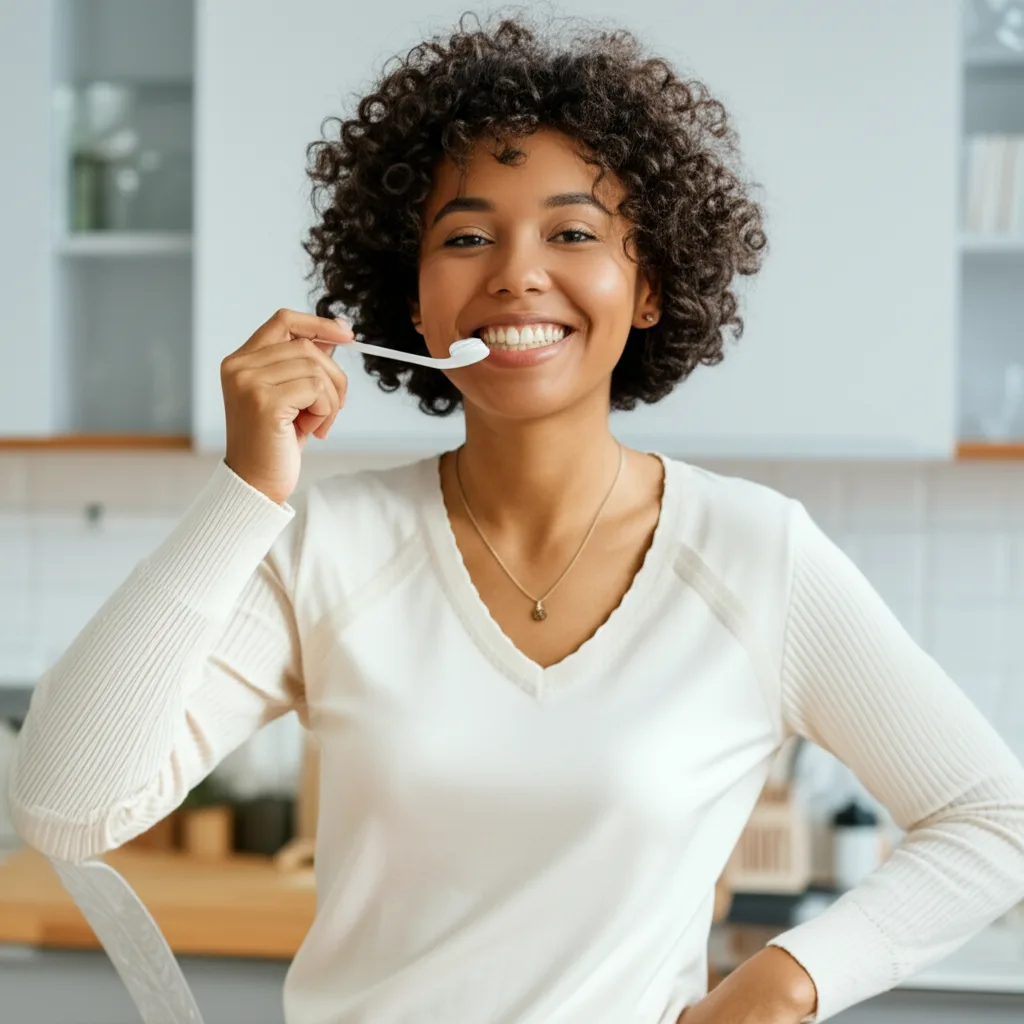
Maintaining a sparkling, healthy smile is a journey, not a destination, and sometimes that journey requires a little adaptability. This article is all about offering simple tips for flexibility in dental hygiene, helping you discover how to make your oral care routine truly work for you, no matter what life throws your way. You might think "flexibility" in dental hygiene sounds a bit unusual, but it’s not about contorting your body! Instead, it’s about being adaptable with your tools and techniques to ensure every nook and cranny of your mouth receives the attention it deserves.
We all want to feel confident about our oral health, and a rigid, one-size-fits-all approach doesn’t always cut it. Our mouths change over time, our lifestyles evolve, and sometimes we encounter situations that make traditional brushing and flossing a bit challenging. That’s where embracing flexibility comes in – it’s about finding creative, effective ways to keep your mouth clean and feeling fresh. Let’s explore how a little adaptability can go a long way in supporting your journey to optimal oral wellness.
Understanding "Flexibility" in Your Dental Hygiene Routine
Before we dive into the tips, let’s clarify what we mean by "flexibility" in this context. It’s not about being physically flexible (though that might help reach those back molars!). Instead, it refers to your ability to adjust your oral care tools, techniques, and timing to best suit your unique needs and circumstances. Think of it as tailoring your dental hygiene strategy to ensure comprehensive cleaning, even in tricky spots or during busy times.
- Adapting Tools: Using different types of toothbrushes, interdental cleaners, or even water flossers based on your oral anatomy or current needs.
- Varying Techniques: Learning different brushing or flossing methods to target specific areas effectively.
- Adjusting Routines: Finding ways to maintain your oral hygiene even when traveling, feeling unwell, or facing physical limitations.
Embracing this kind of flexibility in your dental hygiene is crucial because every mouth is unique. What works perfectly for one person might not be ideal for another. Your dental health needs can also change throughout your life, making adaptability a superpower for sustained oral wellness.
Why Embracing Flexibility is Crucial for Your Smile
You might wonder, why bother with flexibility? Isn’t a standard brush and floss routine enough? While consistency with basic care is fundamental, incorporating flexibility can significantly enhance your oral health outcomes.
- Reaching Every Surface: Our mouths have many contours, curves, and tight spaces. Standard methods sometimes miss these spots, leading to plaque buildup. Flexible approaches help you target these often-neglected areas.
- Preventing Plaque Buildup: Plaque is a sticky film of bacteria that constantly forms on your teeth. If not removed, it can harden into tartar, which only a dental professional can remove. Adapting your cleaning methods helps disrupt plaque formation more effectively, supporting healthier gums and teeth.
- Addressing Unique Needs: Whether you have braces, dental implants, crowded teeth, gum sensitivity, or even dexterity challenges, a flexible approach allows you to customize your routine to address these specific situations without compromising cleanliness.
- Long-Term Oral Health: By adapting and ensuring thorough cleaning, you’re investing in the longevity of your oral health. This proactive approach can help you maintain a healthier smile for years to come.
- Confidence and Comfort: Knowing you’re taking the best possible care of your mouth, even with its unique challenges, can boost your confidence and contribute to overall comfort.
Now, let’s dive into some practical simple tips for flexibility in dental hygiene that you can start incorporating today!
Tip 1: Diversify Your Brushing Tools for Maximum Reach
The cornerstone of dental hygiene is brushing, but not all toothbrushes are created equal, nor are they equally effective for all situations. Embracing flexibility here means considering a range of brushing tools.
- Manual Toothbrushes with Different Head Sizes: Sometimes a smaller brush head can be a game-changer for reaching those tight spots behind your molars or navigating around individual teeth. Keep a standard size and a compact head on hand. Look for soft bristles, as these are known to clean effectively without being harsh on your gums.
- Electric Toothbrushes: Many people find electric toothbrushes, especially those with oscillating-rotating or sonic technology, to be incredibly effective. They do much of the work for you, making it easier to achieve a thorough clean, especially if you have dexterity issues. Some even come with pressure sensors to prevent over-brushing. The vibrations or rotations can help dislodge plaque more efficiently. You can find more information on electric toothbrushes and their benefits on sites like WebMD.
- Interdental Brushes: These tiny brushes, often shaped like small pipe cleaners, are designed to clean between your teeth and around braces or bridges where a regular toothbrush can’t reach. They come in various sizes, so you can choose the one that fits snugly but comfortably between your teeth. This is a fantastic way to add flexibility and target those hard-to-reach interdental spaces.
Having a selection of these tools allows you to adapt your brushing based on your current needs or specific areas that require extra attention.
Tip 2: Master Flexible Flossing and Interdental Cleaning Techniques
Brushing only cleans about 60% of your tooth surfaces. The remaining 40% are between your teeth, and that’s where interdental cleaning comes in. This is an area where flexibility truly shines!
- Traditional Dental Floss: The classic choice, dental floss is excellent for cleaning between teeth and just under the gumline. The key is technique: use about 18 inches, wrap it around your middle fingers, and gently glide it between teeth using a "C" shape against each tooth surface. Don’t snap it! This method offers great flexibility as you can maneuver the floss to clean individual tooth surfaces. You can learn more about proper flossing technique from resources like Mayo Clinic.
- Floss Picks: For those with limited dexterity or who find traditional flossing cumbersome, floss picks offer a convenient alternative. While they might not provide the same "C" shape clean as string floss, they are far better than not flossing at all and are incredibly portable and easy to use, making them a flexible option for on-the-go cleaning.
- Water Flossers (Oral Irrigators): These devices use a stream of pulsating water to remove food particles and plaque from between teeth and below the gumline. They are particularly beneficial for individuals with braces, implants, bridges, or those who find string flossing difficult. Water flossers offer a different kind of flexibility, providing a powerful yet gentle clean that can reach areas other tools might miss. They may support gum health and help reduce inflammation.
By incorporating different interdental cleaning methods, you ensure that you’re tackling plaque in all the tight spaces, adapting to what works best for your mouth and lifestyle.
Tip 3: Adapt Your Brushing Angles and Pressure for a Deeper Clean
It’s not just about what you use, but how you use it. Flexible brushing techniques can make a significant difference.
- The 45-Degree Angle: Position your toothbrush bristles at a 45-degree angle to your gumline. This angle allows the bristles to clean both the tooth surface and gently reach just under the gumline, where plaque often accumulates.
- Gentle Pressure, Small Circles: Instead of scrubbing aggressively, use gentle, short, circular motions. Brushing too hard can damage your gums and tooth enamel. Think of it as a gentle massage for your teeth and gums.
- Divide and Conquer: Mentally divide your mouth into four quadrants (upper right, upper left, lower right, lower left). Spend at least 30 seconds brushing each quadrant, ensuring you cover all surfaces: outer, inner, and chewing surfaces. This structured approach helps ensure no area is overlooked, adding a flexible strategy to your routine.
- Focus on the Back: The back molars are often neglected simply because they’re harder to reach. Make a conscious effort to angle your brush to clean these teeth thoroughly, including their often-rough chewing surfaces.
- Tongue Cleaning: Don’t forget your tongue! It can harbor bacteria that contribute to bad breath. Use a tongue scraper or the back of your toothbrush to gently clean your tongue from back to front. This simple addition can significantly improve your oral freshness.
These adjustments in technique offer simple tips for flexibility in dental hygiene that can profoundly impact your cleaning effectiveness without requiring new tools.
Tip 4: Tailor Your Routine for Different Life Stages and Situations
Your oral hygiene needs aren’t static; they change over time. Being flexible means adapting your routine to meet these evolving demands.
- For Kids: Making dental hygiene fun and accessible is key. Use toothbrushes with cartoon characters, flavored toothpaste, and make brushing a family activity. Supervise their brushing until they are around 7 or 8 years old to ensure they develop proper techniques. For very young children, parents may need to brush for them.
- For Seniors: As we age, challenges like arthritis, dry mouth (xerostomia), or receding gums can make traditional oral care difficult. Electric toothbrushes can be a blessing for dexterity issues. Discussing dry mouth with a healthcare provider can lead to solutions like specialized rinses or saliva substitutes. Using softer brushes and being extra gentle is important for receding gums.
- With Braces or Implants: These dental appliances require specialized care. Interdental brushes, water flossers, and orthodontic toothbrushes are invaluable for cleaning around brackets and wires. Dental implants also require meticulous cleaning to maintain their health and longevity. Your dental professional can offer personalized simple tips for flexibility in dental hygiene for these situations.
- While Traveling: Maintaining your routine on the road can be tough. Pack a travel-sized toothbrush, toothpaste, and floss picks. Consider a portable electric toothbrush. Even if you can’t manage a full routine, a quick brush and rinse are better than nothing.
- During Illness: When you’re sick, oral hygiene might be the last thing on your mind. However, it’s especially important to keep your mouth clean. If you’ve been vomiting, rinse your mouth with water or a non-acidic mouthwash before brushing to protect your enamel. Replace your toothbrush after recovering from an illness to prevent re-infection.
Adapting your routine to these varied circumstances is a perfect example of embracing flexibility in your dental hygiene.
Tip 5: Integrate Supportive Oral Care Products
Beyond brushes and floss, certain products can offer additional flexibility and support to your oral hygiene routine.
- Therapeutic Mouthwashes: While not a substitute for brushing and flossing, some mouthwashes can offer benefits. Antimicrobial mouthwashes may help reduce bacteria, and fluoride rinses can provide extra cavity protection, especially if you have a high risk of cavities or experience dry mouth. Always choose an alcohol-free option to avoid drying out your mouth.
- Fluoride Toothpaste: This is a non-negotiable. Fluoride is known to strengthen tooth enamel and make it more resistant to decay. Ensure your toothpaste contains fluoride for optimal protection.
- Xylitol Products: Xylitol is a natural sweetener that can be found in some chewing gums, mints, and toothpastes. It is known to help reduce the growth of bacteria that cause cavities. Chewing xylitol gum after meals can be a flexible way to stimulate saliva flow and clean your teeth when brushing isn’t immediately possible.
These supportive products can fill gaps and offer extra layers of protection, enhancing the overall flexibility of your dental hygiene strategy.
Tip 6: Prioritize Consistency Over Perfection (and Forgive Yourself!)
One of the most valuable simple tips for flexibility in dental hygiene is to understand that consistency trumps perfection. Life happens. There will be days when you’re exhausted, sick, or simply forgetful.
- Don’t Let the Perfect Be the Enemy of the Good: If you can’t manage your full 2-minute brush, 30-second floss routine, do what you can. A 1-minute brush is better than no brush. Flossing just once a day is better than not at all.
- Get Back on Track: If you miss a routine, don’t dwell on it. Just pick up where you left off at your next opportunity. The goal is a consistent pattern of good habits, not flawless execution every single time.
- Listen to Your Body: If your gums are sensitive one day, be extra gentle. If a certain tool causes discomfort, try another. Flexibility means being attuned to your mouth’s needs.
- Embrace Small Changes: You don’t have to overhaul your entire routine at once. Introduce one new flexible tip at a time and see how it fits into your life. Small, consistent changes are often the most sustainable.
This mindset supports a positive relationship with your oral health, making your routine feel less like a chore and more like an act of self-care. The World Health Organization (WHO) emphasizes the importance of consistent oral hygiene practices for overall health, highlighting that even small, regular efforts contribute significantly. You can explore their oral health guidelines for more insights.
Tip 7: Partner with Your Dental Professional
While many of these tips are for self-care, the most fundamental aspect of flexible dental hygiene is maintaining a strong partnership with your dental professional.
- Regular Check-ups and Cleanings: These are paramount. Your dentist and hygienist can spot issues early, remove hardened plaque (tartar), and provide personalized advice.
- Ask for Guidance: Don’t hesitate to ask your dental professional for advice on the best tools and techniques for your specific mouth. They can demonstrate proper flossing, recommend specific interdental brushes, or suggest solutions for challenges like sensitivity or dry mouth. They are your best resource for understanding your unique oral health needs and how to best adapt your routine.
- Discuss Concerns: If you’re struggling with a particular aspect of your dental hygiene, or if you have new dental concerns (like gum tenderness, persistent bad breath, or difficulty cleaning certain areas), bring them up. They can offer tailored simple tips for flexibility in dental hygiene that are specific to you.
Your dental team is there to support you in achieving and maintaining optimal oral health. They can provide professional insights and help you navigate the best flexible approaches for your individual situation.
Bringing It All Together for a Healthier, Happier Smile
Adopting simple tips for flexibility in dental hygiene isn’t about complicating your routine; it’s about making it more effective and sustainable. By diversifying your tools, refining your techniques, adapting to life’s changes, and partnering with your dental professional, you empower yourself to achieve a higher level of oral care.
Remember, a healthy mouth is an integral part of your overall well-being. By embracing flexibility, you’re not just cleaning your teeth; you’re investing in a future of confidence, comfort, and a genuinely radiant smile. Start incorporating these simple tips today, and you’ll soon discover the transformative power of a truly flexible dental hygiene routine. Your smile will thank you for it!