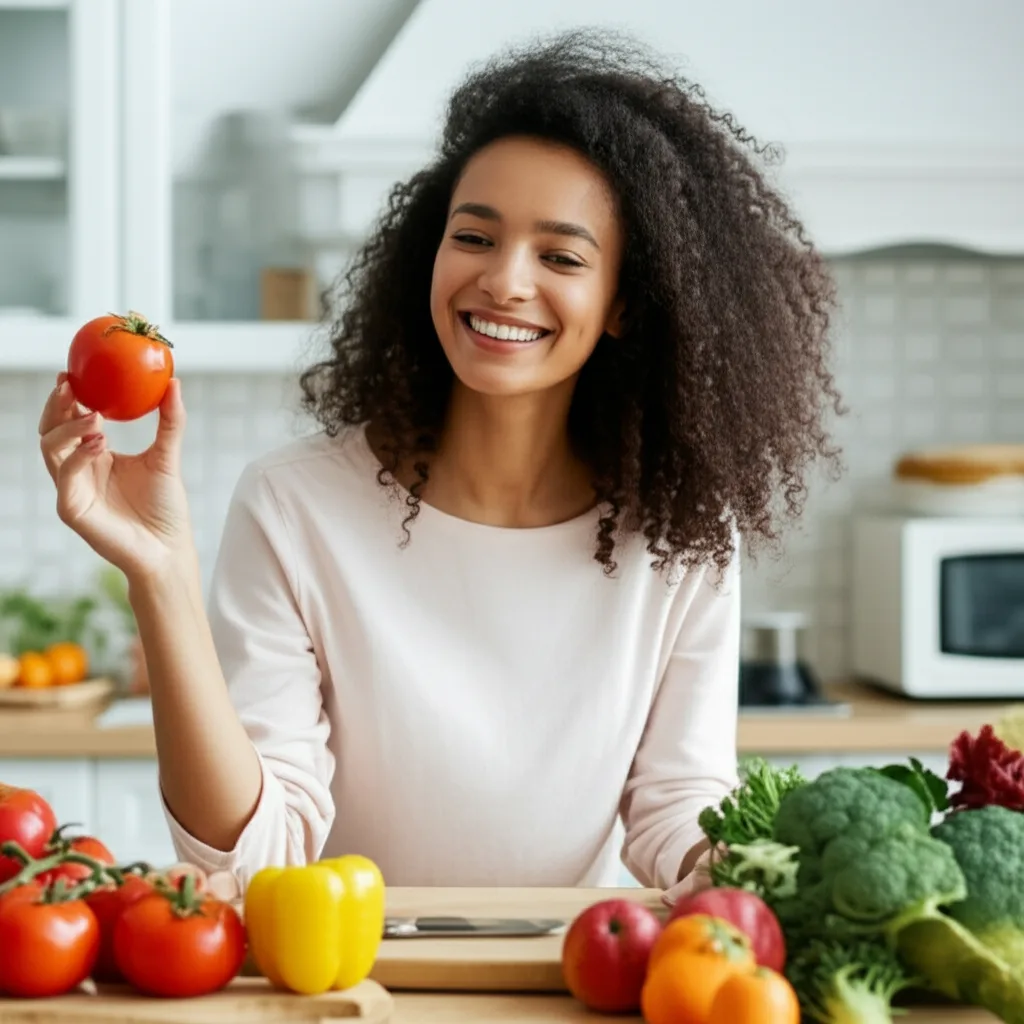
Embarking on a journey to incorporate more fresh, wholesome ingredients into your daily meals is one of the most rewarding steps you can take for your well-being. Adopting simple daily habits to support fresh foods can truly transform your relationship with cooking and eating, making it not just a necessity, but a joyful and energizing experience. In a world brimming with processed options, making a conscious effort to prioritize fresh produce, lean proteins, and whole grains is a powerful act of self-care. It’s about nurturing your body with vibrant nutrients, supporting local economies, and enjoying the incredible flavors nature provides.
This comprehensive guide will walk you through seven essential, beginner-friendly strategies designed to seamlessly integrate fresh foods into your everyday life. We’ll explore everything from smart planning and shopping to clever storage and creative cooking, all aimed at helping you make fresh foods a cornerstone of your diet. By cultivating these positive habits, you can reduce food waste, save money, and consistently enjoy delicious, nourishing meals.
The Irresistible Appeal of Fresh Foods: Why They Matter
Before diving into the "how," let’s briefly touch upon the "why." Fresh foods – fruits, vegetables, whole grains, and unprocessed proteins – are packed with essential vitamins, minerals, fiber, and antioxidants that are crucial for maintaining optimal health. They are known to support various bodily functions, from energy production to immune system health. Regular consumption of a varied diet rich in fresh produce can help you feel more energetic, think more clearly, and potentially reduce the risk of certain health issues.
However, despite these undeniable benefits, many people find it challenging to consistently incorporate fresh foods into their busy schedules. The good news is that it doesn’t have to be complicated or time-consuming. By adopting a few key daily habits to support fresh foods, you can make healthy eating an effortless and enjoyable part of your routine. Let’s explore these transformative habits.
1. The Power of Proactive Planning: Your Fresh Food Roadmap
One of the most effective daily habits to support fresh foods is proactive meal planning. It might sound daunting, but it’s essentially creating a simple roadmap for your week’s meals. This habit is a game-changer because it helps you visualize what you’ll eat, what ingredients you’ll need, and how you’ll use up your fresh produce before it spoils.
How to make it a habit:
- Designate a "planning time": Set aside 15-30 minutes once a week (e.g., Sunday morning) to plan your meals.
- Start small: Don’t try to plan every single meal for the entire week immediately. Begin by planning dinners, then add lunches, and finally breakfasts.
- Check your pantry first: Before making a grocery list, see what fresh ingredients you already have on hand. This helps reduce waste and inspires new recipe ideas.
- Focus on seasonal produce: Seasonal fruits and vegetables are often fresher, more flavorful, and more affordable. Planning meals around what’s in season can significantly enhance your fresh food experience.
- Build a flexible menu: Life happens! Have a few "flex" meals or quick fresh food ideas ready for days when your original plan goes awry.
- Write it down: Whether it’s on a whiteboard, a notebook, or a digital app, having a visual plan makes it easier to stick to.
By planning your meals, you’re not just deciding what to eat; you’re actively setting yourself up for success, ensuring your fridge is stocked with the right fresh ingredients, and minimizing impulse purchases of less healthy options. This crucial step lays the groundwork for all other daily habits to support fresh foods.
2. Shop Smart, Store Smarter: Navigating the Produce Aisle and Beyond
Once you have your meal plan, the next vital step is smart grocery shopping and initial storage. This habit is about making informed choices at the store and giving your fresh foods the best start at home.
How to make it a habit:
- Stick to your list: Your meal plan translates directly into your shopping list. This prevents overbuying perishable items and ensures you have everything needed for your planned fresh meals.
- Prioritize the perimeter: Most grocery stores place fresh produce, dairy, and lean meats around the perimeter, while processed foods fill the inner aisles. Start your shopping trip there!
- Inspect produce carefully: Look for vibrant colors, firm textures, and a fresh aroma. Avoid items with significant bruising, mold, or wilting. This WebMD guide on healthy eating provides excellent insights into choosing fresh produce.
- Buy in appropriate quantities: While buying in bulk can be economical, it’s only beneficial if you’ll actually use the fresh food before it spoils. For highly perishable items, consider buying smaller amounts more frequently.
- Shop with a purpose: Knowing what you want to cook with your fresh produce can help you make better selections. For example, if you’re making a stir-fry, you might pick crisp bell peppers and broccoli.
- Immediate storage upon arrival: As soon as you get home, properly store your fresh foods. Some items, like berries, benefit from immediate washing and drying (see point 3), while others, like leafy greens, need proper refrigeration. Knowing how to store different types of produce can significantly extend their shelf life.
This habit ensures that the fresh foods you bring home are of the best quality and are handled correctly from the moment they enter your kitchen, setting the stage for their optimal use.
3. Mastering the Art of Fresh Food Storage: Extend Shelf Life, Reduce Waste
Proper storage is perhaps one of the most overlooked yet impactful daily habits to support fresh foods. It’s disheartening to watch fresh produce wilt or spoil before you get a chance to use it. Learning the nuances of storing different types of fruits and vegetables can drastically reduce food waste and keep your ingredients at their peak freshness longer.
How to make it a habit:
- Understand different needs: Not all produce likes the fridge! Tomatoes, potatoes, onions, and garlic often prefer cool, dark pantry spots. Bananas ripen faster in the fridge. Apples can release ethylene gas, which ripens other produce, so store them separately or use them strategically.
- Wash and dry delicate greens: For leafy greens like lettuce or spinach, wash them, thoroughly dry them (a salad spinner is great for this), and then store them in an airtight container lined with a paper towel. This can keep them crisp for days.
- Herbs in water: Treat fresh herbs like flowers. Trim the stems, place them in a glass of water, and cover loosely with a plastic bag before refrigerating.
- Airtight containers are your friend: For cut vegetables or fruits, airtight containers prevent them from drying out or absorbing odors.
- Use your freezer: Many fresh foods, like berries, chopped vegetables, and even herbs, can be frozen for later use. This is a fantastic way to preserve excess produce.
- Rotate your stock: Practice "first in, first out." Place newer groceries behind older ones so you’re always reaching for items that need to be used sooner. The Mayo Clinic offers excellent resources on food safety and storage that can help you master this habit.
By diligently practicing smart storage techniques, you maximize the lifespan of your fresh ingredients, ensuring they’re ready and appealing when you’re ready to cook. This is a powerful way to reduce food waste and make sure your investment in fresh foods pays off.
4. Prep Ahead for Success: Your Future Self Will Thank You
Batch preparation is a cornerstone of efficient fresh food integration. This habit involves dedicating a short amount of time to pre-wash, chop, and portion your fresh ingredients, making them readily available for quick meals throughout the week. When you’re tired after a long day, the last thing you want to do is spend 20 minutes chopping vegetables.
How to make it a habit:
- Designate a "prep time": Just like meal planning, choose a time (e.g., after grocery shopping) to tackle your prep. Even 30-60 minutes can make a huge difference.
- Wash and chop vegetables: Wash and chop common vegetables like carrots, celery, bell peppers, broccoli florets, and onions. Store them in airtight containers in the fridge. They’ll be ready for stir-fries, salads, snacks, or side dishes.
- Pre-cook grains: Cook a batch of quinoa, brown rice, or farro to use in salads, bowls, or as a quick side throughout the week.
- Prepare lean proteins: Cook a batch of grilled chicken, hard-boiled eggs, or roasted chickpeas. These can be easily added to salads, sandwiches, or as quick snacks.
- Assemble snack packs: Portion out fresh fruit, vegetable sticks, and a small serving of nuts or hummus into grab-and-go containers.
- Make dressings or sauces: Prepare your own fresh salad dressings or healthy sauces that can elevate simple fresh ingredients.
When your fresh ingredients are prepped and ready, assembling a healthy meal becomes almost as easy as reaching for a pre-packaged option. This habit removes a significant barrier to healthy eating and directly supports your goal of incorporating more daily habits to support fresh foods.
5. Make it Visible, Make it Easy: The "Grab-and-Go" Freshness Strategy
Accessibility plays a huge role in what we choose to eat. If fresh foods are hidden away in a drawer or require significant effort to prepare, we’re less likely to reach for them. This habit focuses on making fresh foods the most convenient and appealing option in your home.
How to make it a habit:
- Front and center in the fridge: Arrange your fridge so that pre-washed, pre-cut fresh fruits and vegetables are at eye level and easily accessible.
- Fruit bowl on the counter: Keep a vibrant bowl of fresh fruit (apples, bananas, oranges, pears) on your kitchen counter or dining table. It’s a constant visual reminder and an easy snack.
- Ready-to-eat veggie sticks: Have containers of carrot sticks, cucumber slices, bell pepper strips, and cherry tomatoes ready to dip in hummus or enjoy plain.
- Healthy snack station: Create a designated "fresh snack" area in your fridge with yogurt, pre-portioned fruit, and vegetable containers.
- Hydration with a fresh twist: Keep a pitcher of water infused with fresh fruits (lemon, cucumber, berries) in the fridge. This encourages healthy hydration and utilizes fresh produce.
By making fresh foods the path of least resistance, you naturally increase your chances of choosing them over less nutritious alternatives. This simple yet effective strategy is a cornerstone of successful daily habits to support fresh foods.
6. Embrace Culinary Creativity: Fresh Foods as Your Canvas
Cooking with fresh foods should be an adventure, not a chore! This habit encourages you to explore new recipes, experiment with flavors, and see fresh ingredients as a canvas for delicious creations. It’s about finding joy in the process and making fresh meals exciting.
How to make it a habit:
- Start with simple recipes: Don’t feel pressured to be a gourmet chef. Begin with easy recipes that highlight the natural flavors of fresh ingredients, like simple roasted vegetables, fresh salads, or fruit smoothies.
- Explore new ingredients: Pick one new fruit or vegetable each week to try. Look up quick recipes online. You might discover a new favorite!
- Theme nights: Designate a "Meatless Monday" or "Fresh Fish Friday" to inspire new meal ideas centered around fresh produce and lean proteins.
- Utilize fresh herbs and spices: These can elevate the flavor of any dish made with fresh ingredients without adding excess salt or unhealthy fats.
- Cook at home more often: The more you cook, the more confident and creative you’ll become with fresh ingredients. This is a fundamental way to integrate daily habits to support fresh foods into your lifestyle.
- Get the family involved: Children are often more willing to try fresh foods if they’ve helped prepare them. Let them wash vegetables, stir, or set the table.
Cooking with fresh foods offers endless possibilities. By embracing creativity, you transform mealtime into an enjoyable experience, making it easier to maintain these healthy habits long-term.
7. Hydration with a Fresh Twist: Infused Water and Smoothies
Hydration is essential for overall health, and fresh foods can play a delightful role in making water more appealing and incorporating extra nutrients. This habit focuses on leveraging fresh fruits and vegetables to create refreshing and nourishing beverages. The World Health Organization (WHO) emphasizes the importance of adequate hydration as part of a healthy diet.
How to make it a habit:
- Fruit-infused water: Add slices of cucumber, lemon, lime, berries, mint leaves, or ginger to your water pitcher. Let it sit for a few hours in the fridge for a subtly flavored, refreshing drink. This is a great way to use up small amounts of leftover fresh fruit.
- Smoothie power: Smoothies are an excellent vehicle for packing in a variety of fresh fruits and vegetables. Blend spinach or kale (you won’t even taste it!), berries, bananas, and a liquid base like water or unsweetened almond milk.
- Pre-portioned smoothie packs: In individual freezer bags, combine chopped fresh fruits and vegetables for a single smoothie. When you’re ready, just dump the contents into a blender with your liquid.
- Homemade fresh juices (in moderation): If you have a juicer, making fresh vegetable or fruit juices can be a way to consume a concentrated dose of nutrients. Remember that juicing removes fiber, so consuming whole fruits and vegetables is still crucial.
By making fresh, flavorful drinks a part of your routine, you not only stay well-hydrated but also increase your daily intake of vitamins and minerals in an enjoyable way. This is a simple, delicious daily habit to support fresh foods that can have a big impact.
Cultivating Your Fresh Food Journey: A Gentle Reminder
Incorporating these daily habits to support fresh foods doesn’t mean you need to overhaul your entire lifestyle overnight. The most sustainable changes are often made gradually. Choose one or two habits to focus on first, master them, and then add more. Celebrate small victories, like successfully planning your meals for the week or trying a new fresh vegetable.
Remember, the goal is progress, not perfection. There will be days when you fall off track, and that’s perfectly okay. Simply acknowledge it and gently steer yourself back towards your fresh food journey the next day. By consistently applying these simple yet powerful strategies, you’ll find that making fresh, wholesome foods a regular part of your diet becomes second nature, leading to a healthier, more vibrant, and joyful life. Your body and your taste buds will thank you for making fresh foods a priority.