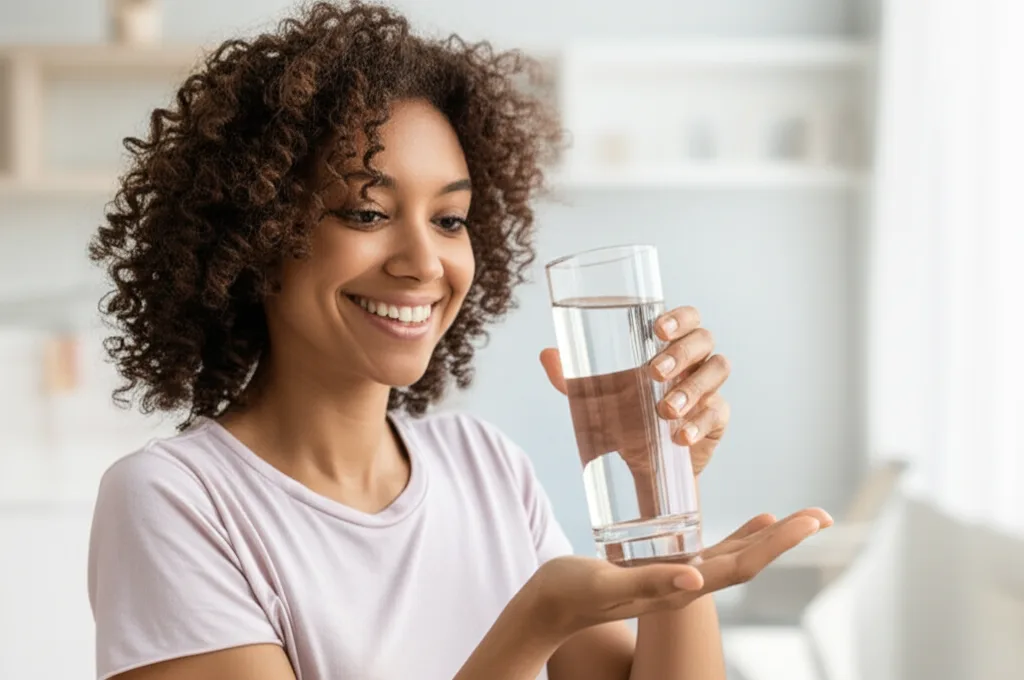
Staying well-hydrated is one of the most fundamental yet often overlooked aspects of maintaining overall well-being. It’s a cornerstone of good health, influencing everything from our energy levels and mood to our physical performance and cognitive function. If you’ve ever felt sluggish, experienced a dull headache, or simply didn’t feel your best, inadequate hydration might be playing a role. The good news is that there are many simple, accessible, and natural methods for hydration improvement that can significantly impact how you feel every day.
This comprehensive guide is designed to help you understand the profound benefits of optimal hydration and equip you with practical, natural strategies to seamlessly integrate into your daily life. We’ll explore how to move beyond just plain water and embrace a holistic approach to keeping your body wonderfully hydrated, supporting your vitality and helping you thrive.
The Wonderful World of Water: Why Hydration Matters So Much
Our bodies are approximately 60% water, a clear indicator of its critical role in nearly every bodily process. Water acts as a transporter, carrying nutrients and oxygen to cells, and flushing waste products away. It helps regulate body temperature, lubricates joints, protects organs and tissues, and keeps our skin looking supple. When we’re properly hydrated, our systems run more smoothly, allowing us to feel more energetic, focused, and resilient.
Even mild dehydration can have noticeable effects, potentially leading to fatigue, headaches, difficulty concentrating, and mood changes. It may also affect digestion and nutrient absorption. On the flip side, consistent hydration is known to support a healthy metabolism, promote clear skin, and even contribute to better sleep. Embracing natural methods for hydration improvement isn’t just about drinking more; it’s about nourishing your body at a cellular level. To learn more about the vital role of water in your body, you can visit authoritative sources like WebMD.
Moving Beyond the Glass: A Holistic Approach to Hydration
While drinking plenty of water is undeniably crucial, it’s just one piece of the hydration puzzle. Our bodies also absorb water from the foods we eat and rely on a balance of electrolytes to help distribute and retain fluids effectively. A holistic approach to natural methods for hydration improvement involves considering all these aspects, ensuring you’re getting a diverse range of hydrating sources and supporting your body’s natural fluid balance mechanisms.
This approach is about making hydration an enjoyable and effortless part of your routine, rather than a chore. Let’s dive into some incredible natural methods that can help you feel better, inside and out.
1. Embrace Water-Rich Foods: Nature’s Hydration Boosters
One of the most delicious and effective natural methods for hydration improvement is to incorporate plenty of water-rich fruits and vegetables into your diet. These foods are packed with not just water, but also essential vitamins, minerals, antioxidants, and fiber, all of which contribute to overall health.
- Cucumber: With about 95% water content, cucumbers are incredibly hydrating and refreshing. They’re also low in calories and can be added to salads, sandwiches, or infused water.
- Watermelon: As its name suggests, watermelon is over 90% water. It’s also rich in electrolytes and contains beneficial compounds like lycopene.
- Strawberries, Blueberries, and Raspberries: Most berries are high in water content (around 85-90%) and burst with antioxidants, making them a fantastic hydrating snack.
- Citrus Fruits (Oranges, Grapefruit): These fruits are juicy and hydrating, providing a good dose of Vitamin C.
- Lettuce and Celery: While often overlooked, leafy greens and crunchy celery are excellent sources of water, great for salads or as healthy snacks.
- Bell Peppers: All colors of bell peppers are high in water and nutrients, adding a hydrating crunch to many dishes.
Making these foods a regular part of your meals and snacks can significantly boost your daily fluid intake without even feeling like you’re trying. For more information on the health benefits of eating fruits and vegetables, the World Health Organization offers valuable insights.
2. Smart Sips: Infused Water & Herbal Teas
Sometimes, plain water can feel a bit… plain. To make hydration more appealing and enjoyable, consider these delightful natural methods for hydration improvement:
- Infused Water: This is a simple yet effective way to add flavor and nutrients to your water. Simply add slices of fruit, vegetables, or herbs to a pitcher of water and let it sit for a few hours in the refrigerator.
- Lemon and Mint: A classic, refreshing combination that can help kickstart your digestion.
- Cucumber and Ginger: Cooling and subtly spicy, great for a revitalizing sip.
- Berries and Orange Slices: A naturally sweet and tangy blend, full of vitamins.
- Rosemary and Grapefruit: An invigorating and unique flavor profile.
- Herbal Teas: Many caffeine-free herbal teas are excellent hydrating beverages. They offer a warm, comforting alternative to cold water and often come with their own unique health-supporting properties.
- Peppermint Tea: Refreshing and may help soothe digestion.
- Chamomile Tea: Calming and perfect for evening hydration.
- Hibiscus Tea: Tart, vibrant, and rich in antioxidants.
- Ginger Tea: Warming and can help settle the stomach.
Remember to choose herbal teas that are genuinely caffeine-free to ensure they contribute positively to your hydration levels.
3. The Power of Electrolytes (Naturally!): Balancing Your Fluids
Electrolytes are minerals that carry an electric charge when dissolved in water, and they are crucial for many bodily functions, including maintaining fluid balance, nerve signaling, and muscle contraction. When we sweat, we lose electrolytes, and simply drinking plain water might not be enough to fully rehydrate, especially after intense exercise or in hot weather. Fortunately, there are many natural methods for hydration improvement that provide these vital minerals.
- Coconut Water: Often called "nature’s sports drink," coconut water is naturally rich in potassium, sodium, and magnesium, making it an excellent natural source of electrolytes.
- Electrolyte-Rich Fruits and Vegetables: As mentioned before, foods like watermelon, bananas (potassium), avocados (potassium, magnesium), spinach (magnesium), and tomatoes (potassium) all contribute to your electrolyte intake.
- A Pinch of Sea Salt: Adding a tiny pinch of high-quality sea salt (which contains trace minerals) to your water can provide a small amount of sodium and other minerals, which may help your body absorb water more effectively. Be mindful of sodium intake, but a small amount can be beneficial for hydration.
- Bone Broth: Rich in minerals and amino acids, bone broth can be a savory and hydrating option, especially in cooler weather.
These natural sources help replenish what your body uses, supporting overall hydration and well-being.
4. Mindful Drinking Habits: Making Hydration a Ritual
Sometimes, the best natural methods for hydration improvement are simply about developing consistent, mindful habits.
- Sip Regularly Throughout the Day: Instead of trying to chug large amounts of water at once, aim for smaller, more frequent sips. Keep a reusable water bottle handy at your desk, in your car, or in your bag.
- Listen to Your Body’s Cues: While thirst is a primary indicator, don’t wait until you’re parched. Pay attention to other subtle signs like dry mouth, fatigue, or dark-colored urine.
- Start Your Day with Water: Begin each morning with a glass of water, perhaps with a squeeze of lemon. This helps rehydrate your body after hours of sleep and can gently kickstart your metabolism.
- Hydrate Before and During Activities: If you’re exercising, spending time outdoors, or engaging in any activity that causes you to sweat, proactively drink water before, during, and after.
- Set Reminders: If you struggle to remember to drink water, use an app, a smart bottle, or simply set alarms on your phone to remind you to take a sip.
By making hydration a conscious and consistent part of your day, you can significantly improve your fluid intake without much effort.
5. Optimize Your Environment: Creating a Hydration-Friendly Space
Your surroundings can also play a subtle but important role in your hydration levels. These often-overlooked natural methods for hydration improvement can make a difference:
- Consider a Humidifier: In dry climates or during winter months when indoor heating can significantly reduce air humidity, a humidifier can help prevent moisture loss from your skin and respiratory system, indirectly supporting your body’s overall hydration.
- Dress Appropriately for Activity and Weather: Wearing breathable, moisture-wicking clothing during exercise or in hot weather can help manage sweat and prevent excessive fluid loss. Conversely, bundling up in cold weather helps your body retain heat and reduces fluid loss through respiration.
- Manage Sun Exposure: Prolonged exposure to direct sunlight, especially during peak hours, can lead to increased sweating and faster dehydration. Seek shade, wear protective clothing, and increase your fluid intake when spending time outdoors.
Creating an environment that supports your body’s natural processes can be a subtle yet powerful strategy for better hydration.
6. Prioritize Sleep & Stress Management: Indirect Hydration Support
While not directly related to fluid intake, adequate sleep and effective stress management are vital for your body’s overall regulatory functions, which in turn can influence hydration. These are often forgotten natural methods for hydration improvement that work behind the scenes.
- Quality Sleep: During sleep, your body performs many restorative processes, including hormone regulation. Hormones like vasopressin (antidiuretic hormone) play a role in fluid balance. Lack of sleep can potentially disrupt these hormonal balances, which may affect how your body manages hydration.
- Stress Reduction: Chronic stress can impact various bodily systems, including those involved in fluid regulation. Finding healthy ways to manage stress, such as mindfulness, meditation, gentle exercise, or spending time in nature, can support overall bodily harmony, including its ability to maintain optimal hydration.
By supporting your body’s overall well-being, you’re also creating a more favorable environment for efficient hydration.
7. Limit Dehydrating Beverages (Gently): Focusing on Positive Choices
While we’re focusing on adding positive natural methods for hydration improvement, it’s also helpful to be mindful of beverages that can contribute to fluid loss.
- Caffeinated Drinks: Coffee, black tea, and some sodas contain caffeine, which has a mild diuretic effect. While moderate consumption is generally fine, it’s a good practice to balance caffeinated drinks with an equal amount of water.
- Sugary Beverages: Sugary sodas, fruit juices with added sugar, and energy drinks can be high in sugar, which requires your body to use water to process it, potentially leading to a net dehydrating effect. They also often lack the beneficial electrolytes found in natural sources.
- Alcohol: Alcohol is a diuretic and can lead to increased urination and fluid loss. If you choose to consume alcohol, it’s wise to alternate each alcoholic drink with a glass of water to help mitigate its dehydrating effects.
The goal isn’t necessarily to eliminate these beverages entirely, but rather to be aware of their potential impact on hydration and to ensure they are balanced with plenty of water and other hydrating choices. For more details on factors affecting hydration, resources like the Mayo Clinic provide helpful information.
Your Hydration Journey: Small Steps, Big Impact
Embarking on a journey to improve your hydration doesn’t have to be overwhelming. The most effective natural methods for hydration improvement are those that you can consistently integrate into your daily life. Start with one or two changes that feel manageable, like adding a glass of water in the morning or incorporating more water-rich fruits into your snacks.
Listen to your body, experiment with different natural methods, and find what works best for you. Every small step you take towards better hydration is an investment in your energy, your mood, and your overall health. Remember, consistent, gentle effort yields the most sustainable and beneficial results.
Conclusion: Feel Your Best, Naturally
Optimal hydration is a powerful tool for enhancing your vitality and overall well-being. By focusing on natural methods for hydration improvement, you’re not just quenching thirst; you’re nourishing your body with essential fluids, electrolytes, and nutrients that help every system function at its best. From delicious water-rich foods and flavorful infused waters to mindful habits and environmental adjustments, there are countless ways to support your body’s hydration needs.
Embrace these simple yet effective strategies and experience the amazing difference that consistent, natural hydration can make in your life. Start today, and feel the positive ripple effect throughout your entire being!