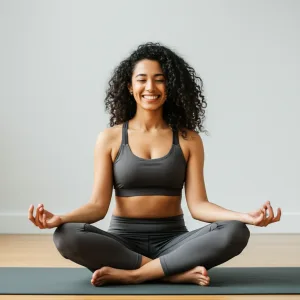
In our fast-paced world, cultivating daily habits to support relaxation is more crucial than ever for our overall well-being. Life often feels like a relentless treadmill, constantly demanding our attention, energy, and resilience. From the ping of notifications to the pressures of work and personal responsibilities, it’s easy to find ourselves feeling overwhelmed, stressed, and disconnected from our inner calm. But what if there was a way to navigate this modern maze with greater ease and peace? What if you could build a personal sanctuary, not by escaping, but by integrating simple, powerful practices into your everyday life?
The good news is that you absolutely can. Relaxation isn’t a luxury; it’s a fundamental human need, essential for our physical health, mental clarity, and emotional balance. By intentionally incorporating small, consistent actions into your routine, you can create a profound shift in how you experience the world. This article will guide you through accessible and effective daily habits to support relaxation, offering practical tips to help you embrace a calmer, more centered existence.
Why Prioritizing Relaxation is a Game-Changer
Before diving into specific habits, let’s briefly touch upon why making time for relaxation is so incredibly important. When we’re constantly in a state of stress, our bodies activate the "fight or flight" response, which, while useful in emergencies, can be detrimental when prolonged. Chronic stress can impact various aspects of our health, from sleep quality and digestion to mood and focus.
Conversely, embracing relaxation can help activate the "rest and digest" system, fostering a sense of calm and promoting healing throughout the body. Regular relaxation is known to:
- Improve mood: It can help reduce feelings of anxiety and sadness, promoting a more positive outlook.
- Boost cognitive function: A relaxed mind is often a clearer mind, supporting better concentration and problem-solving.
- Enhance physical well-being: It may help lower blood pressure, ease muscle tension, and even strengthen the immune system.
- Foster better sleep: When your mind and body are calm, falling asleep and staying asleep becomes easier.
- Increase resilience: Regular relaxation can help you better cope with life’s inevitable challenges.
These benefits underscore why creating daily habits to support relaxation isn’t just about feeling good in the moment, but about building a foundation for a healthier, happier life in the long run.
Essential Daily Habits to Support Relaxation
Let’s explore some actionable habits you can start integrating into your life today. Remember, the goal isn’t perfection, but progress and consistency. Choose one or two that resonate most with you and build from there.
1. Embrace Mindful Breathing and Short Meditation
One of the most immediate and accessible tools for relaxation is your breath. Mindful breathing, or diaphragmatic breathing, involves taking deep, slow breaths that engage your diaphragm, rather than shallow chest breaths. This simple act can quickly signal to your nervous system that it’s safe to relax.
How to make it a daily habit:
- Start small: Dedicate just 2-5 minutes each day. You can do this first thing in the morning, during a work break, or before bed.
- Find a quiet spot: Sit or lie comfortably.
- Focus on your breath: Inhale slowly through your nose, feeling your belly rise. Exhale slowly through your mouth, feeling your belly fall. Count to four on the inhale, hold for four, and exhale for six.
- Use guided meditations: Many free apps and online resources offer short guided meditations that can help you focus and relax.
- Anchor to a routine: Pair it with an existing habit, like waiting for your coffee to brew or sitting down for a meal.
Even a few minutes of mindful breathing or a short meditation can significantly shift your state, helping you feel more grounded and less reactive to daily stressors. It’s a cornerstone of daily habits to support relaxation.
For further reading on meditation and stress reduction, you can visit the Mayo Clinic’s resource on meditation: Mayo Clinic – Meditation: A simple, fast way to reduce stress
2. Prioritize Gentle Movement and Exercise
While intense workouts have their place, gentle movement is particularly effective in supporting relaxation. Physical activity helps release endorphins, which have mood-boosting effects, and can also help dissipate physical tension stored in the body.
How to make it a daily habit:
- Morning stretches: Spend 5-10 minutes gently stretching your body when you wake up.
- Daily walks: Aim for a 20-30 minute walk, preferably outdoors. Pay attention to your surroundings – the trees, the sky, the sounds. This is a wonderful way to combine movement with connecting to nature.
- Gentle yoga or tai chi: These practices combine movement with breathwork and mindfulness, making them powerful tools for relaxation. There are many beginner-friendly videos available online.
- Incorporate movement breaks: If you have a desk job, stand up and stretch every hour. Walk to get water, or take the stairs.
The key is consistency and choosing activities you genuinely enjoy. This isn’t about burning calories; it’s about moving your body in a way that feels good and helps release accumulated stress. Regular, gentle movement is a fantastic example of daily habits to support relaxation.
To learn more about how exercise can help manage stress, check out WebMD’s advice: WebMD – Exercise and Stress
3. Cultivate Excellent Sleep Hygiene
Sleep is perhaps the most fundamental pillar of relaxation and recovery. When we don’t get enough quality sleep, our bodies and minds struggle to function optimally, making us more susceptible to stress and less able to relax. Good sleep hygiene refers to a set of practices necessary to have good quality sleep on a regular basis.
How to make it a daily habit:
- Set a consistent sleep schedule: Go to bed and wake up around the same time each day, even on weekends. This helps regulate your body’s natural sleep-wake cycle.
- Create a relaxing bedtime routine: This could include a warm bath, reading a book (not on a screen!), listening to calming music, or doing light stretches. Start this routine an hour or two before bed.
- Optimize your sleep environment: Make your bedroom dark, quiet, and cool. Consider blackout curtains, earplugs, or a white noise machine if needed.
- Limit screen time before bed: The blue light emitted from phones, tablets, and computers can interfere with melatonin production, a hormone that helps regulate sleep.
- Watch your diet: Avoid heavy meals, caffeine, and alcohol close to bedtime.
Prioritizing your sleep is one of the most impactful daily habits to support relaxation you can adopt. It allows your body and mind to truly rest and rejuvenate.
4. Practice Digital Disconnection
In our hyper-connected world, the constant stream of information and notifications can be incredibly draining. Our brains are not designed to be "on" 24/7. Regularly disconnecting from technology can significantly reduce mental clutter and promote a sense of peace.
How to make it a daily habit:
- Designate screen-free times: Establish specific periods each day when you put away your phone, tablet, and computer. This could be during meals, for the first hour after waking, or an hour before bed.
- Create screen-free zones: Make certain areas of your home, like the bedroom, technology-free sanctuaries.
- Turn off notifications: Disable non-essential notifications on your devices to reduce interruptions and the urge to constantly check.
- Engage in offline activities: Replace screen time with activities like reading a physical book, journaling, spending time with loved ones, or pursuing a hobby.
- Take a digital detox day (periodically): Once a week or even once a month, commit to a full day without non-essential technology.
Giving your mind a break from the digital world can dramatically improve your ability to relax and focus on the present moment. This is a powerful, yet often overlooked, aspect of developing daily habits to support relaxation.
5. Engage in Joyful Hobbies and Creative Pursuits
Engaging in activities you genuinely enjoy can be incredibly therapeutic. When you immerse yourself in a hobby, you enter a state of "flow," where you lose track of time and everyday worries fade into the background.
How to make it a daily habit:
- Identify your passions: What activities make you feel happy, energized, or calm? This could be anything from painting, playing a musical instrument, gardening, cooking, knitting, writing, or building models.
- Schedule dedicated time: Even if it’s just 15-30 minutes, carve out time in your day for your hobby. Treat it as a non-negotiable appointment with yourself.
- Explore new interests: Don’t be afraid to try something new. You might discover a hidden talent or a new source of joy.
- Focus on the process, not the outcome: The goal is the enjoyment and relaxation derived from the activity, not producing a masterpiece or achieving perfection.
These joyful activities provide a much-needed mental break and a sense of accomplishment, reinforcing positive emotions and making them excellent daily habits to support relaxation.
6. Practice Gratitude
Cultivating a sense of gratitude can profoundly shift your perspective from what’s going wrong to what’s going right. When you consciously acknowledge the good things in your life, even the small ones, it can help reduce feelings of stress and foster a more positive outlook.
How to make it a daily habit:
- Gratitude journaling: Dedicate 5 minutes each day to writing down 3-5 things you are grateful for. Be specific.
- Daily reflection: Before you get out of bed or before you go to sleep, mentally list a few things you appreciate.
- Express gratitude to others: Thank someone, write a kind note, or simply tell a loved one how much you appreciate them. This not only boosts your mood but also strengthens your relationships.
- Use gratitude prompts: If you’re stuck, look for prompts online that can help you think about different aspects of your life.
Practicing gratitude is a simple yet powerful way to rewire your brain for positivity and contentment, making it a valuable addition to your daily habits to support relaxation.
7. Connect with Nature
Spending time outdoors, even for short periods, has been shown to have a remarkable calming effect on the mind and body. This connection to nature, sometimes called "forest bathing" or simply "nature therapy," can reduce stress hormones, lower blood pressure, and improve mood.
How to make it a daily habit:
- Take your breaks outdoors: Instead of eating lunch at your desk, find a nearby park, courtyard, or even just sit by a window with a view of greenery.
- Morning or evening walks: As mentioned earlier, incorporate a walk in a natural setting into your routine.
- Tend to plants: If you have a garden, spend some time tending to it. If not, even caring for indoor plants can create a sense of connection.
- Mindful observation: When you’re outdoors, take a moment to truly observe. Listen to the birds, feel the breeze, notice the colors of the leaves. Engage all your senses.
- Open your windows: Even if you can’t go outside, letting fresh air and natural light into your home can make a difference.
Integrating nature into your daily life is a potent way to calm your nervous system and support your overall well-being. It’s an easily accessible and deeply effective one of the daily habits to support relaxation.
Integrating Daily Habits to Support Relaxation into Your Life
Building new habits takes time and consistency. Here are a few tips to help you successfully incorporate these practices into your daily routine:
- Start small: Don’t try to overhaul your entire life at once. Choose one or two habits that feel most achievable and begin there. Once they feel natural, you can gradually add more.
- Be consistent, not perfect: Life happens. There will be days when you miss a habit. Don’t beat yourself up; just get back on track the next day. The goal is long-term consistency, not flawless execution.
- Listen to your body: Pay attention to what works best for you. Some habits might resonate more than others. Customize your relaxation routine to fit your unique needs and preferences.
- Schedule it: Just like any other important appointment, block out time in your calendar for your relaxation practices. This helps ensure they don’t get pushed aside.
- Be patient and kind to yourself: It takes time to see the full benefits of these practices. Celebrate small victories and acknowledge your efforts.
The World Health Organization emphasizes the importance of mental well-being and healthy lifestyles, which these habits directly support. WHO – Mental health
Conclusion
Cultivating daily habits to support relaxation is a powerful investment in your personal peace and overall health. By embracing mindful breathing, gentle movement, quality sleep, digital disconnection, joyful hobbies, gratitude, and nature connection, you can create a more balanced, resilient, and serene life. Remember, relaxation isn’t about avoiding life’s challenges, but about building the internal resources to meet them with greater calm and clarity. Start today, one small habit at a time, and discover the profound impact these practices can have on your journey towards a more relaxed and fulfilling existence.