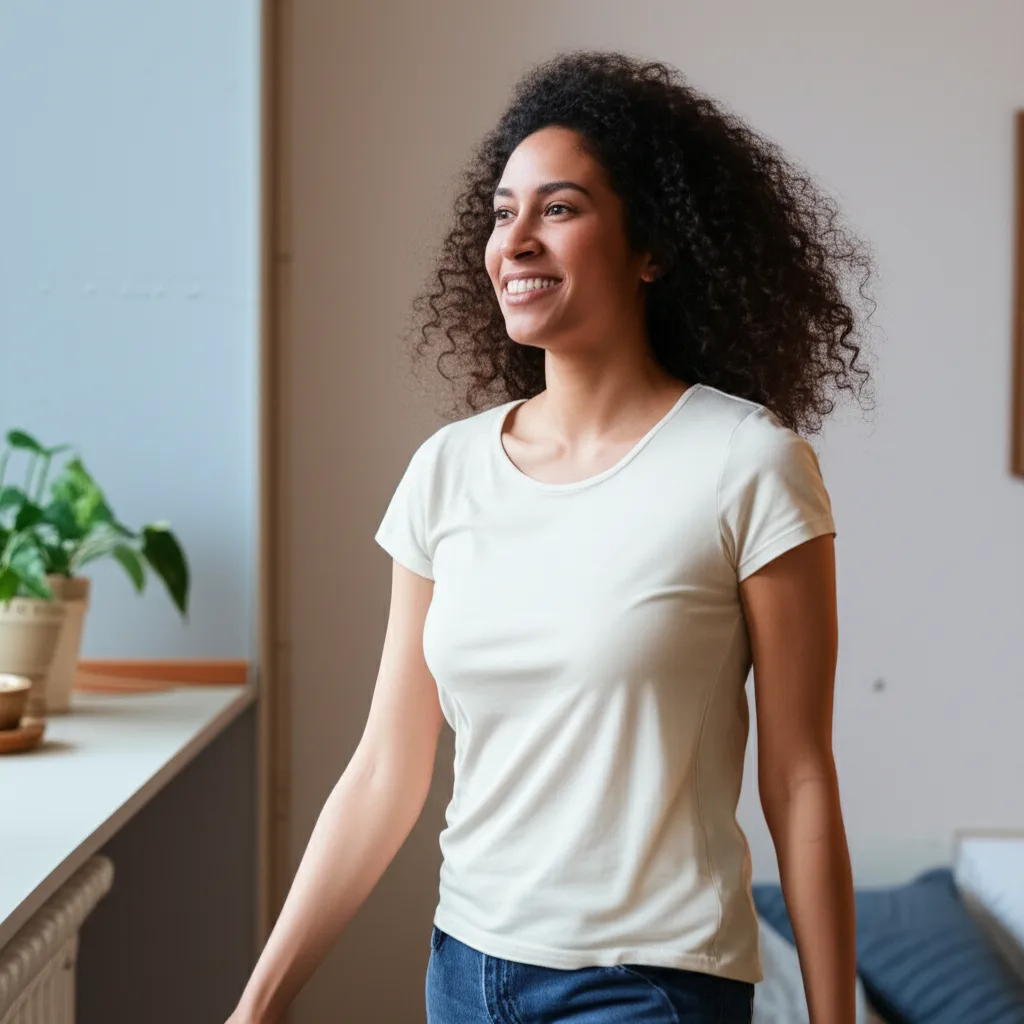
Are you looking for simple yet effective ways to boost your well-being without stepping outside? Perhaps you’re navigating a busy schedule, unpredictable weather, or simply prefer the comfort of your own space. Whatever your reason, discovering easy ways to practice walking at home can be a game-changer for your health and happiness. Walking is a fundamental human movement, known for its incredible benefits, and the good news is you don’t need a gym or even a sidewalk to enjoy them. This comprehensive guide will walk you through a variety of engaging, safe, and positive methods to transform your home into your personal walking sanctuary. Get ready to lace up your comfy shoes and discover how convenient and joyful at-home walking can truly be!
Why Embrace At-Home Walking? The Incredible Benefits
Before we dive into the "how-to," let’s explore why choosing to walk within the confines of your home is such a fantastic idea. It’s more than just a convenient alternative; it offers a unique set of advantages that cater to various lifestyles and needs.
- Ultimate Convenience & Flexibility: Life is unpredictable. With at-home walking, there are no excuses related to bad weather, dark evenings, or travel time to a gym. You can fit a walk into your schedule whenever it suits you – whether it’s a quick 10-minute break between tasks, a longer session while watching your favorite show, or a gentle stroll first thing in the morning. This flexibility may support greater consistency in your fitness routine.
- Privacy and Comfort: For many, the idea of exercising in public can feel daunting. Walking at home offers a judgment-free zone where you can move freely, wear what you like, and focus entirely on your own body and rhythm. It creates a comfortable environment that can make exercise feel less like a chore and more like a personal treat.
- Accessibility for All Fitness Levels: Whether you’re a complete beginner, recovering from an injury (always consult with a healthcare professional first), or looking for a low-impact way to stay active, at-home walking is incredibly adaptable. You can start slow, increase your pace gradually, and add variations as your fitness improves, making it suitable for almost anyone.
- Safety and Security: Walking outdoors comes with considerations like traffic, uneven sidewalks, or navigating unfamiliar areas. At home, you control your environment. This can provide peace of mind, allowing you to focus purely on your movement.
- A Boost for Your Overall Well-being: Regular walking, even indoors, is known to offer a wide array of health benefits. It can help improve cardiovascular health, may support stronger bones and muscles, and can contribute to better joint flexibility. Beyond the physical, walking is also fantastic for mental well-being; it can help reduce stress, elevate mood, and boost energy levels. The World Health Organization (WHO) emphasizes the importance of regular physical activity for overall health, and walking is a fantastic way to meet these guidelines. (Source: WHO Physical Activity Guidelines)
Getting Ready: Your At-Home Walking Checklist
Before you embark on your indoor walking journey, a little preparation can go a long way in ensuring a safe, comfortable, and enjoyable experience.
- Clear Your Space: Designate an area in your home where you can move freely without bumping into furniture, tripping over rugs, or encountering obstacles. A living room, a clear hallway, or even a spacious bedroom can work perfectly.
- Wear Supportive Footwear: While it might be tempting to walk barefoot, especially on carpet, wearing supportive athletic shoes is highly recommended. Good shoes can help cushion your joints, provide stability, and prevent discomfort or potential injury.
- Hydrate: Keep a water bottle handy. Even moderate exercise can lead to fluid loss, and staying hydrated is crucial for your energy levels and overall health. WebMD provides excellent information on the importance of hydration for physical activity. (Source: WebMD – The Importance of Hydration)
- Comfortable Clothing: Opt for breathable, loose-fitting clothing that allows for a full range of motion.
- Warm-Up: Before you start any walking routine, take 5 minutes for a gentle warm-up. This could include marching slowly in place, gentle arm circles, leg swings, and torso twists. A proper warm-up prepares your muscles and joints for activity, helping to prevent strain. Mayo Clinic offers great guidance on the benefits of warming up and cooling down. (Source: Mayo Clinic – Warm-up and Cool-down)
- Tune In: Consider putting on some upbeat music, a captivating podcast, or even an interesting TV show to keep you motivated and entertained.
Wonderful Workouts: Easy Ways to Practice Walking at Home
Now for the exciting part! Here are 10 fantastic and easy ways to practice walking at home, designed to keep you moving, motivated, and feeling great. Each method offers a unique approach, allowing you to choose what best fits your mood and energy levels.
1. The Classic March in Place
This is perhaps the most straightforward and accessible method, requiring minimal space.
- How it Works: Simply stand tall and begin marching, lifting your knees towards your chest one at a time. Swing your arms naturally, just as you would if you were walking outdoors.
- Variations:
- Pace: Start slow and gradually increase your speed.
- Arm Movements: Exaggerate your arm swings for an upper body workout. Add bicep curls or overhead presses with no weights (or very light hand weights if comfortable) as you march.
- High Knees/Butt Kicks: Occasionally incorporate higher knee lifts or kick your heels towards your glutes for bursts of higher intensity.
- Side Steps: Every few minutes, add a series of side steps, moving a few steps to the right, then a few steps to the left, before returning to marching in place.
- Make it Engaging: Put on your favorite upbeat playlist, listen to an engaging audiobook, or catch up on a podcast. You can also march in front of the TV, turning a passive activity into an active one. Set a timer for 10, 20, or 30 minutes and just keep marching!
2. Room-to-Room Exploration
Turn your home into your personal walking track! This method uses the layout of your living space to create a dynamic walking experience.
- How it Works: Instead of just marching in place, walk loops around your living room, through hallways, or from one end of your house to the other. Think of it as creating a circuit.
- Variations:
- Obstacle Course: Carefully place soft "obstacles" (like pillows) to step over, or use doorways to practice stepping sideways.
- Paced Walking: Alternate between walking at a brisk pace for one loop and a slower, recovery pace for the next.
- Add Micro-Breaks: When you reach a certain point (e.g., the kitchen counter), do 5 calf raises, 5 wall push-ups, or 10 arm circles before continuing your walk.
- Benefits: This method adds variety and can feel more like an outdoor walk, engaging different muscles as you navigate corners and change directions. It’s one of the most effective easy ways to practice walking at home that feels less repetitive.
3. Stair Power (If Available)
If your home has stairs, you have an excellent tool for a more intense cardio workout.
- How it Works: Slowly and carefully walk up and down your stairs. Always hold onto the handrail for safety, especially when first starting out.
- Variations:
- Single Step: Walk up and down, stepping on each stair.
- Double Step: Skip a step, stepping onto every second stair (only if you feel very stable and comfortable).
- Side Steps: Face sideways and step up and down the stairs one foot at a time (alternate leading leg). This works different leg muscles.
- Safety First: Take your time, focus on your footing, and use the handrail. Listen to your body and stop if you feel any pain or dizziness. This can be a more challenging form of at-home walking, so start slow.
4. Treadmill & Mini Stepper Adventures
If you have home exercise equipment like a treadmill, elliptical, or mini stepper, these are fantastic tools for consistent at-home walking.
- How it Works: Simply use your equipment as intended, starting with a slow pace and gradually increasing intensity as you feel comfortable.
- Tips for Engagement:
- Virtual Scenery: Many modern treadmills come with built-in virtual routes. If yours doesn’t, you can place a tablet or TV in front of you and play a virtual walking tour video (see next point!).
- Intervals: Vary your speed and incline (if applicable) throughout your workout to simulate hills and boost your cardiovascular challenge.
- Entertainment: This is a prime opportunity to catch up on your favorite TV series, movies, or podcasts without interruption.
5. Virtual Walking Tours: Travel the World From Your Living Room
For those who crave variety and a change of scenery, virtual walking tours are a brilliant solution.
- How it Works: Head to YouTube and search for "virtual walking tour" or "treadmill walking tour." You’ll find countless videos taking you through stunning natural landscapes, bustling city streets, and historical sites around the globe. Play one on your TV or tablet, and simply walk in place or on your treadmill as if you were there.
- Benefits: This method provides a fantastic mental escape, combats boredom, and can inspire future travel plans. It’s an incredibly imaginative and easy way to practice walking at home that keeps your mind engaged.
- Finding Tours: Look for videos with steady camera work and good sound quality for the most immersive experience.
6. Dance-Walk Fusion: Groove Your Way to Fitness
Who says walking can’t be a party? Combine the benefits of walking with the joy of dance!
- How it Works: Put on your absolute favorite upbeat music – the kind that makes you want to move. Instead of just marching, let the rhythm guide you. Incorporate gentle dance moves like swaying, stepping side-to-side, kicking out your legs, or doing simple grapevines across your floor.
- Benefits: This method is incredibly fun, boosts your mood, and can improve coordination. It feels less like exercise and more like pure enjoyment, making it highly sustainable. There’s no right or wrong way to do it; just move your body to the beat!
7. Mindful Pacing: Walk for Your Well-being
Walking isn’t just for physical fitness; it can also be a powerful tool for mental clarity and stress reduction.
- How it Works: Find a quiet space where you can walk back and forth or in a small circle. Instead of focusing on speed or distance, turn your attention inward. Notice the sensation of your feet touching the ground, the rhythm of your breath, and the gentle movement of your body.
- Benefits: Mindful walking can help calm your nervous system, reduce anxiety, and improve your ability to be present. It’s a wonderful way to connect with your body and mind. You can even combine this with listening to a guided meditation or simply the sounds of nature.
8. Gentle Resistance: Elevate Your Walk
Once you’re comfortable with basic at-home walking, you can gradually add light resistance to enhance your workout.
- How it Works:
- Light Hand Weights: Hold very light hand weights (1-2 lbs) as you march in place or walk around your home. Pump your arms naturally.
- Ankle Weights: If you have them, attach light ankle weights. Start with very low weights and ensure they don’t alter your natural gait or cause discomfort.
- Resistance Bands: You can place a resistance band around your ankles or just above your knees for side steps or marching, increasing the effort required.
- Caution: Always start with very light resistance and pay close attention to your body. Stop if you feel any pain or if your form is compromised. The goal is to enhance, not strain.
9. Interval Walking: Boost Your Burn
Interval training involves alternating periods of higher intensity with periods of lower intensity, and it’s easily adaptable for at-home walking.
- How it Works:
- Warm-up: 5 minutes of easy marching.
- Interval 1: 1-2 minutes of brisk walking or marching (as fast as you can comfortably go while maintaining good form).
- Recovery: 1-2 minutes of slower, gentle walking.
- Repeat: Continue alternating between brisk and recovery periods for 15-30 minutes.
- Cool-down: 5 minutes of very slow walking.
- Benefits: Interval training can be very effective for improving cardiovascular fitness and can help you get more out of a shorter workout. It keeps your body guessing and prevents boredom, making it one of the more dynamic easy ways to practice walking at home.
10. Purposeful Pacing: Weaving Walking into Daily Life
The beauty of at-home walking is that it doesn’t always have to be a dedicated "workout" session. You can naturally integrate more movement into your daily routine.
- How it Works:
- Phone Calls: Instead of sitting, pace around your home while talking on the phone.
- Waiting: Walk laps around your kitchen while waiting for water to boil, toast to pop, or food to cook.
- Chores: Make an extra trip or two when putting away groceries, doing laundry, or tidying up. Walk briskly between rooms.
- Commercial Breaks: During TV commercial breaks, march in place or do some side steps.
- Benefits: This method is incredibly practical and helps you accumulate steps and movement throughout the day without feeling like a major commitment. It’s about making movement a seamless part of your lifestyle.
Sustaining Your Stride: Tips for Consistency
Finding easy ways to practice walking at home is one thing; making it a regular habit is another. Here are some friendly tips to help you stay consistent and motivated on your journey.
- Set Realistic Goals: Start small. Aim for 10-15 minutes a few times a week, and gradually increase duration or frequency as you feel stronger.
- Schedule It: Treat your at-home walk like any other important appointment. Put it on your calendar and commit to it.
- Track Your Progress: Use a simple notebook, a fitness tracker, or a smartphone app to log your walking sessions. Seeing how far you’ve come can be a huge motivator.
- Variety is Key: Don’t stick to just one method! Mix and match from the suggestions above to keep things fresh and prevent boredom.
- Find an Accountability Partner: Even if they’re not walking with you, tell a friend or family member about your goal. Checking in with them can provide encouragement.
- Listen to Your Body: Some days you’ll feel energetic, others less so. It’s okay to have easier days. The most important thing is to keep moving and avoid pushing yourself to the point of pain or injury.
- Reward Yourself: After reaching a milestone (e.g., walking consistently for a month), treat yourself to something non-food related, like a new book, a cozy blanket, or an hour of uninterrupted relaxation.
Safety First: A Gentle Reminder
While at-home walking is generally very safe, a few precautions can ensure your experience is always positive:
- Clear Your Path: Always ensure your walking area is free from clutter, loose rugs, or any potential tripping hazards.
- Proper Footwear: As mentioned, supportive shoes are important for cushioning and stability.
- Stay Hydrated: Drink water before, during, and after your walk.
- Listen to Your Body: If you experience any sharp pain, dizziness, or unusual discomfort, stop immediately. It’s always best to err on the side of caution.
- Cool-Down: After your walk, take 5 minutes to cool down with slow, gentle movements and light stretches. This helps your heart rate return to normal and can support muscle flexibility.
When to Seek Guidance
While this article focuses on safe, general fitness, it’s always wise to consult with a healthcare professional before starting any new exercise program, especially if you have pre-existing health conditions or concerns. If you experience persistent pain, shortness of breath, or any other concerning symptoms during or after your at-home walking, please seek medical advice. This article is for educational purposes and does not offer medical advice or treatment.
Your Journey Starts Now!
Embracing easy ways to practice walking at home is a wonderful gift you can give yourself – a commitment to better health, increased energy, and a happier mood, all from the comfort and convenience of your own space. With so many creative and adaptable methods available, there’s truly an option for everyone, regardless of fitness level or lifestyle.
So, take a deep breath, choose a method that excites you, and take that first step. Your home is not just a place to live; it’s a fantastic place to thrive. Happy walking!