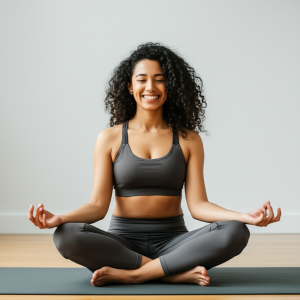
In our fast-paced world, cultivating daily habits to support relaxation is more crucial than ever for our overall well-being. Life often feels like a never-ending to-do list, pulling us in multiple directions and leaving us feeling overwhelmed, stressed, and disconnected from our inner calm. It’s easy to believe that relaxation is a luxury reserved for vacations or special occasions, but the truth is, integrating small, consistent practices into your everyday routine can make a profound difference. This article will guide you through simple yet effective daily habits that can help you find your personal path to greater peace and tranquility.
Imagine waking up feeling refreshed, navigating your day with a sense of ease, and winding down in the evening feeling genuinely at peace. This isn’t just a pipe dream; it’s an achievable reality when you commit to nurturing your mind and body with intentional acts of relaxation. We’re not talking about grand gestures or radical lifestyle overhauls, but rather gentle shifts and mindful choices that, over time, can significantly enhance your quality of life.
Understanding the Importance of Prioritizing Relaxation
Before diving into specific techniques, let’s take a moment to appreciate why making time for relaxation is so vital. Many of us operate under constant pressure, whether from work, family responsibilities, or the endless scroll of social media. This constant stimulation can keep our bodies and minds in a state of heightened alert, often referred to as the "fight or flight" response. While this response is essential for dealing with immediate threats, chronic activation can take a toll on our physical and emotional health.
Relaxation, on the other hand, activates the "rest and digest" system, helping to counterbalance the effects of stress. It can support a healthier heart rate, promote better digestion, and may even contribute to a stronger immune system. More importantly, it provides a mental break, allowing our brains to process information, consolidate memories, and recharge. Without these moments of calm, we might find ourselves feeling irritable, fatigued, or struggling with focus. Prioritizing daily habits to support relaxation isn’t selfish; it’s a fundamental act of self-care that empowers you to show up as your best self for others and for your own life.
Embracing Daily Habits to Support Relaxation: A Gentle Journey
Here are seven wonderful daily habits that you can easily incorporate into your life to cultivate a more relaxed and centered state. Remember, the key is consistency and finding what truly resonates with you.
1. Mindful Breathing: Your Instant Calm Button
It sounds almost too simple, doesn’t it? Yet, the power of conscious breathing is immense. Most of us breathe shallowly, often from our chests. Shifting to deep, diaphragmatic breathing (belly breathing) can signal to your nervous system that it’s safe to relax.
How to practice:
- Find a quiet spot to sit or lie down comfortably.
- Place one hand on your chest and the other on your belly.
- Inhale slowly and deeply through your nose, feeling your belly rise. Your chest should remain relatively still.
- Exhale slowly through your mouth, gently pursing your lips, feeling your belly fall.
- Try counting to four on the inhale, holding for one, and counting to six on the exhale.
- Repeat this for 5-10 minutes.
Why it helps: Mindful breathing can help to slow your heart rate, lower blood pressure, and increase oxygen flow to your brain, promoting a sense of calm and clarity. It’s a foundational practice among daily habits to support relaxation. You can do it anywhere, anytime you feel tension building.
2. Gentle Movement and Stretching: Releasing Physical Tension
Our bodies often hold onto stress, manifesting as tight shoulders, a stiff neck, or general bodily aches. Engaging in gentle movement or stretching can be a fantastic way to release this physical tension and invite relaxation. You don’t need to become a yoga master; even a few minutes can make a difference.
How to practice:
- Morning Stretch: Spend 5-10 minutes upon waking gently stretching your limbs, neck, and back. Think of cat-cow stretches, gentle neck rolls, or reaching for the sky.
- Walking Meditation: Take a brisk 15-30 minute walk outdoors, paying attention to your surroundings – the feel of the air, the sounds, the sights. Let your mind clear as your body moves.
- Evening Wind-Down: Before bed, perform some slow, restorative stretches like child’s pose, leg-up-the-wall, or a gentle spinal twist.
Why it helps: Physical activity is known to help reduce feelings of stress and can help improve mood. Gentle movement can increase blood flow, lubricate joints, and encourage a sense of fluidity and ease in the body. The World Health Organization (WHO) emphasizes the importance of physical activity for overall health, including mental well-being. Regular movement is one of the most effective daily habits to support relaxation.
3. Mindfulness or Meditation: Cultivating Presence
Mindfulness is the practice of being fully present in the moment, without judgment. Meditation is a formal practice that often involves focusing attention on a single object, thought, or sensation. Even short periods of these practices can train your mind to be less reactive and more peaceful.
How to practice:
- Guided Meditation: Use apps like Calm or Headspace, or find free guided meditations on YouTube. Start with 5-10 minutes.
- Mindful Moment: Throughout your day, pick a simple activity – washing dishes, drinking tea, walking – and dedicate your full attention to it. Notice the sensations, smells, and sounds.
- Body Scan: Lie down and systematically bring your attention to different parts of your body, noticing any sensations without trying to change them.
Why it helps: Regular mindfulness and meditation practices can help to quiet the mental chatter, improve focus, and cultivate a sense of inner calm that extends beyond the meditation session. It’s a powerful tool for managing daily stressors and an invaluable part of building daily habits to support relaxation.
4. Connecting with Nature: Grounding Yourself Outdoors
Spending time in nature, often referred to as "forest bathing" or "nature therapy," has been shown to have remarkable benefits for mental and physical well-being. Even a small dose of greenery can make a difference.
How to practice:
- Park Break: If you work near a park, take your lunch break there. Sit on a bench, observe the trees, listen to the birds.
- Garden Time: Spend a few minutes tending to plants, or simply sitting in your garden or on your balcony.
- Nature Walk: Take a leisurely walk in a local park, forest, or by a body of water. Pay attention to the natural elements around you.
- Bring Nature Indoors: If outdoor access is limited, bring plants into your home or office, or look at nature photos.
Why it helps: Connecting with nature can help to lower blood pressure, reduce feelings of stress, and improve mood. It offers a sense of perspective and reminds us of the vastness and beauty beyond our daily worries. It’s one of the most accessible daily habits to support relaxation.
5. Digital Detox: Setting Boundaries with Screens
In our hyper-connected world, it’s easy to get caught in a cycle of constant digital stimulation. Notifications, emails, and social media can contribute to feelings of overwhelm and anxiety. Taking intentional breaks from screens can be incredibly liberating.
How to practice:
- No-Phone Zone: Designate certain times or places in your home (e.g., the dinner table, the bedroom an hour before bed) as screen-free zones.
- Scheduled Breaks: Set specific times to check emails and social media, rather than being constantly available.
- Weekend Unplug: Try dedicating a few hours or even a full day on the weekend to being completely offline.
- Turn Off Notifications: Minimize interruptions by turning off non-essential notifications on your phone and computer.
Why it helps: Stepping away from screens can help reduce mental fatigue, improve sleep quality, and free up time and mental space for more calming activities. It encourages you to engage with the real world and fosters deeper presence, making it a crucial component of daily habits to support relaxation.
6. Nurturing a Quality Sleep Routine: Restoring Body and Mind
Sleep is not a luxury; it’s a fundamental biological necessity for both physical and mental health. A consistent, quality sleep routine can significantly impact your ability to manage stress and feel relaxed during your waking hours. Mayo Clinic provides excellent resources on healthy sleep habits.
How to practice:
- Consistent Schedule: Try to go to bed and wake up around the same time each day, even on weekends.
- Wind-Down Ritual: Create a calming routine before bed – perhaps a warm bath, reading a physical book, listening to soothing music, or gentle stretching.
- Optimize Your Bedroom: Ensure your bedroom is dark, quiet, and cool.
- Limit Stimulants: Avoid caffeine and heavy meals close to bedtime.
- Avoid Screens: Power down electronic devices at least an hour before sleep. The blue light emitted by screens can interfere with melatonin production.
Why it helps: Adequate sleep supports cognitive function, mood regulation, and physical restoration. When you’re well-rested, you’re better equipped to handle daily challenges and maintain a sense of calm. Prioritizing good sleep is one of the most impactful daily habits to support relaxation.
7. Creative Expression or Engaging Hobbies: Joyful Distraction
Engaging in activities purely for enjoyment and without pressure can be incredibly therapeutic. Whether it’s painting, writing, playing music, gardening, cooking, or crafting, hobbies allow you to tap into a different part of your brain and experience flow.
How to practice:
- Schedule "Play Time": Dedicate at least 15-30 minutes each day or a few times a week to a hobby you love.
- Explore New Interests: If you don’t have a hobby, consider trying something new that sparks your curiosity.
- Journaling: Writing down your thoughts and feelings can be a powerful way to process emotions and gain clarity, leading to a sense of relief and relaxation.
Why it helps: Creative activities can provide a healthy outlet for emotions, reduce self-judgment, and foster a sense of accomplishment and joy. They offer a welcome distraction from worries and can help you enter a state of "flow," where you are fully immersed and time seems to disappear. This is a wonderful way to incorporate daily habits to support relaxation.
Integrating Daily Habits to Support Relaxation into Your Life
Adopting these habits doesn’t mean you need to revolutionize your life overnight. The most effective approach is often to start small and build gradually.
- Choose One or Two to Start: Don’t try to implement all seven at once. Pick one or two that resonate most with you and commit to practicing them for a week.
- Be Consistent, Not Perfect: It’s okay if you miss a day. The goal is consistency over time, not flawless execution. Gently redirect yourself back to your practice.
- Listen to Your Body: Pay attention to how different practices make you feel. What truly helps you relax? Tailor your routine to your unique needs.
- Create Reminders: Use your phone’s alarm, sticky notes, or integrate new habits into existing routines (e.g., "After my morning coffee, I’ll do 5 minutes of mindful breathing").
- Be Patient and Kind to Yourself: Building new habits takes time and effort. Celebrate small victories and treat yourself with compassion on days when it feels challenging. Remember, this journey is about nurturing yourself.
The Long-Term Benefits of Embracing Daily Habits to Support Relaxation
By consistently incorporating these daily habits to support relaxation into your life, you may begin to notice a wide array of positive changes. You might find yourself feeling more resilient in the face of challenges, experiencing greater clarity of thought, and enjoying improved emotional balance. Many people report better sleep, enhanced focus, and a general uplift in mood.
Regular relaxation practices can also contribute to stronger relationships, as you’ll likely have more patience and presence for those around you. Ultimately, cultivating these habits is an investment in your holistic well-being – your physical health, mental clarity, and emotional peace. WebMD offers further insights into the profound benefits of stress relief and relaxation.
Your Journey to a Calmer You
Embarking on a journey to integrate daily habits to support relaxation is one of the most empowering choices you can make for yourself. It’s a commitment to nurturing your inner world, creating pockets of peace in a busy life, and reminding yourself that you deserve moments of calm.
Start today. Pick one habit that calls to you, give it a try, and observe the gentle shifts that begin to unfold. Remember, relaxation isn’t about doing nothing; it’s about intentionally creating space for rest, rejuvenation, and connection with your most peaceful self. Your path to calm is within reach, one mindful habit at a time.