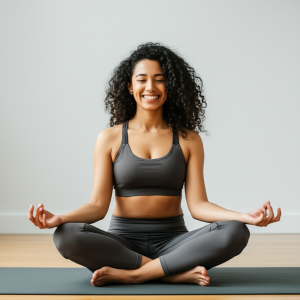
Embarking on a journey toward greater freedom of movement and physical ease is a wonderful goal, and exploring natural methods for flexibility improvement is a fantastic place to start. Many of us yearn for a body that feels less stiff, more agile, and capable of moving through daily life with grace and comfort. Whether you’re an athlete looking to enhance performance, someone seeking to alleviate everyday aches, or simply aiming for better overall well-being, enhancing your flexibility can be profoundly beneficial. The good news is, you don’t need complicated equipment or advanced techniques to make significant progress. This comprehensive guide will explore practical, gentle, and highly effective natural methods that can help you unlock your body’s innate potential for flexibility, supporting a more comfortable and active lifestyle.
Why Does Flexibility Matter? Understanding Your Body’s Need for Movement
Before diving into the "how," let’s briefly touch on the "why." What exactly is flexibility, and why is it so important for our bodies? Flexibility refers to the absolute range of movement in a joint or series of joints, and the length of muscles that cross the joints to induce a bending movement or motion. Think of it as your body’s ability to bend, stretch, and twist without feeling restricted or experiencing discomfort.
As we age, or if we lead sedentary lifestyles, our muscles can shorten and tighten, potentially leading to stiffness, reduced range of motion, and even discomfort. Improving your flexibility through natural methods can bring a host of wonderful benefits:
- Enhanced Daily Movement: Simple tasks like reaching for something on a high shelf, tying your shoes, or getting in and out of a car become easier and more fluid.
- Improved Posture: When muscles are balanced and flexible, they can better support your spine, helping you stand taller and sit straighter.
- Reduced Muscle Tension: Regular stretching and movement can help release tension that often accumulates in the neck, shoulders, and back, which may support relief from everyday stiffness.
- Increased Body Awareness: Engaging in flexibility practices helps you tune into your body, understanding its signals and needs more intimately.
- Support for Physical Activity: A flexible body is often a more efficient body in various physical activities, from walking to dancing to playing sports. It may support enhanced performance and comfort during exercise.
Understanding these benefits highlights why incorporating natural methods for flexibility improvement into your routine is a worthwhile endeavor for anyone.
The Power of Movement: Core Natural Methods for Flexibility Improvement
Let’s explore some of the most accessible and effective natural methods you can integrate into your daily life to cultivate greater flexibility. Remember, consistency is key, and listening to your body is paramount.
1. Gentle Stretching Techniques: Your Foundation for Flexibility
Stretching is perhaps the most obvious and direct path to flexibility. However, there are different types, and understanding them can help you optimize your routine.
- Static Stretching: This involves holding a stretch for a period (typically 20-30 seconds) at the point of mild tension, not pain. It’s best done when your muscles are already warm, perhaps after a light walk or at the end of a workout. Examples include a hamstring stretch (reaching for your toes) or a triceps stretch (reaching behind your head). Static stretching is a cornerstone of natural methods for flexibility improvement.
- Dynamic Stretching: These are active movements that take your joints and muscles through their full range of motion. Think arm circles, leg swings, or torso twists. Dynamic stretches are excellent for warming up before exercise, as they prepare your body for movement.
- Proprioceptive Neuromuscular Facilitation (PNF) Stretching: This advanced technique often involves contracting a muscle before stretching it. While it can be highly effective, it’s often best learned with guidance from a qualified instructor to ensure safety and proper execution.
Safety Tip: Always warm up your muscles with light cardio before static stretching. Never bounce into a stretch, and stop if you feel sharp pain. Stretching should feel like a gentle lengthening, not agony.
2. Embrace Yoga: A Holistic Path to Suppleness
Yoga is an ancient practice that beautifully combines physical postures (asanas), breathing techniques (pranayama), and meditation. It’s one of the most comprehensive natural methods for flexibility improvement because it works on multiple levels. Different styles of yoga offer varying degrees of intensity and focus:
- Hatha Yoga: A gentle introduction to basic yoga postures, often held for several breaths, focusing on alignment and breath.
- Vinyasa Yoga: A more dynamic style where movements are synchronized with breath, flowing from one pose to the next. This can build both flexibility and strength.
- Yin Yoga: This style involves holding passive stretches for longer periods (3-5 minutes or more), targeting the connective tissues (fascia, ligaments, joints) rather than just the muscles. It can be incredibly effective for increasing deep flexibility.
- Restorative Yoga: Uses props like blankets, bolsters, and blocks to support the body in gentle stretches, promoting deep relaxation and release.
Numerous studies highlight the benefits of yoga for flexibility. The Mayo Clinic offers excellent resources on the benefits and different styles of yoga, which can be a great starting point for beginners: Learn more about yoga from Mayo Clinic.
3. Pilates for Core Strength and Elongation
While often associated with core strength, Pilates is also a powerful tool for improving flexibility. It emphasizes controlled movements, precision, and breath, which can lead to longer, leaner muscles and an increased range of motion. Pilates exercises focus on strengthening the core, which in turn supports the spine and allows for greater freedom in limb movements. The emphasis on lengthening the body with each movement naturally contributes to better flexibility.
4. Tai Chi: Fluid Movement and Gentle Stretching
Tai Chi, an ancient Chinese martial art, is known for its slow, graceful, and flowing movements. It’s often described as "meditation in motion." These gentle, continuous movements promote flexibility by gradually increasing the range of motion in joints and lengthening muscles without abrupt forces. Tai Chi also enhances balance, coordination, and body awareness, making it an excellent practice for individuals of all ages and fitness levels seeking natural methods for flexibility improvement. The World Health Organization (WHO) promotes physical activity for health, and practices like Tai Chi fit perfectly into these recommendations: WHO recommendations on physical activity.
5. Foam Rolling and Self-Myofascial Release
Foam rolling is a self-massage technique that can help release tightness in muscles and connective tissues (fascia). By applying pressure to specific points on your body using a foam roller, you can help break up adhesions and knots, which may improve blood flow and allow muscles to lengthen more effectively. This can be particularly beneficial for areas prone to tightness, such as the hamstrings, glutes, quads, and upper back. Incorporating foam rolling a few times a week can be a powerful addition to your regimen of natural methods for flexibility improvement.
6. Consistent Movement Throughout Your Day
Our bodies are designed to move, not to be static for long periods. Incorporating short bursts of movement and stretching throughout your day can make a significant difference.
- Take Micro-Breaks: If you have a desk job, stand up, walk around, and perform a few gentle stretches every 30-60 minutes.
- Walk More: Simple walking helps keep your joints lubricated and muscles active.
- Stretch While Waiting: At the grocery store, waiting for the kettle to boil, or during commercials – these are all opportunities for a quick calf stretch or shoulder roll.
These small, consistent actions contribute significantly to maintaining and enhancing flexibility over time.
7. Prioritize Hydration
It might seem unrelated, but proper hydration is crucial for flexible muscles and healthy connective tissues. Water helps lubricate joints and keeps tissues supple and elastic. Dehydrated muscles are more prone to tightness and can be less responsive to stretching. Aim to drink plenty of water throughout the day to support your body’s overall function, including its capacity for flexibility. WebMD offers great information on the importance of hydration for overall health: Importance of Water for Your Body from WebMD.
8. Nourish Your Body with a Balanced Diet
While food won’t directly make you more flexible, a nutrient-rich diet can support overall muscle and joint health, which in turn contributes to flexibility. Foods rich in anti-inflammatory properties (like fruits, vegetables, and omega-3 fatty acids) can help reduce muscle soreness and promote faster recovery. Ensure you’re getting enough vitamins and minerals that support bone and muscle health.
9. Get Adequate Sleep and Rest
Sleep is when your body repairs and regenerates. Muscles recover, and tissues rebuild. Chronic sleep deprivation can lead to increased muscle tension and slower recovery from physical activity, potentially hindering your flexibility goals. Prioritizing 7-9 hours of quality sleep each night is a simple yet profoundly effective way to support your body’s natural ability to heal and become more pliable.
10. Practice Mindfulness and Stress Reduction
Stress can manifest physically as muscle tension, especially in the neck, shoulders, and jaw. Practices like deep breathing, meditation, and mindfulness can help calm the nervous system and release this chronic tension. When your mind is relaxed, your body often follows, making it easier for muscles to lengthen and relax during stretching. Incorporating even a few minutes of mindfulness daily can be a powerful, indirect natural method for flexibility improvement.
Crafting Your Personalized Flexibility Routine: Starting Your Journey
Now that you’re familiar with a range of effective natural methods for flexibility improvement, how do you put it all together?
- Start Small, Be Consistent: Don’t try to do everything at once. Choose 2-3 methods that resonate with you and commit to practicing them regularly. Even 10-15 minutes a day, most days of the week, can yield impressive results over time.
- Listen to Your Body: Everyone’s flexibility journey is unique. Never push into pain. Respect your body’s current limits and gradually work towards increasing your range of motion.
- Warm Up First: Always do a light warm-up (5-10 minutes of light cardio like walking or marching in place) before static stretching to prepare your muscles.
- Cool Down: After any physical activity, use static stretches as part of your cool-down to help muscles lengthen and relax.
- Set Realistic Goals: Celebrate small victories. Notice how reaching for your keys becomes easier, or how you can sit more comfortably on the floor. These incremental improvements are signs of progress.
- Mix It Up: Incorporate a variety of techniques to keep things interesting and to challenge your body in different ways. One day might be yoga, the next a foam rolling session, followed by dedicated static stretches.
Conclusion: Embrace the Journey to a More Flexible You
Improving your flexibility naturally is a journey, not a destination. By consistently integrating these natural methods for flexibility improvement into your life, you’re not just stretching your muscles; you’re investing in your overall well-being, enhancing your physical freedom, and fostering a deeper connection with your body. From the gentle flows of yoga to the targeted release of foam rolling, and the crucial support of hydration and sleep, each method plays a vital role in cultivating a more supple, comfortable, and capable you.
Start today, be patient with yourself, and celebrate every step of progress. You’ll be amazed at how much more ease and fluidity you can bring into your daily movements, unlocking a vibrant, more flexible potential within you.