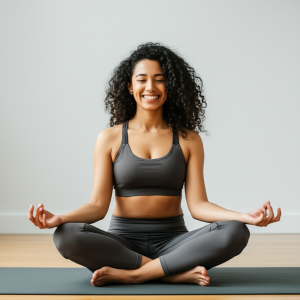
Embarking on a journey to enhance your meditation practice can be incredibly rewarding, and thankfully, there are many gentle, natural methods for meditation improvement that can profoundly deepen your experience. Whether you’re a seasoned meditator or just starting out, incorporating natural elements and mindful habits into your routine can unlock new levels of peace, focus, and clarity. This comprehensive guide will explore practical, accessible ways to naturally uplift your meditation, helping you cultivate a richer, more profound inner sanctuary.
Meditation, at its core, is a practice of training attention and awareness to achieve a mentally clear and emotionally calm and stable state. While the mind is a powerful tool, our bodies and environments also play crucial roles in how effectively we can settle into a meditative state. By harnessing the power of nature and simple, wholesome practices, we can create an optimal foundation for profound inner work. Let’s explore how you can naturally transform your meditation journey.
Setting the Stage: Cultivating a Natural Meditation Environment
The space where you meditate can significantly impact your ability to focus and relax. Creating an environment that naturally supports tranquility is one of the most effective natural methods for meditation improvement.
-
Harness the Power of Nature Sounds and Gentle Music:
Imagine the soothing rush of ocean waves, the gentle patter of rain, or the subtle chirping of crickets. These natural soundscapes can act as a powerful anchor for your mind, drawing your attention away from internal chatter and into the present moment. If meditating outdoors isn’t always feasible, consider playing high-quality recordings of nature sounds. Alternatively, soft, instrumental music specifically designed for meditation, featuring ambient tones or gentle melodies, can also help quiet the mind and foster a sense of calm. The right auditory backdrop can create an immersive experience, allowing you to settle deeper into your practice without distraction. -
Embrace Aromatherapy with Essential Oils:
Our sense of smell is deeply connected to our emotions and memories. Utilizing essential oils known for their calming and uplifting properties can be a wonderful natural aid for meditation. Lavender is widely recognized for its relaxing qualities, while frankincense is often used to promote grounding and spiritual connection. Sandalwood can help with focus and mental clarity, and bergamot may support a positive mood. A few drops diffused into the air, or diluted and applied to pulse points, can help set a serene tone for your practice. Always ensure you’re using high-quality, pure essential oils and follow safety guidelines for dilution and diffusion. This simple addition can subtly shift your mental state, preparing you for deeper meditation. -
Optimize Your Space with Natural Light and Comfort:
While a dimly lit room can be conducive to relaxation, incorporating natural light whenever possible can also be incredibly beneficial. Meditating near a window that offers a view of the sky or greenery can connect you to the outside world while maintaining your inner focus. Ensure your meditation space is clean, uncluttered, and comfortable. A supportive cushion or mat, a comfortable temperature, and good airflow can prevent physical distractions. The goal is to create a sanctuary where your body feels at ease, allowing your mind to follow suit. A well-prepared physical space is a cornerstone among the natural methods for meditation improvement.
Body and Breath: Foundations of Natural Improvement
Our physical state and breath are intrinsically linked to our mental clarity. Attending to them naturally can significantly enhance your meditation experience.
-
Integrate Gentle Stretching or Yoga Before Meditation:
Before settling into stillness, a few minutes of gentle stretching or restorative yoga can release tension from your body, making it easier to sit comfortably for longer periods. Simple stretches for the neck, shoulders, hips, and spine can improve circulation and flexibility. Poses like Cat-Cow, Child’s Pose, or a gentle spinal twist can prepare your physical form for stillness, preventing discomfort from becoming a distraction. This pre-meditation ritual signals to your body that it’s time to transition from activity to calm, creating a smoother entry into your meditative state. It’s a gentle yet powerful technique among the natural methods for meditation improvement. -
Focus on Mindful Breathing Techniques:
The breath is arguably the most powerful natural tool we have for regulating our nervous system and focusing our minds. Before diving into silent meditation, dedicate a few minutes to conscious breathing exercises. Deep belly breathing (diaphragmatic breathing) can activate the parasympathetic nervous system, promoting relaxation. Inhale slowly, allowing your abdomen to expand, then exhale fully, drawing your navel towards your spine. Techniques like alternate nostril breathing (Nadi Shodhana) can balance energy, while counting breaths can help quiet a busy mind. Consistent practice of these natural breathing methods can dramatically improve your ability to enter a state of deep meditation. -
Hydration and Light, Clean Nutrition:
What we consume profoundly affects our physical and mental energy. Ensuring you are well-hydrated throughout the day, especially before meditation, can prevent feelings of sluggishness or lightheadedness. Opt for plain water or herbal teas. Similarly, eating light, nourishing meals, particularly avoiding heavy or processed foods close to your meditation time, can prevent digestive discomfort and mental fog. A diet rich in whole foods, fruits, vegetables, and lean proteins provides sustained energy and supports mental clarity, naturally enhancing your capacity for focused meditation.
Mind and Focus: Cultivating Inner Calm Naturally
While meditation is often about letting go of thoughts, certain natural mental practices can prepare your mind for deeper states of awareness.
-
Practice Gratitude and Positive Affirmations:
Cultivating a grateful mindset can profoundly shift your inner landscape, making it more receptive to peace. Before you begin your formal meditation, take a moment to reflect on things you are grateful for – big or small. This simple practice can uplift your mood and create a positive mental foundation. Similarly, repeating positive affirmations (e.g., "I am calm," "I am present," "I am at peace") can gently guide your mind towards a desired state, helping to quiet self-critical thoughts or anxieties. These practices are wonderful natural methods for meditation improvement, fostering an environment of inner kindness and positivity. -
Spend Time in Nature Regularly:
Connecting with the natural world is a potent antidote to stress and mental clutter. Spending time outdoors – whether it’s a walk in a park, sitting by a lake, or simply tending to a garden – can naturally reduce stress hormones and improve mood. This connection to nature can spill over into your meditation practice, making it easier to find stillness and connect with your inner self. Even a few minutes spent observing the beauty of a plant or the vastness of the sky can help ground you and prepare your mind for deeper introspection. This is a powerful, yet often overlooked, one of the natural methods for meditation improvement. -
Incorporate Mindful Journaling:
If your mind tends to be busy with thoughts, worries, or to-do lists, journaling before meditation can be an incredibly helpful practice. Jotting down your thoughts, feelings, and concerns can act as a "brain dump," clearing mental space that might otherwise distract you during meditation. It allows you to acknowledge and release these thoughts, creating a clearer pathway to inner quiet. This reflective practice can also help you identify patterns in your thinking, leading to greater self-awareness and improved focus during your formal practice.
Lifestyle Habits for Sustained Progress
True meditation improvement often comes from holistic changes that support your overall well-being.
- Prioritize Quality Sleep and Consistent Routines:
Adequate, restorative sleep is fundamental for mental clarity, emotional regulation, and cognitive function. When we are well-rested, our minds are naturally calmer and more focused, making meditation significantly easier and more effective. Establishing a consistent sleep schedule – going to bed and waking up around the same time each day, even on weekends – can regulate your body’s natural rhythms. Creating a relaxing bedtime routine (e.g., reading, warm bath, avoiding screens) can also signal to your body and mind that it’s time to wind down. Prioritizing sleep is a powerful, yet often underestimated, among the natural methods for meditation improvement. Research, as highlighted by institutions like the Mayo Clinic (link to Mayo Clinic article on sleep, e.g., "Sleep and mental health: Get the sleep you need"), consistently shows the profound link between sleep quality and mental well-being.
Overcoming Challenges with Natural Patience and Self-Compassion
It’s natural to encounter challenges in your meditation practice. Distractions, restlessness, or feelings of inadequacy are common. The most natural way to overcome these is with patience and self-compassion. Instead of fighting these experiences, acknowledge them without judgment. Gently guide your attention back to your anchor (breath, sound, sensation) whenever your mind wanders. Remember that meditation is a practice, not a destination, and every moment of returning to the present is a success. Be kind to yourself, and trust that with consistent, gentle effort, these natural methods will gradually deepen your practice.
Bringing It All Together: A Holistic Approach
Improving your meditation doesn’t require complex rituals or expensive equipment. It often comes down to integrating simple, natural elements and mindful habits into your daily life. From optimizing your physical space and engaging your senses with natural sounds and aromas, to nurturing your body with proper breath and nutrition, and cultivating a positive mindset through gratitude and time in nature – each of these natural methods for meditation improvement contributes to a richer, more profound practice.
The journey of meditation is a personal one, and discovering what resonates most with you is part of the adventure. By thoughtfully applying these natural approaches, you can create a supportive foundation that not only enhances your meditation sessions but also brings more calm, clarity, and well-being into every aspect of your life. For more insights on the broader benefits of mindfulness and meditation for overall well-being, resources like WebMD (link to WebMD article on meditation benefits, e.g., "Health Benefits of Meditation") offer valuable perspectives, and the World Health Organization (WHO) (link to WHO mental health resources, e.g., "Mental health") emphasizes the importance of mental health practices like mindfulness for global well-being. Embrace these natural methods, and watch as your meditation practice blossoms into an even more powerful source of inner peace.