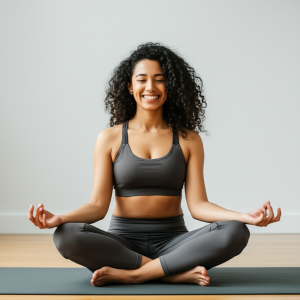
Starting a journey to improve your physical fitness doesn’t have to mean expensive gym memberships or complicated equipment. In fact, finding easy ways to practice muscle strength at home is not only possible but can also be incredibly effective and empowering. This comprehensive guide will walk you through simple, effective, and beginner-friendly methods to build and maintain muscle strength right from the comfort of your living room, ensuring you can embrace a healthier, more active lifestyle without ever stepping out the door.
Why Muscle Strength Matters (Even at Home!)
You might wonder why focusing on muscle strength is so important, especially if you’re not aiming to become a bodybuilder. The truth is, muscle strength plays a vital role in our everyday lives, influencing everything from carrying groceries to maintaining good posture and even boosting our mood.
Engaging in regular strength training, even with just your body weight, offers a wealth of benefits:
- Improved Daily Function: Stronger muscles make everyday tasks like lifting, carrying, and climbing stairs feel much easier.
- Enhanced Bone Health: Strength training can help support bone density, which is particularly important as we age. Learn more about the benefits of strength training from Mayo Clinic.
- Better Balance and Stability: Stronger core and leg muscles can help improve your balance, reducing the risk of falls.
- Boosted Metabolism: Muscle tissue is more metabolically active than fat tissue, meaning it can help your body burn more calories even at rest.
- Improved Mood and Energy: Physical activity, including strength training, is known to release endorphins, which can help reduce stress and boost your overall sense of well-being. It can also contribute to better sleep and increased energy levels throughout the day.
- Support for Healthy Weight Management: Building muscle can be a fantastic way to support your weight management goals when combined with a balanced diet.
The beauty of practicing muscle strength at home is its accessibility. No special gear is required, and you can fit workouts into your schedule whenever it suits you best. It’s about making a commitment to yourself and discovering that building strength can be a fun and rewarding part of your routine.
Getting Started: Your Home Workout Essentials
One of the best things about finding easy ways to practice muscle strength at home is that you truly don’t need much to begin. Your most important tool is your own body!
Here’s what you’ll need (or won’t need!):
- Comfortable Clothing: Wear something that allows you to move freely without restriction.
- A Clear Space: Make sure you have enough room to extend your arms and legs without bumping into furniture. A yoga mat is optional but can provide extra cushioning and grip.
- Water Bottle: Stay hydrated throughout your workout.
- Positive Attitude: This is key! Approach your workouts with enthusiasm and patience.
Safety First:
Before diving into any new exercise routine, it’s always wise to listen to your body. If you have any underlying health conditions, it’s a good idea to chat with a healthcare professional to ensure these exercises are suitable for you. This guide provides general fitness information and should not replace professional medical advice.
- Warm-up: Always start with 5-10 minutes of light cardio and dynamic stretches (like arm circles, leg swings, torso twists) to get your blood flowing and prepare your muscles. WebMD offers great tips on how to warm up properly.
- Listen to Your Body: Pay attention to how your body feels. Some muscle soreness after a workout is normal, but sharp pain is a sign to stop.
- Cool-down: Finish with 5-10 minutes of static stretches (holding stretches for 20-30 seconds) to improve flexibility and help your muscles recover.
Easy Ways to Practice Muscle Strength at Home: Your Go-To Exercises
Now, let’s get to the exciting part – the exercises! These movements are chosen for their effectiveness, simplicity, and adaptability, making them perfect easy ways to practice muscle strength at home. Aim for 2-3 sets of 8-15 repetitions for each exercise, or hold planks for 20-60 seconds, resting for 30-60 seconds between sets. Remember, proper form is more important than the number of repetitions.
Upper Body & Core Strength
-
Push-Ups:
- How to do it: Start in a plank position with your hands slightly wider than your shoulders. Lower your chest towards the floor by bending your elbows, keeping your body in a straight line. Push back up to the starting position.
- Benefits: Works your chest, shoulders, and triceps, and engages your core.
- Modifications:
- Easier: Perform on your knees, or against a wall (wall push-ups).
- Harder: Elevate your feet on a step or chair.
-
Triceps Dips (Chair Dips):
- How to do it: Sit on the edge of a sturdy chair or bench, hands gripping the edge beside your hips, fingers pointing forward. Slide your hips off the chair, supporting your weight with your hands and feet. Lower your body by bending your elbows straight back until they form about a 90-degree angle. Push back up.
- Benefits: Targets the triceps (the back of your upper arms).
- Modifications:
- Easier: Keep your knees bent and feet flat on the floor, closer to the chair.
- Harder: Extend your legs straight out.
-
Plank:
- How to do it: Start in a push-up position, but either rest on your hands or forearms. Keep your body in a straight line from head to heels, engaging your core and glutes. Avoid letting your hips sag or rise too high.
- Benefits: A fantastic full-body core strengthener, working your abs, back, and shoulders.
- Modifications:
- Easier: Drop to your knees, maintaining a straight line from head to knees.
- Harder: Lift one arm or leg, or both, for a few seconds (carefully!).
Lower Body Strength
-
Bodyweight Squats:
- How to do it: Stand with your feet shoulder-width apart, toes pointing slightly out. Keeping your chest up and back straight, push your hips back as if sitting in a chair, lowering until your thighs are parallel to the floor (or as low as comfortable). Push through your heels to return to standing.
- Benefits: Strengthens your glutes, quadriceps, and hamstrings, and improves hip mobility.
- Modifications:
- Easier: Don’t go as deep, or hold onto a sturdy object for balance.
- Harder: Perform jump squats or hold for a few seconds at the bottom.
-
Lunges (Forward/Reverse):
- How to do it: Stand with feet hip-width apart. Step one foot forward (forward lunge) or backward (reverse lunge), lowering your hips until both knees are bent at about a 90-degree angle. Ensure your front knee is directly above your ankle and your back knee hovers just above the floor. Push off to return to the starting position and alternate legs.
- Benefits: Excellent for glutes, hamstrings, and quads, and improves balance.
- Modifications:
- Easier: Reduce the depth of the lunge or hold onto a wall for support.
- Harder: Add a pulse at the bottom of the lunge or hold light weights.
-
Glute Bridges:
- How to do it: Lie on your back with knees bent, feet flat on the floor hip-width apart, and arms by your sides. Engage your glutes and lift your hips off the floor until your body forms a straight line from shoulders to knees. Squeeze your glutes at the top, then slowly lower back down.
- Benefits: Primarily targets the glutes and hamstrings, helping with hip strength and stability.
- Modifications:
- Easier: Focus on slow, controlled movements.
- Harder: Perform with one leg lifted off the floor (single-leg glute bridge).
-
Calf Raises:
- How to do it: Stand tall with your feet hip-width apart. Slowly lift onto the balls of your feet, raising your heels as high as possible. Hold for a moment, then slowly lower back down.
- Benefits: Strengthens the calf muscles, important for walking, running, and jumping.
- Modifications:
- Easier: Use a wall for balance.
- Harder: Perform on one leg, or stand on a slight elevation (like a step) to increase the range of motion.
Full Body & Dynamic Movements
-
Bird-Dog:
- How to do it: Start on all fours (hands under shoulders, knees under hips). Keeping your core engaged and back flat, extend your right arm forward and your left leg straight back simultaneously. Maintain a stable torso, avoiding any twisting. Hold for a moment, then slowly return to the starting position and switch sides.
- Benefits: A fantastic exercise for core stability, balance, and strengthening the lower back.
- Modifications:
- Easier: Extend just an arm or just a leg at a time.
- Harder: Hold for longer or add a slight pause at the peak of the extension.
-
Mountain Climbers:
- How to do it: Start in a high plank position. Alternately bring one knee towards your chest in a running motion. Keep your core tight and hips stable, avoiding excessive rocking.
- Benefits: A dynamic exercise that works your core, shoulders, and legs, while also elevating your heart rate.
- Modifications:
- Easier: Perform slowly, focusing on control.
- Harder: Increase speed, or perform with hands elevated on a chair.
-
Modified Burpees:
- How to do it: Start standing. Squat down and place your hands on the floor. Step (or jump) your feet back into a plank position. Step (or jump) your feet back to the squat position. Stand up.
- Benefits: A full-body exercise that builds strength and cardiovascular endurance.
- Modifications:
- Easier: Step one foot back at a time into the plank, and step forward one foot at a time. Omit the jump at the end.
- Harder: Add a push-up when in the plank position, and a jump at the end.
These ten movements represent truly easy ways to practice muscle strength at home, forming a solid foundation for your fitness journey. Remember to focus on control and proper form to get the most out of each exercise and prevent injury.
Making It a Habit: Tips for Consistent Home Strength Training
Consistency is the magic ingredient for seeing results. Here are some supportive tips to help you stick with these easy ways to practice muscle strength at home:
- Set a Schedule: Dedicate specific days and times for your workouts. Even 20-30 minutes, 2-3 times a week, can make a significant difference.
- Start Small: Don’t feel pressured to do too much too soon. Begin with fewer repetitions or sets, and gradually increase as you get stronger. The goal is progress, not perfection.
- Track Your Progress: Keep a simple log of your workouts – how many reps, sets, or how long you held a plank. Seeing your improvements can be incredibly motivating!
- Listen to Your Body (Again!): Some days you’ll feel stronger than others. It’s okay to adjust your workout intensity. Rest days are crucial for muscle recovery and growth.
- Make It Enjoyable: Put on your favorite music, find a workout buddy (even virtually!), or try a new exercise variation. Finding joy in your movement can make it a sustainable habit.
- Hydrate and Nourish: Support your muscle growth and recovery by drinking plenty of water and eating a balanced diet rich in protein, fruits, and vegetables.
- Celebrate Small Wins: Acknowledged your efforts! Every workout is a step forward.
Beyond the Basics: Taking Your Home Workouts Further
Once you’ve mastered these easy ways to practice muscle strength at home, you might find yourself ready for new challenges. Here are a few ideas to progress your home strength training:
- Increase Reps and Sets: As you get stronger, you can gradually increase the number of repetitions or sets for each exercise.
- Slow Down the Tempo: Performing exercises more slowly, especially the lowering (eccentric) phase, can increase muscle time under tension and build strength.
- Explore Variations: There are countless variations for each basic exercise. For example, trying narrow-grip push-ups or sumo squats.
- Add Resistance (Gradually): While bodyweight is powerful, you can introduce light resistance. Resistance bands are inexpensive and versatile, or you can use household items like water bottles or heavy books as makeshift weights.
- Consider a Structured Program: Once you’re comfortable, you might look into beginner-friendly online workout programs that provide a clear structure and progression.
- Seek Professional Guidance (If Desired): If you’re looking for personalized guidance or have specific fitness goals, consulting with a certified personal trainer can provide a tailored plan and expert advice.
The World Health Organization (WHO) recommends at least 150–300 minutes of moderate-intensity aerobic physical activity, or at least 75–150 minutes of vigorous-intensity aerobic physical activity, or an equivalent combination, and muscle-strengthening activities at moderate or greater intensity on 2 or more days a week, for all adults. You can find more detailed physical activity guidelines from WHO here. These easy ways to practice muscle strength at home are an excellent way to meet those recommendations.
Conclusion
Embarking on a journey to build muscle strength at home is an incredibly rewarding decision that can lead to a healthier, more vibrant you. With the array of simple, effective exercises and supportive tips outlined in this guide, you have everything you need to start today. Remember, it’s not about perfection, but about consistency and finding joy in movement.
By embracing these easy ways to practice muscle strength at home, you’re not just building stronger muscles; you’re building confidence, improving your well-being, and creating a sustainable habit that will serve you for years to come. So, clear a space, put on some comfortable clothes, and take that first step towards a stronger, healthier you – all from the comfort of your home!